Which sensory integration courses fit your needs best
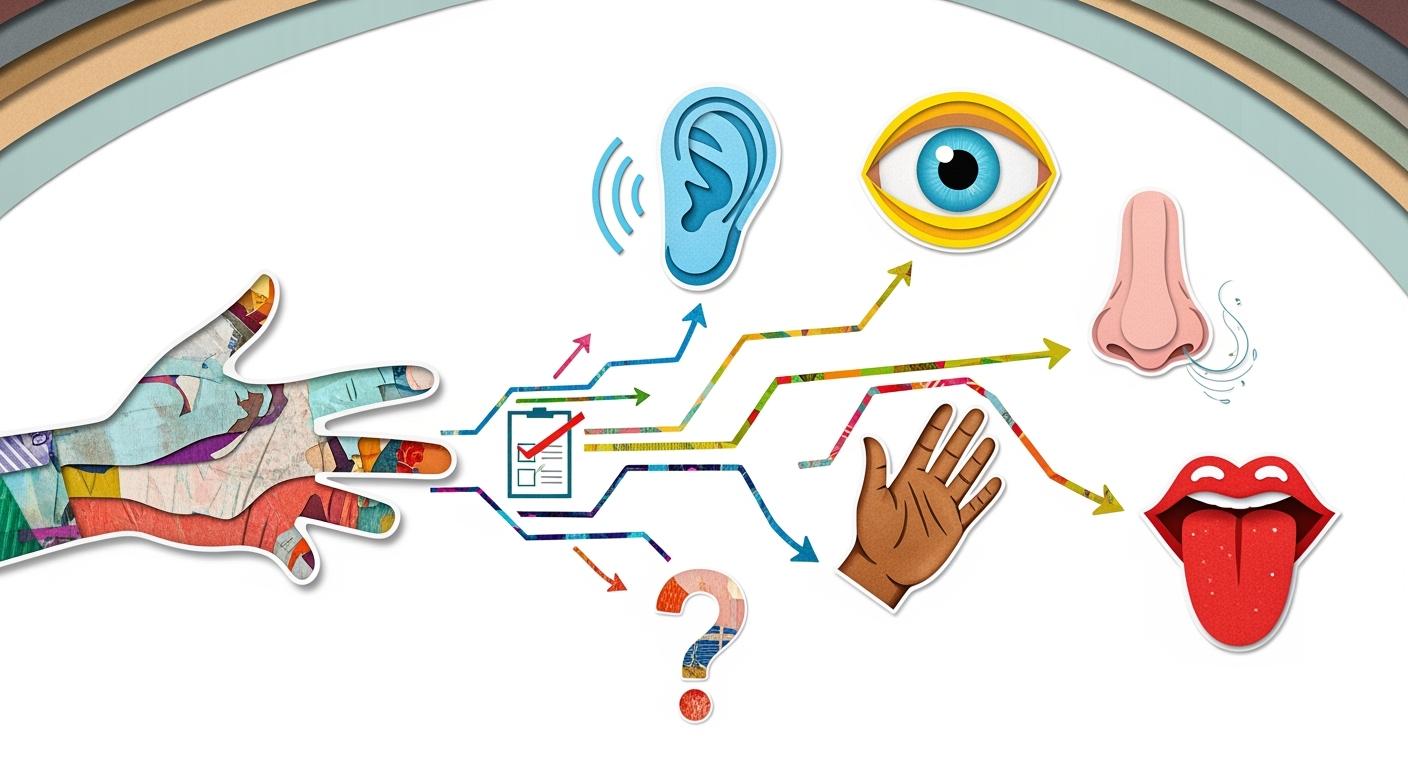
You want to find sensory integration courses that are right for you. Sensory strategies help you support kids in different places. When you pick a course, look for teachers with a good reputation. Good sensory training gives you useful ideas and real examples. Online courses let you try sensory tools right away. Many people say sensory programs are simple to follow and help in daily life. You can get better at sensory skills with the right course, even if you are new or already have experience.
Key Takeaways
Think about your goals before picking a sensory integration course. Knowing what you want to learn helps you choose the best one.
Find courses that are accredited and have a good name. Good programs make sure you get quality training.
Pick courses that let you do hands-on activities. Doing things yourself helps you remember and use what you learn.
Think about how you learn best when choosing a course. Choose in-person or online classes based on what works for you.
Look for courses that give you support after you start. Talking to teachers and other students helps you learn more.
Identify Your Needs
Define Goals
First, think about why you want to take a sensory integration course. Some people want to know more about sensory difficulties. Others want to learn ways to help with sensory integration challenges. Some want to get better at using sensory diets and strategies for kids who need help with sensory processing.
Learn more about sensory difficulties
Find ways to help with sensory integration challenges
Get better at using sensory diets and strategies for kids
You can check out common learning goals for sensory integration training. These goals help you stay focused and see how much you have learned.
Learning Objective | Description |
|---|---|
Articulate core principles | Learn the basic ideas of sensory integration theory. |
Describe sensory processing patterns | Spot different sensory processing patterns and how they affect daily life. |
Identify intervention strategies | Find proven ways to help with sensory processing challenges in different groups. |
Target Learners
Sensory integration courses are for many kinds of professionals. You might be an occupational therapist who wants to help clients with sensory processing problems. You could be a speech-language pathologist who works with kids with autism and wants to learn more about sensory processing. These courses are also good for teachers, parents, and caregivers who want to help kids do well every day.
Profession | Description |
|---|---|
Often take courses to get better at helping clients with sensory processing problems. | |
Speech-Language Pathologists | Take courses to learn about sensory processing, especially for kids with autism. |
Desired Outcomes
Think about what you want to get from a sensory integration course. Many people hope to see better sensory processing and fine motor skills. Some want to help kids grow in social-emotional skills and adaptive behavior. You may want to see better sensory regulation, more participation, and improved adaptive behavior at work or home.
Better sensory processing
Improved fine motor skills
Growth in social-emotional skills
Better adaptive behavior
Better motor skills
More participation
Improved adaptive behavior
Tip: Having clear goals and outcomes makes it easier to pick the best sensory integration course for you.
Sensory Integration Courses: Selection Criteria
Accreditation & Provider Reputation
When you pick sensory integration courses, you want to trust your teachers. Look for programs with strong accreditation and a good reputation. Accredited courses follow high standards and share the latest information. You can check if a well-known group offers the course. This helps you feel sure about what you learn.
Here are some top groups that offer respected sensory integration courses:
Organization | Description |
|---|---|
Gives training in sensory integration theory, assessment, and intervention ideas, based on Dr. A. Jean Ayres’ work. | |
ASI Wise | Offers a full learning path in Ayres Sensory Integration, matching ICE-ASI standards for therapists in the UK and Ireland. |
Tip: Always check if the course provider shows their credentials and if other professionals recommend their program.
Course Content & Format
You want sensory integration courses that give you real tools for your job. The best courses teach you how to use sensory strategies in class and daily life. They show you how to spot sensory processing challenges and help students or clients with simple solutions. Good courses use videos, case studies, and hands-on activities to make learning easier.
Here are examples of course content that help you learn sensory integration strategies:
Course Title | Key Features |
|---|---|
Focuses on sensory processing challenges, making sensory-friendly spaces, and creating strategies for students, with video demos and hands-on activities. | |
Practical and Effective Strategies for Integrating Sensory and Motor Learning | Focuses on typical development, useful strategies, group talks, and resources for teachers and therapists. Includes tips for changing activities in different places. |
You also need to think about how you want to learn. Some sensory integration courses are in person, while others are online. In-person classes give you more practice with others. Online classes let you learn at your own speed and join from anywhere. Both types can help you, but you should pick the one that fits your schedule and learning style.
Format | Rated Usefulness (3-5) | Mean Usefulness Rating |
|---|---|---|
In-person | 4.01 | |
Online | 92.3% | 3.77 |
In-person workshops give you materials and let you try activities with others.
Online workshops ask you to bring your own sensory items, but you can join group talks in breakout rooms.
Note: If you like to practice with others and use real materials, in-person courses may be best for you. If you need flexibility, online courses are a good choice.
Hands-On & Support
You learn best when you try things yourself. Sensory integration courses with hands-on activities help you remember what you learn. These activities can include balloon toss games, obstacle courses, sensory bins, yoga poses, Simon Says, and crafting. Each activity helps you build different skills, like hand-eye coordination, balance, and listening.
Activity | Impact on Learning Outcomes |
|---|---|
Balloon Toss | Improves hand-eye coordination, thinking skills, and social skills through play. |
Obstacle Courses | Helps thinking and physical skills by letting kids do tasks made for them. |
Sensory Bins | Supports fine motor skills and problem-solving through touching and creative play. |
Yoga Poses | Improves mind-body awareness, balance, and focus, helping with feelings and learning. |
Simon Says | Improves listening and hearing skills, which are important for thinking and talking with others. |
Crafting | Uses many senses, helping fine motor skills and sensory skills through hands-on work. |
You also want support during and after your course. Good sensory integration courses offer help from teachers and let you ask questions. Some programs have group chats or forums where you can share ideas and get advice. This support helps you use what you learn in real life.
Callout: Pick courses that give you both hands-on practice and support. This will help you feel ready to use sensory strategies with confidence.
Compare Sensory Integration Courses
Course A Overview
You can begin with "Understanding Sensory Integration and Processing." This course teaches you about theories of sensory processing. You will learn how sensory function and dysfunction affect how people talk. The course gives ideas for using sensory strategies in therapy. You will see why sensory integration is important for kids and adults. Many people pick this course to get a strong base in sensory theory.
Course Title | Focus Areas |
|---|---|
Understanding Sensory Integration and Processing | Theories of sensory processing function and dysfunction, impact on communication skills, therapeutic practice considerations |
Course B Overview
"Sensory Integration and Processing 101" helps you look closer at how sensory systems work. You will learn about the different sensory systems and how they connect with interoception. The course explains the subtypes of Miller SPD Nosology. You will see how sensory integration differences can change daily life. This course helps you spot sensory challenges and use the right strategies for each child.
Course Title | Focus Areas |
|---|---|
Sensory Integration and Processing 101 | Functions of sensory systems, interaction with interoception, subtypes of Miller SPD Nosology, functional impacts of sensory integration differences |
Course C Overview
You might want a course that teaches you skills you can use right away. Course C gives you sensory integration strategies for your sessions. You will learn how to teach parents about sensory needs. This helps you work well with caregivers. When you work together, kids show better self-control and behavior. The course makes it simple to use sensory tools in real life.
Tip: Pick a course that fits how you like to learn and your goals. Each sensory integration course gives you something special. You can find the best one by thinking about what you want to learn and how you want to use sensory strategies.
Sensory Strategies for the Classroom
Practical Tools
There are many sensory strategies you can use in class. These help students pay attention and feel good. Teachers pick tools that help with different sensory needs. These tools make learning and joining activities easier for everyone. The table below lists some sensory tools you might see in a classroom:
Tool Type | Description |
|---|---|
Alternative Seating | T-stools, milk crates, and exercise balls let students move and feel comfy while learning. |
Focus Tools | Noise-cancelling headsets block out loud sounds so students can focus better. |
Fidget Tools | Squishy balls and wikki sticks give students something to hold and squeeze during class. |
Calming Tools | Squishy balls and breathing help students handle stress and stay calm. |
You can set up seats so students choose where they sit. Sensory breaks during the day help students get ready to learn again. Quiet spots in the room give students a place to calm down if they feel upset. These sensory strategies help everyone feel like they belong.
Guided Discussions
You can lead talks to help students share their sensory needs. Start by asking questions like, “What helps you focus in class?” or “How do you feel when it’s noisy?” These talks help students learn to speak up for themselves and know what they need.
Teachers show self-control by using sensory tools or taking deep breaths. You can also check your classroom together. Look at things like lights, noise, and mess. This helps you find and fix things that bother students.
Try these steps for good sensory strategies in your class: Use activities with touch, movement, and listening. Break lessons into small parts so students do not get stressed. Teach students how to ask for breaks or tools when they need them.
Sensory integration activities and sensory activities make learning fun and help students feel safe. When you use sensory strategies in class, you help every student do their best.
Avoid Common Pitfalls
It is important to avoid mistakes when picking a sensory integration course. Some mistakes can make it hard to learn or use sensory strategies. If you know what to look for, you can make better choices.
Accreditation Oversight
You should always check if the course is accredited. Some courses look good but do not meet standards. If you skip this, you might waste time and money. You may not learn the right skills for your job. Pick courses with clear credentials and trusted recommendations. This helps you use sensory strategies in a safe way.
People also make mistakes when using sensory rooms or tools. Here are some common mistakes:
Mistake | Description |
|---|---|
Unsupervised use | Students alone in the room can have safety issues. |
Overcrowding | Too many students can make the room loud and stressful. |
Lack of training | Staff may not know why sensory input matters, so the space is not used well. |
Misunderstanding purpose | Some think the sensory room is just for play, not self-regulation. |
Overstimulation | Using all the equipment at once can overwhelm students. |
Misuse as punishment | Using the sensory room as a punishment can stop students from using it when they need it. |
Lack of structure | Not planning time in the sensory room makes it less helpful. |
Ignoring Format Needs
Think about how you learn best. Some people like learning in a classroom. Others like online courses. If you ignore your style, you may not finish the course. Many teachers say they do not finish online courses if they like classrooms. Time can also be a problem. Most people find online courses take longer than they thought. If you have other jobs, you may not finish the course.
Factor | Impact on Course Completion |
|---|---|
Preference for Classroom Delivery | Lower completion rates for online courses if classroom is preferred. |
Time Commitment | Courses that take longer than expected lower completion rates. |
Additional Responsibilities | Extra duties make it harder to finish online courses. |
Lack of Practical Application
You need to practice what you learn. Some courses do not give you hands-on activities. If you only read or watch, you may not know how to use sensory strategies. Pick courses that let you try tools and activities. You will feel more ready and sure to help others.
Tip: Pick sensory integration courses that fit your needs, give you real practice, and offer support. This helps you avoid mistakes and get the most from your learning.
You can find the best sensory integration course by doing a few things. First, work with a group to check sensory needs from different views. Next, think about how culture changes the way people react. Change the space so everyone can join in and feel welcome. Use guides like SPM-2 Quick Tips to get new ideas.
Therapists use fun activities, like sensory play and swinging, to help kids learn. Many people want to take these courses because they help make better plans and show real progress.
Study Findings | Impact on Future Opportunities |
|---|---|
Children with sensory integration intervention scored higher on standardized tests. | Higher academic performance can enhance professional opportunities later in life. |
You can help others by picking the right course and using what you learn every day.
FAQ
What is a sensory diet?
You use a sensory diet to help students get the right amount of sensory input. This plan includes different activities. You can add movement, touch, and sound to help students stay calm and focused. A sensory diet works best when you use it every day.
How do I set up a sensory corner in the classroom?
You create a sensory corner in the classroom by choosing a quiet spot. Add soft mats, fidget tools, and calming lights. You can include activities like deep breathing or stretching. This space helps students use their sensory diet and feel safe.
What types of activities work best for sensory needs?
You can use many activities to help with sensory needs. Try jumping, squeezing stress balls, or listening to music. Add yoga, swinging, or water play. These activities support a sensory diet and help students feel ready to learn.
How does a sensory diet help students in school?
A sensory diet gives students planned activities during the day. You can use these activities to help students focus, move, or calm down. When you follow a sensory diet, you help students join class routines and use the sensory corner in the classroom.
Can I use activities from a sensory diet in group settings?
Yes, you can use activities from a sensory diet with groups. Try group games, movement breaks, or art projects. These activities help everyone. You can set up a sensory corner in the classroom for group use and make sure all students benefit.
See Also
Understanding Sensory Processing Integration Techniques for Autism
Evaluating OT Sensory Integration Therapy Against Alternative Methods
Exploring Sensory Interactive Tools for Enhancing Special Needs Learning
Creating Effective Sensory Classrooms: A Guide for Teachers
Understanding Sensory Rooms and Their Beneficiaries in Education
