What Is a Sensory Space and How to Make One for Kids
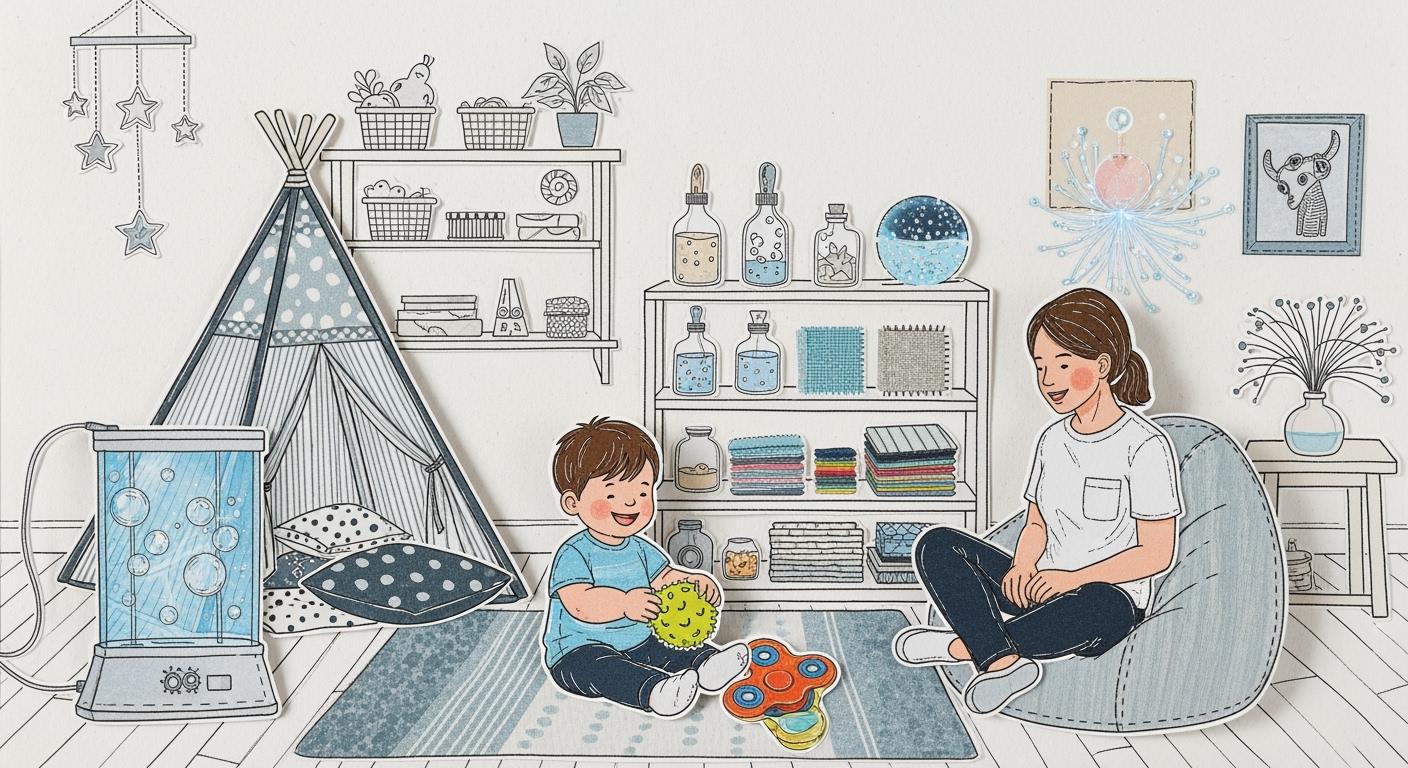
You may ask what the sensory space is for kids. A sensory space is a calm area for your child where they can relax, explore, and handle their sensory needs. Children with autism, ADHD, or sensory processing disorders benefit greatly from it, as it lowers anxiety and stress while helping kids feel calm. A sensory space can also enhance focus and support children with sensory needs. You can create a fantastic sensory room at home by incorporating ideas like a Sensory Tray, Textured Bean Bags, a Sequin Sensory Board, or a Textured Fidget Toy. A sensory space does not need to be expensive, and Leemoland offers low-cost options for all families.
Key Takeaways
A sensory space is a calm place for kids to relax. It helps them handle their sensory needs. It is good for kids with autism, ADHD, and sensory processing disorders. It can lower stress and help kids focus better.
You do not need a lot of money to make a sensory space at home. You can use a small corner in your house. Use things you already have, like pillows and soft lights. This will make the space feel warm and nice.
Add both quiet and active spots in the sensory space. Quiet spots let kids rest and get energy back. Active spots give kids room to move and play. Both help with their body and feelings.
Pick sensory tools your child likes best. Use toys with different textures, nice smells, and gentle sounds. These things make the space special and help your child feel safe and interested.
Change the sensory space as your child gets older. Watch how your child reacts to different things. Make changes so the space always fits what your child needs.
Understanding the Sensory Space
What Is a Sensory Space?
A sensory space is a special spot for your child. It helps them explore and manage their senses. This area is safe and lets your child feel calm and comfortable. Experts say sensory rooms help with behavior and learning. These spaces give controlled sensory input, like touch, movement, sound, and light. Some children want new experiences. Others avoid too much stimulation.
Here’s what makes a sensory space different:
It has soft lights, gentle sounds, and cozy textures.
It helps kids with autism, ADHD, or sensory needs find balance.
It gives your child a place to relax, play, and recharge.
It works for kids who seek or avoid sensory input.
You do not need a big room or expensive things. A small corner with calming tools can be a sensory space. Leemoland makes sensory toys that fit well in these spaces. This makes it easy to create a helpful place at home.
Purpose and Benefits for Children
You might wonder why a sensory space is important. The main goal is to help kids with self-control and emotional balance. If your child feels stressed or restless, a sensory space can help them calm down or wake up.
Here are ways sensory rooms help children:
Benefit | Description |
|---|---|
Emotional Regulation | Helps your child notice and handle their feelings. |
Empathy and Compassion | Teaches your child to care about others’ feelings. |
Positive Relationships | Encourages good talking and teamwork with friends and family. |
Mindfulness | Helps your child focus and learn calming skills. |
Sensory rooms help kids control their feelings and actions. They give different sensory inputs to help with too much or too little stimulation. You will see less stress and anger, more focus, and better learning when your child uses a sensory space. These spaces are very helpful for kids with autism. They often need extra help with calming and routines.
Studies show sensory rooms really help. For example, a ten-year study found kids with autism improved their talking, movement, and behavior when they used sensory rooms in therapy. Schools and therapists ask adults and kids for feedback to see how well these spaces work. The results are good.
You may wonder if sensory spaces help kids with ADHD as well as autism. The answer is yes, but each group gets different benefits:
Feature | Autism | ADHD |
|---|---|---|
Response to Sensory Input | May feel overwhelmed or shut down | May act quickly or become very active |
Social Awareness | May have trouble with social cues and eye contact | Can be social but sometimes acts quickly |
Routine and Predictability | Likes strict routines | May forget routines or feel mixed up |
Focus and Attention | May focus deeply on interests | Gets distracted easily |
Sensory Seeking | Likes deep pressure or repeated movement | Fidgets, taps, or moves a lot |
You can use sensory rooms for both groups by changing tools and routines. Therapists suggest using calming tools, changing lights and sounds, and keeping the space neat. Visual schedules and sensory diets—planned activities during the day—also help kids learn self-control.
Leemoland’s sensory toys are important in these spaces. You can find squishy toys, textured puzzles, weighted blankets, and musical instruments. These toys help with touch, sound, movement, and mindfulness. They make the sensory space more fun and useful for your child.
Tip: Start with a few sensory tools and add more as you learn what your child likes. Every child is different, so let your sensory space change as they grow.
Creating a Calming Sensory Space at Home
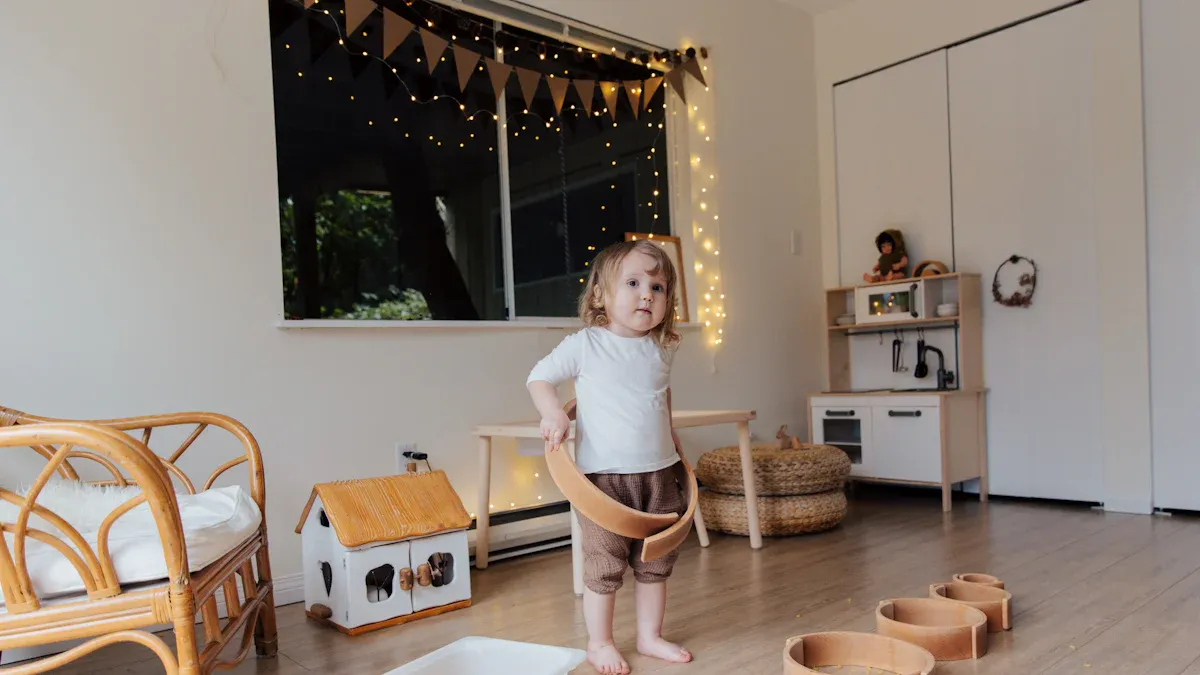
Making a calming sensory space at home can be fun and satisfying. You do not need a lot of money or a big room. It is important to know what your child needs. You can use things you already have at home. Here are some steps to help you make a sensory space that fits your family.
Choosing the Right Location
Pick a spot in your house that feels safe and cozy. This could be a corner in the living room, a spare bedroom, or even a big closet. The best spot is where your child can relax without many distractions. Try to find a place with soft lights and little noise. If you do not have much space, use a play tent or a small nook with pillows.
Tip: If you do not have an extra room, use a foldable screen or a bookshelf to make a private area. You can also use a sensory board that slides under the bed to turn any spot into a calming sensory space.
Think about how your child moves around the house. Stay away from busy areas that might feel too much. Try not to put the space near loud TVs or kitchens. The goal is to make the sensory space feel like a peaceful getaway.
Essential Sensory Elements
Now let’s talk about what to put in your sensory space. Experts say you should use different sensory tools and textures. These things help your child explore, relax, and stay interested.
Here are some popular sensory items you can use:
Sensory balls and fidget toys for touch and focus.
Tactile mats and panels for feeling different textures.
Swings or hammocks for gentle movement.
Rocking chairs and wobble cushions for calming motion.
Body socks and tunnels for deep pressure.
Climbing walls or slides for big muscle play.
Scooter boards and balance boards for coordination.
Ball pits for fun and touch.
Aromatherapy diffusers for a calm feeling.
Soft lights like string lights or fiber optic lamps.
White noise machines or soft music for soothing sounds.
Bean bag chairs and floor cushions for comfy seating.
Weighted blankets for deep pressure comfort.
You do not need to buy everything right away. Start with a few things your child likes and add more later. Leemoland has many sensory toys, like textured fidgets and musical instruments, that work well in any sensory space. You can also make your own sensory boards with fabric, buttons, or textured paper. Use old furniture with soft covers or make a sensory wall with a cork board and different materials.
Note: Thrift stores are good places to find cheap lights, cushions, or decorations. You can also make a sensory box with calming tools for easy use.
Quiet and Active Zones
A good sensory space has both quiet and active areas. Quiet zones let your child rest and recover from too much sensory input. These spots help your child get ready for new things and handle stress. Use soft seats, weighted blankets, and gentle lights to make this area feel safe.
Active zones are for moving and playing. Here, your child can jump, climb, or swing without feeling stressed. These areas help your child play with others and build motor skills. Try adding a small climbing wall, a balance board, or a tunnel for crawling. Keep quiet and active areas apart to stop the space from feeling crowded.
Children often say they want a quiet room before doing sensory activities. By having both zones, you help your child feel supported and included.
Keep the space neat and not too full. Too many things close together can make it feel crowded and stressful. Use baskets or bins to store toys and tools. Watch which activities your child likes best and change the space as they grow.
Your home sensory space should always match your child’s needs. Notice how your child reacts to different textures, sounds, and lights. Change things if something does not work. Your calming sensory space will become a favorite place for relaxing, playing, and learning.
Sensory-Friendly Space Design Tips

Lighting and Colors
Lighting and color choices change how a sensory-friendly space feels. You want the room to feel calm so your child can relax. Use soft, warm lights for the best effect. Try using lamps, fairy lights, or bulbs you can dim. Avoid bright overhead lights. Natural light is nice, but curtains can make it softer if it is too bright.
Pick colors that are not too bright or neon. Soft blues and greens help kids feel safe and peaceful. Add your child’s favorite color in small ways, like with pillows or rugs. Keep walls and big furniture in gentle, calm colors. This makes the space feel cozy and not too busy.
Tip: If your child is sensitive to light, use a small lamp or string lights. These let you control how bright the room is.
Tactile and Movement Activities
Tactile features make the space more fun and interesting. Add soft rugs, textured pillows, or a bean bag chair for comfort. Let your child walk barefoot on carpet, foam mats, or a soft blanket. This is called a texture walk. Sorting toys by feel or making a texture board with fabric, buttons, and sponges helps with touch skills.
Movement is important, too. Set up a small obstacle course with cushions. Use a wobble cushion to help with balance. Play games like Simon Says or roll up in a blanket to help your child move and feel calm. Leemoland has sensory toys like fidget spinners, textured balls, and balance boards. These toys fit well in any sensory-friendly space. They help kids with different needs and make playtime more fun.
Sound and Scent Choices
Sound and scent help your child feel relaxed or focused. Keep the space quiet by turning off background music. Use soft sounds instead. A white noise machine or gentle nature sounds, like rain or birds, can block loud noises from other rooms.
Use calming scents to make the space feel better. Lavender, chamomile, or sandalwood are good for relaxing. If your child likes a certain scent, use a diffuser or a scented pillow. Do not use strong perfumes or anything that might bother your child.
Purpose | Recommended Sounds | |
|---|---|---|
Deep relaxation | Lavender, Chamomile, Sandalwood | Brown noise, gentle rain |
Focused calm | Bergamot, Cedarwood | Instrumental music, lo-fi |
Tension relief | Eucalyptus | Nature soundscapes |
A sensory-friendly space with the right lights, colors, textures, and soothing sounds and scents will help your child feel safe and happy every day.
Safety and Budget in the Sensory Room
Safety Considerations
You want your sensory room to be safe for every child. Safety is important for all kids and ages. Always look at the area before your child goes in. Follow these safety rules:
Description | |
|---|---|
Adult Supervision | Stay nearby and watch your child closely. |
Equipment Check | Make sure equipment is secure and check weight limits. |
Cleaning Protocol | Clean and wipe down toys and surfaces often. |
Incident Documentation | Write down any accidents or problems in a notebook. |
Communication System | Keep a phone close in case you need help. |
Floor Padding | Put crash pads or soft mats on the floor. |
Staff Training | Learn how to use sensory room equipment safely. |
Usage Restrictions | Do not use sensory rooms for time-outs or babysitting. |
Add extra padding to the floor and keep sharp things away. If you have swings or climbing toys, check them often. A safe sensory space helps your child feel calm and explore without worry.
Budget-Friendly Solutions
You do not need lots of money to make a sensory room. Many families use simple and cheap items. Try these ideas:
Make a sensory wall with carpet, fabric, or sponges.
Use a kiddie pool for a ball pit or sensory bin.
Fill a crash pad with old stuffed animals or foam.
Make DIY swings with strong fabric or wood.
Add bean bag chairs, floor mats, or homemade weighted blankets.
Use play dough, pickle balls, or flexible seats for fun.
Leemoland has sensory toys that are good for your budget. The Interactive Bubble Wall and Match the Numbers Sensory Wall Toy mix learning and play. These choices fit many budgets and help you build a sensory room for your family.
Tip: Shop at thrift stores or use things you already have. You can make a safe sensory space with creativity and effort.
Customizing for Your Child
Every child is different. You can make your sensory room special by picking tools and colors your child likes. Here are ways to make your sensory space unique:
Description | |
|---|---|
Tools and Equipment | Choose sensory toys, weighted blankets, or fidgets they enjoy |
Color Schemes | Use calming colors like blue or green |
Lighting | Use lamps or string lights for a cozy look |
Textures | Add soft, rough, or bumpy things for touch |
Personal touches help your child feel happy and safe. Watch how your child reacts to different things. Change the room as your child grows or needs new things. Many parents see that changing the sensory room helps their child feel better. You can add new items or move things to keep the space fresh.
A safe sensory space grows with your child. Start small and add more as you learn what works. Your sensory room will become a favorite place for relaxing, playing, and learning.
You can make a big difference in your child’s life by creating sensory rooms at home. Sensory rooms help kids manage big feelings, build positive relationships, and focus on the moment. Many families see fewer meltdowns and more smiles after adding sensory rooms. Over 78% of parents say sensory rooms work well, and 80% notice their kids join more activities. You do not need a huge budget to start. Try a small corner first, then add new things as your child grows. Every child is unique, so let your sensory rooms reflect what makes your child special. Start building sensory rooms today and watch your child thrive!
FAQ
What is the best age to start a sensory space for my child?
You can start a sensory space at any age. Many parents begin when their child is a toddler. You know your child best, so watch for signs they need sensory support.
How do I know which sensory toys my child will like?
Try a few different toys and watch how your child reacts. You can ask your child what feels good or fun. Leemoland offers a variety, so you can find something that fits.
Can I make a sensory space in a small apartment?
Yes! You can use a corner, a play tent, or even a closet. Soft mats, pillows, and portable sensory boards work well in small spaces.
Tip: Use baskets to store toys and keep the area tidy.
Are sensory spaces only for children with special needs?
No. All children can enjoy sensory spaces. These areas help kids relax, focus, and play. Sensory spaces support emotional health for every child.
Who Benefits? | How? |
|---|---|
Children with Autism | Calming, routine |
Children with ADHD | Focus, movement |
All kids | Relaxation, play |
See Also
Creative Sensory Space Concepts for Home and Education
Steps to Create a Sensory Gym for Autistic Kids
Essential Steps for Establishing a Sensory Room Anywhere
