What is a Snoezelen Sensory Room and How Does It Work
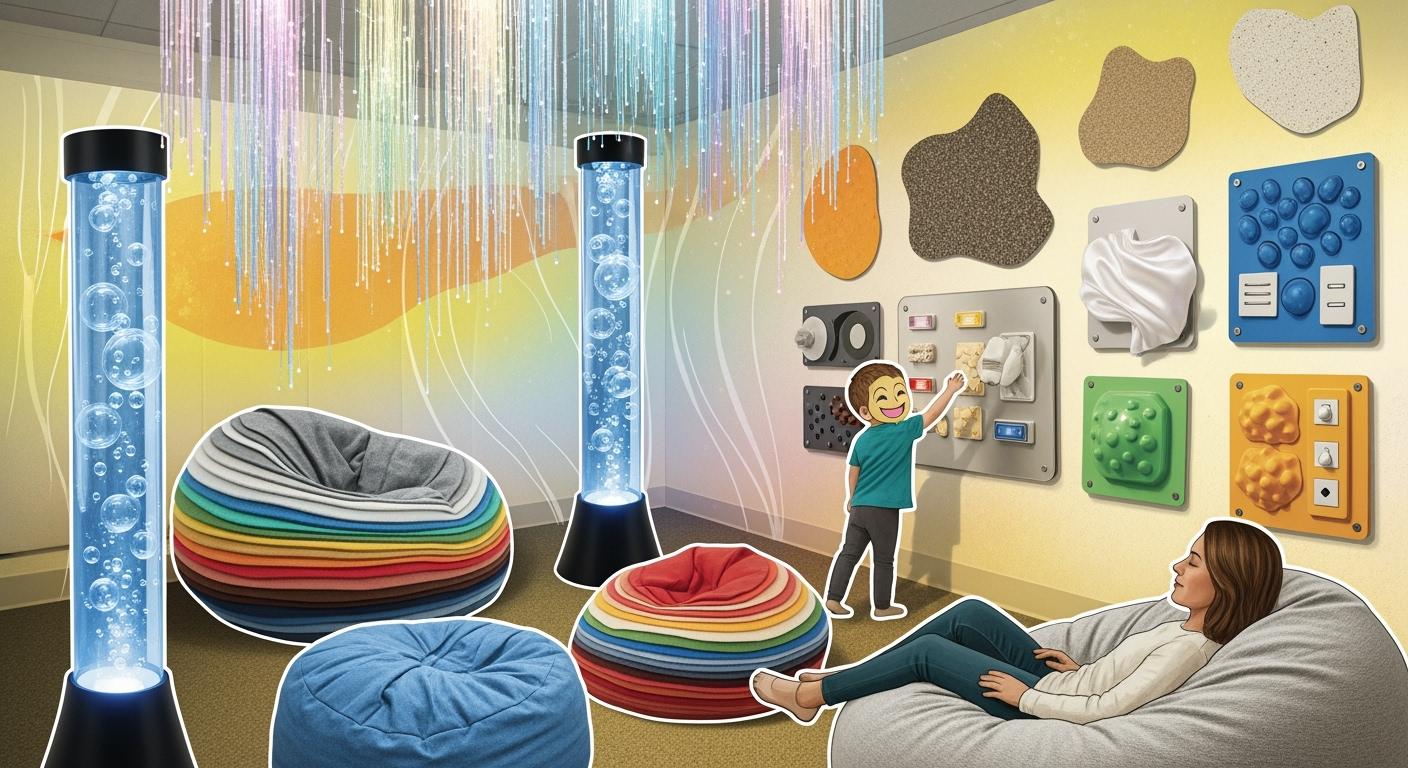
You walk into a snoezelen sensory room and see a place made for comfort and calm. There are soft lights and quiet sounds. You can use Sensory Room Item features to change your experience. A snoezelen room helps people who need more sensory support. Many people can use this space, like:
People who have learning problems
People with mental health issues
Older people who have dementia
These rooms help lower stress. They let you explore your senses. They also give emotional support.
Key Takeaways
Snoezelen sensory rooms are calm places for people. They help people explore their senses. These rooms help people with autism. They also help people with learning disabilities. People with mental health problems can use them too.
Customization is very important in these rooms. Users can change the lights. They can also change sounds and scents. This helps make a relaxing space for each person.
These rooms help people relax. They help lower stress. This can make people feel happier. It can also help people feel better emotionally.
Snoezelen rooms help in many places. They are used in schools. They are also used in hospitals. These rooms help with therapy. They make people more comfortable during medical care.
Making a snoezelen room needs planning with experts. The room should be easy for everyone to use. Sensory tools should be updated often. This keeps the room interesting for users.
Snoezelen Sensory Room Overview
What is a Snoezelen Room
A snoezelen sensory room gives you a safe and calming space where you can explore your senses. You find soft lights, gentle sounds, and objects you can touch. The room lets you control what you see, hear, and feel. This helps you relax and feel comfortable.
A snoezelen sensory room uses multisensory integration. This means it brings together sights, sounds, and textures to create one peaceful experience. You can use the room at your own pace. You decide which lights to turn on or which sounds to play. This freedom helps you feel in control and safe.
Tip: You can use a snoezelen sensory room if you want to relax, explore, or just take a break from stress.
Some sensory rooms focus on physical therapy and use swings or balance tools. A snoezelen sensory room is different. It does not use swings. It focuses on calm and gentle exploration. The main goal is to help you relax and enjoy your senses.
Origins and Philosophy
The idea of the snoezelen room started in the Netherlands in the late 1970s. Two therapists wanted to help people with disabilities feel more comfortable and connected. They created a space where people could choose what they wanted to do. This idea grew into the snoezelen sensory room you see today.
The philosophy behind a snoezelen sensory room puts you in control. You decide how to use the space. The room helps you build trust and feel safe. It also helps you learn how different sights, sounds, and touches affect your mood. This approach supports your well-being and helps you feel more confident.
A snoezelen sensory room is not just for therapy. It gives you a place to relax, explore, and connect with others. You can use it alone or with a helper. The room supports your needs and helps you feel better every time you visit.
Key Features of a Snoezelen Sensory Room

Multi-Sensory Elements
When you walk into a snoezelen room, you see many things. These things help you use your senses in different ways. Some important features in a snoezelen sensory room are:
You can change the lights. There are LED lights, bubble tubes, and fiber optics. You pick how bright or dim the room is.
Sound therapy systems play soft music or nature sounds. These sounds help you feel calm.
Tactile panels and textured surfaces are fun to touch. You can feel many different textures.
Aromatherapy diffusers make the room smell nice. Gentle scents help you relax.
Visual projections show moving pictures on walls or the floor. You can watch these images change.
Weighted blankets and cushions help you feel safe. They give comfort and make you feel secure.
Vibrating devices and massagers help your body relax. They make you feel calm.
There are comfy seats where you can sit and rest. You can enjoy the space while sitting.
Bubble tubes and water features look and sound soothing. They help you feel peaceful.
Interactive sensory boards let you use your hands and mind. You can play and learn at the same time.
All these features work together to make the room feel safe. You can use them to relax, focus, or try new things.
Interactive Wall Panels and Equipment
You will see many interactive things in a snoezelen room. Wall panels light up when you touch them. Some panels play sounds or show colors when you press buttons. These features let you pick what you want to see or hear. Interactive equipment like sensory boards and bubble tubes react when you use them. This makes the room fun and interesting.
Tip: Try out different panels and equipment. Find the ones you like most.
Customization and User Control
The main features of a snoezelen sensory room are about your choices. You can change the lights, music, and scents to fit your mood. Some people like bright colors. Others like soft lights. You might want to listen to gentle music or have quiet time. The room lets you choose. You can use what helps you feel calm and happy.
Snoezelen rooms have many sensory features. These include colored lights, soft music, things to touch, and aromatherapy. You can change these features to fit what you need. This helps you feel safe and in control. Customizing the room makes it special for everyone.
How a Snoezelen Room Works
Who Benefits from Snoezelen
You might wonder who can use a snoezelen sensory room. Many people find these rooms helpful. If you have autism, loud sounds or bright lights might bother you. A snoezelen room is a safe place to relax and use your senses. People with autism often use these rooms to calm down and feel better.
Children and adults with sensory needs also like these rooms. If you have trouble paying attention or get nervous, this room can help you feel calm. Older adults with dementia enjoy sensory-friendly spaces too. These rooms help them remember good times and feel less confused. People with learning disabilities, mental health problems, or anyone who needs a break from stress can use a snoezelen sensory room to feel peaceful.
Note: You do not need a diagnosis to use a snoezelen room. Anyone who wants a quiet and calm place can use it.
Common Activities and Therapies
You get to choose what you do in a snoezelen room. You decide how you want to use the space. Here are some things you might try:
Change the lights to fit your mood.
Listen to soft music or nature sounds.
Touch different panels or objects.
Watch moving pictures on the walls.
Use aromatherapy to smell calming scents.
Sit on soft cushions or use weighted blankets for comfort.
If you have autism, you might like to explore the room slowly. You can look at lights, listen to sounds, and touch things. The snoezelen room lets you be curious and active. You can change what you do or take a break when you want.
Therapists use snoezelen rooms for sensory integration therapy. This helps you learn how to handle different feelings and sensations. You might practice focusing, calming down, or sharing your feelings. Sensory-friendly rooms help you try new things and feel more confident.
Activity | Purpose | Who Benefits |
|---|---|---|
Light control | Helps you relax and focus | Autism, sensory needs |
Music and sounds | Makes you calm and happy | Autism, dementia |
Tactile exploration | Lets you feel new textures | Autism, learning disabilities |
Aromatherapy | Helps you feel less stressed | Mental health, autism |
Visual projections | Keeps you interested and creative | Autism, all ages |
Role of Facilitators
You might meet a facilitator in a snoezelen sensory room. This person helps you enjoy your time in the room. Facilitators know about sensory needs and how to help people with autism and other challenges. They take classes like "Success with Sensory Processing Supports." These classes teach them about sensory processing disorder and how to make rooms sensory-friendly.
Some facilitators are ACE Activity Facilitators. They plan fun and safe activities for you. They are kind and make sure you have choices. You can ask them for help or use the snoezelen room by yourself.
Tip: If you are not sure what to do, ask the facilitator to show you how to use the equipment or change the lights.
Facilitators respect your choices and what you can do. You pick how much you want to do. They make the room safe for you to explore and learn. You always stay in control of your time in the snoezelen room.
Benefits of Snoezelen Sensory Rooms

Relaxation and Stress Relief
When you spend time in a snoezelen sensory room, you get many good effects. The room feels calm and helps your body relax. Soft lights and gentle sounds make you feel safe. Many people say they feel sleepy or very relaxed after being in the room. Your heart might beat slower, which means you are calming down. People with depression or anxiety often feel better after using a snoezelen room. These rooms help you handle stress and find peace.
You feel calmer.
You worry less.
You might sleep better.
Your mood gets better.
Sensory Stimulation and Exploration
A snoezelen sensory room lets you explore your senses. You can touch different things, see bright colors, and listen to soft sounds. This helps you pay attention and learn new things. You can try new activities and find out what you like. The calm space makes it easier to talk and join in.
Study/Source | Findings | Limitations |
|---|---|---|
Haegele and Porretta (2014) | Helped with sensory processing and exploring; made people pay more attention, talk more, and want to learn. | Small group and some research problems. |
McKee et al. (2007) | People with autism acted nicer in a snoezelen room. | No control group, so long-term effects are not clear. |
Studies on dementia patients | Made people feel better right away; heart rate went down and oxygen went up. | Only short-term effects are proven. |
You can see how snoezelen sensory rooms help by watching how you react to new sights and sounds. Music therapy in these rooms can make you feel happier and think better.
Emotional and Behavioral Support
A snoezelen sensory room helps you with your feelings and actions. The calm space lets you show your feelings and feel steady. You can use sensory activities to lower stress and stop hard behaviors. These rooms help you control your emotions and get along better with others. Bright colors and fun sounds make you want to talk and connect with people around you.
Use in Medical and Therapeutic Settings
Snoezelen sensory rooms are used in hospitals, schools, and care homes. Therapists use these rooms to help people with dementia, autism, and other needs. One study in Canada showed that people with dementia had better balance after using a snoezelen room. The calm space helps with therapy and makes you feel safe during medical care. You might see better mood, behavior, and health.
Tip: You can use a snoezelen sensory room to relax, for therapy, or to learn. The calm space helps you focus and feel good.
Snoezelen sensory rooms help many people. You can use these rooms to relax, explore, and grow in a safe and calm place.
Setting Up a Snoezelen Room
Steps to Create a Snoezelen Room
You can make a snoezelen sensory room by following some easy steps. First, talk with experts like occupational therapists, teachers, and parents. They help you pick the best features for your room. Next, look at the space you have. Measure the floor and ceiling to see what fits. Plan where to put doors, windows, and sensory tools. Make sure you can walk around without bumping into things. Ask a trained occupational therapist to help with therapy in the room. When you finish, ask users and suppliers what they think. Use their ideas to make the room better.
Talk to experts and people who will use the room.
Check the space and measure it.
Plan the room so you can move easily.
Get help from trained therapists.
Ask for feedback and keep making the room better.
Tip: Start with simple things. You can add more features later when you know what works.
Tips for Different Settings
You might want to build a snoezelen room in a school, hospital, or community center. Each place needs different things. The table below can help you think about what is important.
Consideration | Description |
|---|---|
Unique Needs | Find out which sensory experiences help your users most. |
Accessibility | Make sure everyone can get in and use the room, even wheelchairs. |
Range of Experiences | Give lots of choices, like lights, sounds, and textures. |
Participation | Let users explore and play in the room. |
Safety and Comfort | Keep the room safe and cozy, not too bright or loud. |
Change sensory tools often so the room stays fun.
Never use the room to punish anyone.
Add things to see, hear, and touch.
Set clear rules for safety and comfort.
Pick good materials and control the lights and temperature.
Accessing Existing Rooms
You can find help to use or make a snoezelen sensory room. Sensory equipment suppliers, like Sensory Concepts UK LTD, give advice and rent out equipment. Let users help design the room so it works better for them. Train staff so they know how to help. Books like "The Multisensory Handbook" and "Multisensory Rooms and Environments" have good tips.
Decide why you want a sensory room before you start.
Let users help plan the room.
Save money for staff training.
Costs are different for each room. You can start with cheap things like DIY tactile boards or LED strip lights. Add more advanced tools later. Many groups use grants and funds to pay for their rooms. You can ask for help from the National Lottery Community Fund, Children in Need, local councils, Grants 4 School, Variety, Tesco Strong Starts, and Morrisons Foundation.
Note: Grants can be small or very large. Check with local charities and government programs to learn more.
When you use a Snoezelen sensory room, you get many good things. These rooms help you calm down, try new things, and feel safe. Caregivers notice people talk more, move better, and feel happier. You can make choices in the room and learn to do things by yourself. If you want to know more, you can:
Read simple guides about sensory rooms.
Ask a sensory team for help.
Set up a call to talk about what you need.
A Snoezelen room can help you grow and feel better.
FAQ
What makes a Snoezelen room different from other sensory rooms?
You control your experience in a Snoezelen room. You choose lights, sounds, and activities. The room focuses on calm and comfort. Other sensory rooms may use more active tools or therapy equipment.
Can you use a Snoezelen room by yourself?
Yes, you can use a Snoezelen room alone. You decide what to do and when to stop. If you want help, a facilitator can guide you.
How long should you stay in a Snoezelen room?
Most people stay for 20 to 40 minutes. You can leave sooner if you feel ready. You decide what feels best for you.
Do you need special training to use a Snoezelen room?
You do not need special training to enjoy the room. If you want to help others use it, you should learn about sensory needs and safety.
See Also
Understanding Sensory Toys: Their Purpose And Functionality
Exploring Sensory Rooms: Who Benefits From Them Most
Benefits of Sensory Rooms for Children on the Autism Spectrum
The Appeal of Sensory Cuddle Boxes for Children
Creating Calm: Using Lights to Enhance Sensory Room Experience
