What Is a Fidget Kit and How Does It Help with Focus and Stress Relief
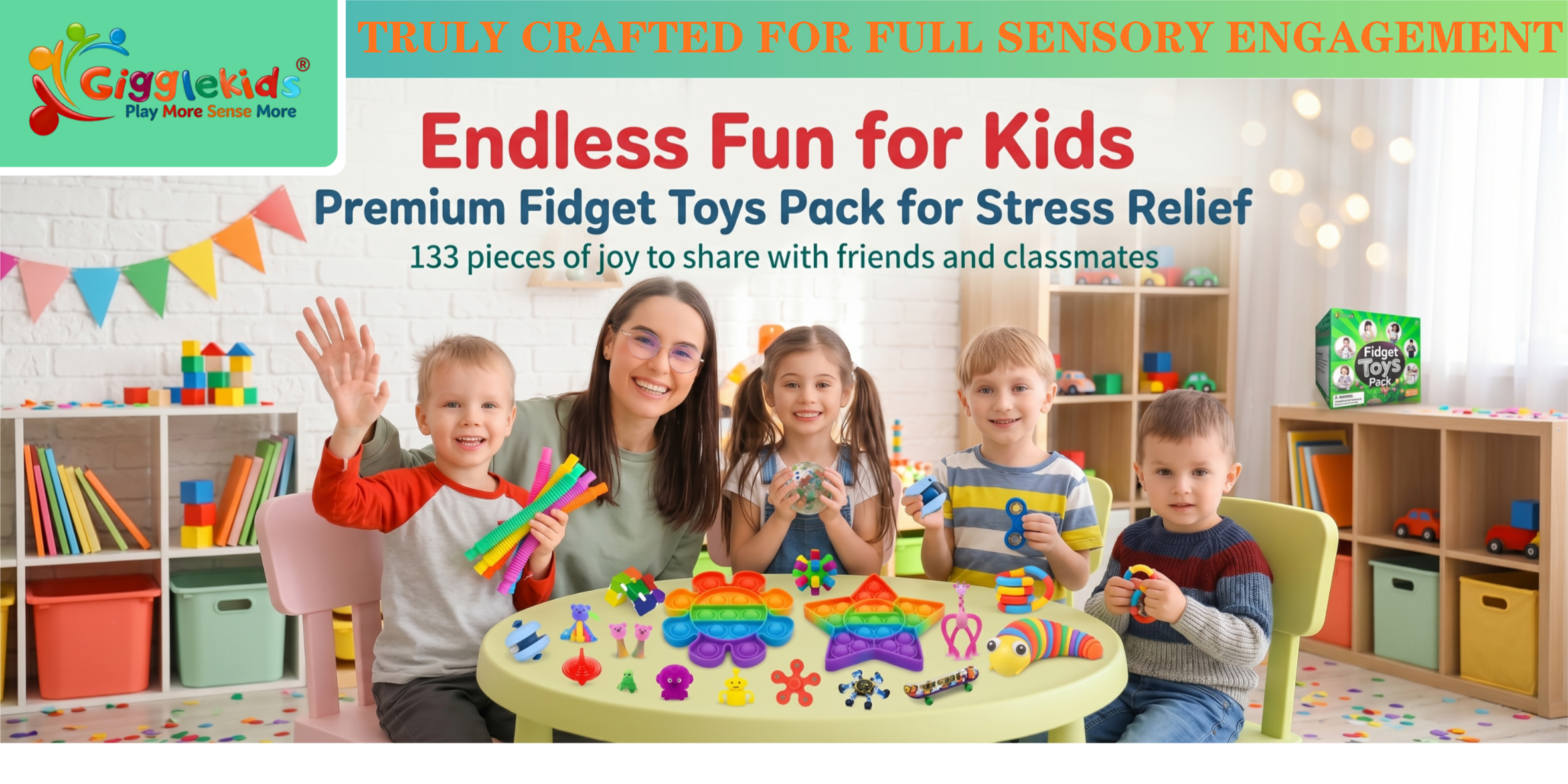
A fidget kit is an easy way to handle stress and focus. When you use fidget toys like stress balls or therapy putty, your hands stay active. This helps your mind feel more relaxed. These tools help your brain control itself, especially if you have ADHD or anxiety. Many kids, adults, and people with autism use fidget items daily. Most experts say these sensory tools help people focus and feel less stressed.
Key Takeaways
Fidget kits have small toys that keep your hands moving. These toys help lower stress and help you focus better.
Different fidget toys give you different feelings. Some are for touch, some are for sight, and some are for sound. You can pick the toy that helps you the most.
Using fidget toys can help you handle anxiety. They give your nervous energy somewhere to go. This makes you feel more in control.
Fidget kits help people of all ages. Kids use them in classrooms. Adults use them at work. They help you pay attention and stop distractions.
You can make your own fidget kit at home. Use simple things you already have. This makes it easy to find tools that fit your needs.
What Is a Fidget Kit

Fidget Kit Definition
You may ask what a fidget kit is. A fidget kit has small toys and tools. These items help keep your hands busy. They can help you feel calm and focused. Occupational therapists often suggest fidget kits for sensory needs. Kits might have tangle toys, therapy putty, smooth stones, or textured discs. Each item lets you use your senses in a new way. When you pick up a fidget toy, you can use extra energy in a good way. You can squeeze, twist, or roll these toys in your hands. Doing this helps your mind stay calm and alert.
Tip: If you feel nervous or can’t focus, try a fidget toy from your kit. You may find it helps you think more clearly and pay attention.
Common Fidget Toys Included
Fidget kits have many types of fidget toys. Some kits have gel bead shapes, Crayola Globbles, light-up balls, bumpy gel balls, and slush balls. These toys all feel different to touch. You can pick the one you like best. Some toys are soft and squishy. Others are bumpy or smooth. You might enjoy therapy putty or a cool smooth stone. Visual fidgets like glitter wands or kaleidoscopes are fun to look at and help you focus. Spinner tools make soft sounds when they spin, which can be relaxing.
Here’s a quick look at how different fidget toys stimulate your senses:
Fidget Tool Type | Sensory Input Provided | Description |
|---|---|---|
Fidget Cubes | Tactile | You can touch and move different textures and buttons. |
Fidget Putty and Slime | Tactile | You shape, stretch, and squeeze these for hand engagement. |
Stress Balls | Tactile | Squeezing helps your hands feel strong and calm. |
Spinner Tools | Auditory and Tactile | Spinning creates movement and gentle sounds. |
Tactile Fidgets | Tactile | Textured objects let you explore with your fingers. |
Discreet Fidget Tools | Tactile | Small tools fit in your pocket for quiet use anywhere. |
You can pick a fidget toy that fits your mood or needs. Squishy animals and therapy putty feel nice to touch. Glitter wands and kaleidoscopes help you focus with their looks. Spinner tools make gentle sounds that can help you relax. Using a fidget kit gives you tactile, visual, and sound experiences. This makes it easy to find the right tool for you.
How Fidget Kits Help with Focus and Stress
Sensory Regulation and Stimulation
Sometimes your mind drifts or your hands move a lot. Fidget kits help you use that energy in a good way. Using a fidget gives your brain steady sensory input. This keeps your mind awake and calm. You can squeeze a stress ball or twist a tangle toy. You can roll a smooth stone in your hand. Each action sends signals to your brain. These signals help you feel steady.
Many people with ADHD or sensory needs use fidget kits. These kits help you focus and manage your thoughts. They support working memory, flexible thinking, and self-control. Here’s how fidget kits help your brain:
Component | Description | |
|---|---|---|
Working Memory | Holds ideas while you work | Spots patterns in scattered information |
Cognitive Flexibility | Switches tasks and strategies quickly | Adapts fast to new situations |
Inhibitory Control | Blocks distractions to stay on task | Creates bursts of deep focus |
Repeating motions like spinning a fidget or squeezing putty helps you focus. These movements give your body a way to use extra energy. They also help you feel calm. Many people say wearing a bracelet or using a spinner helps them listen better. You can try different fidget toys to see which one works best.
Tip: If you feel distracted or stressed, grab a fidget. Notice how your hands and mind start to calm down.
Fidget Toys for Anxiety Relief
Stress can show up anytime during the day. You might feel your heart beat faster or your thoughts race. Fidget toys help you handle these feelings. Using a fidget gives your hands something to do. This simple action can calm your nerves. It helps you feel more in control.
Studies show fidgeting uses nervous energy and calms your senses. Fidget toys act as grounding tools. They give you a sense of control when things feel uncertain. You can use nervous energy in slow, repeated motions. This helps your body relax and your mind slow down.
Some fidget toys are great for anxiety. Tactile tools like squishy balls or textured discs use repeated motions. These motions help your brain calm itself. Weighted tools give gentle pressure and help you feel grounded. Here’s a table showing how fidget toys help with anxiety:
Type of Fidget Toy | Mechanism of Action | |
|---|---|---|
Tactile tools | Repetitive motions help the brain self-regulate | Great for anxiety, offer a physical outlet for nervousness |
Weighted tools | Added pressure gives a grounding effect | Clinically backed for anxiety relief |
Fidget toys help you manage hyperactivity and restlessness. This makes it easier to focus and feel calm, even when you feel stressed. Many people with autism, ADHD, or sensory needs use fidget kits to feel safe and steady.
Note: You don’t have to wait until you feel anxious or stressed. Try your fidget kit during quiet times, too. You might find it helps you stay balanced all day.
Who Benefits from Fidget Kits
Children and Students
Fidget kits help many kids and students in school. Teachers and parents see how fidget toys make circle time easier. Young children use classroom fidgets to stay calm and pay attention. These tools help with early writing and quiet times. Giving students fidget tools helps their focus and memory. Kids with adhd often need adhd tools to stay on task. Classroom fidgets are helpful during tests or when students feel restless.
Age Group | Benefits |
|---|---|
Self-regulation for circle time; pre-writing; quiet classroom fidgets | |
6–12 years | adhd tools for sustained attention; test-day grounding; executive function |
Teens & adults | Anxiety relief; meeting stamina; subtle grounding tools for focus |
Tip: Give classroom fidgets to your students. You might notice better focus and fewer problems.
Adults and Work Environments
Fidget kits are not just for kids. Many adults use them at work. In busy offices, you can use a fidget toy to clear your mind. People say tactile and sound feedback from fidget tools helps with stress. If you work long hours, small rollers and sliders fit in your pocket and stay quiet. Hybrid tools like fidget pens help with daily tasks. Sensory tech toys are good for people who like gadgets. Mesh tools give deep pressure and texture for calming.
Description | Ideal Use Case | Non-Ideal Use Case | |
|---|---|---|---|
Professional-grade rollers & sliders | Precision-machined, silent, pocketable. | For those who sit for long hours and need discreet motion. | For occasional fidgeters who prefer visual feedback. |
Hybrid utility tools | Dual-purpose items like fidget pens and gyro keychains. | For daily carry without adding extra items. | For those who primarily use digital note-taking. |
Sensory tech integrations | Mechanically complex, often modular toys. | For mechanical tinkering enthusiasts or those who use mechanical keyboards. | For individuals who prefer simplicity and dislike cleaning small parts. |
Therapeutic-grade MESH tools | Tools designed for pressure modulation and texture variation. | For those who respond to deep pressure or prefer biodegradable materials. | For individuals focused solely on kinetic repetition without texture needs. |
People say fidget toys help them reset and focus when stressed.
Tactile and sound feedback from fidget tools can help calm you when you feel tense.
ADHD, Autism, and Sensory Needs
If you have adhd or autism, fidget kits can really help. Therapists use classroom fidgets to work on fine motor skills and sensory goals. Calming corners with fidget toys help you control your feelings. In classrooms, these tools help you pay attention and cause fewer disruptions. You can stay involved without bothering others. Fidget kits meet many sensory needs, like touch, deep pressure, oral, visual, and sound input.
Description | |
|---|---|
Tactile | Provides textures and resistance for touch input, such as stress balls and textured surfaces. |
Proprioceptive | Includes weighted items and resistance toys that offer deep pressure for calming effects. |
Oral | Chewable tools and textured jewellery that cater to oral sensory seeking behaviors. |
Visual | Engages visual senses through colorful and dynamic designs of fidget toys. |
Auditory | Incorporates sounds or noise-making elements to satisfy auditory sensory needs. |
Note: If you have adhd or sensory needs, classroom fidgets can help you feel steady and focused.
Types of Fidget Kits and Toys
Popular Fidget Toys
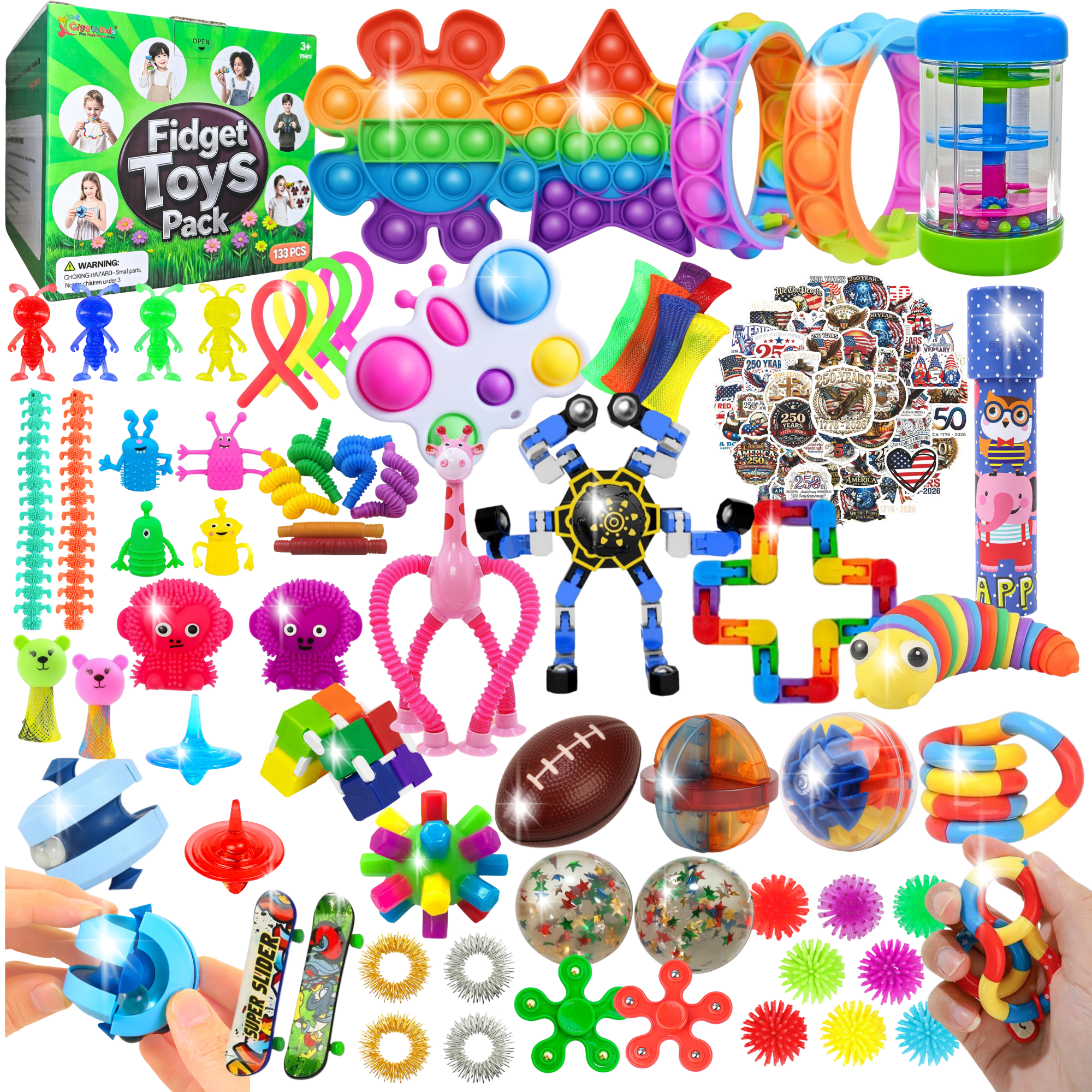
You have so many choices when it comes to fidget toys. Some are simple, while others have cool features. You might see fidget spinners everywhere. These spin between your fingers and help you focus. Stress balls are another favorite. You squeeze them when you feel nervous or need to keep your hands busy. Tangle toys twist and turn in your hands. They feel smooth and relaxing. Pop tubes make a fun sound and stretch out. You can also try fidget cubes. Each side has a button, switch, or dial to play with.
Here’s a quick table to help you compare some popular fidget toys:
Fidget Toy | What It Does | Why You Might Like It |
|---|---|---|
Fidget Spinner | Spins between your fingers | Great for focus and calm |
Stress Ball | Squeezes in your hand | Good for stress relief |
Tangle Toy | Twists and bends | Feels smooth and relaxing |
Pop Tube | Stretches and pops | Fun sound and movement |
Fidget Cube | Clicks, flips, and rolls | Lots of ways to fidget |
Tip: Try different fidget toys to see which one helps you the most. You might like to keep a few in your backpack or on your desk.
Specialized and DIY Kits
You can find fidget kits made for special needs or certain places. Some kits have fidget tools for students. These kits include quiet fidget toys that do not distract others. Teachers like these because they help you focus in class. Some fidget kits have weighted fidget toys. These give you a calm feeling with gentle pressure.
You can also make your own fidget kit at home. Use things like paper clips, rubber bands, or smooth stones. You can even make a simple fidget toy by filling a balloon with flour or rice. DIY kits let you pick what feels best for you.
Note: You do not need to spend a lot of money. Homemade fidget toys can work just as well as store-bought ones.
Fidget kits come in all shapes and sizes. You can find one that fits your needs and style. Try out different fidget toys and see what helps you focus and feel calm.
Choosing and Using a Fidget Kit
Selecting the Right Fidget Kit
Picking the best fidget kit for your needs can feel tricky. You want something that helps you focus and supports self-regulation. Here’s a simple way to choose:
Figure out what kind of sensory input you need. Do you like things you can squeeze, twist, or watch? Some people need tactile tools, others want visual or weighted items.
Match the tools to your needs. Weighted toys help with proprioceptive input. Tactile fidgets work well if you like to touch and move things.
Check the quality and design. Look for durable materials, age-appropriate items, and good value for the price.
Start with popular fidget toys. Try stress balls, tangle toys, or fidget cubes before moving on to new gadgets.
Treat your first kit as a test. Try inexpensive versions to see what works best for you.
Tip: You might need to try a few different fidget toys before you find your favorite. That’s totally normal!
Tips for Safe and Effective Use
You want your fidget kit to help you, not cause problems. Here are some easy tips for safe and smart use:
Keep small fidgets in your backpack or car for quick access.
Offer a fidget during long rides or stressful moments to reduce restlessness.
Set up a calming corner with soft, quiet fidgets. This gives you a safe space for self-regulation.
Always check the age guidance. Avoid magnetic fidgets or tiny parts if you’re younger or tend to mouth items.
Teach yourself or others how to use fidgets quietly and respectfully. Practice routines like keeping the tool below your desk and staying focused.
Rotate your fidget toys only when one stops helping. Consistency works better than novelty.
Here’s a quick look at how you can use fidget kits in daily life:
Setting | |
|---|---|
On the Go | Keep compact fidgets handy; use them during long rides for self-regulation |
In Therapy | Choose tools that build fine motor skills; let yourself pick what feels best |
Calming Corner | Use quieter fidgets; access them when you feel overwhelmed |
Classroom | Use silent fidgets during lessons; follow routines for quiet, focused use |
Note: Always check the size and seams of your fidget toys. Supervise younger kids to keep everyone safe.
Fidget kits give you a simple way to boost focus and ease stress. You can use them at school, work, or home. Kids, adults, and neurodiverse people all find value in these tools. Here’s a quick look at how fidget kits help:
Benefit | Who Benefits | How It Helps |
|---|---|---|
Focus | Students | Keeps your mind on track during class or tests |
Stress Relief | Adults | Lowers tension in meetings or after long screen time |
Anxiety Management | Adults | Calms nerves with steady, repetitive motion |
Sensory Regulation | Everyone | Grounds restless hands and minds |
You might want to try rhythmic crafts, wooden fidgets, or even doodling with an ergonomic pen. Many people also set up a “fidget zone” at home or use fidgets during travel and therapy. If you want more ideas, check out Therapro’s Fidget Kit or browse Discount School Supply for more options. Fidget kits keep growing in popularity as tools for self-care, focus, and well-being—why not see how they work for you?
FAQ
What is the main purpose of a fidget kit?
You use a fidget kit to help your hands stay busy. This helps your brain focus and keeps your attention on tasks. You can feel calm and ready to learn or work.
Can fidget kits improve attention in school?
Yes! When you use fidget toys, your attention gets stronger. Teachers see students pay better attention during lessons. You can use fidgets quietly to help your attention stay on schoolwork.
Who should use a fidget kit for attention?
Anyone who wants better attention can try a fidget kit. Kids, teens, and adults use these tools. If you have trouble keeping attention, you might find fidget toys helpful.
How do fidget toys help with attention and stress?
Fidget toys give your hands something to do. This helps your attention stay on what matters. You can feel less stressed and more focused. Many people use fidgets to boost attention and calm nerves.
Are there different fidget toys for attention?
You can pick from many fidget toys. Some help your attention with movement, others with touch or sound. Try different types to see which one helps your attention the most.
Tip: Keep your favorite fidget toy close. You can grab it when your attention starts to drift.
Fidget Toy | How It Helps Attention |
|---|---|
Stress Ball | Squeezing keeps your attention |
Spinner | Spinning boosts attention |
Tangle Toy | Twisting helps attention |

