Wedge chair cushion makes sitting easier for autistic kids
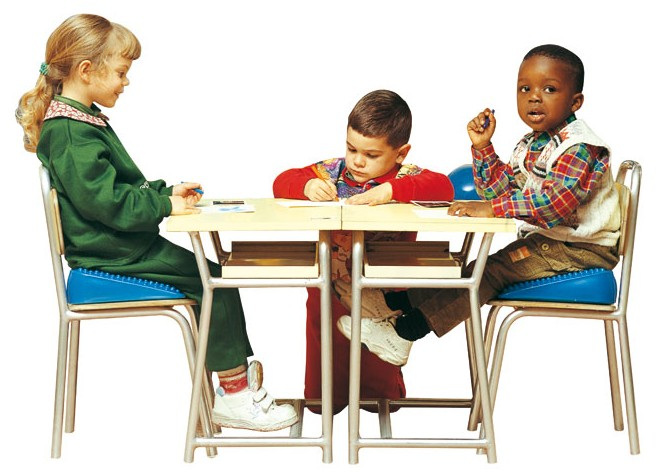
You know how hard it can be for kids to sit still, especially when they need to focus. For autistic children, sitting can feel even more challenging. A wedge chair cushion gives your child gentle support and helps correct their posture. With wiggle cushions, your child can move quietly while sitting, which brings a calming effect. These cushions meet sensory needs and help your child stay comfortable and pay attention.
Key Takeaways
Wedge chair cushions help your child sit up straight. They tilt the pelvis forward. This gives more support and helps with posture.
Wiggle cushions let kids move a little while sitting. This movement helps autistic children stay calm. It also helps them focus and join in activities.
Picking the right cushion means thinking about size and material. You should also think about what your child needs. This makes sure your child feels comfortable and supported.
Use wiggle cushions in daily routines. Try them during homework or meals. This can help your child feel better and less fidgety.
Trying out cushions for a short time can help you choose the best one. This lowers the chance of buying the wrong cushion for your child.
How wedge chair cushion works
Wedge shape and support
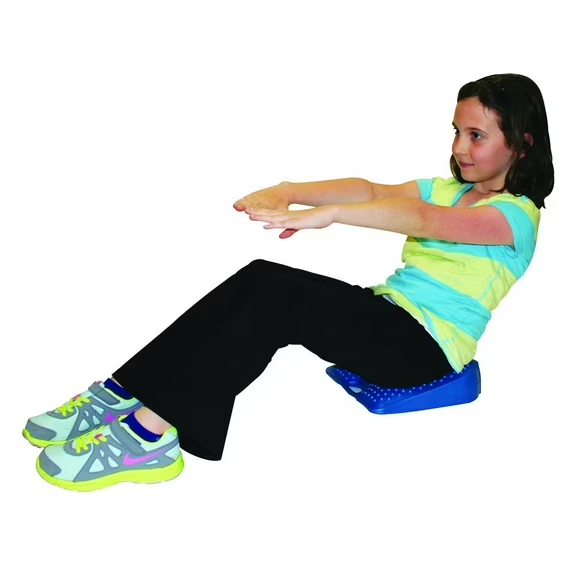
You might wonder why the shape of a wedge chair cushion matters. The sloped design tilts your child’s pelvis forward just a little. This small change helps your child sit up straighter and reduces slouching. When your child sits on a wedge, their back feels more supported. You may notice less fidgeting and more comfort during homework or mealtime.
Here’s what makes these cushions a valuable tool for your family:
Most wedge chair cushions use PVC that is phthalate-free and BPA-free. You can trust that these materials are safe for daily use.
The firmness can be adjusted. Your child can choose what feels best, which means more comfort and better support.
The surface often has a bumpy texture. This gives extra sensory input and helps your child stay calm and focused.
Sensory movement benefits
Wiggle cushions and wobble and wedge cushions do more than just support your child’s body. They let your child move quietly while sitting. This gentle movement helps your child’s brain get the sensory feedback it needs. Many occupational therapists say these cushions help kids stay calm and pay attention.
You might see these benefits:
Your child can rock or shift without leaving their seat. This helps with sensory regulation and keeps them engaged.
Kids who use wiggle cushions often join in more during class or family activities.
Choosing their own seat gives your child a sense of control and comfort.
Tip: If your child feels restless or anxious, try a wiggle cushion. It can make a big difference in their mood and focus.
Upright posture and focus
You want your child to feel comfortable and alert. Wedge chair cushions help improve posture by keeping the spine in a healthy position. When your child sits upright, they can breathe easier and pay attention longer. You may notice fewer reminders to “sit up straight” or “stop slouching.”
A wedge chair cushion supports your child’s body and mind. It helps them feel secure, which leads to better focus and less stress. Many parents and teachers find that these cushions turn sitting time into learning time.
Benefits of wiggle cushions for autistic kids
Reducing restlessness
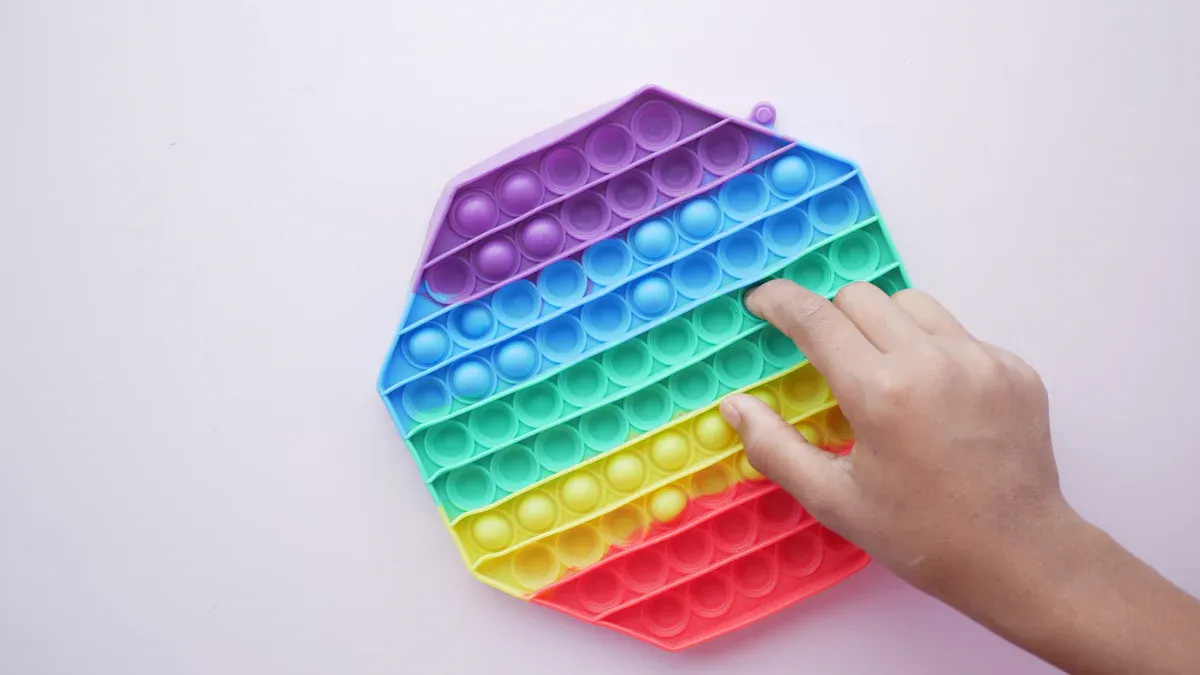
It can be tough for your child to sit still for a long time. Wiggle cushions let your child move safely while sitting. This movement helps use up extra energy and keeps your child from leaving their seat. When your child sits on a wiggle cushion, they can rock, shift, or bounce a little. These small moves help your child stay seated during class or meals.
Many parents and teachers see less fidgeting and fewer distractions. Wiggle cushions work well at school and at home. You can use them for homework, reading, or dinner. They are a helpful tool to lower restlessness and help your child feel better.
Wiggle cushions give comfort and let students move, which helps them focus and handle anxiety.
Other sensory tools, like flexible seating and calm-down spots, also help with emotions.
Improving attention
You want your child to focus and learn. Wiggle cushions can help your child pay attention by letting them move. Occupational therapists often use these cushions as part of sensory plans. These plans help children, including those with autism, focus better. When your child gets the right movement, they can listen and finish tasks.
Wiggle cushions are used in sensory plans in occupational therapy.
These plans help children, including those with autism, focus and pay attention.
Using movement tools like wiggle cushions can help with sensory needs and improve focus.
You might see your child join class or family activities more easily. Wiggle cushions and wedge chair cushions both help your child stay involved. You can use them in many places to help your child do well.
Calming sensory input
Sensory input affects how your child feels. Wiggle cushions give calming sensory input with their special design. Many have two types of textures that feel nice to touch. The gentle movement helps your child control feelings and stay calm, even when it is loud or busy.
Here’s a quick look at how wiggle cushions help with self-regulation:
Type of Sensory Input | Effect on Self-Regulation |
|---|---|
Proprioceptive input | Helps children know where their body is and how it moves, which helps use up extra energy and focus better. |
Wiggle cushions let kids move, improve motor skills, and help control feelings. They are made to give gentle movement, which helps kids focus and stay calm, especially those with autism.
You can use wobble and wedge cushions with other sensory tools to make a helpful space. Some classrooms use visual schedules, flexible seats, and calm-down spots to help kids feel safe. A good space with these tools can really help your child.
Tip: Try a wiggle cushion during stressful times, like changes or group work. You may see your child feel calmer and more in control.
Choosing wedge chair cushion
Size and material tips
You want your child to feel comfortable and safe. Start by checking the size of the wedge chair cushion. Make sure it fits your child’s chair and supports their body. If the cushion is too big or too small, your child may not get the right support. Look for cushions made from durable materials. Many families choose antimicrobial options because they are easy to clean and help prevent germs. Some sensory seat pads have textured surfaces that give extra sensory input. You can pick a cushion with firmness that matches your child’s comfort level.
Tip: Try different materials and textures. Some kids like smooth surfaces, while others prefer bumps or ridges.
Matching cushion to needs
Every child is unique. You need to think about the individual needs of the child. If your child has sensory processing disorders, wiggle cushions can be a valuable tool. These cushions let your child move quietly and help them stay calm. Some kids need more movement, while others need extra support. You can choose a cushion with adjustable firmness or special textures. Ask your child what feels best. You might notice that certain cushions help your child focus better or feel less anxious.
Wiggle cushions work well for kids who need gentle movement.
Wedge chair cushions help with posture and support.
Sensory seat pads offer calming input for children who need extra comfort.
Testing and selection
You want to find the right cushion without wasting money. Many manufacturers offer trial periods or return policies. This lets you test the cushion at home or school. You can see if it fits your child’s needs and works in real-life situations. If the cushion does not help, you can return it and try another option. This reduces the risk of buying something that does not work for your child.
Key Point | Description |
|---|---|
You can test products in real-life situations to ensure suitability. | |
Unique Needs Consideration | You can evaluate products for sensory and behavioral compatibility. |
Financial Commitment | Trial periods reduce the risk of investing in unsuitable high-cost items. |
Note: Always check the return policy before you buy. You want to make sure you can exchange or return the cushion if it does not meet your child’s needs.
Using wobble and wedge cushions
Setup and placement
You want your child to get the most out of their seat cushion. Start by placing the wedge cushion on a sturdy chair with a flat seat. Make sure the sloped side faces forward. This helps your child’s hips tilt just right. When you set up the cushion this way, your child sits taller and feels more balanced.
Proper placement gives your child better postural stability.
The cushion supports sensory processing, which helps with motor skills.
Good setup means your child can sit longer without feeling tired.
Wobble cushions work best when you center them on the chair. Remind your child to keep their feet flat on the floor. This setup helps children with adhd and those with autism feel secure and ready to learn.
Tip: Try the cushion at the table where your child does homework or eats. You can also use it in the car or at a desk.
Daily routine integration
You can make wiggle cushions part of your child’s daily routine. Use them during homework, meals, or reading time. Many teachers use these cushions in the classroom for group work or quiet reading. At home, you might add the cushion to your child’s favorite chair.
Start with short periods, like 10–15 minutes.
Watch how your child reacts. If they seem comfortable, let them use it longer.
Clean the cushion often to keep it fresh.
Wiggle cushions help your child stay calm and focused during busy times. You can even bring one to family events or outings.
Encouraging consistent use
Kids do best when they know what to expect. Make wiggle cushions a regular part of your child’s day. Give your child choices about when to use the cushion. Praise them for using it during homework or meals.
You might hear from other parents that their child sits longer and fidgets less with a cushion. One mom shared, “My son used to leave the table every few minutes. Now, with his wiggle cushion, he stays for the whole meal.”
Note: If your child forgets to use the cushion, gently remind them. Over time, it will become a helpful habit.
Wedge chair cushions, wiggle cushions, and wobble cushions can make sitting much easier for your autistic child. You give your child comfort, better posture, and calming sensory input with these tools.
Your child can focus longer and feel less restless.
You can use these cushions at home or school.
Try a cushion and see how your child responds. Share your story with other parents. You might help someone else!
FAQ
How do I clean a wedge or wiggle cushion?
You can wipe most cushions with a damp cloth and mild soap. Some covers are machine washable. Always check the label for cleaning instructions. Keeping the cushion clean helps your child stay healthy.
Can my child use the cushion all day?
Start with short periods, like 15–20 minutes. Watch how your child reacts. If they seem comfortable, you can increase the time. Some kids use them for longer, but breaks help prevent fatigue.
Will the cushion fit any chair?
Most wedge and wiggle cushions fit standard chairs. Measure your chair before buying. If you have a special chair, look for adjustable or flexible cushions.
Tip: Bring your cushion when you shop for chairs to check the fit!
Are these cushions only for school?
No, you can use them at home, in the car, or anywhere your child sits. Many families use them during meals, homework, or travel. You can help your child feel comfortable in many places.
See Also
Weighted Blankets That Help Reduce Anxiety In Autism
Selecting The Ideal Sensory Chair For Your Child
Benefits Of A Sensory Room For Kids With Autism
Innovative Sensory Board Concepts To Delight Autistic Children
