Top Tips for Choosing the Best Compression Vest for Autism

Choosing the right compression vest for your child is important. It can help your child feel more comfortable every day. A Sensory Compression Vest gives deep pressure input. This can help your child focus better and feel calm. Some studies say it may help kids pay attention. It might also lower unwanted behaviors. But results are not always the same for everyone. Always make sure the vest fits well and is safe to use. Ask professionals if you have questions about compression vest autism needs. Brands like Leemoland have good choices for families and teachers.
Key Takeaways
Pick a compression vest that is snug but not too tight. The right fit helps your child feel good and gives the right pressure.
Choose soft and breathable materials like cotton or bamboo. These materials help stop skin irritation and keep your child comfy.
Find a vest with adjustable parts. You can change the fit as your child grows or if their needs change.
Talk to an occupational therapist to learn about your child's sensory needs. This helps you use the vest safely.
Watch how your child feels and acts when wearing the vest. Change how they use it based on what works best for them.
Compression Vest Autism: How It Works
Deep Pressure and Sensory Benefits
If your child has sensory needs, you may hear about compression vest autism options. These vests give gentle and steady pressure to the body. The deep pressure feels like a warm hug. It can help your child feel safe and calm in busy or loud places.
Many kids with autism have trouble with too much noise or activity. A compression vest autism tool helps manage these feelings. When your child wears one, several things happen:
Deep pressure helps calm the nervous system. This can lower stress and help your child relax.
The steady pressure gives the same feeling each time. This makes it easier for your child to handle loud sounds or bright lights.
Pressure touch can help the brain make serotonin and dopamine. These chemicals help with mood and emotions.
Deep pressure can lower anxiety and help your child feel more in control.
You may see your child feel less worried and more focused when using a compression vest autism solution. Many families and teachers pick brands like Leemoland for good sensory input tool choices.
Proprioceptive Feedback and Focus
A compression vest autism product does more than just help nerves. It also gives proprioceptive feedback. This means your child’s body knows where it is in space. That feedback helps with movement and balance.
Here is how this helps your child:
The vest helps calm the nervous system. This makes it easier to pay attention.
Proprioceptive routines can help motor skills and lower anxiety.
Many kids focus better and have fewer unwanted behaviors when they use a compression vest autism solution.
If you want a good way to help your child’s sensory needs, try a trusted brand like Leemoland. Their products are made to help children with autism feel comfortable and ready to learn.
Key Features of a Compression Vest
Proper Fit and Snugness
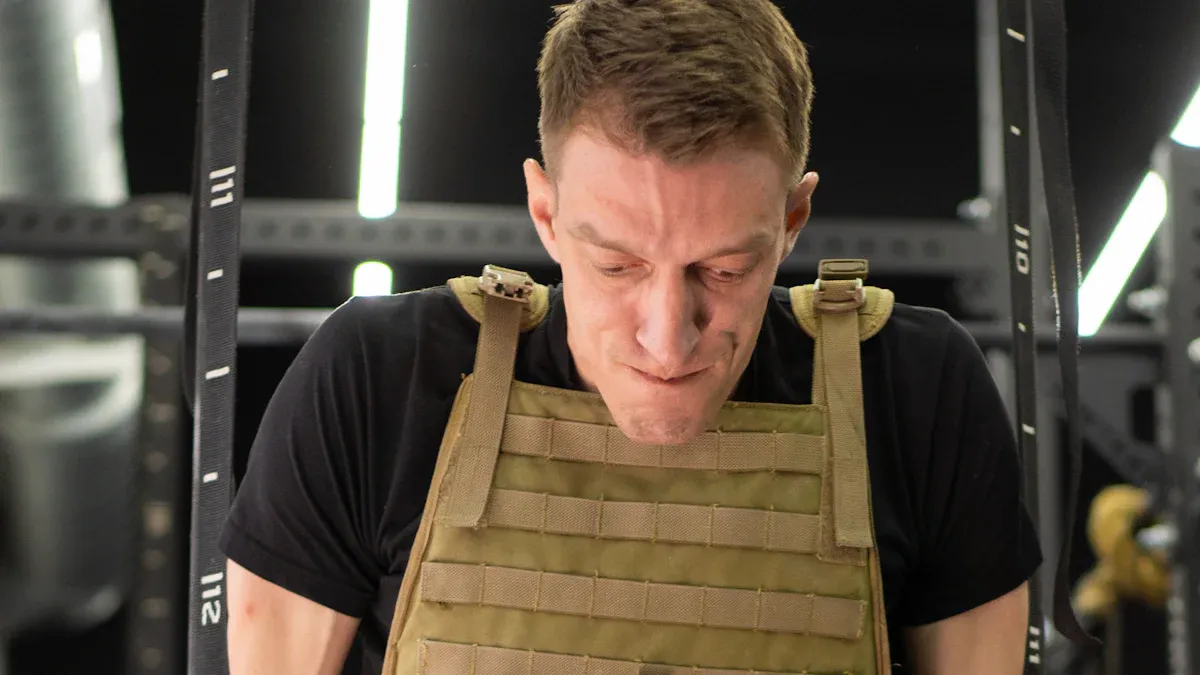
When you pick a compression vest for autism, the fit is very important. The vest should feel snug, like a soft hug, but not too tight. If the vest squeezes too much, your child might not want to wear it. If it is too loose, it will not give the calming pressure your child needs. Occupational therapists say the vest works best when it covers the right spots and does not press on places that do not need help. You can ask a professional to measure your child for the best fit. This helps the vest give body awareness and send calming signals to the brain. Leemoland makes vests in many sizes with adjustable parts, so you can find one that fits your child well.
Tip: Always watch how your child acts with a new compression vest. Some kids need time to get used to it. If your child does not like it, try another size or style.
Material and Breathability
The fabric of a compression vest matters a lot for kids with sensory needs. You want the vest to be soft and let air through, so your child stays comfy all day. Many parents pick vests made from cotton, bamboo, or modal. These fabrics let skin breathe and stop irritation. Organic cotton, bamboo, modal, and soft jersey knits are better than rough or scratchy fabrics. If your child has sensitive skin, these soft fabrics can help them wear the vest without itching or sweating. Leemoland uses stretchy, high-quality materials in their vests to help every child feel good and supported.
Soft, airy fabrics like cotton, bamboo, or modal help stop skin irritation.
Organic cotton and soft jersey knits are usually more comfy than rough or fake fabrics.
Adjustability and Comfort
You want a vest that is easy to adjust. Kids grow fast, and their needs can change. Adjustable straps or closures let you change the fit when you need to. This keeps the pressure even and smooth on the body. When you can change the vest, your child gets calm without feeling squeezed. Here is why being able to adjust the vest is important:
Feature | Description |
|---|---|
Adjustability | Lets you change the fit for smooth, even pressure on the body. |
Gentle pressure helps the sensory system and helps your child focus. | |
Comfort | Light and easy to wear under clothes for extra comfort. |
Leemoland’s vests have adjustable parts, so you can make small changes for the best fit. This means your child can wear the vest under regular clothes and still feel good.
Safety and Daily Wear
Safety is always important when you choose a vest for your child. Make sure the vest is safe and made for kids. Some vests, like the RideSafer travel vest, meet crash test rules and safety standards. Always check for safety labels and age guides. You should also follow the care steps to keep the vest safe and strong. Check the vest often for loose threads, holes, or stretching. Wash it gently with mild soap and let it air dry to keep its shape. Store it in a cool, dry place and do not fold it sharply.
Follow the maker’s care steps.
Check for damage before each use.
Wash gently with mild soap.
Air dry to stop shrinking.
Store in a cool, dry spot.
Leemoland cares about safety in every vest. Their vests go through many checks, so you can trust them for daily use. The brand also wants every child to find a vest that fits their needs and style.
Note: If you have questions about safety or fit, ask a professional or the brand’s customer service. Leemoland’s team is ready to help families and teachers find the best vest for children with autism.
Weighted Vests vs. Compression Vests

Differences in Sensory Input
You may wonder how weighted vests and compression vests help. Both can support kids with autism, but they work in different ways. Weighted vests use gentle pressure from extra weight. This gives your child proprioceptive input. That means their body gets signals about movement and position. Compression vests give steady pressure without any added weight. The feeling is more like a hug.
Here’s a simple table to show the differences:
Vest Type | Sensory Input Description | Benefits |
|---|---|---|
Weighted Vests | Apply gentle pressure through added weight, providing proprioceptive input. | Help calm an overstimulated nervous system, improve focus and attention, increase body awareness. |
Compression Vests | Offer consistent pressure without added weight, creating a hug-like sensation. | Provide calming sensory input and support body awareness. |
Weighted vests can help your child feel grounded and aware of their body. You might see better focus and less fidgeting. Compression vests give a calming effect. This can help your child relax in busy places.
When to Choose Each Type
Choosing between a weighted vest and a compression vest depends on your child’s needs. If your child likes deep pressure and enjoys the feeling of weight, weighted vests might be best. These vests are good for kids who need extra help with body awareness. They also help kids who get overstimulated easily. You can use weighted vests during activities that need focus, like schoolwork or therapy.
Compression vests are good for kids who want gentle, hug-like pressure. If your child feels anxious or needs help calming down, a compression vest can help. You might pick a compression vest for daily wear. This is helpful if your child does not like heavy feelings.
Tip: Try both types for short times and watch your child. Some kids like weighted vests for some tasks and compression vests for others.
You can talk to an occupational therapist to find out which vest is best for your child. Remember, every child is different. Weighted vests and compression vests both have special benefits. You might even use both at different times.
Individual Sensory Needs
Sensory Preferences and Triggers
You know your child best. Every child with autism has unique sensory preferences. Some kids love soft hugs. Others want light pressure. You might notice your child reacts to certain fabrics or seams. Maybe they pull at tags or refuse scratchy shirts. Picking the right compression vest means you pay attention to these details.
Here are some features you should look for:
Soft, breathable, and seamless fabrics help your child stay comfortable.
Lightweight materials, like nylon spandex, wick away moisture and keep skin cool.
Adaptive garments support emotional regulation by reducing sensory discomfort.
If your child gets upset by rough textures, you should choose a vest with smooth seams. Some kids feel calm with gentle pressure. Others need more support. You can try different styles until you find one that works. Weighted vests come in many designs, so you have options. You might see your child relax more when the vest matches their sensory needs.
Tip: Watch for triggers like loud sounds or busy places. If your child gets anxious, a compression vest or weighted vests can help them feel safe.
Customizing Compression Levels
You want your child to feel good in their vest. Customizing compression levels makes a big difference. Some kids need a snug fit. Others prefer a lighter touch. Adjustable straps let you change the pressure. You can tighten or loosen the vest as needed. Weighted vests also offer flexibility. You can add or remove weights to match your child’s comfort.
Try these steps to find the best fit:
Start with short wear times. Let your child get used to the vest.
Adjust the compression level slowly. Watch how your child responds.
Use weighted vests for activities that need focus, like homework or therapy.
Check for signs of comfort or discomfort. If your child seems happy, you found the right level.
Weighted vests and compression vests both support emotional regulation. You might use one for calming and the other for focus. Some families switch between weighted vests and compression vests during the day. You can talk to your child’s therapist for more ideas. Remember, your child’s sensory needs may change as they grow. Keep checking and adjusting the vest to make sure it still works.
Consulting Professionals for Compression Vest Autism
Occupational Therapist Guidance
You want the best for your child. When you think about using compression vests or weighted vests, you should talk to an occupational therapist first. These experts know a lot about sensory processing challenges. They can help you figure out what your child needs. You might wonder, “Why do I need an occupational therapist?” Here’s why:
Occupational therapists understand how compression vests and weighted vests work.
They can watch your child and see how they react to different types of pressure.
You get advice on which vest fits your child’s body and sensory needs.
Therapists can show you how to use weighted vests and compression vests safely.
You might notice your child feels calmer with a compression vest. Sometimes, weighted vests help your child focus better in school. An occupational therapist can help you decide when to use each one. You can ask questions like, “How long should my child wear the vest?” or “Is it okay to use weighted vests during homework?” Therapists give you answers based on your child’s age, size, and comfort level.
Tip: Always ask your occupational therapist before you start using weighted vests or compression vests. They can help you avoid problems and make sure your child gets the most benefit.
Health Considerations and Assessments
Before you buy a compression vest or weighted vests, you should think about your child’s health. Some kids have medical conditions that make pressure or weight unsafe. You want to keep your child safe and comfortable. Here are some things to check:
Health Check | Why It Matters | What You Should Do |
|---|---|---|
Skin Sensitivity | Some kids get rashes or itch from certain fabrics. | Pick soft, breathable materials. |
Breathing Issues | Tight vests can make it hard to breathe. | Make sure the vest is not too tight. |
Heart Conditions | Extra pressure or weight may not be safe. | Ask your doctor before using vests. |
Movement Limitations | Weighted vests can affect how your child moves. | Watch your child while they wear it. |
You should talk to your child’s doctor before you use weighted vests or compression vests. Doctors can check for health risks. They might say, “Try the vest for short periods first.” You can watch your child and see how they feel. If your child looks uncomfortable or has trouble breathing, take the vest off right away.
Some kids with sensory processing challenges need extra help. You can work with your occupational therapist and doctor to make a plan. They might suggest using weighted vests during certain activities. You can keep a journal and write down how your child acts when wearing the vest. This helps you and your therapist see what works best.
Note: Health checks are important. You want your child to feel safe and happy. Always listen to your child and watch for signs of discomfort.
You might find that weighted vests help your child during stressful times. Sometimes, compression vests work better for calming. You can switch between weighted vests and compression vests based on your child’s needs. Occupational therapists and doctors help you make smart choices. You get peace of mind knowing you’re doing what’s best for your child.
If you ever feel unsure, reach out to a professional. You can ask, “Is it okay to use weighted vests every day?” or “How do I know if my child needs a break?” Professionals give you clear answers. You can trust their advice and keep your child safe.
Trying and Monitoring Compression Vests
Trial Periods and Gradual Introduction
You want your child to feel comfortable with a new compression vest. Start slow and let them get used to the feeling. Most experts suggest short trial periods at first. You can use the vest during learning tasks or sensory breaks. Here’s a quick guide to help you decide how long your child should wear the vest:
Duration | Context |
|---|---|
15-30 minutes | Limited use during active learning tasks. |
15-20 minutes | Worn during classroom work or sensory breaks. |
15-30 minutes | Ensures comfort and safety for the child. |
Try the vest for 15 to 30 minutes. Watch your child closely. If they seem happy, you can slowly increase the time. Some kids need more time to adjust. Others may love the vest right away. You know your child best, so trust your instincts.
Tip: Let your child help pick when to wear the vest. This gives them control and helps them feel safe.
Observing Comfort and Effectiveness
You want to make sure the vest works for your child. Pay attention to how they act when wearing it. Look for signs of comfort, calm, and focus. Many parents say compression vests help their children feel less anxious. The gentle squeeze sends soothing signals to the brain. This can help your child stay calm during daily routines.
Compression vests provide calming sensory input, which can help reduce anxiety for children with autism.
The gentle squeeze from the vest sends soothing signals to the brain, promoting the release of feel-good hormones like dopamine and serotonin.
These vests help prevent children from entering a fight, flight, or freeze response, allowing them to remain calm during daily activities.
If you notice your child fidgeting less or smiling more, the vest may be helping. Keep a simple journal. Write down how your child feels and acts each day. Share these notes with your therapist or teacher. You can adjust the vest or try new routines based on what you see.
Note: Every child is different. Keep watching and listening. You can always change the plan to fit your child’s needs.
Choosing Trusted Brands Like Leemoland
Quality and Value for Families
When you shop for a compression vest, you want something that feels good and lasts. Trusted brands like Leemoland focus on quality and comfort. Their autism pressure vest gives your child a sense of security with deep pressure. Soft, breathable materials keep your child comfortable all day. You can adjust the elastic band for just the right amount of pressure, which helps manage anxiety and improve focus.
You might wonder what makes a vest high-quality. Here are some things to look for:
Breathable fabrics like cotton-spandex blends.
Adjustable straps for a custom fit.
Easy-to-use closures, such as zippers or Velcro.
Machine-washable outer shell for easy cleaning.
Strong stitching for durability.
You should also think about how long the vest will last. Most compression vests work best for three to six months, so regular checks help you know when it’s time for a new one. If you want to get the most value, look for vests that are easy to wash and keep their shape.
Here’s a quick look at price ranges for compression vests:
Price Tier | Cost Range | Features Description |
|---|---|---|
Budget | $30–$60 | Basic models, limited sizing, synthetic fabrics. |
Mid-Range | $60–$120 | Adjustable weights, better materials, improved comfort. |
Premium | $120–$200+ | Advanced breathability, modular weights, discreet design. |
Support for Autism and Learning Challenges
Leemoland does more than just make vests. You get a wide range of sensory toys and tools that help children with autism and other learning challenges. These products support your child’s growth and happiness.
Here’s how Leemoland’s toys help:
Type of Toy | Purpose |
|---|---|
Visual Toys | Teach colors, shapes, and movement. |
Tactile Toys | Let kids explore different textures. |
Auditory Toys | Build listening skills and love for music. |
Motor Skill Toys | Boost balance and strength through play. |
Calming Toys | Help kids relax and focus, lowering anxiety. |
Oral Toys | Offer safe options for kids who like to chew. |
Choosing a trusted brand like Leemoland means you get products designed for comfort, safety, and real support. You can feel confident that your child is getting the best tools for their sensory needs.
When you want to pick the right vest, think about what your child needs most. Here are some easy tips:
Choose materials that stretch and last a long time. This helps your child feel comfy and move easily.
Notice what your child likes or does not like about how things feel.
Talk to an occupational therapist if you need help.
Watch your child when they wear the vest. Write down any changes you see in how they act or feel. Check with experts often so you can change the plan as your child gets older.
Long-term Impact | Notes |
|---|---|
Not much is known | We need more studies to see if it helps for a long time. |
More research | Keep checking to see how your child is doing. |
Brands like Leemoland make good vests for sensory support. You know your child best, so keep watching and make changes if you need to.
FAQ
How long should my child wear a compression vest each day?
Start with 15–30 minutes at a time. Watch how your child feels. You can slowly increase the time if they seem comfortable. Always check with your occupational therapist for the best schedule.
Can my child wear a compression vest under regular clothes?
Yes! Most compression vests fit easily under shirts or sweaters. Your child can wear them at school or home. Look for soft, breathable materials for extra comfort.
How do I know if the vest fits correctly?
The vest should feel snug, like a gentle hug. It should not squeeze or leave marks. If your child seems uncomfortable or pulls at the vest, try adjusting the straps or choose another size.
Do compression vests work for all children with autism?
Every child is unique. Some children love the calming pressure. Others may not like the feeling. You may need to try different styles or talk to your therapist for advice.
How do I clean and care for a compression vest?
Check the care label first. Most vests need gentle washing with mild soap. Air dry to keep the shape. Avoid harsh chemicals or hot dryers.
See Also
Choosing The Ideal Weighted Vest For Sensory Comfort
Exploring Support Solutions For Autism Sensory Overload
Essential Advice For Selecting A Sensory Swing For Kids
