Top Occupational Therapy Playroom Ideas for 2026
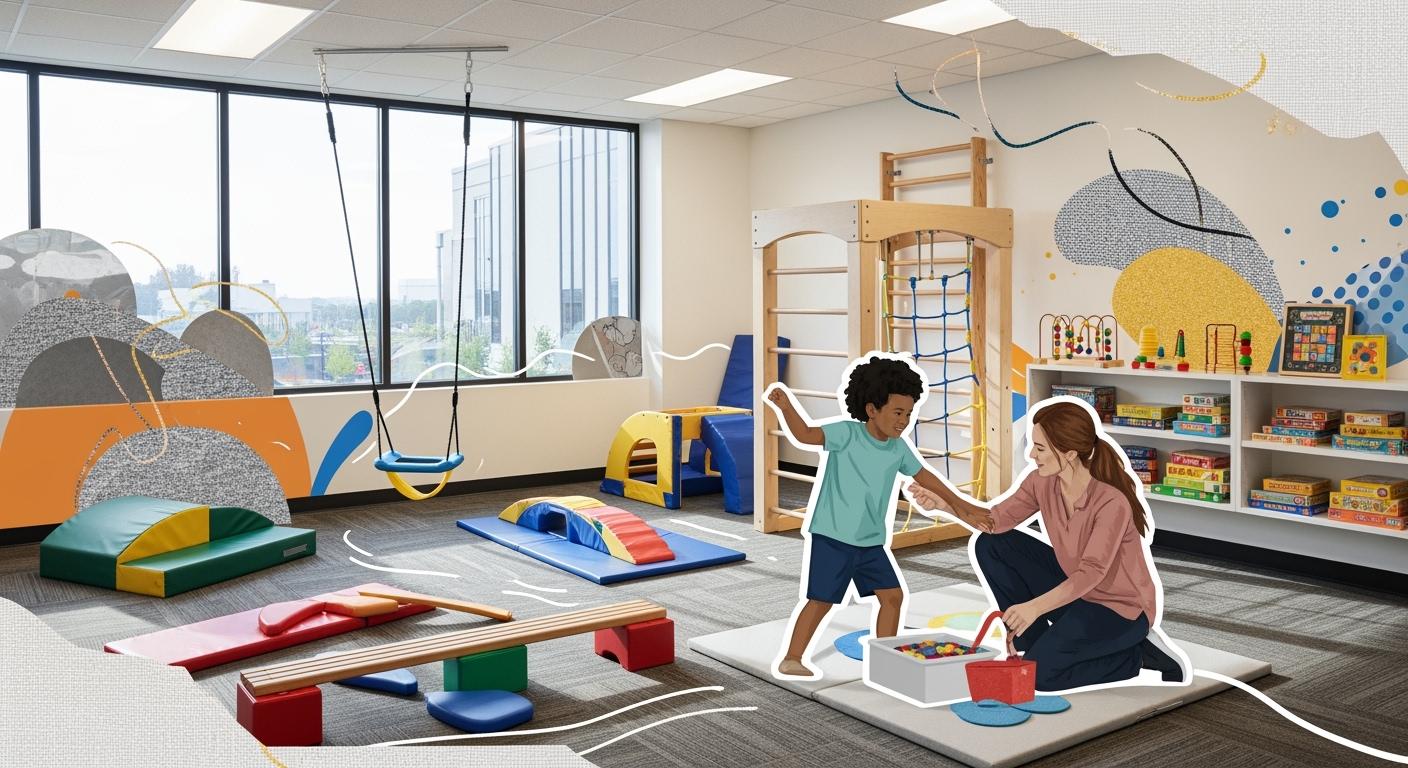
You want a therapy playroom that stands out and helps kids explore their senses. Studies show therapy play helps kids grow emotionally, heal, and use their senses better. More than 74% of autistic children have trouble with their senses, so therapy play helps them focus, explore, and play. Sensory toys help kids pay attention and make therapy better.
Key Takeaways
Make a safe and welcoming therapy playroom with sensory spaces. Add calm spots and sensory toys to help kids handle their feelings. These spaces also help kids focus better. - Add movement zones with climbing walls and balance tools. These things help kids get stronger and move better. They also help kids feel more confident. - Use tactile sensory toys like Play-Doh and slime. These toys help kids use their small muscles and be creative. Kids can also explore with their hands.
Therapy Playroom Essentials
Purpose-Built Sensory Spaces
You want a therapy playroom that feels safe and friendly. These special sensory spaces help kids use their senses in a natural way. When you add sensory toys and tools, kids can move and use their senses. These rooms usually have a calm-down area with soft things and relaxing pictures. You can put in sensory toys like weighted blankets, textured mats, and toys for movement. Sensory rooms help kids learn to calm down and handle their feelings. After being in a sensory room, kids can focus better and have fewer meltdowns. Teachers see that these spaces help kids join in class more. You can use sensory toys every day to help kids use their senses.
Tip: Put sensory toys in different spots. This makes it easy for kids to find what they need.
Emotional Growth and Healing Focus
Play is how kids talk and share feelings. Using sensory toys in therapy helps kids deal with feelings, hard times, and worry. Play therapy helps the brain heal and supports feelings. Sensory toys make brain connections stronger, so it is easier to handle feelings. You can make a space where kids feel safe and cared for. The bond between the child and therapist helps kids feel better. This helps kids heal from hard things and become stronger. Kids do best with feelings in a safe, flexible playroom. You can use sensory toys to help kids grow and handle feelings. How you set up the playroom matters for healing and using senses.
Note: Pick sensory toys that fit each child. Change the playroom to help with feelings and using senses.
Essential Components | How They Help |
|---|---|
Help with using senses and handling feelings | |
Movement toys | Help kids use their senses and move |
Calm-down zone | Helps kids calm down and feel better |
Sensory Play and Movement Zones
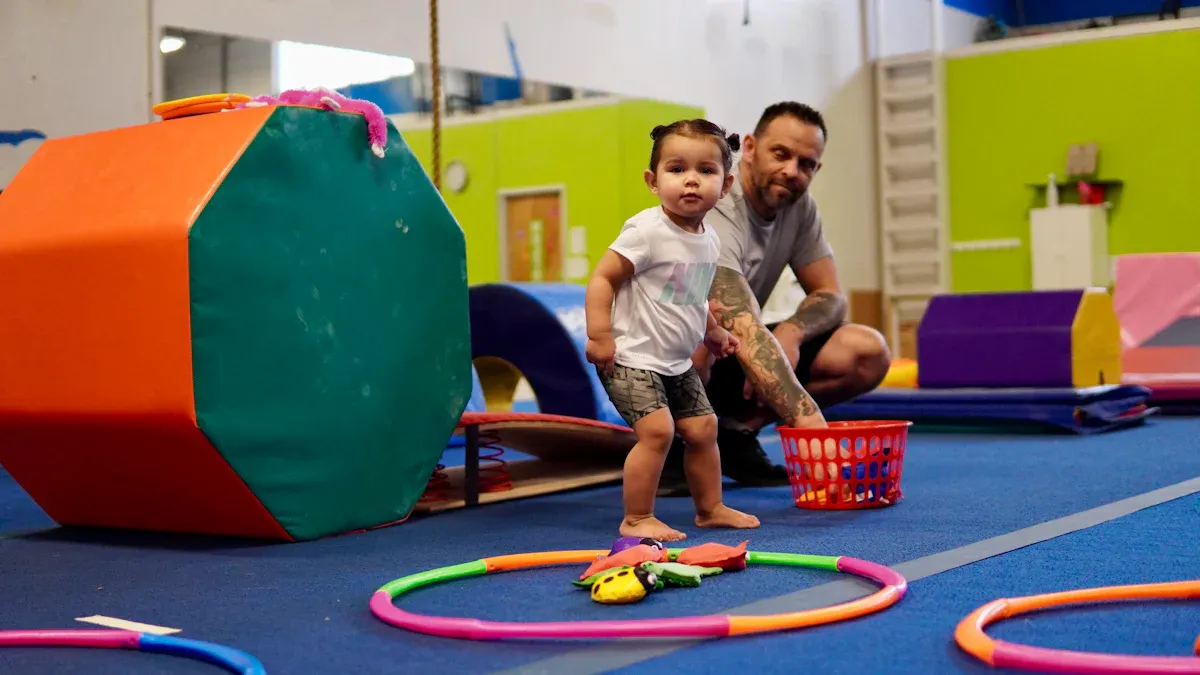
Making a therapy playroom with sensory play and movement zones helps kids explore and move. These zones use different toys and equipment to help kids with their senses and bodies. When you set up the room, make sure every child feels safe and included. A good setup lets kids go from quiet spots to active ones. Kids can pick what feels best for them.
Here’s a quick look at some of the best sensory play and movement zone layouts:
Layout Feature | Description |
|---|---|
Zoned layouts | Start in quiet huts and move to spinners for more action. Kids can join in slowly. |
Calming retreats | Shaded seats let kids take breaks without leaving the room. |
Multi-sensory features | Textured paths and music panels give choices without being too much. |
Clear sightlines and wayfinding | Pictures help kids know what comes next and feel less worried. |
Inclusive equipment | Swings and wheelchair-friendly toys help all kids play with confidence. |
Climbing Walls and Stepping Stones
Climbing walls and stepping stones add fun and challenge to play. These toys help kids get stronger and feel braver. Climbing walls make kids grip, pull, and stretch. This helps their hands, arms, and upper bodies. Stepping stones help kids balance and know where their bodies are. Jumping from stone to stone helps kids move better and learn about space.
Stepping stones help kids move with control and learn about space.
A good therapy room always thinks about safety. Make sure climbing walls and stepping stones fit each child. Soft mats under these toys keep kids safe. You can use magnetic tiles on the wall or floor to make new paths. This makes play even more fun.
Tip: Let kids help set up the climbing wall or stepping stones. This gives them control and makes play more fun.
Swings, Hammocks, and Balance Tools
Swings, hammocks, and balance tools are favorite toys in therapy rooms. These toys let kids move in different ways. Sensory swings and hammocks help kids learn about their bodies. Swinging teaches kids how to balance and stay steady. The gentle swinging can calm kids or wake them up, depending on what they need.
Balance tools, like wobble boards or balance beams, help kids stand, walk, and shift their weight. These toys make play active and fun. You can use them to help kids who need extra help with balance or want a challenge.
Note: Always check that swings and hammocks are safe before kids use them. Safety is most important in every playroom.
Obstacle Courses for Gross Motor Play
Obstacle courses make play feel like an adventure. You can use toys like tunnels, cones, stepping stones, and balance beams to make a path. Obstacle courses help kids get stronger, move better, and balance. Each part of the course lets kids try new ways to move.
Therapists use obstacle courses to help kids with big movements. These courses help kids use large muscles and control their bodies. You can change the course for each child, so play is fun and just right for them. Kids love the challenge, and you can see them get stronger and more confident each time.
Obstacle courses help kids build muscle, move better, and balance.
Fun activities in the course help kids use big muscles.
Try This: Use magnetic tiles to show the start and finish lines. Add music panels or textured mats for more sensory fun.
When you make sensory play and movement zones, you give kids what they need to explore and grow. Good toys and smart setups make every playroom a place for learning and fun.
Tactile Sensory Toys and Activities
Playdoh, Slime, and Texture Bins
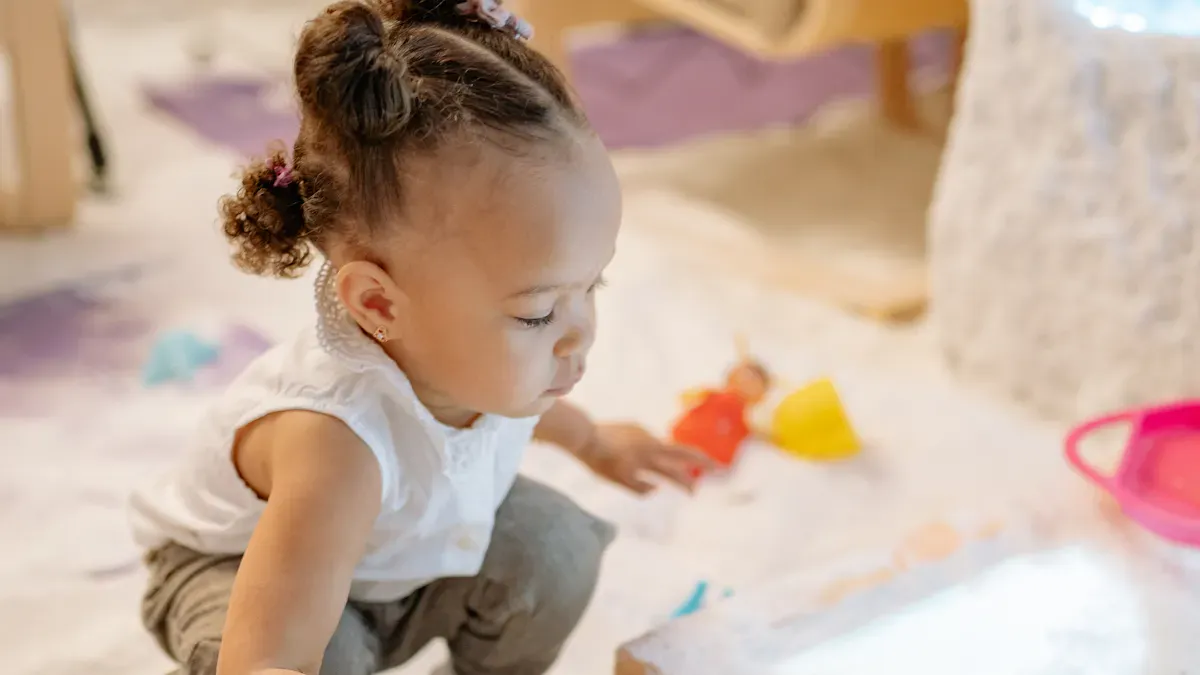
You can make your therapy playroom a fun place with tactile sensory toys. Kids enjoy feeling different textures. You can use sensory bins, slime, and Play-Doh for lots of hands-on play. These toys help kids get stronger fingers and better fine motor skills. They also help kids be creative. Sensory bins with rice, beans, or kinetic sand are great for exploring. They make kids curious and excited. Play-Doh and modeling clay are classic toys for sensory play and sculpting. Slime kits let kids stretch, squeeze, and twist. This gives them a chance to explore with their hands.
Check out this table to see how these toys help kids grow:
Tactile Sensory Toy | Description | Therapeutic Benefit |
|---|---|---|
Play-Doh | Classic modeling compound | Helps fine motor skills and sensory expression |
Slime Kits & Putty | Stretchy, soft substances | Helps calm touch and build hand strength |
Sensory Bins | Boxes with different textures | Helps kids try new textures and play |
You can use allergy-friendly dough sets like Colorations Play Dough Putty. These toys are bright and safe for kids with food allergies.
Tip: Change sensory bins and toys often. This keeps play new and fun for every child.
Interactive Wall Panels and Fidget Corners
You can make activities that help kids feel calm and focused. Interactive wall panels and fidget corners give kids relaxing sensory input. They help kids explore and take breaks. Kids can sit on soft seats or bean bags. You can add light columns, weighted blankets, or headphones that block noise. Fidget tools and tactile panels are good for sensory play. They help kids explore and handle anxiety.
Sensory spaces change for each child’s needs. Some kids need calming toys. Others want exciting things to explore. These activities help kids with autism, ADHD, or anxiety. You can make your playroom a safe place for sensory play and growth.
Note: Let kids pick their favorite toys and activities. This gives them control and makes play more special.
Visual and Auditory Sensory Features
Calming Lights and Color Zones
You can change how the playroom feels with calming lights and color zones. These features help make the room right for different sensory needs. Soft colors like light blue and green help kids feel safe and less anxious. Using these colors makes the room quieter and helps kids focus. Bright colors like red or orange can make kids feel tense, so use them less. Blue areas help kids think clearly. Green spaces give energy and help kids concentrate. Gentle lighting helps kids relax and feel calm.
Soft blues and greens help kids feel less anxious.
Muted colors make the room quiet and help kids focus.
Bright warm colors can make kids tense, so use them less.
Blue helps with clear thinking, and green gives energy.
Color zones let kids pick what feels best for them. Some kids want a calm spot. Others like a bright space. You can use color and light to fit each child’s needs.
Sound Panels and Music Play
Sound is important in every therapy playroom. You can use sound panels and music play to make sensory experiences better. Sound-dampening panels lower noise and help kids focus. These panels also help kids sleep better and feel less stressed. Music play lets kids try different sounds and rhythms. You can add simple instruments or play soft music to help kids relax.
Here’s a quick look at how these features help:
Benefit | |
|---|---|
Sound-Dampening & Acoustic Control | Lowers loud sounds and helps kids focus and sleep. |
Visual Supports & Chromatic Adjustments | Helps eyes feel less tired and makes things easier to understand. |
Calmer Room Setup | Removes distractions and adds visual supports for clarity. |
You can mix sound and light to make the best sensory experiences for each child. Try different setups and see which ones help kids feel good.
Oral Motor and Snack Play
Chewable Toys and Oral Motor Tools
You can boost oral motor skills with the right toys and tools. Many kids love to chew when they feel stressed or need to focus. Chewable toys give safe ways to meet these needs. You might see kids use durable chewies, fabric chewies, or even chewable pencil toppers during play. These toys come in many shapes and textures, so you can match each child’s needs. Some kids like vibrating chew toys for extra sensory input. Others enjoy x-shaped chewies or chewable fidgets that keep both hands and mouths busy.
Here’s a quick look at some popular oral motor toys:
Type of Toy | Description |
|---|---|
Durable Chewies | Tough textures for strong chewers |
Fabric Chewies | Soft, washable bands for gentle chewing |
Chewable Pencil Toppers | Fun shapes for chewing while writing |
Chewable Fidgets | Toys that keep hands and mouths active |
Vibrating Chew Toys | Extra stimulation for speech and feeding skills |
X-Shaped Chewies | Deep pressure for oral exploration |
You can also try chewelry, like safe necklaces or bracelets. These toys help reduce self-stimulating behaviors and improve speech and feeding. They build jaw strength and help kids who need more oral input.
Tip: Rotate toys often to keep kids interested and meet changing needs.
Snack Prep and Tasting Activities
Snack time can turn into a fun therapy session. You can use toys and simple tools to make snack prep exciting. Try activities like chewing on straws, blowing bubbles, or using a crazy straw in a smoothie. These playful moments help kids practice sucking, blowing, and chewing. Eating crunchy snacks or chewing gum builds jaw muscles and supports oral skills.
Snack prep lets kids touch, smell, and taste new foods. You can offer a variety of textures, like soft fruit, crunchy crackers, or chewy dried fruit. This helps kids explore with all their senses. Early exposure to different textures can prevent picky eating and oral sensitivity. Kids learn new chewing strategies and become more confident eaters.
Here are some snack play ideas and their benefits:
Activity Description | Purpose |
|---|---|
Builds oral motor input | |
Eat crunchy snacks | Strengthens chewing skills |
Use a crazy straw | Offers new oral experiences |
Play mouth games | Makes oral motor work fun |
Snack play with toys supports oral-motor coordination.
Tasting activities help kids try new foods and textures.
You can use toys to make snack time playful and stress-free.
Note: Let kids help with snack prep. This gives them control and makes therapy more fun.
Playroom Design Tips for Development
Age-Appropriate and Adaptable Choices
You want your playroom to help kids at every age. Pick activities that fit each child’s age and needs. Young kids need soft areas and easy climbing toys. These help them get stronger and move better. Older kids like harder things, such as ladders and climbing ropes. They also enjoy fun wall panels. These activities help kids move and think better. You can add music toys and bumpy climbers for more sensory fun. Spinners and seesaws help kids work together and make friends. Swings and sensory toys help kids feel calm and happy. Mix up the activities so every child finds something fun.
Climbing and sliding help kids move and balance.
Sensory panels and games help kids be creative and solve problems.
Spinners and seesaws help kids talk and play with others.
Safety, Accessibility, and Flow
Safety and easy movement are important for learning. Use floors that do not slip and soft mats to keep kids safe. Make sure there are wide paths for wheelchairs and strollers. Fewer places to cross help kids with autism and ADHD move around. Wall signs help kids find things and feel less worried. Here is a table with some quick tips:
Strategy | How It Helps |
|---|---|
Wide paths and clear areas | Easy access for all children |
Anti-slip flooring | Reduces falls and anxiety |
Wall signs and wayfinding | Helps with navigation and lowers stress |
Fewer crossing points | Less confusion for children with autism and children with ADHD |
Special Needs and Sensory-Friendly Adaptations
You can make your playroom good for everyone. Add ramps instead of stairs so all kids can get in. Swings with seat belts help kids with special needs feel safe. Use sensory toys like sand, water, and touchable objects for learning. Make sure bridges have space for walkers and wheelchairs. Change slide stairs to steps that are easier to use. These changes help kids with autism and ADHD join in all the fun. Keep the room simple and quiet. Ask kids what they like so the room fits their needs.
Tip: Keep the playroom simple and easy to change. This helps every child learn and grow.
DIY and Budget Sensory Play Ideas
Upcycled Sensory Toys
You can make sensory toys from things you already have. Old water bottles can turn into glitter jars or shakers. Cardboard boxes become tunnels or forts for crawling. Fabric scraps can be used to make bean bags or pillows with different textures. Egg cartons and bottle caps are good for sorting and counting games. These upcycled toys help your playroom feel creative and special.
Tip: Ask your family to keep clean recyclables. You will always have materials ready for new sensory toys.
Affordable DIY Activities
Nature gives you lots of ideas for sensory play. You can collect leaves, rocks, and twigs for sorting and feeling different textures. Pantry items like dry rice, beans, or oats are great for bins to scoop and pour. Taste-safe bins use crushed Cheerios or cooked pasta so kids can play safely. Homemade cloud dough mixes flour and oil to make a soft toy. Cornstarch and water make a goo that feels cool to touch.
Here’s a table with easy activities and their benefits:
Type of Activity | Example | Benefit |
|---|---|---|
Texture play | Rice bins, playdough, slime | Builds hand strength and creativity |
Movement play | Pouring, scooping, stacking | Improves focus and coordination |
Sound play | Musical toys or water drips | Strengthens listening and cause-effect learning |
Visual play | Colored lights or glitter jars | Supports focus and emotional control |
You can make edible slime by melting marshmallows and mixing in powdered sugar. DIY sensory sand uses flour and baby oil for a new texture. Homemade toys and activities let you pick safe ingredients and keep play safe.
You know that even small changes can help a lot. Adding sensory zones or letting kids help design the room makes things better. A good playroom helps kids feel safe and learn to control their feelings. First, look at your space and see what you have. Let kids share ideas and help make choices. Keep changing the room so it stays a caring place as kids grow.
FAQ
How can you make a playroom safe for kids with autism?
You can use soft mats, clear paths, and calm colors. Ask kids what feels good. Safety helps everyone feel comfortable and ready to play.
What sensory toys help kids with adhd focus?
Try fidget tools, swings, and textured bins. These toys give movement and touch. You can help kids stay engaged and calm during play.
Can you use DIY sensory toys in therapy playrooms?
Yes! Homemade toys like glitter jars or rice bins work well. You can create fun activities without spending much money.
See Also
Innovative Home Speech Therapy Strategies for Autistic Kids
Recommended Sensory Room Concepts for Special Needs Children
Ten Unique Sensory Room Concepts for Autistic Children

