Top Sensory Toy Packs for Kids That Experts Love
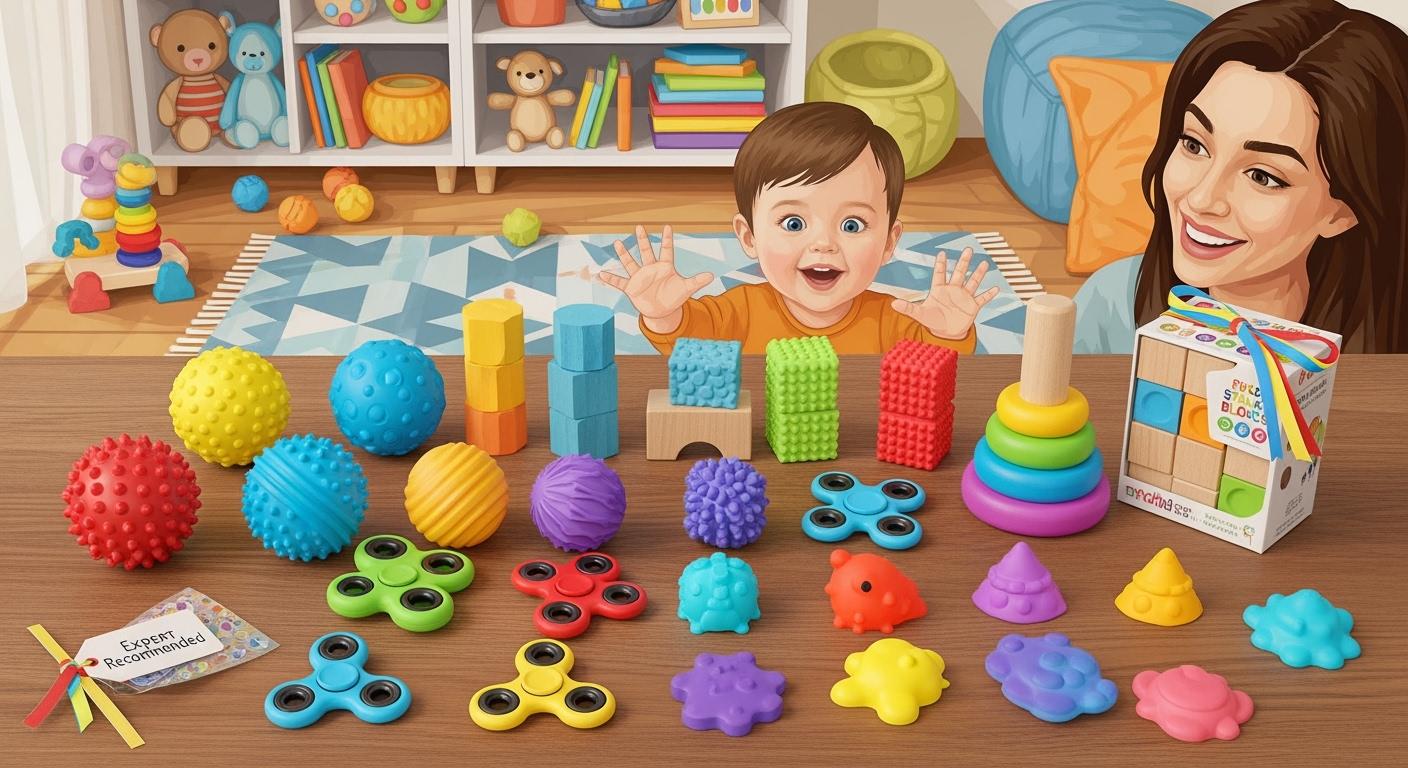
Experts say a sensory toy pack is good for kids. It helps build strong sensory skills. It also helps kids focus and stay calm. Sensory play toys can improve fine motor skills. They help with emotional regulation too. These toys can fit every child’s needs. Here are some research highlights:
Source | Findings |
|---|---|
Autism Research Journal | ASI is an evidence-based practice for kids with autism ages 4-12. |
American Journal of Occupational Therapy | There is moderate evidence for using ASI in a review. |
Korean Meta-Analysis | Sensory integration intervention worked well in 24 studies. |
Sensory play helps kids plan how to move.
It helps them process sensory input and handle stress.
More families want sensory toys for all ages.
Every child likes different sensory toys, so try many and see what works.
Key Takeaways
Sensory toy packs help kids get better at moving their hands. They also help kids pay attention and control their feelings. These toys make learning more fun for kids.
There are many kinds of sensory toys. Some toys feel different to touch. Some toys look interesting. Some toys let you move around. These toys help with different needs and likes.
Experts say sensory toys are good for kids with autism. They also help kids with sensory processing disorders. These toys help kids use their senses together. They can also help kids feel less stressed.
What Is a Sensory Toy Pack?
Purpose and Benefits
A sensory toy pack makes it easy to add sensory play at home. These packs help kids learn by using touch, sound, sight, and movement. The toys in these packs create a safe place for kids to explore. When kids use sensory play toys, they get better at handling different feelings and senses. These toys also help kids pay attention and stay focused. Sensory play toys make motor skills and body awareness stronger. They also help kids talk and play with others.
Tip: Sensory play toys can help your child relax after a busy day or get ready to learn.
You may see your child feel calmer and more focused after playing with these toys. Sensory play toys let kids practice new skills while having fun. These toys can make daily routines easier and more fun.
Types of Sensory Play Toys
There are many kinds of sensory play toys in a sensory toy pack. Each kind helps a different part of sensory growth:
Tactile exploration toys, like sensory bins, help with fine motor skills and language.
Play-dough or putty makes hands stronger and helps kids focus.
Water play toys help with sensory regulation and planning movements.
Texture walks make balance and body awareness better.
Blowing bubbles helps with mouth muscles and breath control.
Messy play toys help kids be creative and get used to new textures.
Movement-based games help with balance, focus, and handling feelings.
Sensory play toys let you pick activities that fit your child’s needs. You can mix different toys to keep things fun and new. The right sensory play toys help your child learn and grow every day.
Why Experts Recommend Sensory Toy Packs
Developmental Advantages
Many experts talk about sensory play toys for a reason. These toys do more than just keep kids busy. They help kids with sensory processing disorder learn new skills. Using a sensory toy pack helps your child grow in many ways. Sensory play toys make fine motor skills better. They help with sensory integration and emotional regulation. These toys also help with coordination and make learning fun.
Sensory play toys let your child try new movements.
They help your child get used to different textures and sounds.
These toys give safe ways to explore for kids with sensory processing disorder.
Sensory play toys help your child try new things and feel more confident.
Pediatric occupational therapists say using sensory play toys often is helpful. You will notice your child gets better at daily tasks and playing with others.
Emotional Regulation and Focus
Sensory play toys help with more than just movement. They also help kids control their feelings and focus. Many kids with sensory processing disorder or autism have trouble staying calm or paying attention. Sensory play toys give them ways to handle big feelings and focus on what they are doing.
Study Source | Findings |
|---|---|
University of Southern California | Kids with learning disabilities did 18 points better on tests after sensory integration intervention. |
Autism Research Journal | ASI is proven to help kids with autism ages 4-12. |
American Journal of Occupational Therapy | There is good proof that ASI works, based on a review. |
Korean Meta-Analysis | Sensory integration intervention worked well in 24 studies. |
Sensory play toys give safe and steady input for kids with sensory processing disorder. They help lower meltdowns and improve attention. These toys give your child a healthy way to deal with stress. You can use sensory play toys to help your child feel calm and ready to learn. These benefits make sensory play toys a smart pick for every family.
Best Sensory Toy Pack Collection
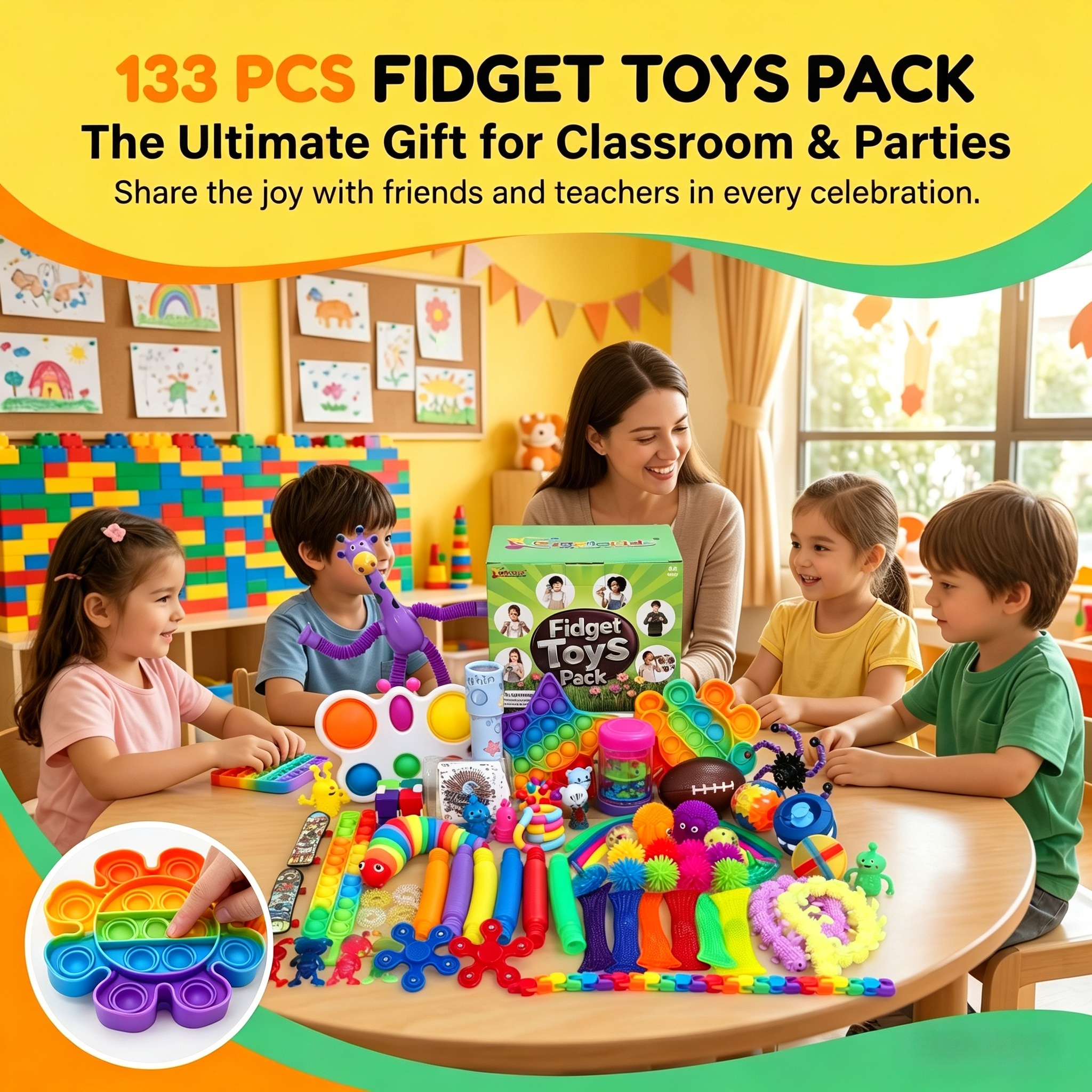
Multi-Sensory Play Toys
You want your child to have great sensory toys. Multi-sensory toys give a full sensory experience. These toys use touch, sight, sound, movement, and balance. Picking a sensory toy pack with these toys helps your child use all their senses. This helps your child grow in fun ways.
Here are some top multi-sensory play toys experts like:
VIP BOX OF SENSORY TOYS: This pack is for kids ages 4-9. An educator picks each box, so you get good toys. The toys help with emotions, thinking, and motor skills. This box works well for kids with ADHD, autism, or sensory needs.
Sensory TheraPLAY Box: This monthly box has hands-on sensory toys. You get putty, textured toys, and hand fidgets. These toys help your child calm down and learn new skills.
School Sensory Box (Large Size): This set has 10 toys, books, games, and fidgets. Parents say their kids love the choices and look forward to each box.
Multi-sensory toys like Superspace Magnetic Tiles, kinetic sand, and musical instruments are special. They use more senses than regular toys. Look at this table to see how these toys compare:
Feature | Superspace Magnetic Tiles | Traditional Toys | Fidget Toys | Kinetic Sand | Musical Instruments |
|---|---|---|---|---|---|
Tactile | Yes | Yes | Yes | Yes | Yes |
Auditory | Yes | No | Yes | No | Yes |
Visual | Yes | Yes | No | Yes | No |
Proprioceptive | Yes | No | No | No | No |
Vestibular | Yes | No | No | No | No |
Comprehensive Senses | 5-7 | 1-2 | 1 | 2 | 2 |
Movement Engagement | Yes | No | No | No | No |
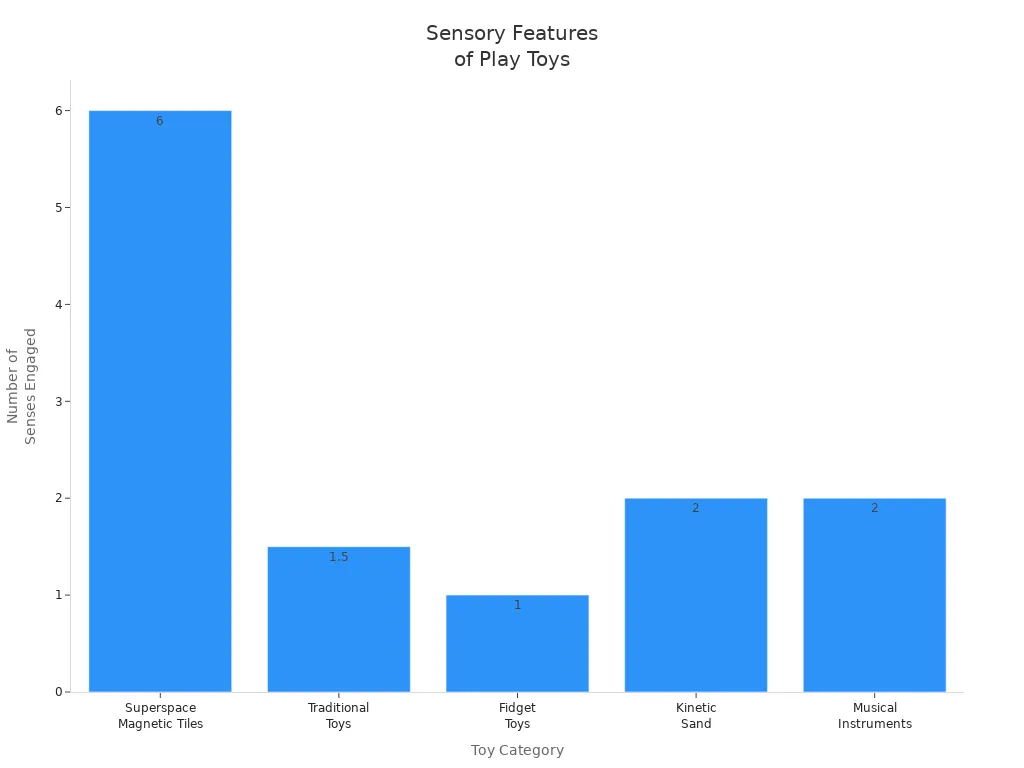
Multi-sensory toys help your child move, listen, see, and touch. These toys build body awareness, balance, and coordination. You can find options that fit your child’s needs. The best toys in this group make learning feel like play.
Fidget Toys and Stress Balls
Fidget toys and stress balls are great for focus and calm. Your child’s hands stay busy, which helps them pay attention. These toys are helpful for kids with ADHD, autism, or anxiety. They give a calming way to move, hear, and feel.
Here’s why fidget toys and stress balls are great:
They help with restlessness by giving repeated movements.
Fidget toys let out extra energy without bothering others.
Squeezing or spinning these toys calms the body.
They lower anxiety and help your child stay calm.
For kids with autism, fidget toys give soothing sensory input.
You can find many sensory toy choices, like fidget tubes, poppers, and squishy balls. These toys fit in a pocket or backpack, so they are easy to use. The best toys in this group help your child feel calm and focused at home or school.
Light-Up and Visual Toys
Visual sensory toys light up and grab your child’s attention. These toys use bright colors, moving lights, and gentle motion. Visual sensory toys are great for kids who like to watch things move or change color. They also help with tracking and paying attention.
Some of the best toys in this group are:
Karrma Ltd. Set of 4 Spiky Bounce Balls – These balls light up and are fun to bounce.
FeiatPogra Light Up Dinosaur Bath Toys – These toys make bath time exciting.
Global Gizmos Disco Light – This toy turns any room into a fun place.
You can also try liquid motion toys and bubble tubes. These toys make cool patterns that help your child relax. Many of these toys also make soft sounds, so they help with hearing too. The best toys in this group help your child feel calm and keep their senses busy.
Sensory Toy Packs for Special Needs
If your child has special sensory needs, you want toys that help them grow. Sensory toy packs for special needs help in many ways. These packs have tactile, visual, and auditory sensory toys. They help with fine motor skills, social skills, and emotions.
Here are some sensory toys for special needs:
Sensory Reflective Balls: These toys help with focus and coordination.
Cause and Effect Toys: Your child learns how their actions make things happen.
Fidget Toys and Stress Balls: These toys help with stress and help your child relax.
Sensory toy packs for special needs help with thinking, social skills, and language. They make a calm and fun space for your child. You can find toys that match your child’s likes. The best toys in these packs help your child feel safe, calm, and ready to learn.
Tip: Try different sensory toys to see what your child likes best. Every child is different, so mix and match to make the best collection.
If you want a pack that covers all the senses, look for multi-sensory, tactile, visual, and auditory sensory toys. The best toys grow with your child and help at every stage.
Choosing Sensory Play Toys
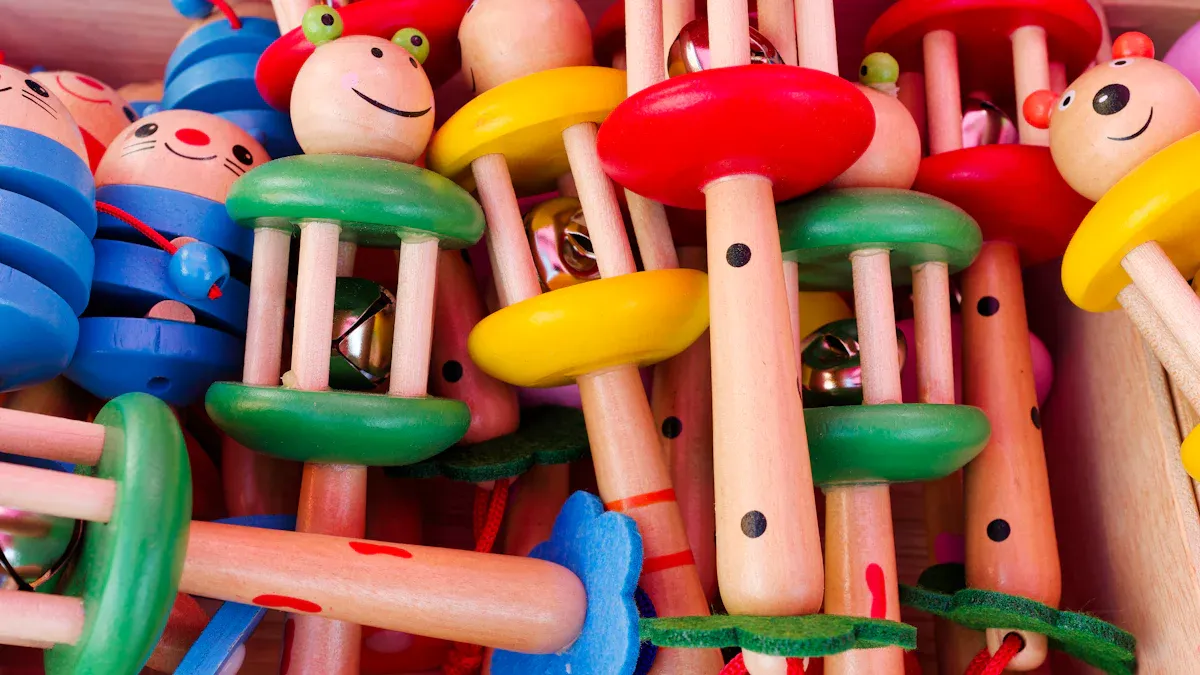
Age and Developmental Stage
Pick sensory play toys that fit your child’s age. Kids change a lot as they grow. Their sensory needs change too. Choose toys that match what your child likes and can do. Open-ended toys are good because kids can use them in many ways. If your child finds toys too easy, try harder ones. Give your child different sensory play toys to help them learn and talk more. Check this table to see how experts rate sensory toy packs:
Criteria | Description |
|---|---|
Durability | Tests how well the toys withstand wear and tear. |
Noise Level | Assesses the sound produced by the toys. |
Portability | Evaluates how easy it is to carry the toys. |
Age Suitability | Identifies which age groups each toy is best for. |
Special Needs Considerations
Sensory integration therapy helps kids with autism or sensory processing disorders. You can use things like weighted blankets, chewable jewelry, noise-reducing headphones, therapy putty, squishies, sensory swings, and fidget toys. Sensory play toys give calming input and sensory feedback. They help your child handle senses at their own speed. Sensory toys help your child feel more sure of themselves and make daily life easier. Pick toys that fit your child’s sensory needs and therapy goals.
Safety and Quality
Safety is important when you pick sensory play toys. Look for toys with safety marks like ASTM F963, CE Marking, FSC, GREENGUARD Gold, OEKO-TEX, or PEFC. These marks show the toys are safe and good quality. Make sure toys are non-toxic, strong, and not choking hazards. Good toys last longer and help with sensory integration therapy. Always read labels and reviews before you buy.
Sensory Preferences
Each child has their own sensory needs. Some kids do not like too much sensory input. Others want more. You can learn what your child likes by watching them or asking people who care for them. Tests can help too. Use sensory play toys that match your child’s favorite senses. Try tactile toys, auditory toys, or visual toys. Sensory integration therapy works best when you pick toys that fit your child’s sensory feedback and help them feel calm.
Tip: Shopping online makes it simple to find sensory play toys for every age. Many stores ship fast and promise good quality.
You can help your child learn by picking sensory toy packs that experts like. Sensory play helps kids talk, move, and handle feelings. Try many toys and make a quiet spot at home.
Keep toys in places where kids can reach them
Bring portable kits when you go out
Want help? Occupational therapists and Autism Learn and Play Inc. can help you choose the right sensory toys.
FAQ
What age is best for sensory toy packs?
You can start with babies as young as 6 months. Most packs work well for toddlers, preschoolers, and kids up to age 12.
How do I clean sensory toys?
Wipe plastic toys with a damp cloth. Wash fabric toys in cold water. Always check the label for special care instructions.
Can sensory toys help with anxiety?
Yes! Sensory toys give your child a way to calm down. Squeezing, fidgeting, or watching lights can lower stress and help your child relax.
See Also
Top Sensory Toys Parents Choose for Their Children
Sensory Toys with Weight for Children Facing Challenges
Identifying When Children Require Sensory Playthings

