Top Sensory Integration Equipment for Autistic Kids in 2026
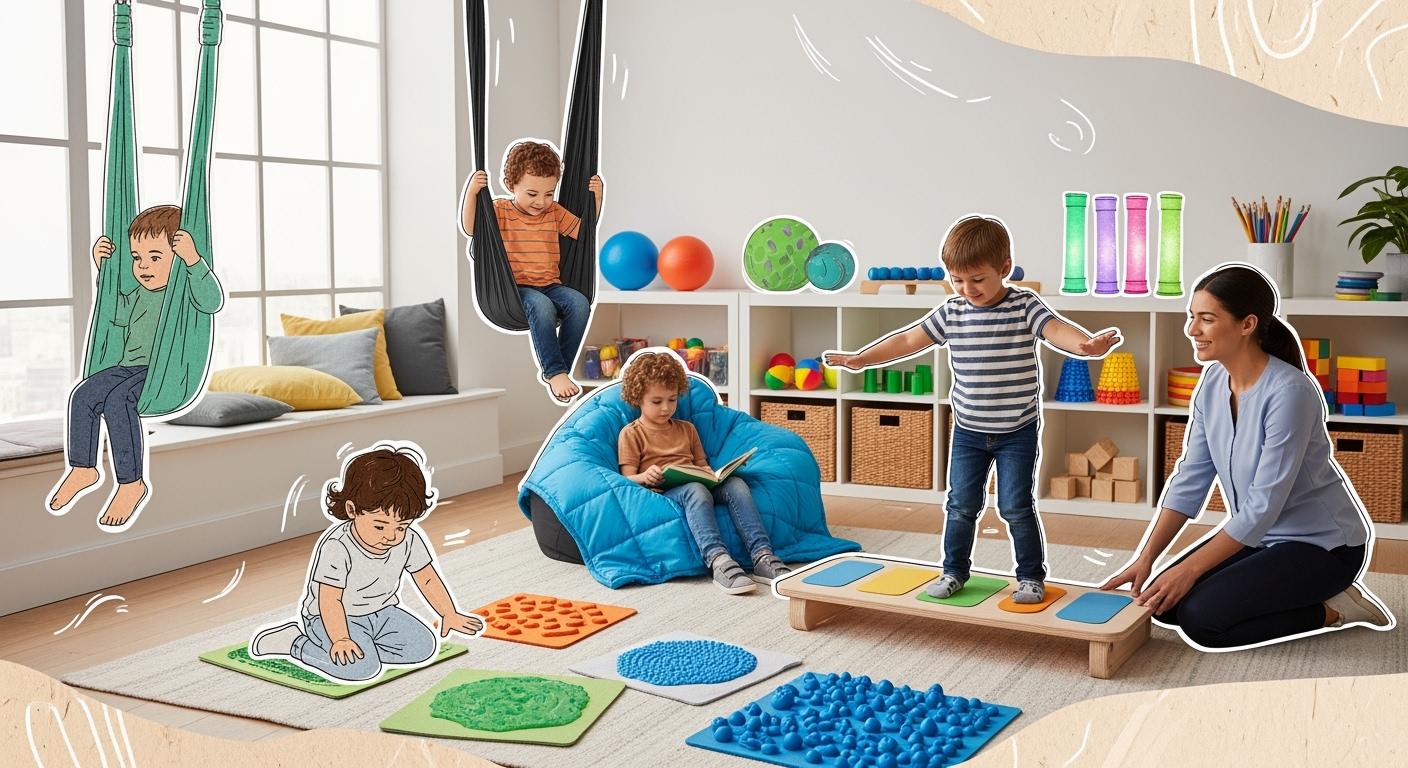
You want your child to have the best, especially for sensory needs. In 2026, sensory integration equipment helps autistic kids do well. Weighted blankets, swings, and tactile toys are helpful. Studies show sensory play helps kids grow and feel better. Experts say each child needs what works for them, so ask a professional for help.
Key Takeaways
Sensory play toys such as weighted blankets and fidget tools help autistic kids stay calm and pay attention. Pick toys that fit your child's special sensory needs.
Making a sensory retreat space at home gives your child a safe spot to relax and play. Add calming lights and favorite toys to make it nice.
Talking to professionals like occupational therapists helps you pick the right sensory equipment for your child. Check your child's progress often and change toys if needed.
Best Sensory Integration Equipment in 2026

Top Picks for Sensory Play Toys
You want to pick the best sensory equipment for your child. In 2026, there are more choices than before. Sensory play toys help your child feel safe and learn new things. There are many kinds, and each has its own benefits. Occupational therapists suggest toys that match your child’s needs. Your child may like moving, touching, or calming activities. Let’s check out the most popular sensory play toys and how they help.
Here’s a table showing the top sensory integration equipment for autistic kids in 2026:
Equipment Type | Description |
|---|---|
Indoor trampolines | These are good for kids who need lots of movement. They help your child use up energy before activities. |
Sensory swings | These give your child a cozy feeling. They help your child balance and feel calm. |
Oral motor tools | Chewable items help your child with oral needs. Your child can use them to relax or focus. |
Noise-canceling headphones | These are important for kids who dislike loud sounds. They help your child feel better in noisy places. |
Sunglasses and tinted lenses | These help your child with bright lights. Your child feels more comfortable in busy places. |
Tagless and seamless clothing | These clothes stop irritation. Your child can wear them without feeling distracted. |
Sensory retreat spaces | These spaces are quiet and calm. Your child can rest when feeling stressed. |
Visual schedules | These help your child know what will happen next. Transitions become easier for your child. |
Fidget tools | These help your child focus. Your child can use them at school or home. |
Wobble cushions | These let your child move while sitting. Your child stays focused in class or at the table. |
Playdough and sensory bins | These give your child a chance to touch and squeeze. Your child can explore different textures. |
You can use sensory play toys in lots of ways. You might make a sensory retreat space at home. You can give your child fidget tools for homework time. You may use visual schedules to help your child feel safe. Indoor trampolines and swings let your child move and use energy. Oral motor tools are good for chewing and calming. Playdough and sensory bins let your child touch and shape things. Tagless clothing stops irritation. Sunglasses and headphones help your child feel safe in loud or bright places.
You can mix different sensory play toys to fit your child’s needs. Your child may like some toys more than others. You can try new toys and see which ones help your child feel calm or happy. Sensory play toys are good for playtime, learning, or relaxing. You can keep sensory play toys in your child’s backpack, bedroom, or classroom. You can ask your child which toys feel best.
Why These Tools Work
You may wonder why sensory play toys help your child. Sensory integration equipment works because it gives your child what they need. You can see your child relax or focus when using these toys. Sensory play toys help your child with sensory processing and development.
Here’s a table showing why these tools work:
Evidence Type | Description |
|---|---|
Sensory Integration Therapy | Personalized toys help your child feel comfortable and process input. |
Combined Approaches | Sensory play toys work well with other methods. Your child can improve core symptoms. |
Sensory play toys help your child process better, feel less sensitive, and stay stable. | |
Developmental Skills | Activities like swinging and crawling help your child talk and move better. |
Professional Guidance | You get the best results with help from trained professionals. |
Sensory play toys help your child deal with stress. You can pick toys that match your child’s interests. Sensory play toys build motor skills. Your child can get better at fine and gross motor skills with these toys. Sensory play toys also help your child learn social skills and coping. You can play matching games or turn-taking activities with sensory play toys. Sensory play toys help your child interact and build memory.
Here are some ways sensory play toys support your child’s development:
Sensory play toys match your child’s interests. Your child can handle stress and try new play activities.
Sensory play toys make motor skills stronger. Your child gets better at fine and gross motor skills.
Sensory play toys create good sensory experiences. Your child learns social skills and ways to cope.
Sensory play toys like matching games help your child interact, build memory, and take turns.
You can see the benefits of sensory integration equipment by using sensory play toys every day. You help your child feel safe, happy, and ready to learn. Sensory play toys make routines easier and transitions smoother. You can ask professionals for advice about sensory play toys. You can watch your child and change toys as needed. Sensory play toys help your child feel good and fit their needs.
What Is Sensory Integration Equipment?
Definition and Purpose
You may wonder what sensory integration equipment is. These are special tools and toys for kids with autism. They help kids manage their sensory needs at home and school. Some examples are swings, weighted blankets, and fidget toys. Special clothing can also be sensory integration equipment. Each tool helps your child deal with touch, sound, or movement.
The main goal is to help kids feel comfortable and focused. The right tools help your child calm down and pay attention. Your child can join activities and learn in a safe way.
Sensory integration equipment helps kids with autism build skills and feel confident. With the right support, your child can be more independent and happy.
Importance for Sensory Processing Disorder
Kids with autism often have sensory processing disorder. Their brains react differently to noise, light, or touch. Some kids get upset by loud sounds or bright lights. Others may not notice these things and want strong sensations.
Here are some common problems kids with autism face:
Some kids react too much to loud noises or scratchy clothes.
Some kids want to spin or feel deep pressure.
Sensory needs can make it hard to focus or join social activities.
You can use sensory integration equipment to help with these problems. Sensory tools are important for kids with sensory processing disorder. They help your child control emotions and focus better. The right equipment helps your child stay calm and grow. Research shows sensory integration therapy can help social and emotional skills. It can also lower some autism symptoms.
Experts say we still need more research to make clear rules for these tools. But many families and therapists see good results every day. You know your child best, so you can work with professionals to find what helps.
Categories of Sensory Toys for Autism
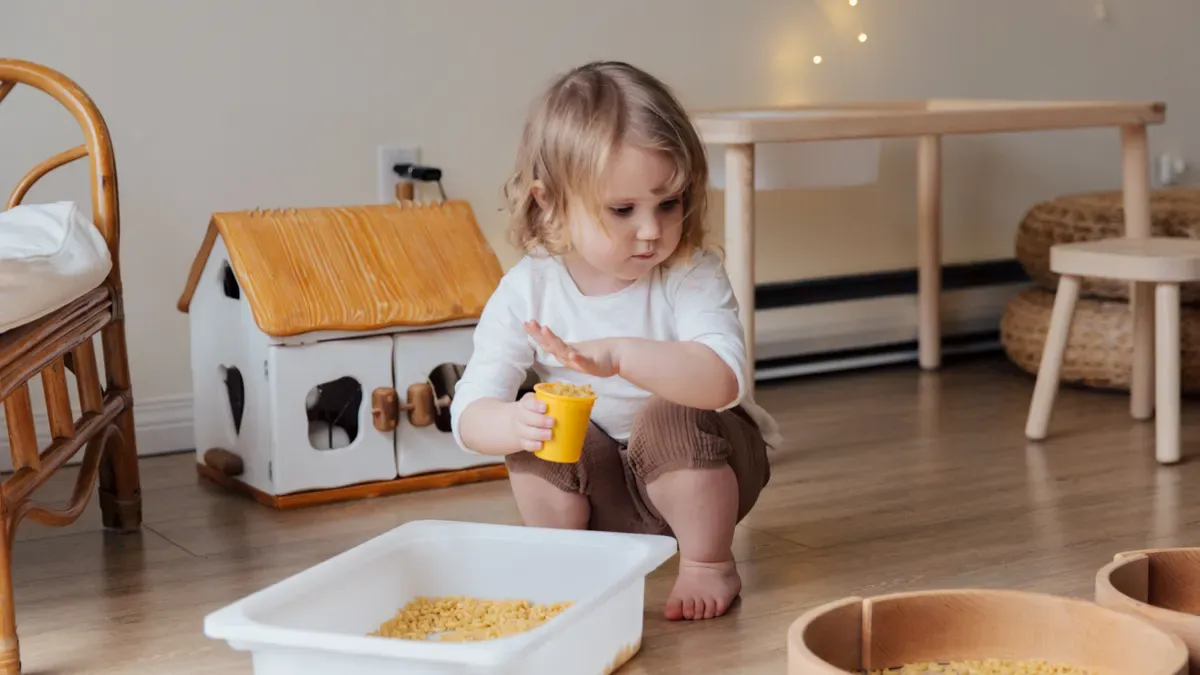
You want to pick the right sensory toys for your child. In 2026, experts put these toys into groups. Each group helps your child in a special way. You can use different toys together to help your child.
Tactile and Texture Toys
Some kids like to touch and feel things. Tactile and texture toys give your child new feelings to explore. These toys help your child get used to different textures. They also make fine-motor skills better. You can try textured balls, sensory bins, or silicone chew necklaces. Here are some ways these toys help:
Benefit | Description |
|---|---|
Lets your child explore touch in a safe way. | |
Focus and Attention | Helps your child stay calm and engaged. |
Motor Skills and Body Awareness | Strengthens coordination through play. |
Communication and Engagement | Creates chances for your child to interact and share. |
Fidget and Stress-Relief Tools
Fidget toys keep your child’s hands busy. These toys help your child feel less worried and pay attention. You can use pop-its, therapy putty, or stress balls. Fidget tools are good for school or home. They help your child move their hands and calm down.
Evidence Type | Description |
|---|---|
Sensory Input | Fidget cubes give sensory input and improve focus. |
Skill Development | Using fidget toys builds hand strength and coordination. |
Emotional Regulation | Sensory tools help your child cope with stress and stay calm. |
Calming Activities | Deep breathing and fidget tools help your child self-regulate. |
Versatility | Fidget tools work in many places, like school and home. |
Visual Sensory Play Toys
Visual sensory toys use lights and colors to make calm spaces. Your child might like soft light projectors or visual schedules. These toys help your child relax and change activities more easily. You can use them in bedrooms or classrooms.
Movement and Swing Equipment
Movement toys let your child jump, swing, or bounce. Toys like indoor swings and trampolines help your child use energy and move better. After using these toys, your child may feel calmer and focus more.
Better focus
Improved coordination
Greater body awareness
Sensory reset for transitions
Oral Motor and Chewelry
Some kids need to chew on things. Chewelry and chew tubes give your child a safe way to chew. These toys help your child relax and use their mouth muscles. Chewelry also helps with talking and pretend play.
Benefit | Description |
|---|---|
Calms your child and meets oral needs. | |
Motor development | Supports speech and coordination. |
Imaginative play | Encourages social learning through pretend play. |
Weighted and Deep Pressure Products
Weighted blankets and lap pads are toys that give deep pressure. These products help your child feel safe and less worried. Deep pressure makes your child’s body feel calm and happy.
Evidence Type | Description |
|---|---|
Calms your child and improves sensory processing. | |
Neurotransmitter Release | Balances mood and reduces anxiety. |
Weighted Blankets | Help your child relax and focus. |
Safety Recommendations | Choose the right size and weight for safety. |
You can try different sensory toys to see what your child likes best. Each group of toys helps your child in a different way.
Choosing the Right Sensory Play Toys
Understanding Your Child’s Sensory Needs
You want your child to feel good and enjoy sensory play. Every child reacts to sensory things in their own way. Some kids like bright lights and loud noises. Others want quiet places and soft touches. You can watch your child try different sensory activities. Does your child like to move or sit still? Does your child like touching things or avoid some textures? You can use tools to learn about your child’s sensory needs.
Purpose | |
|---|---|
Ayers Sensory Integration® (ASI®) | Helps your child process sensory input with special activities. |
Sensory Modulation Strategies | Helps your child stay focused and calm during tasks. |
Personalized Sensory Diets | Gives your child activities that fit their needs and help them feel better. |
You can use proprioceptive aids, vestibular aids, tactile tools, visual tools, auditory tools, and oral tools. These tools give your child different sensory experiences.
Matching Equipment to Sensory Profile
You can pick toys that match your child’s needs. If your child likes moving, swings and trampolines are good choices. Weighted products help kids who need deep pressure. Fidget toys and sensory bins help with sensory play and therapy. You can mix toys to make sensory play fun. Try new toys and see which ones your child likes best. You can use therapy to help you choose.
Consulting Professionals
You can ask occupational therapists for help. They know how to pick toys that fit your child’s needs. You can watch your child play with new toys and see what works. Safety is important, so pick toys that are right for your child’s age. You can let your child and family help choose toys. Therapists use sensory integration therapy to find the best toys. You can use weighted products, swings, and sensory bins for sensory play. You can make routines that include sensory activities every day.
Tip: Watch your child during sensory play. You can see which sensory input helps your child feel calm and happy.
Safe Use and Daily Integration
Incorporating Sensory Equipment at Home and School
You can add sensory play to your child’s daily life. Put sensory tools and toys where your child can reach them. Place movement items like exercise balls in family rooms. Make a cozy spot with soft lights and calming things. Add your child’s favorite toys to this area. This helps your child want to play and explore. Try sensory play in the morning or after school. Short sensory breaks during homework help your child focus. Calming activities before bed help your child relax and sleep better.
Tip: Use low shelves and pictures so your child finds tools easily.
Safety and Supervision Tips
Safety is important when using sensory tools and toys. Always watch your child, especially with swings or trampolines. Check each item for damage and clean them often. Use soft mats or crash pads to stop injuries. Staff should learn safety rules for school use. Have a way to talk to others in emergencies. Write down any accidents to keep track. Pick soft toys with rounded edges for safety.
Check toys often for damage.
Clean toys to stop germs.
Make clear rules for watching kids.
Monitoring Progress and Adjustments
You can watch your child’s progress with sensory play. Look for changes in mood and how your child acts with others. Write down your child’s feelings and reactions to sensory play. Use tests to see how your child is growing. Set goals like better focus or handling sensory input. Share your notes with teachers and therapists. Change your sensory tools if needed. Experts like occupational therapists can help you find what works best.
Method | Description |
|---|---|
See how toys help your child each day | |
Direct Observation | Watch for changes in how your child plays |
Parent Reports | Share notes to make better plans |
Celebrate small steps and keep changing your plan to help your child.
You understand your child better than anyone else. Choosing the right sensory equipment helps your child a lot.
Plans made just for your child help them feel safe and learn.
When your family helps and cheers for small successes, your child feels proud.
What is most important? | How it helps your child grow |
|---|---|
Watching and helping often | Makes sure your child keeps improving |
Expert advice | Finds the best tools for your child |
Keep asking questions and trying new things. You help your child every single day!
FAQ
What sensory equipment works best for my child?
You can try different toys and tools. Watch how your child reacts. Ask an occupational therapist for advice. Your child’s favorite may change over time.
How do I keep sensory toys safe and clean?
Check toys for damage often. Clean them with soap and water. Store them in a safe place. Supervise your child during play.
Can I use sensory equipment at school?
Yes! You can talk to teachers about your child’s needs. Many schools allow sensory tools in classrooms. Visual schedules and fidget toys help your child focus.
See Also
Creating A Sensory Gym Space For Autistic Children
The Role Of Sensory Toys In Motor Skill Development
Ten Innovative Concepts For Autism-Friendly Sensory Rooms

