Essential Sensory Education Resources for Parents and Teachers
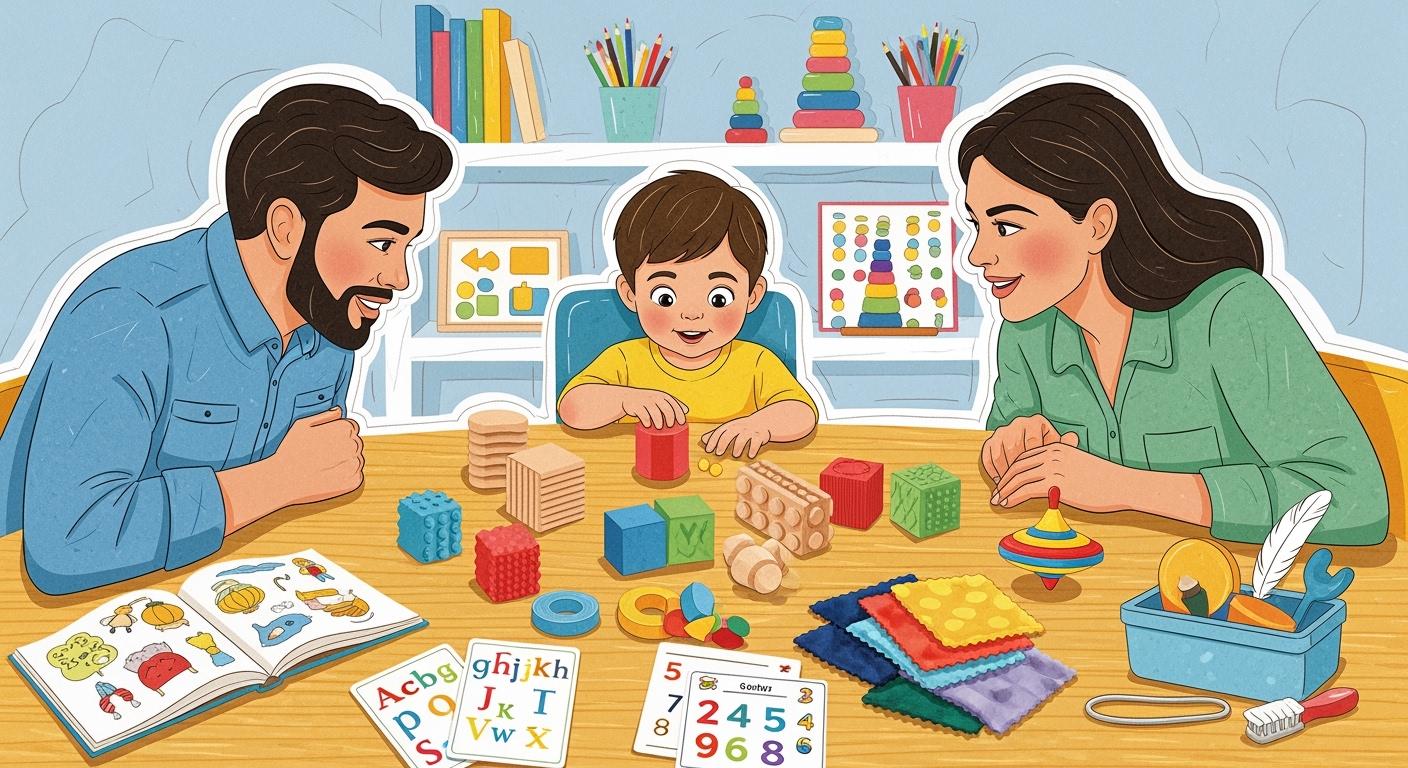
You want your child to do well, but sensory challenges can make life hard. Did you know that almost one in six kids has trouble with sensory processing?
About 5% of all kids have sensory processing disorder.
Between 5% and 16% of school-aged kids have big sensory problems.
Sensory play helps your child learn to control emotions and get along with others. Kids who do not get sensory play may have a hard time understanding feelings or making friends.
You do not have to solve this by yourself. With the right help, like Sensory Rooms and parent resources, you can support your child with sensory education.
Key Takeaways
Sensory education helps all kids learn better by using many senses.
Sensory tools like bins, fidgets, and flexible seats help kids pay attention, relax, and join in learning.
Use sensory education apps at home and school to make learning fun and hands-on.
Make special sensory spaces with tools that match your child's needs to help them feel comfortable and focus.
Join online groups and talk to experts to get more help and resources for sensory education.
Sensory Education Overview
What Is Sensory Education
You may ask what sensory education is. Sensory education helps you guide kids as they use their senses to learn. Kids use sight, sound, touch, taste, and smell to explore the world. When you give kids multisensory experiences, they can find out new things and grow important skills. Sensory education is not only for kids with autism or sensory needs. All kids can gain from sensory activities at home or in school.
Sensory education uses things like sensory bins, fidgets, and flexible seating. These tools help kids pay attention, calm down, and join in learning. You can add sensory activities to any lesson plan, even an autism curriculum. Sensory education also lets kids seek sensory input in a safe way. Kids learn to handle their feelings and actions through sensory play.
Sensory education makes a place where kids feel safe and ready to learn. You can use sensory resources to help kids with autism or those who need more support.
Why Sensory Education Matters
Sensory education is important because it helps kids grow and learn. When you use sensory integration in lessons, you help kids build thinking, movement, and social skills. Studies show that sensory-rich places help kids join in and learn self-help skills. Kids become more sure of themselves and independent. Sensory education also helps kids control their feelings and get along with others.
You can see changes when you use sensory resources. Kids pay attention longer and join in more activities. Sensory education helps kids with autism and learning problems. It helps them feel calm and ready to learn. When you add sensory education to lessons, you make a good and helpful place for all kids.
Sensory education helps kids learn better.
Sensory resources help kids focus and handle emotions.
Sensory integration helps kids do well in school and with friends.
Sensory Education Apps
Top Apps
There are lots of sensory education apps that make learning fun. These apps use different sensory tools to help kids learn in new ways. The best apps use sound, touch, and sight to keep kids interested. Here is a quick look at what the best sensory apps do:
Feature | Description |
|---|---|
Uses visuals, sounds, and touch for different learning styles. | |
Gamified learning | Turns lessons into games with quizzes and rewards to boost motivation. |
Mindfulness tools | Offers calming activities like breathing exercises and relaxing sounds. |
Emotion-tracking capabilities | Lets kids track their feelings and spot patterns in their emotions. |
Some well-known sensory apps are Sensory App House, Breathe, Think, Do with Sesame, and Calm. These apps give you tools that help with focus, relaxation, and controlling emotions.
Home Use
You can use sensory education apps at home to help your child. Try making a quiet place where your child can use these tools. Let your child choose an app that fits their mood. For example, use a mindfulness app if your child feels stressed. If your child wants to move, pick an app with games. Many apps let you track progress, so you can see how your child improves. These tools make it easy to add sensory activities to your day.
Tip: Try using sensory apps during breaks or before homework. This can help your child calm down and focus.
Classroom Use
Teachers use sensory education apps in different ways. You can add sensory breaks with stretching or deep breathing. Some apps let students move and play while learning math or science. Adaptive sensory tools in these apps help all students, not just those with sensory needs. Try using these tools during group work or as a reward for good behavior. Sensory education apps make class more fun and help kids stay calm and ready to learn.
Sensory Play Resources
Sensory Bins
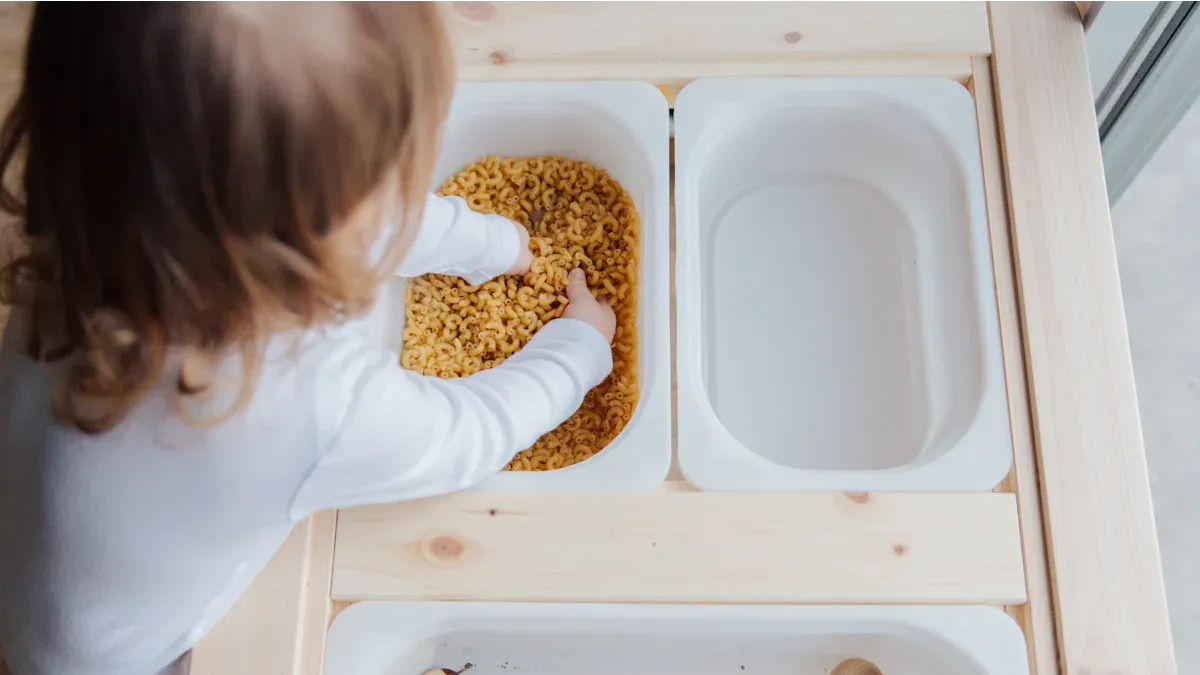
Sensory bins give you a simple way to help kids explore the world with their senses. You can fill a bin with rice, beans, sand, or water. Add small toys, scoops, or cups for extra fun. When kids dig, pour, and sift, they build fine motor skills and learn new words. Sensory bins also help kids calm down and organize their feelings. You might notice your child using pretend play or solving problems as they explore different textures and sounds.
Sensory bins help kids:
Calm themselves and manage emotions
Learn new words and ideas
Strengthen hand muscles and coordination
Use their imagination and think critically
Manipulatives & Fidgets
Manipulatives and fidgets are sensory tools that keep hands busy and minds focused. You can try stress balls, tangle toys, or fidget spinners. Some kids like bubble wrap or Velcro strips for the feel and sound. Swivel chairs and wobble cushions give movement, which helps kids with sensory needs stay alert. Even a simple cardboard box filled with pillows can become a calming spot. Many parents and teachers use chewable jewelry or MP3 players with calming sounds as part of their sensory resources.
Home Use
At home, you can create a sensory space that fits your child’s sensory needs. Let your child help pick out sensory tools and parent resources that make them feel safe. Try adding weighted blankets, calming music, or scented items. Use wobble cushions or sensory sand for movement and grounding. Focus activities like water play or sorting beans can help your child relax and pay attention.
Tip: Personalize your sensory area with your child’s favorite colors, textures, and sounds for the best results.
Classroom Use
Teachers can use sensory play resources to help all students. Set up calm spaces with sensory bins or therapeutic educational toys. Add movement breaks with tools like GoNoodle or assign jobs that let kids move. Use fidgets and wobble cushions to help students focus. Every child is different, so try different sensory tools to see what works best. Sensory-rich classrooms help kids stay alert, calm, and ready to learn.
Flexible Seating & Movement Resources
Flexible Seating Options
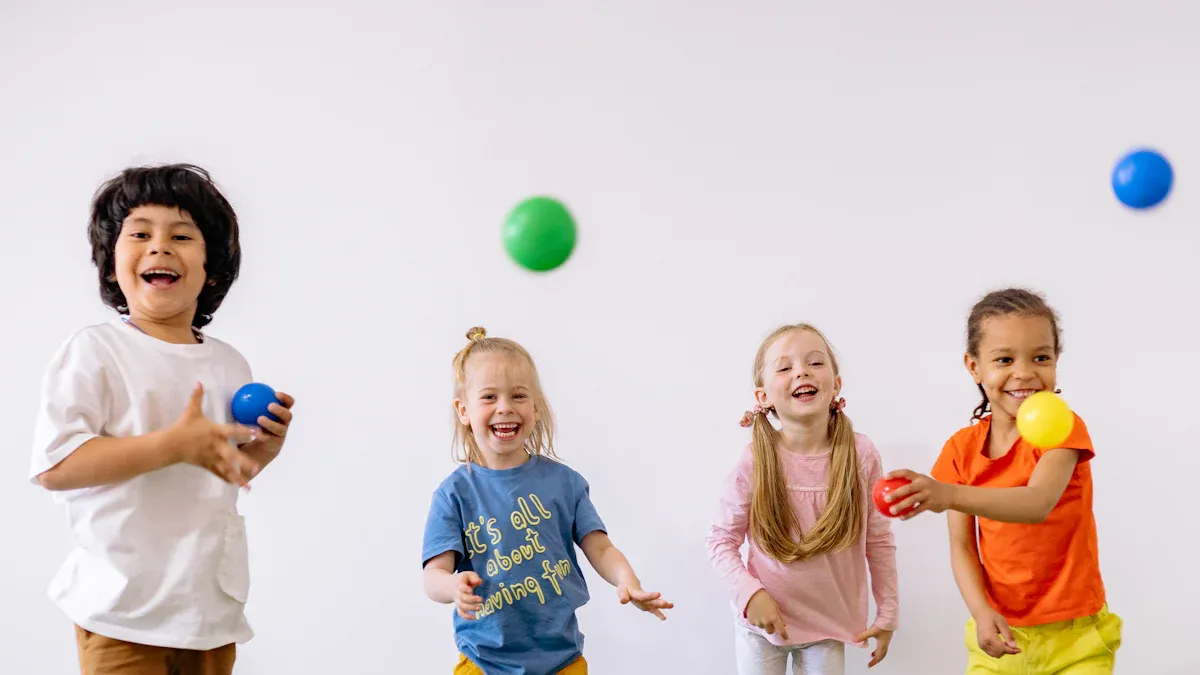
You want your child to feel good and pay attention during sensory activities. Flexible seating gives you lots of choices. You can use ball chairs, slant cushions, or standing desks. These seats help kids move and stay awake. When you add flexible seating to your sensory curriculum, kids can pick what works for them. Studies show that when students pick their seats, they feel better and focus more. This helps them behave and learn better.
Here’s a quick look at popular flexible seating options:
Seating Option | Description |
|---|---|
HOKKI Stools | Ergonomic stools with a curved base for gentle movement and sensory engagement. |
Pantoswing Chairs | Dynamic chairs that tilt forward, responding to natural movements for comfort and focus. |
Balance Balls | Seats that encourage movement and help with concentration. |
Standing Desks | Let students stand and move, which supports active sensory learning. |
Flexible seating uses different senses. Some chairs have bumpy surfaces or rock gently. These features give kids the sensory input they need. This helps them stay calm and ready to learn.
Movement Activities
Movement is important in any sensory curriculum. You can add things like stretching, yoga, or heavy work. These activities help kids control their bodies and minds. Try breathing exercises or let your child swing back and forth. Movement activities help kids feel organized and calm.
Movement Activity | Description |
|---|---|
Heavy Work | Physical tasks that require effort and help with calming. |
Yoga | Guided poses that support sensory regulation and focus. |
Breathing Exercises | Calming techniques that organize the brain and body. |
Linear Swinging | Forward and backward swinging for sensory input and relaxation. |
Home Setup
You can make a sensory-friendly space at home with a few easy things. Use soft blankets, rugs, and cushions to make it cozy. Pick a quiet spot away from messes. Change out sensory tools to fit your child’s needs. Flexible seating and movement activities work well in your home sensory curriculum.
Tip: Let your child help set up the space. This helps them feel in control and comfortable.
Classroom Setup
Teachers can make classrooms with flexible layouts and sensory zones. Use desks that move, bean bags, and standing desks. Make spots for group work, quiet reading, and working alone. Label everything low so kids can reach it. Give students choices in seats to help them focus and feel confident. Flexible seating and movement resources make your sensory curriculum fun and welcoming for everyone.
Deep Pressure & Heavy Work Resources
Weighted Blankets & Vests
Some kids feel calm after a big hug or when under a heavy blanket. Weighted blankets and vests give deep pressure input. This helps many kids with sensory needs feel safe and focused. These sensory tools give steady, gentle pressure to the body. You can use them during sensory breaks or when your child needs to relax.
Safety Tips for Weighted Blankets and Vests:
Never use weighted blankets to hold your child down.
Always watch your child and keep their head uncovered.
Do not let your child sleep under a weighted blanket if they have breathing problems.
The blanket should not be heavier than ten percent of your child’s body weight.
Make sure the blanket does not hang off the bed.
Heavy Work Activities
Heavy work activities help your child’s body and mind feel organized. These activities use big muscles and give strong sensory input. You can try pushing, pulling, jumping, chewing, or blowing. Here are some ideas you can use at home or in class:
Pushing and pulling: chair push-ups, wall press-ups, tug of war, resistance bands
Jumping: bunny hops, star jumps, bouncing on a ball or mini-trampoline
Chewing: gum, crunchy snacks, chewable jewelry
Blowing: bubbles, whistles, pinwheels
These sensory tools help your child get the input they need to stay calm and focused.
Home Strategies
You can add deep pressure and heavy work activities to your daily routine at home. Try weight bearing activities like carrying groceries or moving laundry baskets. Give your child movement breaks with running, jumping, or dancing. Calming activities like gentle swinging or rocking also help. Every child is different, so pick sensory tools that fit your child’s needs.
Activity Type | Description |
|---|---|
Weight bearing | Pushing, pulling, carrying, or moving heavy objects for body awareness |
Movement breaks | Running, jumping, or dancing for sensory regulation |
Calming activities | Slow swinging or rocking to help your child relax |
Heavy muscle work helps your child know where their arms and legs are. These activities help your child pay attention and feel calm.
Classroom Strategies
Teachers use sensory resources to help all students. You can add alerting activities for kids with ADHD or calming stages for kids with anxiety. Try sensory circuits with both alerting and calming activities. Give firm hugs or deep pressure massages on the shoulders. Encourage self-pressure like squeezing or hugging. Lycra clothing and calming scents like vanilla or lavender can help too. Set up a sensory den for quiet time. Use weighted blankets for deep pressure input during sensory breaks. Add hard exercises like planks or wall push-ups to your sensory tools. These strategies help kids stay in the “Just Right Zone” for learning.
Evidence Type | Description |
|---|---|
Heavy Work Activities | Resistance activities wake up the proprioceptive system for sensory regulation. |
Benefits for Children | Calms and organizes sensory systems, especially for autistic children. |
Examples | Yoga, swimming, cycling, and other activities can support sensory needs in daily routines. |
Oral Sensory Resources
Chewy Toys
Sometimes, kids chew on pencils or shirt collars. They might even chew their fingers. This is normal when kids feel worried or stressed. Chewy toys are safe for kids who need to chew. These tools help kids calm down and focus. They also help with big feelings. Therapists say chew-safe toys protect teeth and gums. They also meet sensory needs.
Here is a simple guide for picking chewy toys:
Chewing Preference | Recommended Chew Toy Type | Characteristics |
|---|---|---|
Chews at the back | Longer stick-shaped chews | Slightly harder chews preferred |
Chews or sucks at the front | Rounder chews | Softer and more flexible options preferred |
Chews everywhere in the mouth | Chews with both long and round parts | Versatile shapes like person-shaped toys |
Eats through toys quickly | Tougher chews | Options like 'Chew Stixx Tough Bar' and 'Hexichew' are recommended |
Chewy toys help kids relax during hard times. You can use them for sensory breaks. They also help when your child needs to pay attention.
Chewing Gum
Chewing gum is another easy sensory tool. Many kids use gum to stay calm and awake. Chewing helps the jaw and mouth feel good. This can help control feelings. Some schools let kids chew gum for sensory support. Always check the rules first.
Benefits of Chewing Gum | Potential Drawbacks of Chewing Gum |
|---|---|
Risk of dental problems from excessive chewing | |
Helps children with sensory processing needs self-soothe | May lead to oral sensory-seeking that damages teeth |
If you give your child gum, set clear rules. Remind them to chew safely. Make sure they throw gum away when done.
Home Use
You can use oral sensory tools at home in fun ways. Let your child help cook by mashing potatoes or kneading dough. These chores give sensory input and make work fun. At bath time, use bubbles or sponges with texture. Turn cleaning up into a game to keep your child happy.
Tip: Give chewy toys or crunchy snacks during homework or quiet time. This helps your child focus and stay calm.
Classroom Use
Teachers can use oral sensory tools to help students. Try chewy necklaces, pencil toppers, or gum if allowed. Sensory breaks with these tools stop kids from chewing on things that are not food. Always explain the rules and keep tools clean.
Kids chew when they feel nervous or overwhelmed.
Oral sensory seekers chew or suck to feel better.
Sensory breaks help kids handle their sensory needs.
When you use oral sensory tools, you help kids deal with big feelings. This keeps them ready to learn.
Sensory Support Resources
Books & Guides
You may not know how to start with sensory supports. Many parents and teachers use special books and guides. These materials give you easy steps for sensory play and sensory regulation. They also help you build an autism curriculum. You can read these books to learn new ways to help. If you feel stuck, these books can give you answers.
Here are some books that experts suggest:
Title | Description |
|---|---|
A guide for educators on supporting sensory needs in the classroom, including strategies and personal anecdotes. | |
A Professional’s Guide to Sensory Impairment | Explores the role of occupational therapists in treating sensory impairments with practical insights. |
These resources help kids with autism or those who need more sensory support. Try reading with your child or talk about ideas with other teachers.
Online Communities
You do not have to handle sensory supports by yourself. Online groups connect you with parents, teachers, and therapists. You can ask questions and share your stories. You can also find new sensory resources. Many groups have workshops, classes, and forums about sensory needs and autism curriculum.
Some good online groups are:
Sensory People: Courses and seminars about sensory integration for teachers and parents.
Creative Therapies: Workshops for parents and professionals on sensory regulation and calming strategies.
Developmental FX: Online courses and resources for children with developmental challenges.
Griffin OT: Sensory processing training and parent resources for understanding sensory differences.
You can join these groups to share ideas, get tips, and learn about new sensory supports.
Professional Services
Sometimes, you need more than books or online help. Professional services give you expert help for sensory challenges. Occupational therapists and sensory specialists can make custom plans for your child or class. They help you see sensory needs and use the right sensory supports.
Sensory play helps kids explore and feel confident. It also helps them do well in school and life. When teachers and staff get training, they learn how to use sensory resources. This helps them support every child. You can ask for training at your school or send kids to specialists if you need more help.
Tip: Work with professionals, join online groups, and use books to build a strong support system for sensory needs.
You can make a big difference in your child’s life with the right sensory resources. Kids with autism or sensory needs feel safer and happier when you use these tools. Start with one or two ideas and see what works best. Work with teachers and other parents for support. You help every child with autism grow and shine when you add sensory activities to your daily routine.
FAQ
What if my child does not like sensory activities?
That is okay! Every child is different. Try new activities slowly. Let your child pick what feels good. You can ask your child what they enjoy. You might find a favorite together.
Can I make sensory tools at home?
Yes, you can! You do not need fancy items. Use rice, beans, or water for sensory bins. Old socks can become fidget toys. Get creative with what you have at home.
How do I know if my child needs more sensory support?
Watch for signs like covering ears, avoiding touch, or chewing on things. If you see these often, your child may need more sensory input. You can talk to a teacher or therapist for advice.
Are sensory resources safe for all kids?
Most sensory tools are safe when you watch your child. Always check for small parts or choking hazards. If you use weighted items, follow safety tips. Ask your doctor if you feel unsure.
Do sensory activities help kids without sensory issues?
Yes! All kids can benefit from sensory play. These activities help with focus, calm, and learning. You can use sensory tools with any child, not just those with sensory needs.
See Also
Essential Tools For Educators To Create Sensory Rooms
Simplifying The Design Process For Sensory Classrooms
A Comprehensive Resource For Sensory Play In Early Education
A Teacher's Guide To Implementing Sensory Details Effectively
Essential Elements For Effective ASD Sensory Rooms In Schools
