Top 10 Autumn Sensory Activities for Toddlers
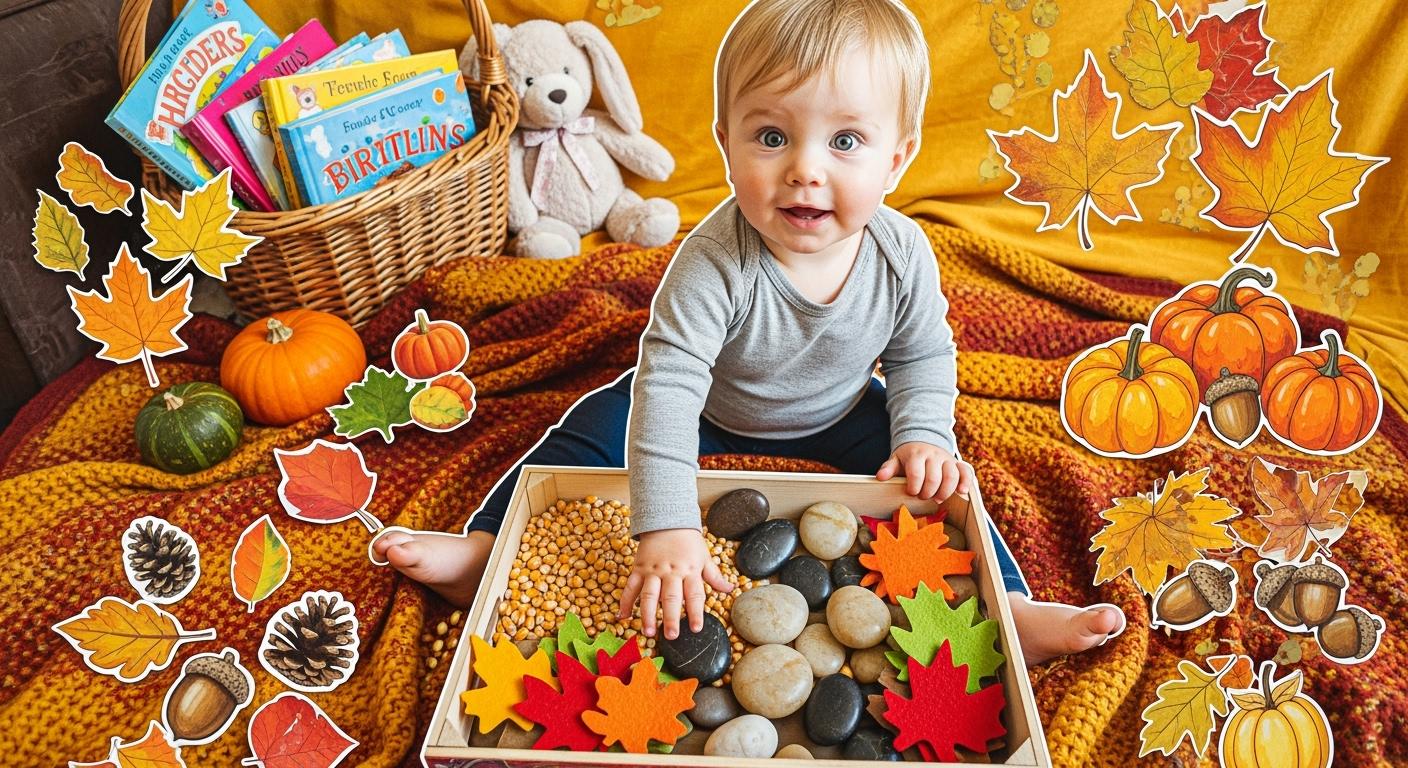
You can help your toddler get curious this autumn. Sensory exploration makes learning fun and joyful. Autumn sensory activities let kids crunch leaves. They can scoop pumpkin guts with a Messy Play Tray. Kids use a Sensory Tray or Wooden Sensory Bin to discover new things. These activities help early math skills. They also build fine motor skills and creativity. Outdoor fall adventures keep kids moving. Traditions help kids feel like they belong. Every autumn sensory play can be changed for any child. Each day brings a new adventure.
Key Takeaways
Autumn sensory activities help your toddler’s brain grow. These activities also help improve memory. Play with your child to teach them new skills. Make learning fun and easy for them.
Use things from nature for sensory play. Gather leaves, acorns, and pumpkins together. Feel the different textures and see the bright colors. Listen to the sounds these items make.
Add taste and smell to playtime. Try apple tasting with your child. Use spiced playdough for a fun activity. Learn about flavors in a hands-on way.
Safety is very important during sensory play. Watch your child at all times. Pick materials that are safe and clean. This helps everyone have a good time without worry.
Change activities to match your child’s needs. Use different textures or scents if needed. Make sure every child enjoys sensory play. This includes kids who have sensitivities.
Why Autumn Sensory Activities Matter
Sensory Play Benefits for Toddlers
You may ask why autumn sensory activities are important. When you set up these activities, your child learns by doing. Sensory play helps your child’s brain get stronger. It also helps them remember things better. These activities build skills that last a long time.
Here are some main benefits your child gets from sensory play:
Brain development gets better.
Memory grows as your child explores.
Problem-solving skills get stronger.
Fine motor skills improve.
Language and social skills get better.
Observation skills get sharper.
Creative and independent thinking increases.
Emotional control becomes easier.
Attention and focus get better.
Motor planning and sensory processing improve.
Your child learns about the world and builds skills for life.
You can see how these activities help your child’s future. Sensory play is not just fun. It helps your child grow in many ways.
Tip: Try using different textures and smells in your fall sensory activities. This keeps things fun and helps your child stay interested.
Here’s a quick look at the skills your child can build:
Skill Type | Description |
|---|---|
Your child learns to talk about what they feel and think. | |
Gross Motor Skills | Activities help big muscles for jumping and walking get stronger. |
Fine Motor Skills | Hand and arm movements get better for writing and using tools. |
Problem-Solving Abilities | Your child learns to solve problems by playing and trying new things. |
Emotional Regulation | Sensory play helps your child calm down and control their energy. |
Unique Fall Experiences
Autumn has special sights, sounds, and smells you do not find in other seasons. When you and your child try autumn sensory activities, you both enjoy the bright colors, cool air, and crunchy leaves. These moments give your child new ways to learn.
Autumn sensory play brings new things to see and touch, like colorful leaves and rough or smooth objects. This helps your child’s senses get stronger.
The change to fall can be hard for some kids, especially those with sensory processing differences. Fall sensory activities can help your child feel safe and comfortable.
Playing with autumn items helps your child learn patience, solve problems, and control their feelings.
Let’s see how autumn activities help different senses and skills:
Skills Developed | Targeted Senses |
|---|---|
Visual and touch senses | |
Visual perception, attention, and impulse control | Visual sense |
Fine motor, eye-hand coordination, body awareness | Touch, visual, and body senses |
You can make every fall day a chance for your child to learn and grow. Autumn sensory activities turn simple times into great learning moments.
Fall-Themed Sensory Bins for Toddlers
Fall-themed sensory bins let kids feel autumn at home. You can use these bins inside or outside. They work in any weather. Sensory bins help toddlers learn about textures, colors, and sounds. These bins also help kids build important skills. If you want your bins to be special, Leemoland has great sensory toys and bins. Their products work for all kids, even those with learning challenges.
Leaf and Pinecone Bin
Start with a leaf and pinecone bin. Collect leaves and pinecones from your yard or park. Put them in a big container. Add dry beans, oats, or kinetic sand for more texture. Toddlers like to scoop, pour, and sort these items. The different textures help kids use their sense of touch. This activity helps kids feel calm, especially those with autism.
Leaves and pinecones help kids use their hands.
Kids learn to sort and compare objects.
Feeling textures and seeing colors connects kids to nature.
Naming each item helps kids learn new words.
Tip: Add Leemoland sensory toys to your bin. Their toys are safe for kids with Autism or ADHD. These toys help kids stay interested and calm.
Leemoland Sensory Toy Benefit | Description |
|---|---|
Safe for all children | Made for Autism, ADHD, and learning challenges |
Promotes emotional health | Playing with hands helps motor skills and feelings |
Shapes social interaction | Touching toys helps curiosity and social skills |
Pumpkin Guts Bin
A pumpkin sensory bin is a fun fall activity. Cut open a pumpkin and take out the guts and seeds. Put them in a bin or bag. Toddlers like to squish and move the slimy pumpkin guts. This activity is messy, but you can use a bag to keep it clean. Scooping pumpkin guts helps kids use their hands. Kids can also make sounds by tapping the pumpkin.
Scooping pumpkin guts makes hand muscles stronger.
Kids hear sounds when they tap the pumpkin.
Putting the pumpkin top back helps kids solve problems.
Squishing guts in a bag gives touch fun without mess.
Note: Always watch toddlers during sensory play. Use safe fillers that kids cannot choke on. Make sure everything is clean and has no mold.
Acorn and Bean Bin
Acorn and bean bins are easy and fun to make. Fill a container with dry beans and acorns. Add cups, bowls, ladles, and tongs for scooping. Toddlers like picking up acorns with tongs and counting them. These bins help kids use their hands, focus, and learn math.
Scooping acorns with ladles helps hand skills.
Pouring beans into cups builds focus.
Picking up acorns with tongs makes small muscles stronger.
Counting acorns and pinecones teaches early math.
Activity Description | Skills Developed |
|---|---|
Scooping acorns with ladles | Hand-eye coordination, Fine motor skills |
Pouring into cups and bowls | Scooping and pouring skills, Focus and concentration |
Picking up acorns with tongs | Fine motor skills, Focus and concentration |
Counting acorns and pinecones | Math skills, Vocabulary development |
Tip: Leemoland sensory toys make bins even better. Use labeled containers to set up and organize. Let your child help set up the bin. This helps kids feel proud and excited to play.
Popular Materials for Fall-Themed Sensory Bins
Mix and match materials to keep bins fun. Here are some favorites from teachers:
Cinnamon sticks
Dry beans
Leaves
Dry oats
Dry corn kernels
Kinetic sand
You can also use water with acrylic leaves or a corn bin with kitchen tools. These ideas add variety and keep sensory play exciting.
Remember: You can change fall sensory bins for kids with special needs. Use different textures and colors to interest every child. Put a plastic tablecloth under the bin to catch spills and keep things clean.
Fall-themed sensory bins are an easy way to bring sensory play home. You help toddlers learn skills, explore nature, and enjoy autumn. With Leemoland’s toys and bins, you can make safe and happy play for every child.
Nature-Based Fall Sensory Activities
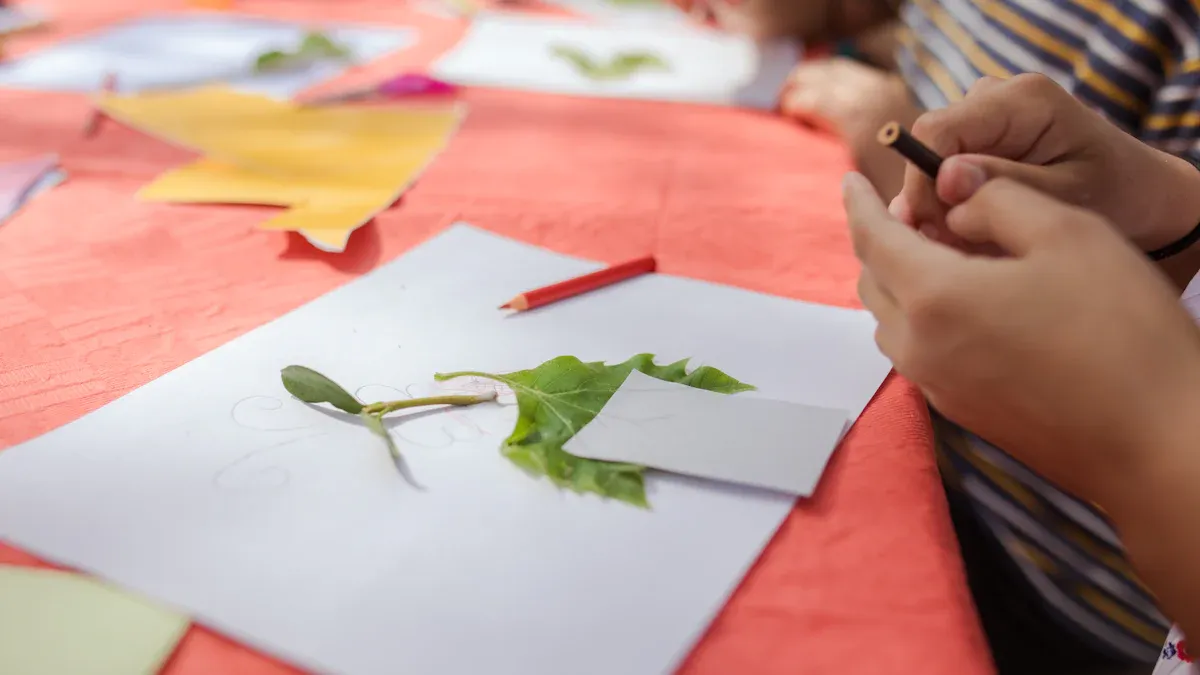
Autumn is a great time to go outside with your toddler. The cool air and bright leaves make walks fun. You smell the earth and see new things everywhere. Nature-based fall sensory activities help your child learn about the world. You can make a walk into a learning time. These activities help your child get curious and use their senses. They also help you make happy memories together.
Leaf Walk and Crunch
Go outside and find a pile of leaves. Ask your toddler to walk, jump, or roll in them. Listen to the leaves crunch under their feet. This sound helps your child pay attention. The colors and shapes make each step fun.
Your child watches leaves move, which helps hand-eye coordination.
Crunching leaves helps your child listen and focus.
Touching leaves gives your child new feelings.
Jumping in leaves helps your child learn about their body.
Tip: Ask your toddler to find the biggest leaf or the brightest color. This makes the walk a game and helps your child use their imagination.
You can pick up leaves for crafts at home. Try rubbing leaves or sorting them by size and color. These easy activities keep your child busy and learning.
Acorn & Pinecone Hunt
Go look for acorns and pinecones outside. You can do this in your yard, at the park, or on a trail. Give your toddler a basket or bag. Ask them to find different shapes, sizes, and colors. This hunt is like a treasure search and helps your child learn.
Looking for acorns and pinecones helps your child solve problems.
Picking up and sorting these things helps your child notice details.
Feeling pinecones and acorns gives your child new touch experiences.
You can use what you find for sorting games or crafts.
Note: Check for sharp or broken pieces before your child touches natural items.
This activity helps your child learn early math. Count acorns together or sort pinecones by size. You can use them in sensory bins or other fall activities.
Texture Collection Walk
Go for a walk and find things with different textures. Look for soft moss, rough bark, smooth stones, or fuzzy seed pods. Let your toddler touch and talk about each one. This walk helps your child see the world in new ways.
Sensory walks help your child think and solve problems.
Touching textures helps your child use all their senses and pay attention.
These walks help your child control feelings and move better.
You can use the textures you find for sensory play at home.
Try making a texture collage with your finds. Glue them to paper and talk about how each one feels.
Texture walks help your child learn and make friends. They help your child feel calm and brave in new places. You can use these walks for crafts or pretend play at home.
Nature-based fall sensory activities help your child explore and grow. You make special times that help your child learn and bring your family closer. Every walk is an adventure when you see things through your toddler’s eyes.
Taste and Smell Fall Sensory Play
You can make fall sensory play more fun with taste and smell. These activities let toddlers find new flavors and scents. You will see your child smile when they try something new. Here are three easy ideas to make autumn special.
Apple Tasting Game
Play an apple tasting game with your child. Cut up red, green, and yellow apples. Let your toddler touch, smell, and taste each slice. Ask them to share what they notice. Is it crisp, sweet, tart, or juicy? This game helps your child learn new words. It also helps picky eaters try new foods. You can talk about colors and shapes while you play.
Aspect | Description |
|---|---|
Engagement | |
Fun | Tasting apples makes fall sensory play exciting. |
Language Development | You help your child learn words for tastes and textures. |
Interdisciplinary Learning | You can sort apples, count slices, and talk about where apples grow after pumpkin picking. |
Apple tasting teaches new words.
Your child uses words like “crisp” and “juicy.”
This activity helps taste and smell senses grow.
Spiced Playdough Fun
Make spiced playdough at home for fall sensory play. Add cinnamon, nutmeg, or pumpkin spice to the dough. You can mix in rice or seeds for texture. Let your child roll, squish, and poke the dough. This helps hand muscles get stronger and sparks creativity. You can shape pumpkins or leaves for extra fun.
Benefit | Description |
|---|---|
Fine Motor Skills Development | Playing with playdough helps your child get ready for writing. |
Sensory Exploration | Spices and seeds make fall sensory play more interesting. |
Creativity | Your child can make pumpkins, leaves, or anything they want. |
Sensory Stimulation | Smells and textures help your child explore safely. |
Focus Improvement | Calming playdough activities help kids with autism focus better. |
Spiced playdough is safe to taste if you use edible ingredients.
You can play with friends and learn to share.
Scented Fall Bottles
Make scented fall bottles for sensory play. Fill clear bottles with cotton balls. Add a few drops of cinnamon, apple, or pumpkin spice oil. Let your child shake and sniff each bottle. Ask them to guess the scent. This activity helps your child be creative and learn about new smells.
You can use pumpkins, apples, or leaves for ideas.
Tip: Always make sure scents are safe for toddlers before you use them.
Taste and smell fall sensory play brings autumn inside. You help your child learn, explore, and have fun with simple activities.
Creative Autumn Sensory Play Ideas
You can make any autumn day fun with sensory play. These activities help toddlers use their imagination. Kids learn new skills while they play. Every child can join in, even those with Autism or ADHD. Leemoland’s toys make sensory play more exciting and welcoming.
Pumpkin Painting
Pumpkin painting is a favorite fall activity. You can use brushes, sponges, or fingers to decorate. This lets your child try art and see bright colors. Painting helps your toddler build fine motor skills. It also helps them focus and solve problems. Kids can show their creativity while painting pumpkins.
Art uses many senses at once.
Kids look closely at pumpkins and colors.
Imaginative play teaches skills like washing hands.
Leemoland’s textured tools or plush animals help kids who need extra sensory support.
Benefit | Description |
|---|---|
Creativity | Painting pumpkins helps kids use their imagination. |
Fine Motor Skills | Brushes and stickers make fingers stronger. |
Sensory Exploration | Touching pumpkins gives a rich sensory feeling. |
Problem-Solving | Decorating pumpkins helps kids think in new ways. |
Leaf Rubbing Art
Leaf rubbing art brings nature inside. Put a leaf under paper and rub crayons on top. Your child will see the leaf’s shape and texture appear. This activity builds hand-eye coordination and finger strength. Kids choose colors and patterns to make their own art.
Leaf rubbing helps kids think and learn.
Kids practice using their fingers with care.
Leemoland’s sensory bins or fidget toys help kids focus and enjoy the activity.
Cozy Indoor Sensory Recipes
You can make cozy sensory recipes with play dough, apple printing, or pasta threading. These activities help kids use their imagination and stay curious. Kids explore textures, shapes, and colors. Fall crafts like collages or pinecone bird feeders make playtime fun.
Play dough lets kids squish, roll, and shape things.
Apple printing and water play use different senses.
Pumpkin picking and sorting games help kids move and solve problems.
Leemoland’s mindfulness toys and textured tools help kids with Autism or ADHD join in.
Type of Toy | Purpose and Benefits |
|---|---|
Sensory Bins | Kids feel textures, relax, and focus. |
Textured Tools | These tools help kids touch and explore. |
Mindfulness Toys | These toys help kids feel calm and manage feelings. |
Weighted Plush Animals | Plush animals give comfort and help kids feel safe. |
Fidget Toys | Fidget toys help kids feel less anxious and focus better. |
You can make every autumn day special with sensory play. These activities help toddlers learn, grow, and spend time with family.
Safety Tips for Fall Sensory Activities
Supervision and Safe Materials
You want your toddler to have fun, but safety comes first. Always keep an eye on your child during sensory activities. Toddlers explore with their hands and mouths, so you need to check every item before play starts. Pick materials that are clean and free from sharp edges. If you use natural items like leaves or pinecones, wash them and look for mold or bugs. For water play, never leave your child alone, even for a second. Small toys or pieces can be a choking risk, so choose items that are big enough and made as one solid piece.
Leemoland makes safety a top priority. Their sensory toys follow strict standards to keep your child safe. Here’s what you get with Leemoland products:
Non-toxic and BPA-free materials, so toys are safe if your child puts them in their mouth.
Durable and age-appropriate designs that stand up to rough play.
Toys checked for choking hazards, with large parts or solid construction.
Tip: Always read the age label on toys and bins. If you’re not sure, ask your child to show you how they play. You’ll spot any risks right away.
Adapting for Sensitivities
Every child is different. Some kids have allergies or sensory sensitivities. You can change activities to fit your child’s needs. If your toddler doesn’t like certain textures, swap them out for something softer or smoother. Use unscented materials if strong smells bother your child. For kids with Autism or ADHD, try weighted plush toys or fidget tools from Leemoland. These help your child feel calm and focused.
You can also set up a quiet space for play. Dim the lights or play soft music. If your child gets overwhelmed, let them take breaks. Ask your child what feels good or what makes them uncomfortable. You’ll learn what works best for your family.
Remember: Safety means listening to your child and making changes when needed. You create a safe and happy place for learning.
You give your toddler so much when you try autumn sensory activities together. These moments help your child grow and bring your family closer.
Sensory play boosts thinking skills, hand strength, and helps your child manage feelings.
Exploring nature with your child builds strong family bonds.
Simple games like leaf sorting spark early math and problem-solving.
You can make sensory play easy and safe with Leemoland. Try new ideas, change them for your child, and enjoy every fall day.What’s your favorite fall sensory activity? Share your story in the comments!
FAQ
What if my toddler doesn’t like messy play?
You can start with dry materials like leaves or beans. Try using sealed bags for squishy items. Let your child choose what feels good. You can always switch to cleaner activities if your child feels uncomfortable.
How do I adapt sensory play for children with Autism or ADHD?
You can use weighted plush toys or fidget tools from Leemoland. Create a quiet space with soft lighting. Let your child take breaks. Ask what textures or sounds feel best. Every child is different, so keep trying new ideas.
Are Leemoland sensory toys safe for toddlers?
Yes! Leemoland sensory toys use non-toxic, BPA-free materials. The toys have large parts and solid designs. You get products that meet strict safety standards. Always check the age label before play.
Can I do these activities indoors?
Absolutely! You can set up sensory bins, art projects, or taste games inside. Use a tablecloth to catch spills. Indoor play works well on rainy days or when you want a cozy activity.
What materials should I avoid in sensory bins?
Skip small items that could be choking hazards. Avoid anything sharp, moldy, or dirty. Always wash natural materials first. If you’re unsure, stick with safe toys from trusted brands like Leemoland.
See Also
10 Clean Sensory Activities for Nurseries in 2025
10 Engaging Sensory Experiences for Preschool Learning
10 Innovative Sensory Space Concepts for Autistic Kids
