10 Must-Have Autism Friendly Toys That Encourage Learning
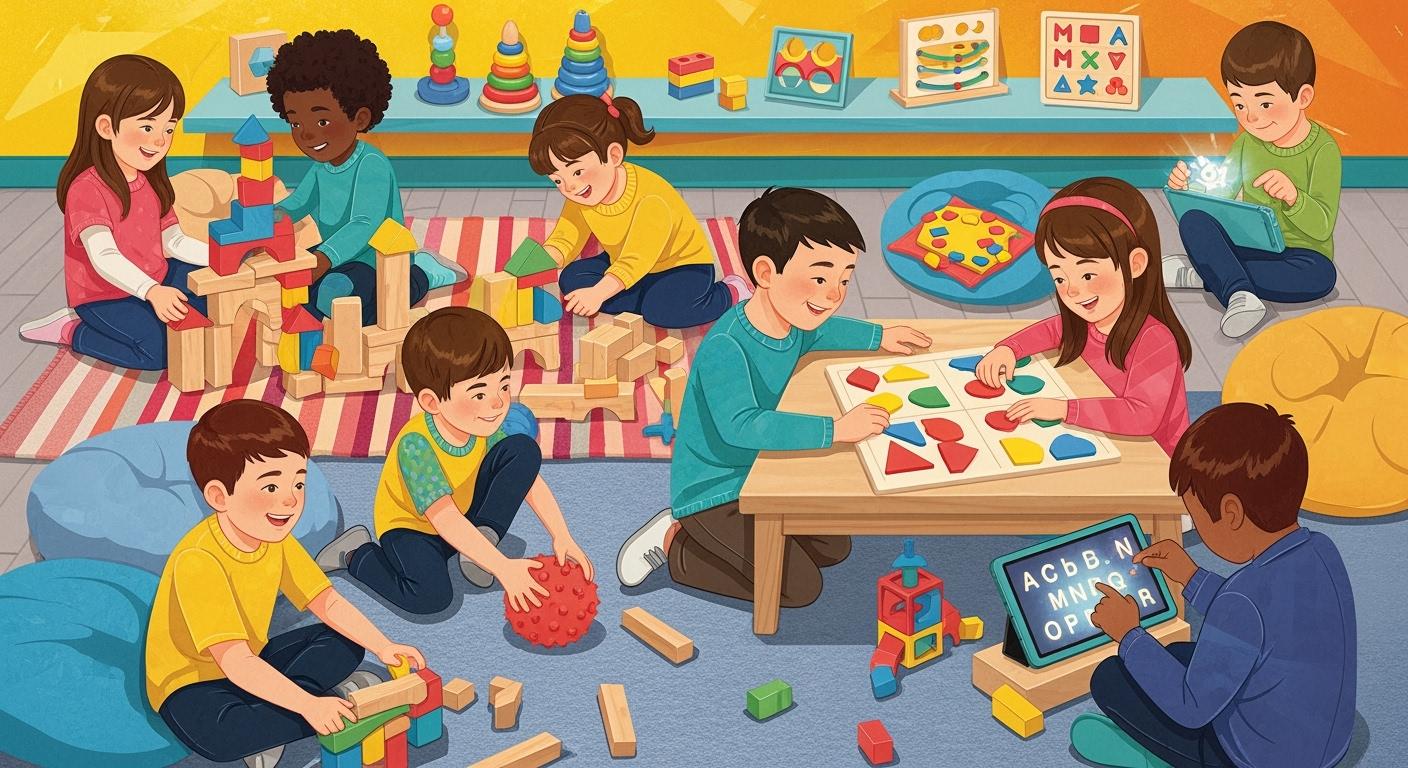
Choosing good toys for autistic children can help them learn. Picking autism friendly toys helps kids grow in many ways. These toys are not just for fun. They help kids control their senses. They also help kids talk and learn new skills.
Sensory toys help kids relax and pay attention.
Playing with toys helps kids use small and big muscles.
Playing together helps kids learn to talk and make friends.
You help your child every time you choose toys that fit their needs.
Key Takeaways
Picking autism-friendly toys helps your child learn and grow.
Sensory toys help kids handle feelings and pay attention better.
Playing with toys helps kids learn to share and talk to others.
Choose toys your child likes to keep them interested.
Playing every day, even for a short time, helps your child a lot.
Why Autism Friendly Toys Matter
Play and Autism Development
You may ask why play matters for autistic kids. Play gives your child a safe place to try new things. It helps them learn about feelings and build skills. When you play together, your child learns to share and take turns. They also learn to talk about their feelings. Play helps your child practice social skills. It also helps them handle emotions.
Here are some ways play helps kids with autism grow:
Play helps kids learn to talk and get along with others. It also helps them control their feelings.
Sensory toys help your child notice sights, sounds, and textures. This can help them feel calm and help their brain grow.
When toys match what your child likes, they get more excited to learn.
Play therapy uses fun and rewards to keep your child interested.
Watching and copying others during play teaches your child how to act with friends and adults.
Skills learned during play often show up in real life. This helps changes last longer.
Tip: Try to play with your child every day. Even a few minutes can help a lot!
Key Features of Autism Friendly Toys
Not all toys work for every child. Autism friendly toys have special things that help autistic kids feel good and learn better. These toys help with sensory needs and talking. They also connect with your child’s favorite things.
Here is a quick look at what makes a toy autism friendly:
Feature | Description |
|---|---|
Sensory Needs | Helps with sensory needs and gives good sensory experiences. |
Communication Support | Helps your child talk and interact. |
Special Interests | Connects to what your child loves and brings comfort. |
Predictability | Works the same way each time, which helps your child feel less worried. |
Sensory Match | Fits what your child likes or does not like about senses. |
Opportunities for Repetition | Can be used again and again, which feels safe and fun. |
Low Social Demands | Can be played with alone before playing with others. |
Visual Structure | Has clear and organized parts for kids who learn by seeing. |
Minimal Language Requirements | Fun to use even if your child does not talk much or follow many instructions. |
When you choose toys with these features, your child feels safe and happy. They are also ready to learn.
Top Sensory Play Toys for Autism
Playdough and Kinetic Sand
Playdough and kinetic sand are fun sensory toys. They feel soft and squishy in your hands. Your child can squeeze, roll, or shape them. These textures help calm your child and help them focus. Pressing and shaping playdough makes hands and fingers stronger. This helps with writing and self-care skills. Kinetic sand moves between fingers and feels different. Your child can try new sensations with these toys. Creative play with these toys helps your child handle sensory input. It also helps them learn to calm themselves. Many autistic children like the deep pressure and making new things.
Tip: Make simple shapes or animals together. Talk about colors and textures while you play.
Textured Balls
Textured balls are sensory toys that mix touch and movement. Some balls have bumps, ridges, or soft spikes. These textures let your child feel new things. Squeezing or rolling a textured ball gives tactile input. This can help your child get used to touch or wake up their senses. Playing catch or rolling the ball builds coordination and balance. The ball’s movement helps with balance too. Many autistic children enjoy the feeling from these toys. You can use textured balls for games or exercises. These activities help with motor skills and self-control.
Textured balls help your child:
Build coordination
Practice balance
Try new sensations
Manage sensory responses
Sensory Bins
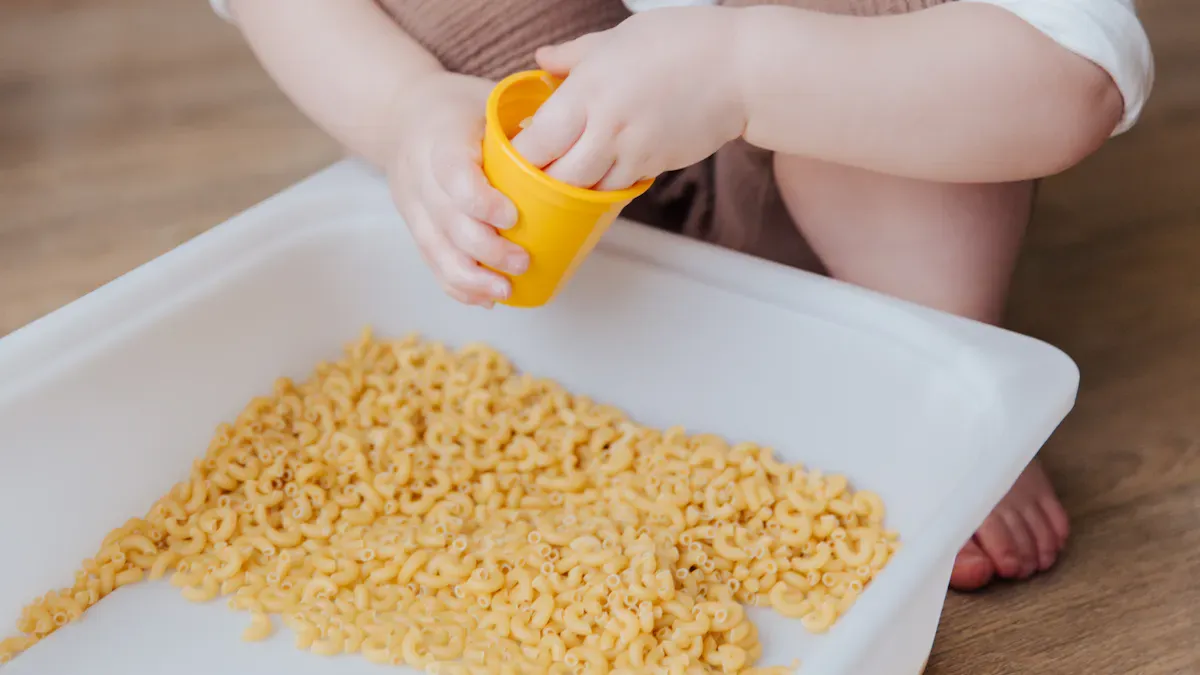
Sensory bins are popular sensory toys. Fill a bin with rice, beans, water beads, or sand. Add small toys, scoops, or cups for more fun. Your child can dig, pour, and sort things in the bin. This lets them explore textures, colors, and shapes. Sensory bins help calm your child’s mind and lower anxiety. Scooping and pouring help build fine motor skills. Ask your child to talk about what they find. This helps with language and talking. Sorting and counting objects in the bin help thinking skills. Sensory bins also help with social skills when you play together or with friends.
Note: Change what’s in the bin to match your child’s likes or needs.
Fidget Spinners and Stress Balls
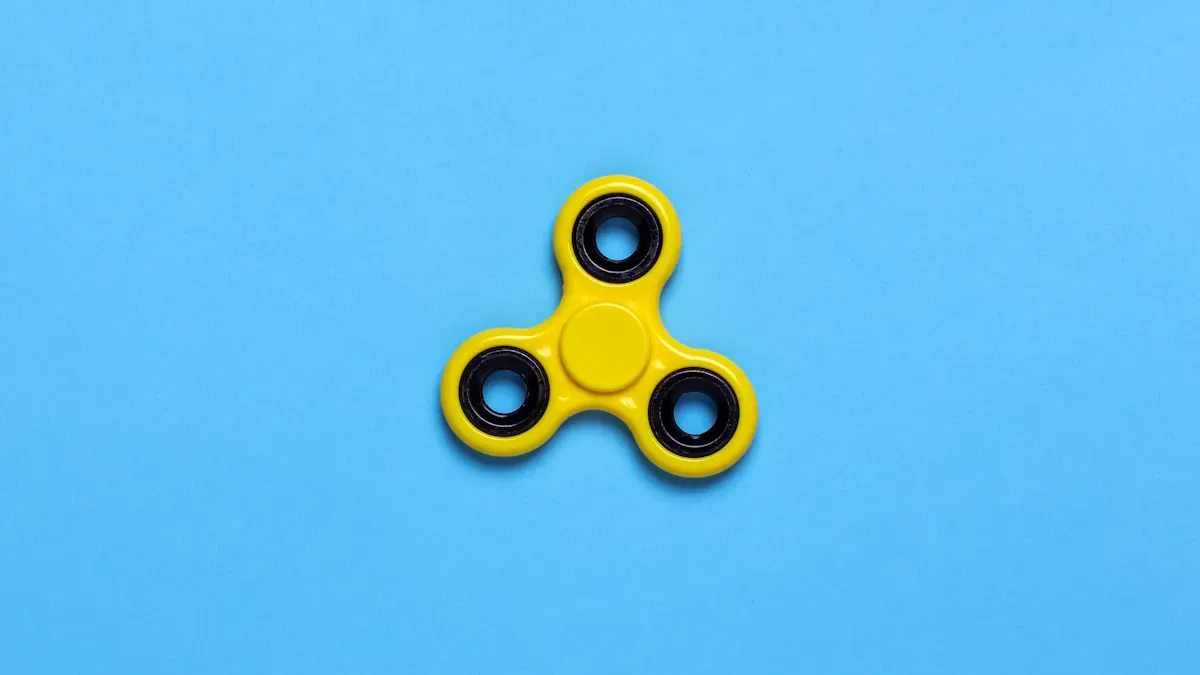
Fidget spinners and stress balls are good sensory toys. They help your child handle stress and stay focused. Give your child a spinner or stress ball if they feel restless. Spinners give visual and touch input. Stress balls give deep pressure when squeezed. These toys help your child feel calm and control emotions. Many autistic children use fidget tools to show feelings and stay busy. Use these toys during homework, therapy, or quiet time. They fit your child’s sensory needs and help with self-awareness.
Toy | Benefits for Autistic Children |
|---|---|
Fidget Spinner | Helps focus, lowers anxiety, controls sensory input |
Stress Ball | Gives calming pressure, helps show feelings |
Sensory toys like these help your child every day. They make sensory play fun and support learning. These toys help your child relax, grow, and explore. Choosing autism friendly toys lets your child feel safe and happy.
Best Autism Friendly Toys for Learning
Building Blocks and Construction Sets
You can never go wrong with building blocks and construction sets. These sensory play toys let your child stack, sort, and build anything they imagine. When your child grabs and connects blocks, they use fine motor skills and learn how things fit together. Occupational therapists often use these toys to help autistic children plan, solve problems, and get better at using their hands. Research shows that early motor skills from stacking blocks can lead to better thinking and even stronger social skills later on.
Skill Developed | How Building Blocks Help |
|---|---|
Fine Motor Skills | Picking up and stacking blocks strengthens hands |
Cognitive Skills | Planning and building boosts problem-solving |
Social Skills | Playing together teaches sharing and teamwork |
Cause-and-Effect Toys
Cause-and-effect toys make learning fun and clear. These sensory play toys include things like pop-up animals, musical instruments, or toys that light up when pressed. Your child learns that their actions make something happen. This gives them a sense of control and helps them feel safe. These toys also lower anxiety because your child knows what will happen next. Repeating the same action helps your child remember and understand cause and effect. You will see your child think, try new things, and solve problems during sensory play.
Light-Up and Color-Changing Toys
Light-up and color-changing toys bring a positive sensory experience to your child’s world. These sensory play toys can calm your child and help them focus. Experts say that soft, changing lights help autistic children feel less stressed and more engaged. Dr. Gemma Goldenberg explains that light helps children understand their space and feel safe. Multi-sensory play, like using light-up toys, leads to better learning and social skills. You can use these toys during quiet time or as a reward for good behavior.
Light-up toys can:
Calm and soothe
Encourage focus
Make sensory play more exciting
Animal Figurines and Stacking Toys
Animal figurines and stacking toys open the door to imagination. Your child can use these sensory play toys to act out stories, learn about animals, and practice talking. Playing with figurines helps your child name body parts and show feelings. Stacking toys let your child build towers and knock them down, which is fun and teaches balance. These toys help your child share ideas, take turns, and pay attention to others. Imaginative play with animal figurines and stacking toys builds social skills and helps your child express themselves.
Tip: Join your child in play. Ask questions about their creations or stories. This helps build language and connection.
Calming and Self-Regulation Toys for Autistic Children
You want your child to feel safe while playing. Calming toys help autistic children handle stress and focus better. These sensory play toys give good sensory experiences. They also help with sensory integration therapy. You can use these toys to help with sensory processing disorder. They help your child learn to control their feelings.
Weighted Plush Toys
Many autistic children like weighted plush toys. These toys use deep pressure touch. The gentle weight helps your child relax and breathe slowly. Your child may feel safer and less worried with a weighted plush toy. The soft feel and steady weight make things feel the same each time. This helps your child feel calm. Your child might feel close to these toys. They can hold them when things feel too much.
Tip: Keep a weighted plush toy close during changes or hard times. It can help your child feel steady.
Chewable Necklaces and Chew Toys
Chewable necklaces and chew toys are good for kids who like to chew. These toys give a safe way to chew and stay calm. Chewing helps your child focus and feel less worried. You can use chewable toys to help with mouth skills. They also stop your child from chewing unsafe things. Many autistic children like these toys, especially if their mouth is sensitive. Sensory toys like these help with too much or too little sensory input.
Chewable toys:
Help with mouth skills
Lower anxiety
Give safe sensory input
Fidget Boards
Fidget boards are sensory toys with many textures and things to do. Your child can twist, slide, or press different parts. These toys help your child stay busy and pay attention. Fidget boards give touch input. This can lower worry and help with control. You can use fidget boards during homework or quiet time. They are autism friendly toys that help with sensory needs. They also help your child calm down.
Note: Fidget boards are good for kids who need to keep their hands busy. Try different textures to see what your child likes.
Calming toys like weighted plush toys, chewable necklaces, and fidget boards help autistic children feel safe and in charge. You can use these sensory toys every day to help your child feel calm and in control.
Choosing the Right Sensory Toy
Sensory Preferences
Each child likes different sensory things. Some kids like soft textures or bright colors. Others like toys that light up or make gentle sounds. Some children want toys they can squeeze or twist. Watch your child to see what they enjoy most. Sensory toys help kids learn about their world. These toys help them handle different feelings from their senses. Sensory toys can help your child feel calm and focus better. They also help your child use their hands. You can use these toys to help your child play with others.
Tip: Watch your child while they play. See which toys they like best and which ones help them relax.
Age and Developmental Stage
Pick toys that fit your child’s age and skills. Little kids need simple toys they can touch or look at. Older kids may like toys for building or playing with friends. Always check for safety and avoid small parts for young kids. Here is a quick guide to help you pick:
Age Range | Play Milestones | Examples of Activities |
|---|---|---|
0-1 year | Bonding, exploring with simple toys | Feeling, mouthing, looking at toys |
1-1.5 years | Imitating daily functions | Pushing buttons, opening containers |
1.5-2 years | Making toys perform functions | Filling, pouring, pushing cars |
2-3 years | Completing play scenarios, engaging in group play | Building towers, role-playing, turn-taking |
3-4 years | Social and group play | Playing house, playing with peers |
Always read the toy’s label for age rules. Pick strong toys that can take rough play and are easy to carry.
Learning Goals
Think about what you want your child to learn. Do you want to help them calm down or get stronger hands? Maybe you want them to practice talking. Pick toys that match your child’s needs and what they like. Here is a quick look at how toys help learning:
Category | Benefits |
|---|---|
Sensory Toys | Help with calming, lower anxiety, and give soothing input |
Fine Motor Toys | Make hands stronger and help with control |
Gross Motor Toys | Help with moving, balance, and knowing their body |
Communication Toys | Help with speech, language, and sharing ideas |
Social Skills Toys | Teach turn-taking, sharing, and playing with others |
STEM and Cognitive Toys | Build problem-solving, focus, and cause-and-effect skills |
Imaginative Play Toys | Grow creativity and pretend play |
You can use toys during daily routines, therapy, or playtime. Start with easy toys and pick ones that your child can use as they grow. Safety is important, so always check for good quality and health rules.
Note: If you need help, local groups and schools can help you pick autism friendly toys.
Picking the best toys helps your child learn and feel good. When you choose toys your child likes, they feel safe and happy. Experts say toys should help with talking, moving, and making friends. Here are some important things to remember:
Key Takeaway | Why It Matters |
|---|---|
Helps your child feel calm and focused | |
Predictability | Makes playtime safe and comforting |
Keeps your child engaged and happy |
You are doing a great job. Have fun playing and see your child grow!
FAQ
What makes a toy autism friendly?
You look for toys that match your child’s sensory needs and interests. Autism friendly toys offer predictable play, simple instructions, and safe textures. These toys help your child feel calm and excited to learn.
How do sensory toys help my child?
Sensory toys give your child new ways to explore touch, sound, and sight. They help your child relax, focus, and build skills. You see your child feel happier and more comfortable during play.
Can I use regular toys for autistic children?
You can use regular toys if they fit your child’s needs. Watch how your child reacts. If your child feels safe and enjoys the toy, it works. You may need to adjust or add sensory features.
How do I choose the right toy for my child?
You start by noticing what your child likes. Pick toys that match their age, skills, and sensory preferences. Try different options and see which ones help your child learn and feel good.
Where can I find autism friendly toys?
You find autism friendly toys online, at specialty stores, or through therapy centers. Many local groups and schools offer advice. Ask other parents or caregivers for recommendations.
See Also
10 Engaging STEM Toys That Inspire Fun Learning Adventures
10 Innovative Sensory Space Concepts for Kids with Autism
The Role of Sensory Toys in Enhancing Motor Skills for Autistic Children
Sensory Toys for Autism Create a Calm and Joyful Play Experience
