Therapy Room Comfort Boosts with Cozy Decor
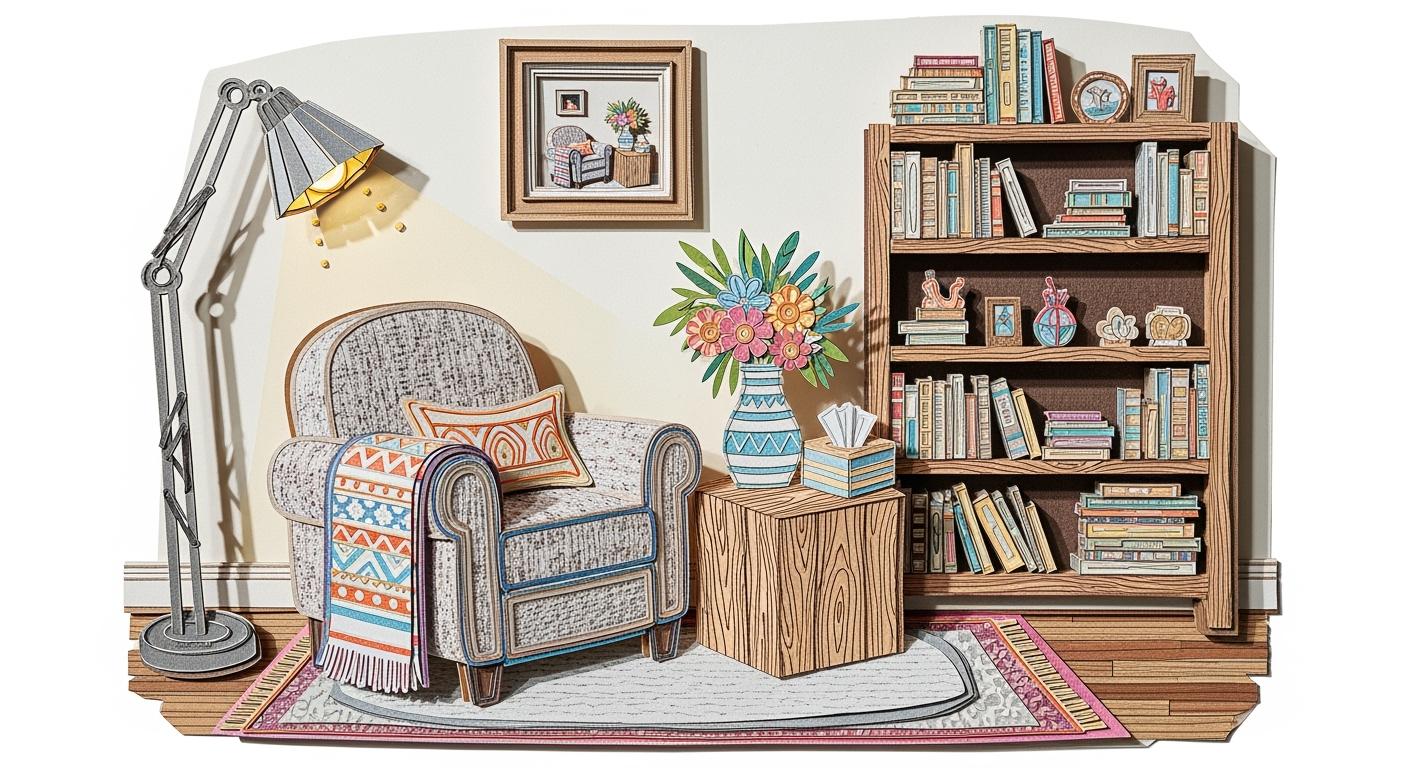
You can change a small therapy room to make it feel warm and welcoming. Simple decor changes help the space feel safe and personal. Cozy touches make the room more inviting for everyone.
Clients must feel safe to share private thoughts and feelings. Good interior design helps create privacy. Privacy is important for building trust. When clients feel comfortable, they relax more. They open up and talk about important things.
Decor makes clients feel better in the room. Feeling comfortable shapes how clients see their therapy.
The therapy room should be safe and comfortable. Clients need to feel calm and relaxed. This helps them share thoughts and feelings. They do not worry about being judged or interrupted.
Even a small therapy room can be cozy and welcoming for therapy.
Key Takeaways
Change your therapy room with soft things like throws and cushions. These items make the room feel warm and welcoming. They help clients feel safe and comfortable.
Use warm, soft lights to make your therapy space better. This lighting helps people relax. It also makes it easier for clients to talk during sessions.
Add sensory things like calming smells and gentle music. These touches help clients relax. They make the therapy room peaceful.
Soft Furnishings in the Therapy Room
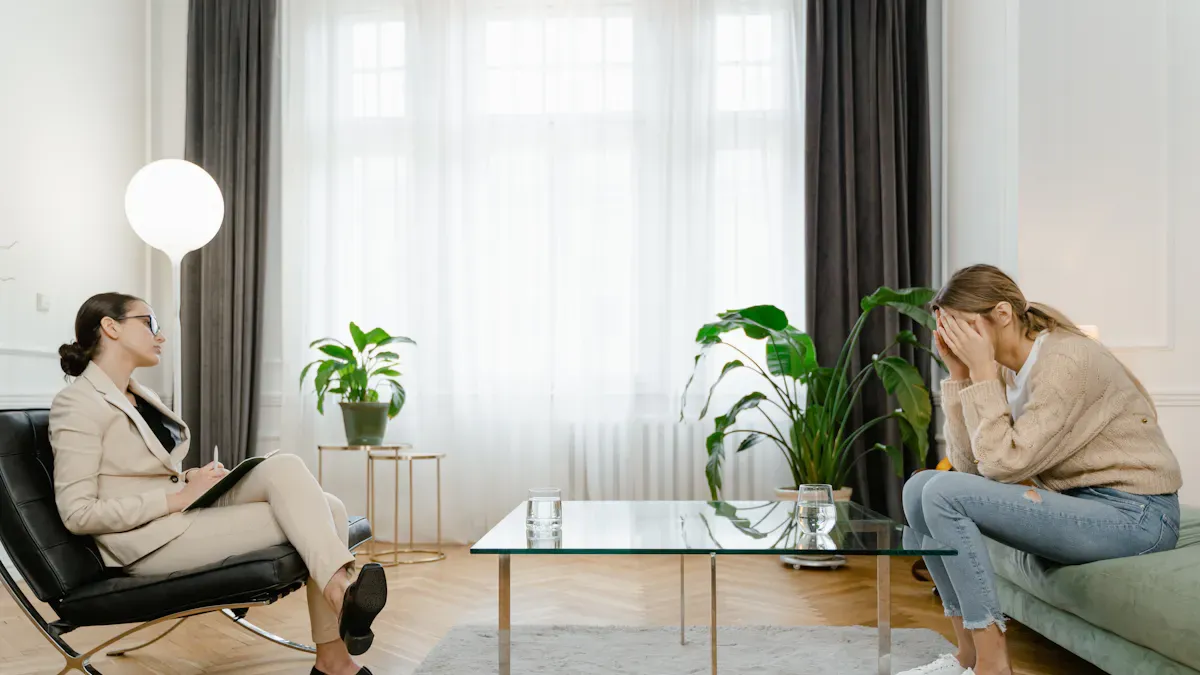
You want your therapy room to feel safe. Soft furnishings help make it cozy. When you add plush throws, cushions, curved furniture, and rugs, the room feels like a cocoon. These items make the space more inviting. They help clients feel comfortable.
Plush Throws & Cushions
Picture walking into a therapy room. You see a soft throw on a chair. There are cushions in gentle colors. You feel welcome right away. Throws and cushions give warmth and comfort. They help you relax and settle in. You can hold a cushion or wrap up in a throw. This simple decor helps you feel calm.
Here’s a quick look at how soft furnishings help comfort:
Type of Soft Furnishing | Benefit to Client Comfort |
|---|---|
Fidget options | Help you stay calm during tough times |
Comfort items | Give warmth and comfort you can touch |
Natural textures | Make the room feel soothing and safe |
Acoustic materials | Make the room quieter for privacy |
You can use fidget options or comfort items in your massage room. These things help you feel safe and calm. Natural textures like cotton or wool soothe your senses. Acoustic materials make the room quieter. You can focus on your thoughts.
Curved, Comfortable Furniture
Curved furniture changes how therapy rooms feel. You see a rounded chair or soft sofa. You feel less nervous. Sharp corners can make you feel tense. Curved shapes feel gentle and safe. You can relax more easily.
A good space gives hope and helps healing for you and your therapist.
Safe furniture mixes comfort with function. You do not need harsh lines.
Thoughtful design lowers anxiety and builds safety and comfort.
You can use curved furniture to make your therapy room feel open. Place chairs in a circle or curve. This makes the space feel connected. You feel supported during therapy.
Cozy Rugs & Textiles
Cozy rugs and textiles add warmth to therapy rooms. You step onto a soft rug. You touch linen curtains or velvet pillows. You feel like you are in a retreat. Layered textures make the room feel rich and inviting.
Mixing textures like wool rugs and linen curtains adds warmth. You feel cozy and safe.
Layering velvet duvets and fancy rugs makes a nice retreat. You want to stay longer.
Warm colors and soft things help you feel comfortable. These are important for therapy rooms.
You can use warm neutral colors in your massage room. Colors like blue, green, and pink help you relax. Blue helps you relax and sleep. Green helps your body and mind feel calm. Pink lowers stress. You can pick textiles in these colors for your therapy room.
Furniture placement matters in massage room design. Put rugs under chairs or sofas. Use textiles to soften corners. You make the space feel like a cocoon. You feel safe and comfortable during therapy.
Tip: Try mixing textures and colors in your therapy room. Use throws, cushions, rugs, and curtains. You will see how the decor changes the mood and boosts comfort.
You can change your therapy room with soft furnishings. You make therapy spaces more welcoming. You help clients relax and open up. You build trust and comfort with simple decor and smart furniture placement.
Lighting for Client Comfort
Lighting changes how your therapy room feels. You want the room to feel safe and friendly. Good lighting helps make the space calm and relaxing. It supports comfort and healing for clients. Let’s see how lighting can make therapy sessions feel better.
Soft, Warm Lighting
Soft, warm lighting makes the room feel cozy. You do not use bright fluorescent lights. They can make people feel nervous or uneasy. You choose bulbs with warm colors that glow softly. This lighting helps you and your clients feel safe. When the room feels cozy, you relax more. You talk more easily during therapy. Studies show warm lighting helps clients feel comfortable in therapy rooms.
Dimmers & Diffused Light
Dimmers and diffused light let you change the brightness. You can make the room brighter or dimmer for each session. Here is how these lights help:
Warm LED lights at night help you sleep better
The right color makes you feel happier
Daylight-like lights help you know the time
Smooth dimming keeps the light steady
Less glare makes the room more comfortable
Good color quality makes things look real
Smart dimmers help you set the mood every time. You make the room feel safe and calm for clients.
Candles & Ambient Glow
Candles and soft lamps add a gentle touch. You can use flameless candles or soft lights. They make the room calm and peaceful. This lighting helps clients with anxiety or trauma. When the room feels gentle, clients feel safe. They can connect better in therapy. Soft lights and comfy seats help build trust. Many therapy rooms use soft lights that change like daylight. This helps clients feel better and more satisfied.
Tip: Try using different kinds of lights together. Use lamps, dimmers, and candles to make the room warm and inviting for every therapy session.
Sensory Touches in Massage Therapy Room

You can help people heal by using the senses in your massage therapy room. When you design for calm, you make a peaceful place. This helps clients relax and feel safe. Sensory touches make the room feel special and cozy.
Calming Scents
Aromatherapy is important in massage therapy. You can use scents like lavender, chamomile, and rosemary. These smells help you relax and lower stress. Here is how some essential oils help:
Essential Oil | Benefits | Research Findings |
|---|---|---|
Lavender | Helps you relax and lowers stress | Studies show it lowers anxiety when used with massage |
Chamomile | Lowers stress and helps you sleep | Breathing it in helps your feelings |
Rosemary | Makes you feel awake and less tired | Linked to better mood and clear thinking |
You can use diffusers or scented candles for aromatherapy. The right smell helps you feel calm and peaceful in the room.
Gentle Music
Gentle music helps set the mood in your massage therapy room. You hear soft music and start to feel calm. Music helps you relax and heal. Here is how music helps during massage:
Music makes the room relaxing and tells your brain to calm down.
Music helps your mood, focus, and memory.
It wakes up brain parts that control feelings and memories.
Calming music can help your brain make happy chemicals.
You can play gentle music to make your massage therapy room feel peaceful.
Tactile Objects
Tactile objects bring comfort and healing to your massage therapy room. You can touch soft stones, smooth fabrics, or warm blankets. These things help you feel safe and calm. You can also put live plants in your massage therapy room. Plants help you feel peaceful and close to nature. When you design for calm, you use decor that feels good to the senses and makes the room soothing.
Tip: Try using aromatherapy, gentle music, and tactile objects together in your massage therapy room. You will see more comfort and calm. Clients say they feel relaxed and cared for when you use sensory touches in therapy.
Personal Touches & Art
Soothing Artwork
You can use soothing artwork to change the mood in your therapy room. Art does more than fill empty walls. It helps you and your clients feel calm and focused. When you look at gentle images, your mind slows down. You start to relax. Art therapy works as a real-time regulator for your nervous system. It helps you manage emotions during therapy. You might notice that making or viewing art wakes up your senses and helps you feel grounded. This kind of decor supports emotional safety and trust.
Art with soft lines and peaceful colors can help you feel less anxious.
Rhythmic patterns and gentle shapes help you stay present in the moment.
Clients often feel more open and ready to talk when surrounded by calming art.
Nature Elements
Nature brings life and balance to therapy spaces. You can add plants, water features, or even small stones to your massage room decor. These touches connect you to the outdoors and boost comfort. Many studies show that nature elements lower stress and help your body relax. Here’s what research says:
Study | Findings |
|---|---|
Lee et al. (2025) | Indoor plants lower blood pressure and help you relax. |
Ok et al. (2024) | Forest therapy reduces stress and calms your body. |
Yin et al. (2024) | Short time with nature lowers stress hormones. |
You can place a plant on a table or hang a picture of a forest. These simple changes improve the aesthetics and make your therapy room feel safe.
Warm Neutral Tones
Warm neutral tones set the mood for comfort and healing. You can use colors like soft clay, beige, or gentle browns. These shades make the room feel stable and welcoming. Bright colors can feel harsh, but warm neutrals keep things calm. They help you avoid a cold, clinical look. You want your therapy space to feel like a retreat, not a hospital.
Earth tones create a soothing foundation for all types of aesthetics.
Warm neutrals reduce stress and make it easier to relax.
These colors help you focus on therapy, not on distractions.
Tip: Ask your clients how they feel about the decor and aesthetics. Their feedback can help you create a space that feels even more supportive and comfortable.
Boosting Client Comfort with Functional Luxuries
Beverage Station
You can make your therapy room feel special with a simple beverage station. A small table with coffee, tea, or infused water welcomes clients right away. This little touch shows you care about their comfort and well-being. Research shows that when you offer drinks, you help lower anxiety and create a positive mood. Clients feel more at home and less nervous. You also show respect for their time and needs. A beverage station can turn a plain waiting area into a cozy comfort zone.
Tip: Keep the area clean and tidy. Wipe spills and restock supplies often. Good hygiene and cleanliness matter for boosting client comfort.
Comfortable Seating
You want your clients to feel safe and open during therapy. Comfortable seating helps you do that. A soft couch or chair gives support and makes it easier to relax. Here’s how good seating helps with boosting client comfort:
You feel less anxious when you see a comfy couch.
You open up more when you feel supported.
You trust the space when the seats look safe and welcoming.
A well-placed chair or sofa can change how you see the whole room. You feel respected and equal. You want to stay and talk. Cleanliness and hygiene are important here too. Wipe down seats and check for stains. Fresh, clean seating boosts comfort and shows you care.
Smart Storage
Smart storage keeps your therapy room neat and organized. You can use benches with hidden storage or shelves that blend into the decor. Multipurpose furniture lets you switch between activities fast. Foldable chairs or tables help you adapt the space for each client. When you keep things tidy, you make the room feel calm and safe.
Cleanliness and hygiene matter with storage too. Dust shelves and wipe bins often.
A clutter-free space helps you focus on therapy, not on mess.
Smart storage solutions support boosting client comfort. You create a space that feels organized, welcoming, and easy to use.
Balancing Comfort and Professionalism
Professional Atmosphere
You want your therapy room to feel cozy. It also needs to look professional. A professional space helps clients trust you. Trust is important for therapy. Clients share more when they feel safe. They feel respected when you keep things private. Clear boundaries show respect too. Welcoming decor shows you care right away.
Here are some best ways to keep your therapy room professional:
Pick comfy seats for everyone.
Use warm lights that feel safe.
Make sure clients can find the room easily.
Keep privacy in mind for client dignity.
Add small details that show you care.
Check and update your room often.
A professional room builds a strong partnership. This partnership helps therapy work better. It supports change for clients.
Avoiding Clutter
Clutter makes people feel stressed and distracted. A clean therapy room helps everyone relax. Research shows clutter raises stress hormones. It makes it hard to think clearly. You want your room to help clients feel comfortable.
Evidence Description | Findings |
|---|---|
UCLA research on dual-income families | People in messy homes had more stress. |
Neurological response to clutter | Clutter quickly raises stress and anxiety. |
Feedback loop of cortisol and anxiety | More stress makes it harder to clean up. |
Cognitive resource consumption | Clutter makes it hard to focus and control feelings. |
Keep surfaces clear and put things away. This helps clients feel calm and ready for therapy.
Adapting to Client Needs
Every client is unique. You can change your therapy room to fit their needs. Some clients want more privacy. Others like soft lighting or a special chair. You can ask for feedback and make small changes. This shows you care about their comfort.
Tip: Listen to what your clients say about the room. Small changes can help them feel better during therapy.
When you balance comfort and professionalism, clients feel safe. They feel respected and ready to grow.
You can make your therapy room feel better with easy changes. Use soft lights, comfy chairs, and fun decorations. Look at this table for the best ideas:
Principle | Benefit |
|---|---|
Less stress, more focus | |
Flexible furniture | Comfort and safety |
Engaging play areas | More motivation and joy |
Put in some plants or nice smells to lift the mood. Even small changes can help a lot. Try it now and see how your room makes everyone feel safe and happy!
FAQ
How can I make my therapy room cozy on a budget?
You can add soft throws, use warm lighting, and bring in plants. Small changes like these make a big difference without spending much.
What colors help clients feel calm in therapy rooms?
Soft blues, gentle greens, and warm neutrals work best. These colors help you relax and feel safe during your session.
Do I need special furniture for comfort?
No, you don’t. You can use any chair or sofa that feels soft and supportive. Add cushions or a cozy blanket for extra comfort.
See Also
Latest Innovations in Sensory Furniture for Comfort and Wellness
Design Strategies for Creating a Tranquil Multi-Sensory Room
Recommended Sensory Room Concepts for Children with Special Needs
Tips for Establishing a Soothing Environment Using Sensory Lighting
Best Sensory Bedroom Concepts to Soothe and Motivate Children

