Stimulation Room or Calming Room Which One Helps You Best
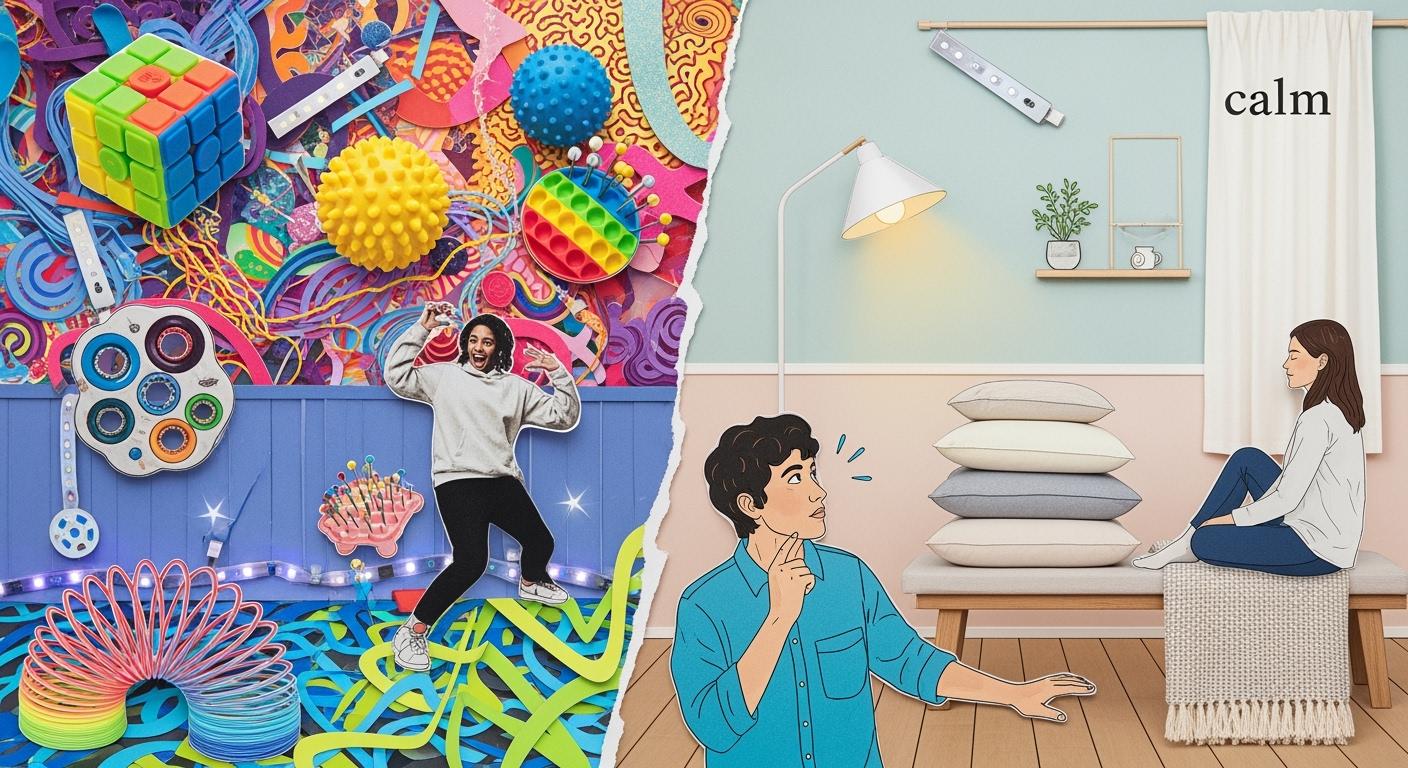
You might notice your sensory needs change during the day. A calming space can help you handle stress and feel safe. A calming room makes sensory input lower. A stimulation room makes sensory input higher. You can pick a calming room if you feel too busy or upset. If you need more energy, you may want a room that helps your mind relax. Your feelings are important and your choice helps you feel better.
Tip: Stop and think about how you feel before you pick a room.
Key Takeaways
Calming rooms are safe places to relax when you feel overwhelmed. They help lower anxiety and help you control your emotions.
Stimulation rooms give you sensory input in a controlled way. They help boost your energy and help you focus. These rooms are good for people who want to use their senses and learn new things.
Notice your sensory needs by watching how you feel. Go to calming rooms when you feel stressed. Go to stimulation rooms when you feel bored or tired.
Use sensory tools like weighted blankets or fidget toys in calming rooms. In stimulation rooms, use bright lights and fun things to do. This makes the experience better.
Check what you like often and change the sensory room if needed. This helps keep the space useful and friendly for everyone.
Calming Room Overview

Definition & Purpose
A calming room is made to help you deal with strong feelings and sensory input. You can find this room in schools, therapy places, or at home. The main goal is to give you a safe spot to relax when things feel too much. In occupational therapy, a sensory room helps people who have trouble with loud sounds, bright lights, or busy spaces. It lets you practice ways to calm down and control your feelings.
Description | |
|---|---|
Support for Sensory Processing Challenges | Made to help people handle loud noises and bright lights. |
Emotional Regulation | Gives a safe place to calm down and learn coping skills. |
Tools for Self-Regulation | Has things to help you feel calm and focused. |
Who Benefits
You might use a sensory room if you feel stressed or anxious. Many students with ADHD, autism, or anxiety use these rooms to calm down. A calming room gives you a space where you can take a break and not feel judged. This helps you go back to your day feeling ready to learn. Teachers and therapists suggest sensory rooms for people who need help with emotions or sensory overload.
Note: Sensory rooms help you feel better and make learning easier.
Features & Effects
A sensory room has special things to help you feel safe and calm. You may see soft colors, gentle lights, and quiet spots. These things lower anxiety and help you relax. Many rooms have weighted blankets, walls you can touch, and sensory tools. These items give comfort and help your body feel steady.
Feature | Impact on Users |
|---|---|
Sensory Equipment | Helps you relax and use your senses. |
Lighting | Makes the room feel calm and nice. |
Tactile Elements | Lets you touch things to help your feelings. |
Weighted Blankets | Gives deep pressure, lowers anxiety, and helps sleep. |
Sensory Walls | Lets you see and touch textures, making you comfortable. |
Organized Environment | Keeps things neat so you can focus better. |
Sensory rooms usually have little clutter and soft colors.
You may find headphones that block noise or fidget tools.
These things help you handle stress and feel good.
A sensory room can help a lot if you have trouble with too much sensory input. It gives you a place to rest and go back to your activities feeling better.
Stimulation Room Explained

Definition & Purpose
A stimulation room is a safe place to use your senses. Experts say a sensory room gives you controlled sensory input. This means you can try new things without feeling unsafe. It helps people with autism or other sensory needs. In this room, you can touch, see, hear, and smell different things. The main goal is to help you handle your feelings and actions. You get to do sensory activities that make you feel more awake or focused.
Tip: A stimulation room helps you practice self-control and feel braver.
Who Benefits
You might like a stimulation room if you want to feel more awake or need to focus. Many students with sensory needs use these rooms to help their mood and attention. Some studies say stimulation rooms help people with Alzheimer’s disease for a long time. Other research shows people with seizure disorders, like Lennox-Gastaut syndrome, can get better too. You do not need a diagnosis to use a stimulation room. Anyone who wants to try new things or take a break can enjoy it.
Children with sensory processing needs
Students who need help with focus or self-control
People with Alzheimer’s disease
Individuals with seizure disorders
Features & Effects
A stimulation room has bright colors, fun panels, and sensory activities. You might see bubble tubes, fiber optic lights, or toys you can touch. These things keep you interested and make you want to move or play. The room often has soft lights, gentle music, and nice smells like lavender or citrus. You can touch soft blankets, squeeze stress balls, or try rocking or swinging.
Examples | Purpose | Application Context | |
|---|---|---|---|
Visual | Colorful lights, natural scenes | Makes you calm or alert | Classrooms, therapy rooms |
Auditory | Gentle music, nature sounds | Helps you relax and focus | Mindfulness rooms |
Olfactory | Lavender, citrus | Changes how you feel | Aromatherapy, scented objects |
Tactile | Soft blankets, textured toys | Calms or wakes you up | Sensory rooms, calming corners |
Movement & Vestibular | Rocking, swinging, jumping | Helps you feel steady | Swings, trampolines |
A stimulation room lets you pick how much sensory input you want. This helps you learn self-control and skills for school and life. You can use the room to feel more focused, calm, or ready to learn.
Sensory Room Choices
Signs You Need Calming
You may notice your body feels tense or your mind races. Sometimes, loud noises or bright lights make you feel upset. You might want to hide or cover your ears. These signs show you need a calming room. Sensory experts say you should look for these clues:
You feel overwhelmed by sounds, lights, or crowds.
You want to escape busy places or noisy rooms.
Your heart beats fast or your breathing feels shallow.
You have trouble focusing or feel anxious.
You need a quiet space to calm down.
People with autism often need special sensory strategies. Your needs may change from day to day. You should watch how you react to different things. If you feel stressed, a calming room can help you relax and feel safe.
Note: Everyone has unique sensory preferences. You should find what works best for you.
Signs You Need Stimulation
Sometimes, you feel tired or bored. You may want to move or touch things. You might stare at the wall or lose interest in your work. These signs show you need a stimulation room. You should look for these clues:
You feel sleepy or have low energy.
You want to fidget, move, or play.
You lose focus or daydream often.
You need something new to wake up your senses.
You enjoy bright colors, music, or fun activities.
A stimulation room helps you feel more alert. You can try new sensory activities. You may find that moving, touching, or listening to music helps you focus. You do not need a diagnosis to use a stimulation room. Anyone can benefit from sensory input.
Tip: If you feel bored or restless, a stimulation room can boost your energy.
Self-Assessment Tips
You can decide which room fits your needs by checking your feelings and actions. Try these simple steps:
Watch how you react to sounds, lights, and textures.
Write down what makes you feel calm or excited.
Ask for feedback from teachers, family, or therapists.
Try both rooms and see which one helps you most.
Change your choice if your needs shift during the day.
You should observe your preferences often. Adapt the space based on your feedback. If you have complex needs, talk to a professional. You can use a checklist to track your feelings. Safety checks and updates keep the room helpful.
Benefit | Description |
|---|---|
Helps you manage your emotions and behaviors. | |
Reduce anxiety | Creates a calming environment that lowers stress. |
Improve focus and learning | Enhances concentration and school performance. |
Offer therapeutic benefits | Supports people with autism, dementia, or sensory challenges. |
Provide calming spaces | Gives you a safe spot in busy places like hospitals or schools. |
Reminder: You may face challenges in public spaces. Sometimes, noise, light, or crowds make it hard to use sensory rooms. You should share your feedback so designers can improve these spaces for everyone.
You can choose the best room by listening to your body and mind. Your needs matter. You deserve a space that helps you feel your best.
Real-Life Scenarios
Calming Room Use Cases
You might need a calming room when your senses feel overloaded. Imagine you just finished a loud school assembly. Your heart races, and your head feels full. You walk into a calming room. The soft lights and quiet sounds help you slow your breathing. You sit on a bean bag and use a weighted blanket. Soon, your body feels steady again.
Some students use calming rooms before big tests. You may feel nervous or worried. The calming room gives you a safe place to relax. You can listen to gentle music or squeeze a stress ball. This helps your mind get ready to focus.
Tip: If you feel upset or overwhelmed, a calming room can help you find peace.
Other times, you might use a calming room after a tough day. Maybe you argued with a friend or felt left out. The calming room lets you take a break and reset your emotions. You leave feeling ready to join your classmates again.
Stimulation Room Use Cases
You may need a stimulation room when you feel tired or bored. If you have trouble paying attention in class, a stimulation room can help. You can try activities like jumping on a mini trampoline or playing with colorful lights. These activities wake up your senses and help you focus.
Many schools and universities now offer sensory rooms for students with different needs. These rooms have tools like bubble tubes, sensory walls, and adjustable lighting. You can choose what works best for you.
Year | Description | |
|---|---|---|
Adelphi University | 2018 | Offers a calming refuge for students with sensory needs. |
East Carolina University | 2024 | Provides a sensory safe room for students to escape stressors. |
UW-Stout | 2021 | Supports neurodivergent students with various sensory stimuli. |
West Chester University | 2019 | Created a sensory study room for better sensory-friendly study spaces. |
Susquehanna University | 2023 | Converted study rooms to sensory rooms with adjustable features and tools. |
You can use these rooms to boost your mood or energy. For example, if you feel sleepy after lunch, you might visit a stimulation room. You play with tactile toys or listen to upbeat music. This helps you feel more alert and ready to learn.
Note: Sensory rooms can help you handle both high and low energy moments. Try different activities to see what helps you most.
Maximizing Benefits
Using Calming Rooms
You can get more from a calming room if it feels cozy and quiet. Many occupational therapists say you should use sensory tools like breathing exercises and calming things. You might want to put in soft pillows, gentle lights, or a weighted blanket. These things help you feel less worried and support your sensory needs.
Make a safe space that fits your age.
Help yourself or your child pick out sensory items.
Set up different spots for quiet time or touching things.
Check the room often and change things to keep it useful.
You should always think about safety. Take away sharp things and make sure everything is safe. Try to add different sensory choices so everyone feels welcome. This helps include people with different sensory needs. Many families and therapists see good changes in behavior and daily life when they use calming rooms. These rooms can help you handle anxiety and focus better.
Tip: Ask everyone who uses the room what they think. This helps you make the room better for everyone and more comfortable.
Using Stimulation Rooms
A stimulation room can give you more energy and help you stay awake. You can use different sensory tools to fit your needs. Start by watching how you or your child reacts to sensory things. You do not need a big room. Even a small corner can work for sensory activities.
Sensory Category | Equipment Examples | Primary Purpose |
|---|---|---|
Visual | Bubble tubes, color-changing bulbs | Give you something to look at |
Tactile | Textured mats, therapy putty | Let you feel new textures |
Auditory | Gentle music, noise-canceling headphones | Help you control sound and feel calm |
Vestibular | Swings, rockers | Help you move and know where your body is |
Proprioceptive | Weighted blankets, resistance bands | Give deep pressure for comfort |
Try these steps for the best results:
Begin with a few sensory things and add more later.
Make sure the room is safe and simple to use.
Set up areas for different sensory needs.
Let people help pick colors, textures, and tools.
Change things sometimes so the room stays fun.
You should teach everyone how to use the sensory room and respect each person’s likes and dislikes. This helps include everyone and makes the room friendly. Over time, you may see better focus, less worry, and more good behavior. Sensory rooms can make life better and help everyone’s needs.
You can find the right room for you by thinking about what you need. Calming rooms are quiet and help when you feel too much. Stimulation rooms help you learn new things and stay interested.
Sensory Room | |
|---|---|
Low stimulation | Controlled stimulation |
Supports emotional regulation | Supports engagement + sensory integration |
Used during escalation or overwhelm | Used during therapy or learning |
Minimal, gentle environments | Multi-sensory, interactive environments |
Ideal for anxiety, stress, overload | Ideal for skill-building and attention |
Used by behaviour teams, CYWs, clinicians | Used by ABA therapists, OTs, ECEs |
If you do not know which room to use, try both. Sometimes you need a quiet place to calm down. Other times you need a room that wakes you up. Sensory rooms can help you act better and pay attention. You should always have a space that helps you feel good.
FAQ
What is a neurodivergent person?
Some people’s brains work in different ways. These people are called neurodivergent. Neurodivergent can mean someone has autism or ADHD. It can also mean they think or feel differently. Many neurodivergent travelers have strong reactions to sounds or lights. They may need extra help when they go to new places.
How do calming rooms help decrease anxiety?
A calming room can help you feel less anxious. These rooms are quiet and have soft lights. You might hear gentle sounds in them. Many neurodivergent people use calming rooms to relax. Calming rooms make them feel safe when things are too loud or bright.
Why do neurodivergent travelers need stimulation rooms?
Neurodivergent travelers sometimes need stimulation rooms. These rooms help them get used to new places. Stimulation rooms have activities that keep you awake and focused. They help if you feel bored or tired while traveling. These rooms give you things to do so you feel better.
Can a therapeutic setting help neurodivergent travelers?
A therapeutic setting can help neurodivergent travelers feel good. These places have sensory tools and calming spaces. They help you handle strong feelings or sounds. Many travelers use these spaces to rest and feel calm. They help you recharge before going back out.
What should travelers with sensory sensitivities look for in a sensory room?
Travelers with sensory sensitivities should look for soft lights and quiet spots. Sensory rooms should have tools you can use to feel better. Neurodivergent travelers like rooms with choices. This way, you can pick what helps you most.
See Also
Designing A Calming Multi Sensory Room: Essential Tips
Creating A Soothing Environment Using Sensory Room Lighting
Recommended Sensory Room Concepts For Children With Special Needs

