5 steps for parents to collaborate with sensory schools for smart children

You play a huge role in your child’s success at a sensory school. Many kids face sensory issues that can make school feel overwhelming. You might notice your child struggles with big feelings, tough social moments, or even wants to avoid group activities. Common challenges include:
Strong reactions to sounds, lights, or touch
Difficulty joining in with friends
Anxiety and lower self-confidence
As a parent, you can help your child thrive by teaming up with teachers and sharing what works best.
Key Takeaways
It is important to talk openly with teachers. Meeting often helps everyone know what your child needs.
Tell teachers about your child's sensory challenges and strengths. This helps teachers make good support plans.
Speak up for your child by telling staff about sensory processing disorder. This helps staff support your child instead of blaming them.
Ask for an individualized education plan (IEP) or 504 plan. These plans give special help for your child's sensory needs.
Celebrate small wins with your child. Noticing progress makes your child feel proud and want to keep trying.
Open communication with sensory school staff

Building a strong partnership with your child’s sensory school starts with open communication. You want everyone on the same page, working together to support your child’s sensory smarts. When you share updates and listen to teachers, you help create a team that understands your child’s unique needs.
Use regular updates and communication tools
You can keep in touch with teachers and staff in many ways. Some families use daily communication logs or digital platforms. Others prefer emails, phone calls, or even quick chats at pick-up. The key is to find what works for you and your child’s sensory school.
Schedule regular meetings to talk about progress, challenges, and any changes you notice.
Use communication tools like emails, apps, or online platforms to share updates.
Set clear goals together and check in often to see how things are going.
Respond quickly to messages from teachers or staff.
Tip: Try to use clear, simple language when you talk with the school. This helps everyone understand your child’s needs and makes it easier to solve problems together.
Share your child’s sensory issues and strengths
You know your child best. When you tell teachers about your child’s sensory issues, you give them the power to help. Maybe your child needs noise-blocking headphones or extra movement breaks. Sharing these details can lead to real changes in the classroom.
Let staff know about triggers and what helps your child feel calm.
Talk about your child’s strengths, too. Maybe your child is creative, loves puzzles, or has a great memory.
Work together to create strategies that use your child’s sensory smart abilities.
When you share both challenges and strengths, you help the sensory school see your child as a whole person. This teamwork can lead to better support and more success at school.
Educate and advocate for your child’s needs
Inform staff about sensory processing disorder
You know your child best. When you tell teachers about sensory processing disorder, you help them understand your child’s actions. Some kids with sensory issues get called “behavior problems.” But really, they just need the right help. You can help the sensory school ask, “How can we help this child?” instead of “What’s wrong with this child?”
Here’s why teaching staff is important:
Evidence Type | Description |
|---|---|
Prevalence of SPD | SPD affects 5-16% of kids in school. |
Behavioral Indicators | Look for meltdowns, big reactions, or trouble switching tasks. |
Impact on Learning | Sensory issues can make reading, writing, and math harder. |
Shift in Perspective | Knowing about sensory needs helps staff give better support. |
You can ask what training teachers get. Many schools use hands-on tools, group lessons, and online classes to learn about sensory processing. The STAR Institute has special programs for school staff. When everyone learns together, your child gets more support.
Build relationships with teachers and specialists
You do not have to do this by yourself. Good relationships with teachers and specialists help sensory smart kids. Start early in the year. Tell teachers good stories about your child. Show what works at home. Listen to their ideas too.
Here are some ways to connect:
Say hello to teachers and specialists with a smile.
Share small wins and progress, not just problems.
Ask questions and listen to their advice.
Bring notes from your child’s occupational therapist.
Suggest easy changes, like fidget toys or quiet spaces.
Tip: When you speak up for your child, you help them get special education services and the right classroom help. Early diagnosis and teamwork make school better.
You can find more help from groups like the STAR Institute and Sensory Health. They have guides, research, and tips for parents who want to help their kids do well.
Request an individualized education plan or 504 plan
Understand the evaluation process
You want your child to get the right help at their sensory school. The first thing to do is ask for an evaluation. You can ask for this at any time. The school will learn about your child’s sensory issues by watching and testing them. Teachers, specialists, and you work together as a team. You help decide what your child needs and how the school can help.
Here is what usually happens:
You write a letter to ask for an evaluation.
The school looks at your request and starts checking your child.
You meet with teachers and specialists to talk about what they find.
If your child qualifies, the team makes an iep with goals and supports.
You can ask for more help if you think your child needs it.
The iep explains how the school will help your child. You stay part of the team the whole time. If your child does not get special education, you can ask for a 504 plan. This plan also gives supports to help your child do well.
Secure formal accommodations for sensory smart students
Your child’s iep or 504 plan should have supports that fit their sensory needs. These supports help your child pay attention, feel calm, and learn better. You can ask for things like noise-cancelling headphones, movement breaks, or special seats.
Here are some common supports for sensory smart students:
Sensory Accommodation | Purpose |
|---|---|
Noise-cancelling headphones | Cuts down on loud sounds |
Wobble cushion for chair | Gives sensory input and helps with focus |
Scheduled movement breaks | Lets kids move to handle sensory overload |
Preferential seating | Keeps kids away from things that distract them |
Other good supports are soft lights, fidget tools, and quiet corners for calming down. Some students need more time for work or daily check-ins with a teacher. You can work with the school to make sure these supports are right for your child.
Tip: Keep talking with the school team. If something is not working, you can ask for changes to the iep or 504 plan. Your voice matters!
Create individualized sensory strategies at school
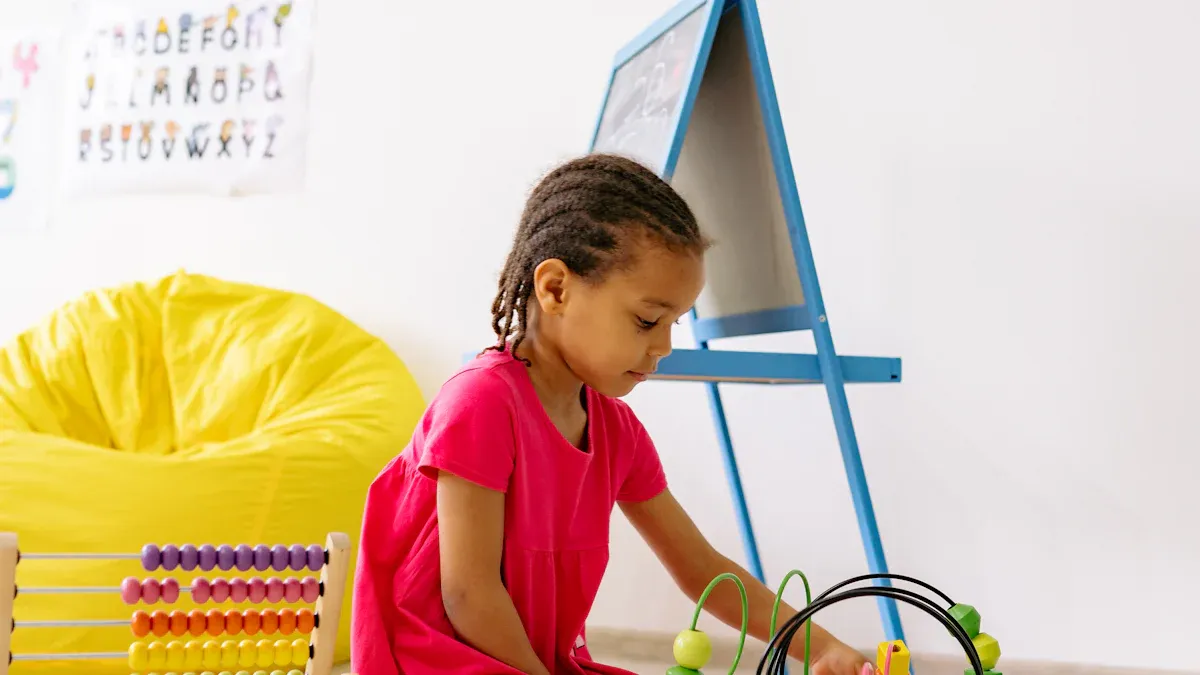
Every child is different and has their own needs. Sensory smarts are important for your child. You can help by working with teachers. Together, you make plans that fit your child best. These plans give extra help. They help your child feel safe and ready to learn.
Implement sensory breaks and modified assignments
Sensory breaks help students who need extra support. Sometimes your child feels restless or stressed in class. A short movement break or time in a calm spot helps them feel better. Schools use things like fidget toys, headphones, or breathing exercises. You can ask the school to add these tools for your child.
Movement breaks: Your child can stretch, walk, or play a quick game.
Calm corners: Make a spot with soft lights, fidget toys, and headphones.
Breathing exercises: Teach easy ways to relax and calm down.
Modified assignments: Ask for shorter work or more time when needed.
These ideas help your child focus and feel less stress. Teachers see students with Autism Spectrum Disorder do better with these supports. You can also ask for breaks your child chooses. Your child can use a sign to show when they need a break.
Choose optimal classroom seating for sensory smart children
The right seat helps your child learn better. Some kids do well near the teacher. Others need a quiet spot away from noise. You can talk to teachers about trying new seats. Therapy balls or air cushions can help your child stay alert and comfy.
Preferential seating: Pick a spot that works for your child.
Flexible seating: Try therapy balls, wobble cushions, or standing desks.
Sensory walls: Use spaces with different textures to help calm or wake up.
Teachers and parents watch how these changes help. They look for longer focus, fewer meltdowns, and better moods. Here is how schools check progress:
Positive Behaviors | Negative Behaviors |
|---|---|
Longer focus and better attention in class | Fewer outbursts like anger or tantrums |
More talking and joining in | Less anxiety, stress, and pulling away |
More steady mood and feeling good | Better control and less frustration |
Better ways to handle stress | Improved sleep habits |
You can talk with teachers and change plans as your child grows. Working together helps your child get the most from their iep and classroom supports.
Reinforce sensory support at home and school
Monitor and adjust support plans regularly
You want your child to feel comfortable and focused, both at home and at school. Start by creating a sensory-friendly study space at home. Pick a quiet spot with few distractions. Use soft chairs or bean bags for comfort. Add dimmable lamps or let in natural light. Try fidget toys, sensory bins, or weighted lap pads to help your child stay calm and engaged. Make sure the area is safe and free from hazards. Involve your child in setting up the space. This helps them feel proud and in control.
Keep routines steady. Set a regular time for homework and breaks. Give your child choices, like standing or sitting, and let them move around if needed. Check in often to see how your child responds to these changes. If something does not work, adjust it. You can collect notes or use a simple chart to track what helps your child focus or relax.
Stay in touch with your child’s teachers. Share what works at home and ask what helps at school. When you use the same sensory strategies in both places, your child feels safe and knows what to expect. This makes it easier for them to learn and grow.
Strategy | Benefit |
|---|---|
Consistent sensory breaks | Helps children maintain focus and regulate input |
Use of calming tools | Reduces anxiety and improves learning environment |
Regular communication | Ensures a unified approach to sensory needs |
Foster teamwork and celebrate progress
You do not have to do this alone. Teamwork between you, teachers, and specialists makes a big difference. Trust and open communication help everyone work toward the same goal. When you all use the same strategies, your child feels more confident and independent.
Review your child’s support plan often. Look for small wins, like longer focus or fewer meltdowns. Celebrate these moments with your child. A high-five, a sticker, or a special treat can boost their motivation. Involve your child in tracking their progress. Ask how they feel and what helps them most. This builds self-awareness and self-control.
If your child has a 504 plan, check in with the school team to make sure it still fits your child’s needs. You can always ask for changes if things are not working. Remember, you are your child’s best advocate. Every step you take helps your child feel supported and ready to succeed.
You can help your sensory smart child do well. Try these five steps to support them at school. Talk with teachers often and share ideas. Learn about your child’s needs and ask questions. Work with the school to make a plan. Use special strategies that fit your child. Team up with teachers and celebrate small wins. Stay hopeful and be ready to change things if needed. Start today by contacting your child’s sensory school. Take the first step together! 🎉
FAQ
How do I start a conversation with my child’s sensory school?
You can send a friendly email or ask for a meeting. Share your child’s strengths and challenges. Ask how you can work together. Stay positive and open.
What if the school does not understand sensory needs?
You can share resources like articles or videos. Suggest a meeting with an occupational therapist. Stay patient and keep the conversation going.
Can I ask for changes to my child’s support plan?
Absolutely! You have the right to request updates. Watch how your child responds. If something does not help, talk with the team and suggest new ideas.
What are some easy sensory tools for school?
Noise-cancelling headphones
Fidget toys
Weighted lap pads
Soft lighting
These tools help many kids feel calm and focused. 😊
See Also
Essential Guidelines for Creating Sensory Rooms in Schools
Effective Strategies for ASD Sensory Rooms in Education
Important Elements of Effective ASD Sensory Rooms in Schools
Understanding Sensory Interactive Tools for Special Needs Learning
