Step by Step Guide to Making Your House Sensory Friendly
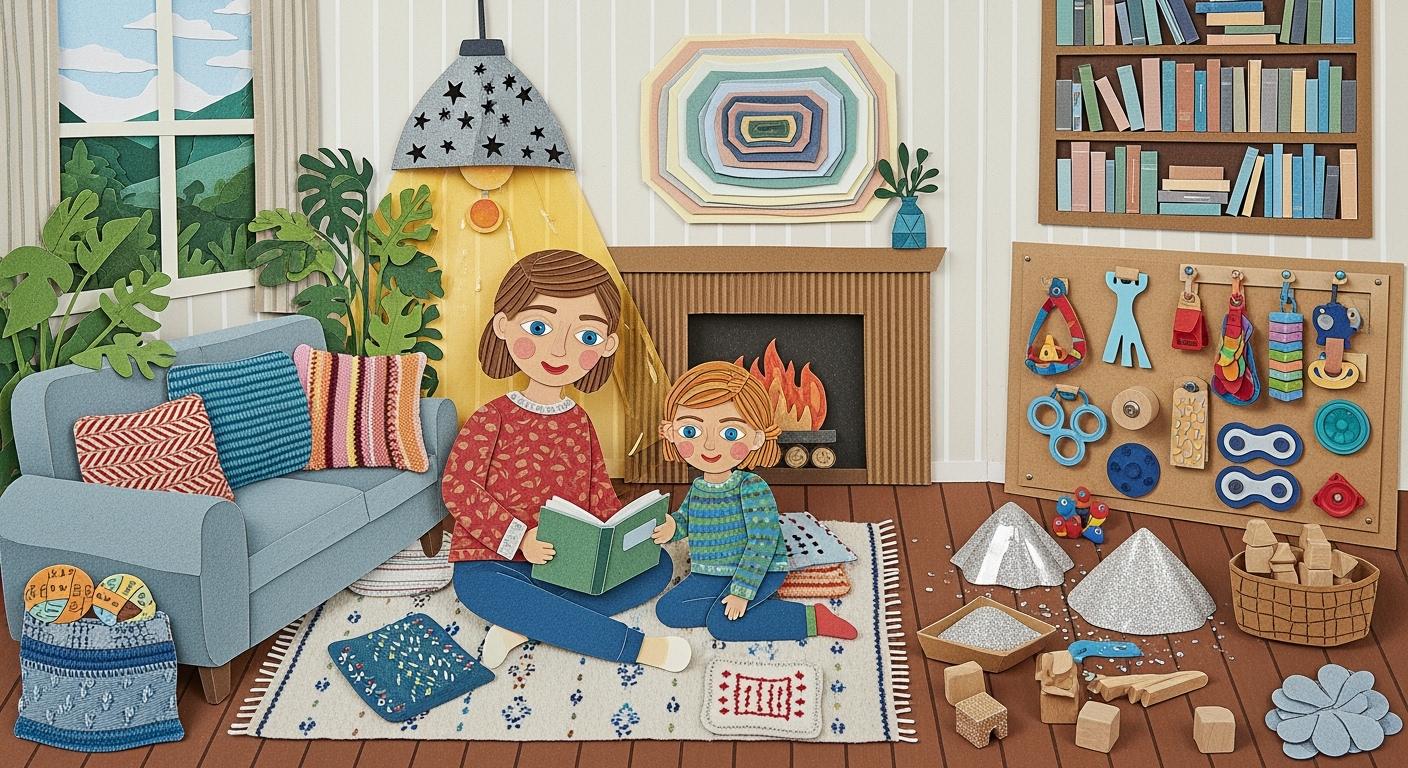
Imagine a sensory house that feels good for everyone. You make a sensory space where each person can do well. Many people see big changes when they think about sensory needs.
You see more people doing things on their own and feeling good about themselves.
Calming tools help people control their feelings.
You see better social time and joining in.
Worry and sensory overload go down, so life gets better.
Take a minute and think about what makes you feel calm or stressed. This guide will help you make easy changes.
Key Takeaways
Begin by finding things in your home that cause sensory problems. Watch to see what helps your family feel calm or stressed.
Make a quiet area with gentle lights and soft chairs. This helps people relax and feel safe.
Use things like rugs and curtains to make sounds softer. A quieter house helps everyone feel peaceful.
Add sensory tools like fidget toys and weighted blankets. These can help people handle feelings and pay attention better.
Talk often with your family about their sensory needs. Change your home as your family grows and changes.
What Is a Sensory House?
Sensory-Friendly Home Basics
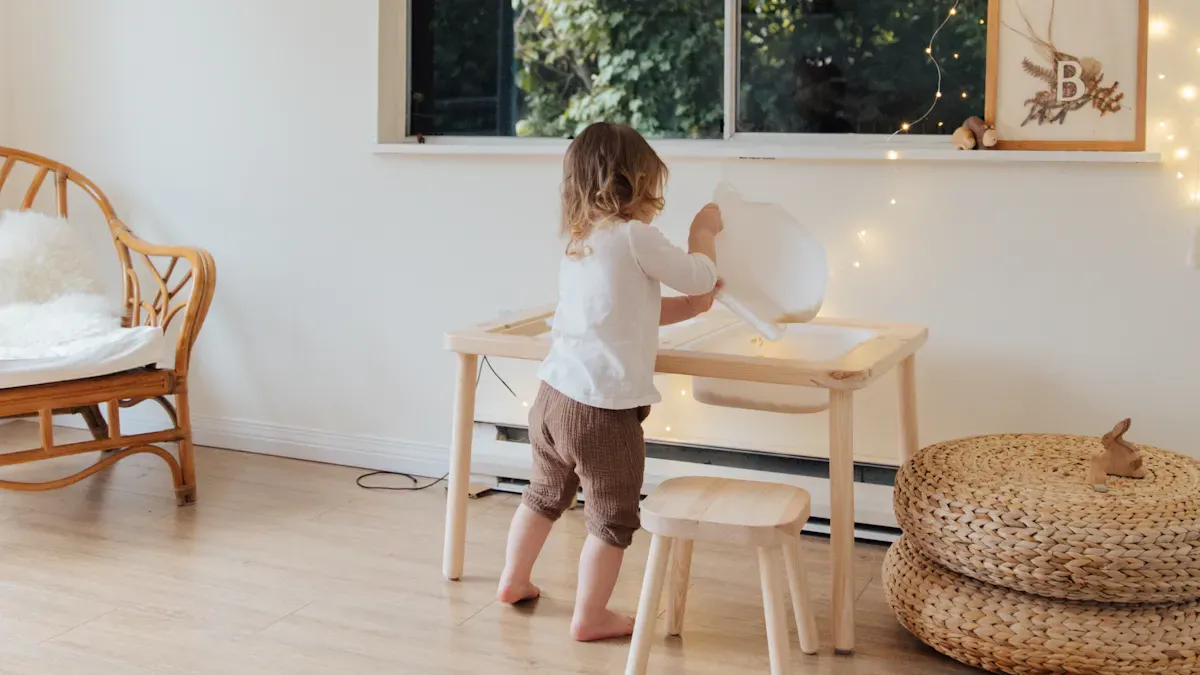
You might ask how a sensory house is not like a regular home. A sensory-friendly home is made to help people feel calm and safe. You think about what you see, hear, smell, and touch. You make choices that help everyone feel good.
Here are some simple ways to make your home sensory-friendly:
Pick cleaning products that do not have strong smells. Keep the air fresh and moving.
Give ways to control temperature, like using cooling weighted blankets.
Use sunlight when you can. Add lights that can get brighter or dimmer.
Keep rooms neat and give kids their own spaces.
Try to stop loud noises. Use things that block sound.
Choose soft fabrics. Stay away from rough ones.
Tell kids before they feel something new or hear loud sounds.
Give things like noise-cancelling headphones and fidget toys.
Make time for fun sensory activities.
Tip: You do not need to change everything at once. Try one small change and see how it feels.
Who Benefits Most
You may think only autistic kids need sensory-friendly spaces. But many people can feel better in a sensory house. Kids with autism can get upset by bright lights or loud sounds. A sensory-friendly home helps them feel safe and happy. Adults with sensory processing disorders also feel better in these homes.
Sensory-friendly homes help people with autism avoid feeling overwhelmed.
These spaces help people control their feelings and join group activities.
Autistic kids feel safer and less worried at home.
Supportive homes lower stress and help people focus.
Places with soft lights and fewer people help people do things on their own.
You can make a sensory house that helps everyone. You create a place where each person feels calm and welcome.
Assessing Your Sensory House
Identifying Triggers
You want your sensory house to feel comfortable for everyone. Start by looking for things that make you or your family feel stressed or calm. Maybe bright lights bother you. Loud noises might make your child cover their ears. Some people feel upset when they touch rough fabrics. You can spot these triggers by watching how people react in different rooms.
Ask your family to share what makes them feel good or bad. Kids might not always tell you, so pay attention to their actions. If your child hides during loud moments or avoids certain foods, these could be signs of sensory processing difficulties. You can help by modeling calmness when things get chaotic. This shows your child how to handle tough moments. Look for cues like fidgeting, covering ears, or wanting to leave a room. These clues help you understand what needs to change.
Tip: Try adding sensory bins with different textures. Watch how your child reacts. This can help you find out what they like or dislike.
Using Checklists and Tools
You can use checklists to make your assessment easier. Write down things like lighting, noise, smells, and textures in each room. Ask each person in your home to share their thoughts. Make a table to track what works and what needs improvement.
Room | Lighting | Noise | Smell | Texture | Needs Change? |
|---|---|---|---|---|---|
Living Room | Bright | Loud | Neutral | Soft | Yes |
Bedroom | Dim | Quiet | Fresh | Smooth | No |
You can also use apps or printable forms to help you organize your findings. Try to include everyone in the process. When you listen to each person, you make your sensory house more welcoming. Keep your checklist handy and update it as you try new changes.
Note: You might need to adjust your plan as your family grows or changes. Stay flexible and open to feedback.
Understanding Household Needs
Personal Sensory Preferences
Everyone in your house likes different things. You may like soft blankets. Your child might like bright lights or loud music. When you notice these likes, you help everyone feel good at home. Some people need quiet spots. Others want to move and play.
You can see common sensory likes by age. Here is a quick chart:
Age Group | Common Sensory Preferences |
|---|---|
Toddlers (1–3 years) | Climbing, jumping, mouthing objects, lots of physical play |
Preschoolers (3–5 years) | Touching everything, messy play, loud talking, struggles to sit still |
School-Age (6–12 years) | Chewing on pencils, fidgeting, enjoys noisy places, seeks hugs or affection |
Some autistic kids react strongly to sounds or textures. They may not like scratchy clothes. They might cover their ears when it is loud. When you see these things, you can make changes. This helps everyone feel safe and calm.
Tip: Ask each person what helps them relax or makes them upset. Use their answers to help you make choices.
Building a Sensory Diet
A sensory diet is not about food. It means planning activities that give the right sensory input. You pick activities that help with focus, calm, or energy. This helps people with sensory processing difficulties feel better.
A good sensory diet uses these ideas:
Principle | Description |
|---|---|
Personalization | Pick activities that match each person’s needs and likes |
Balance | Give enough input, but not too much |
Flexibility | Change the plan as needs grow or shift |
Integration | Use activities that work for touch, movement, and other senses |
Contextual relevance | Fit activities into daily routines at home, school, or in the community |
You can add jumping breaks, soft music, or quiet reading time. Let your child pick some activities too. When you make a sensory diet, you help everyone feel their best at home.
Choosing Spaces for Sensory Adjustments
Sensory Room Ideas
You do not need a large house to make a sensory space. A small corner or closet can become a calm spot. Many families use these ideas to help their homes feel better:
Sensory Room Idea | Description | Benefits |
|---|---|---|
Interactive Light Therapy Wall | Uses LED panels or fiber optics for fun, changing lights. | Helps with visual stimulation and motor skills. |
Tactile Exploration Station | Offers bins or boards with different textures to touch and feel. | Builds fine motor skills and helps with self-regulation. |
Has soft music, white noise, or soundproofing for quiet time. | Lowers anxiety and helps with focus. | |
Aromatherapy and Scent Station | Uses gentle scents like lavender or citrus for relaxation. | Boosts mood and helps with emotional control. |
Projection and Visual Stimulation Hub | Uses projectors or moving lights for calming or playful visuals. | Gives you a flexible sensory space for both relaxing and energizing activities. |
You can use more than one idea at home. Try a weighted blanket, fidget toys, or soft pillows. Keep storage bins nearby so sensory tools are easy to get.
Tip: Begin with something simple. A comfy chair and a soft lamp can make a great sensory spot.
Creating Zones
You can help everyone by making different zones at home. Each zone can meet a special need. Here are some ways to do this:
Make a calm corner with a soft lamp and weighted blanket for quiet time.
Use shelves and bins so sensory tools are easy to find.
Set up a play zone with things like a balance ball or swing.
Create a work area with picture schedules to help with routines.
Add a sensory wall with different textures for touch.
Use noise machines or curtains to block loud sounds in busy places.
You do not need to change every room. Pick one area and make it nice. Let your family help choose what goes in each sensory spot. This helps everyone feel welcome and happy.
Practical Changes for a Sensory House
Lighting Solutions
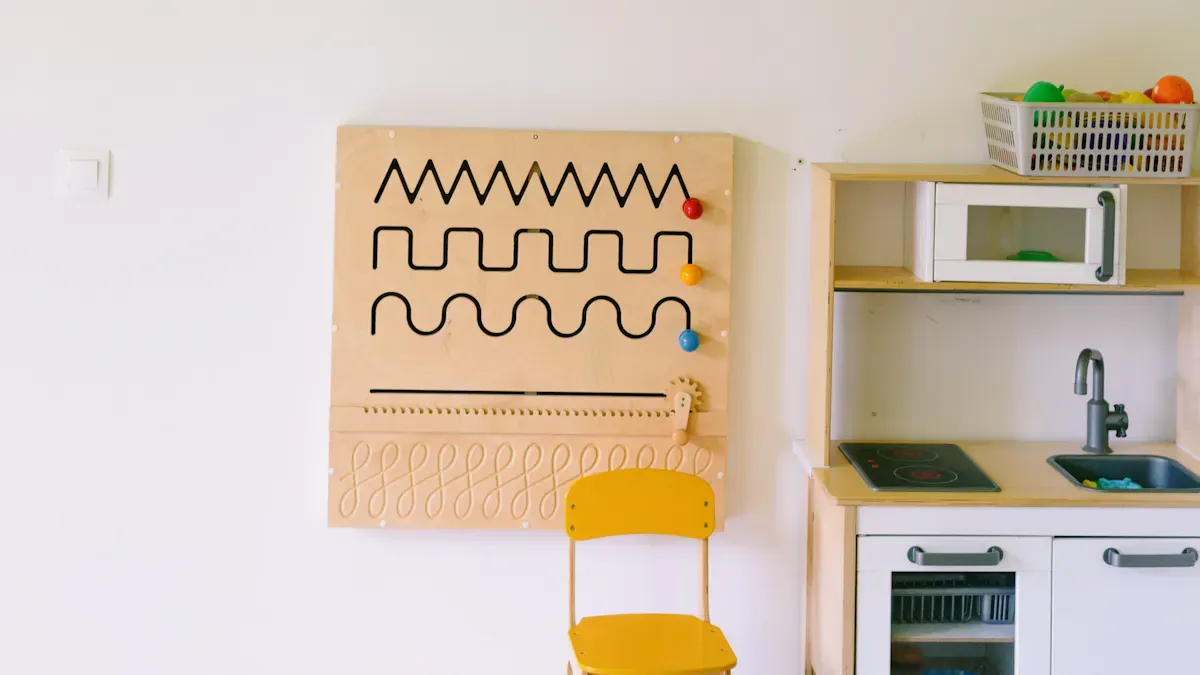
Lighting changes how you feel at home. Bright fluorescent lights can hurt your eyes or give you headaches. Try using warm LED lights that do not flicker. These lights make rooms feel calm and cozy. Dimmer switches let you change how bright the lights are. Table lamps and floor lamps give off soft light. This helps you relax. String lights or colored LED strips can make a space feel special and safe.
Tip: If you rent or have a small place, use portable lamps or stick-on LED lights. Ask your landlord if you can use softer lightbulbs.
Noise-Dampening Options
Loud sounds can bother you, especially in busy homes. You can make your house quieter with a few tricks. Thick rugs and carpets soak up noise. Curtains and blackout shades block outside sounds and light. No-drill shades or portable panels are easy to use and do not hurt walls. These are good for renters.
Here is a quick look at some noise-dampening materials:
Insulation Type | Description | Benefits |
|---|---|---|
Mineral Wool | Dense volcanic rock, great for blocking noise | Moisture- and fire-resistant, absorbs sound |
Cellulose | Made from recycled materials, affordable | Good sound absorption, but watch for mold |
Foam Panels | Lightweight, easy to move | Reduces high-pitched sounds, improves acoustics |
Spray Foam | Expands to fill gaps | Blocks sound and heat, creates a tight seal |
A white noise machine can cover up sudden sounds. Hanging extra blankets or quilts on the wall also helps. These simple ideas make your home feel peaceful.
Calming Colors and Decor
Colors change how you feel in a room. Soft pastels like peach or sky blue help you relax. Muted colors like sage green or dusty pink make you feel safe. Warm neutrals like cream or mushroom work with any style. Mix gentle colors with soft textures for a calm space.
Color Type | Examples | Effects on Calmness |
|---|---|---|
Soft Pastels | Serene Peach, Lilac | Gentle on the eyes, reduces sensory overload |
Muted Tones | Sage Green, Dusty Pink | Promotes comfort, lowers stress |
Warm Neutrals | Cream, Mushroom | Calming foundation, works with many decor styles |
Soft Neutrals | Ivory, Soft Stone | Minimizes visual noise, supports relaxation |
Pastel Shades | Lavender, Mint | Encourages relaxation, helps regulate emotions |
Try peel-and-stick wallpaper or removable decals if you rent. You can change a room’s look without making big changes.
Comfortable Furniture and Textures
Furniture and textures matter in a sensory house. Pick soft seats like beanbags, rockers, or gliders. These let you move gently and feel calm. High-back chairs block extra light and noise. Add calming textures with soft fabrics, wool rugs, or cozy blankets. Use bins and shelves to hide clutter and help you relax.
Furniture Type | Description |
|---|---|
Soft Seating | Beanbags, rockers, gliders for comfort and gentle movement |
Therapy Tables | Durable, safe, fits different activities and body sizes |
Storage Solutions | Bins, shelves, lockable options for safety and neatness |
Calming Textures | Neutral fabrics, sound-dampening materials, wool rugs |
If your space is small, use foldable chairs or floor cushions. You can put them away when you do not need them.
Organization and Visual Supports
A tidy house helps everyone feel better. Use bins, baskets, and shelves to keep things neat. Label bins with words or pictures so everyone knows where things go. Visual schedules help kids move from one activity to another. Hang a schedule on the fridge or wall. This makes daily life easier and helps kids feel more independent.
Visual routines make changes easier and lower stress.
Visual schedules show what comes next and help with anxiety.
Organization helps you find sensory tools fast.
Make your own visual supports with paper, markers, or free printables. You do not need fancy supplies to start.
Sensory Tools and Supports
Sensory tools can turn any room into a sensory space. Use yoga balls, swings, or trampolines for movement. Tactile toys like kinetic sand or slime help with touch. Light projectors and sensory bottles help with visual needs. Music boxes or simple instruments help with sound. Chewies and bubbles give safe oral input.
Sensory Tool Type | Examples | Benefits |
|---|---|---|
Proprioceptive/Vestibular | Yoga balls, trampolines, swings | Improves body awareness and regulation |
Tactile | Kinetic sand, slime, putty | Enhances tactile tolerance and fun |
Visual | Light projectors, sensory bottles | Supports visual sensory seeking |
Auditory | Music boxes, instruments | Meets auditory sensory needs |
Oral | Chewies, bubbles | Safe oral sensory input |
Sensory toys help kids with sensory processing difficulties learn and play. They help with feelings and make playtime more fun.
You can make sensory tools at home. Fill a bottle with water and glitter for a calming sensory bottle. Use rice, beans, or pasta in a bin for a fun touch activity.
If you rent or have a small home, try blackout curtains with suction cups, weighted blankets, or a calm-down corner with a curtain. Talk to your landlord about changing lightbulbs or using unscented products. There are always creative ways to make your sensory house work for you.
Maintaining Your Sensory House
Reviewing and Updating Changes
You want your sensory house to keep working for everyone. Life changes, and so do sensory needs. Kids grow, seasons shift, and new routines pop up. You should check your home often to see if it still feels good. Watch how your family reacts in each space. Ask questions like, “Does this room feel calm?” or “Is there too much noise here?”
Involve your child in these check-ins. Listen to what they say about their favorite spots or what bothers them.
Look for changes every few months or when you notice new behaviors.
Keep a simple list of what works and what needs fixing.
Tip: Use sensory bins as a fun way to see if your child’s likes or dislikes have changed. Swap out textures or toys and watch their reactions.
Adapting to Evolving Needs
Sensory needs do not stay the same. You might see new signs that your child needs something different. Maybe they start covering their ears more or get upset by bright lights. Sometimes, they avoid certain clothes or foods. These changes mean it is time to adjust your setup.
Sensory System | Common Signs of Over-Responsivity (Hypersensitivity) |
|---|---|
Auditory (Hearing) | Covers ears for loud or sudden noises. |
Tactile (Touch) | Hates clothing tags or certain textures. |
Visual (Sight) | Bothered by bright lights or clutter. |
Oral (Taste/Texture) | Extremely picky eater. |
Olfactory (Smell) | Strong negative reactions to certain smells. |
Vestibular (Movement) | Fears playground equipment. |
Proprioceptive (Body Awareness) | Avoids roughhousing or strong muscle use. |
You might also notice your child seems lost in thought or does not notice when their face is dirty. These clues help you know when to try new solutions.
Encouraging Feedback
You make your home better when you listen to everyone. Ask your family what helps them feel calm or what makes them uncomfortable. Even young kids can show you what they like with their actions. Check in with your child’s therapist if you have one. They can give ideas for new tools or routines.
Hold short family talks to share ideas.
Let your child pick new sensory tools or colors for their space.
Stay open to changing things as your family grows.
Remember, your sensory house works best when everyone feels heard and safe.
You can make your house sensory friendly by making small changes. Take one step at a time and do not rush. Try these important actions:
Learn what your child needs for their senses
Make loud sounds quieter
Add places for sensory play
Use pictures or charts to help
Keep rooms neat and tidy
Let your child help make choices
Each small change helps your family feel happier.
Change | Purpose |
|---|---|
Noise-canceling headphones | Help with loud sounds |
Visual schedules | Show what to do next |
Calm spaces | Give a safe place to relax |
Soft lighting | Stop too much bright light |
Ask everyone to join in. Let your family help pick colors or tools. Celebrate when you make progress. You can have a fun night or try a new activity. Every step makes your home feel better and more fun. 🎉
FAQ
How do I start making my house sensory friendly?
Start small. Pick one room or area. Notice what feels too bright, loud, or cluttered. Try soft lights or add a cozy chair. Ask your family what helps them feel calm. You do not need to change everything at once.
What if my house is small or I rent?
You can still make changes! Use portable lamps, stick-on lights, or blackout curtains with suction cups. Try foldable chairs or floor cushions. Removable wall decals add color without damage. Ask your landlord before making bigger changes.
Which sensory tools help most?
It depends on your needs. Many families like noise-canceling headphones, weighted blankets, and fidget toys. Try sensory bins with rice or beans. Soft lighting and visual schedules also help. Watch what your family uses most and add more of those.
How often should I update my sensory spaces?
Check every few months or when you notice new behaviors. Kids grow and needs change. Ask your family what works and what feels off. Swap out textures, colors, or tools as needed. Keep your space flexible.
Can sensory-friendly changes help adults too?
Yes! Adults also feel stress from noise, bright lights, or clutter. Try a calm reading corner, soft lighting, or noise machines. Everyone in your home can benefit from a sensory-friendly space.
See Also
How to Create a Sensory Room for Autism at Home
Essential Steps for Establishing a Sensory Room Anywhere
Affordable Ways to Create a Sensory Room for Autism
Creative DIY Sensory Room Concepts for Every Budget
Best Practices for Crafting Sensory Rooms in Educational Settings

