Steam roller sensory safety tips for happy families
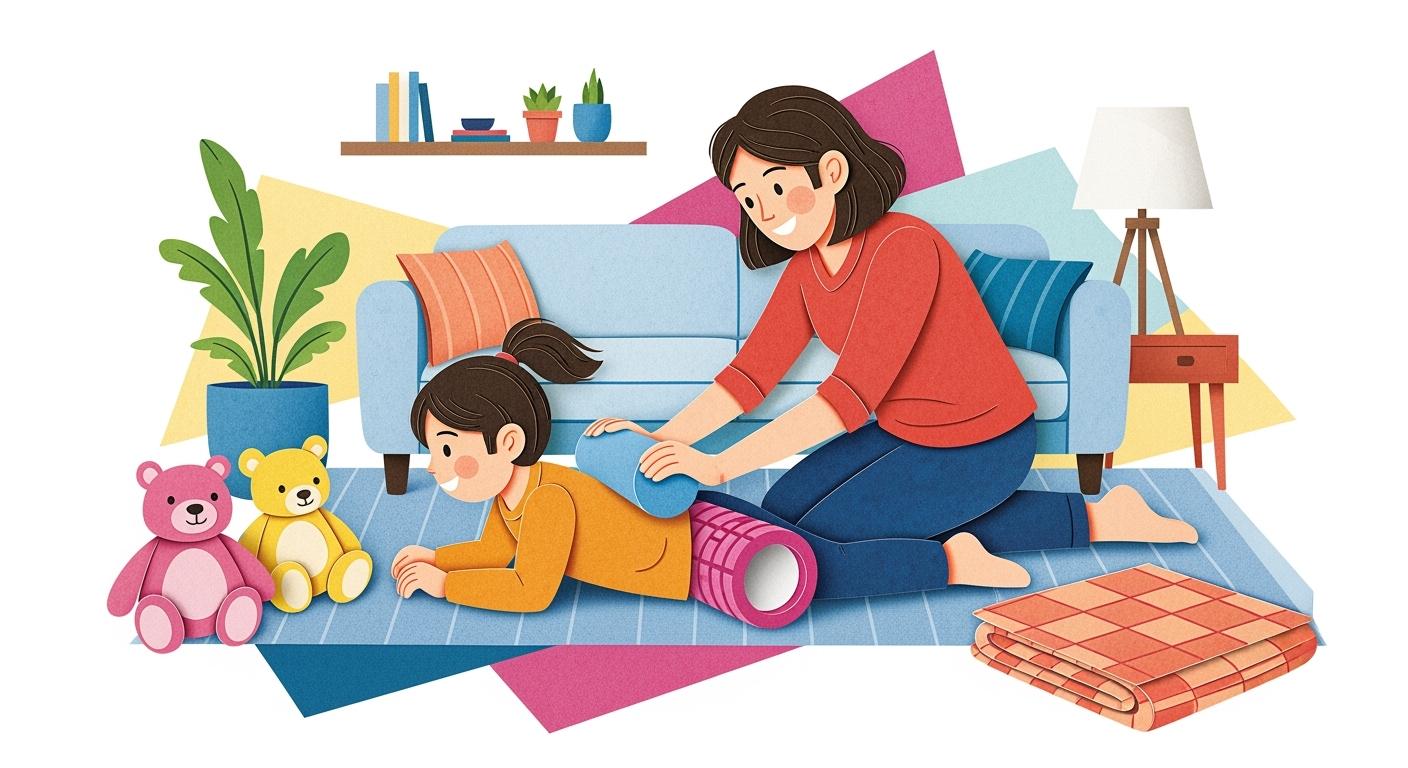
You want your family to feel safe and happy when using a steam roller sensory tool at home or in therapy. Always watch children closely. Set up a soft and clean sensory area. Check the device instructions before each session. Pick activities that fit your child’s age. Talk with everyone so they feel heard and comfortable. Being caring helps you make a safe place for sensory experiences.
Key Takeaways
Watch children closely during steam roller activities. This helps keep them safe and comfortable.
Make a clean and soft sensory area. This stops injuries and helps kids feel calm.
Change the steam roller pressure if your child asks. This helps meet their sensory needs.
Keep sessions short. Try to make them less than 20 minutes. This stops sensory overload and keeps things fun.
Talk with your child about how they feel during activities. This helps them feel safe and understood.
What is a steam roller sensory device?
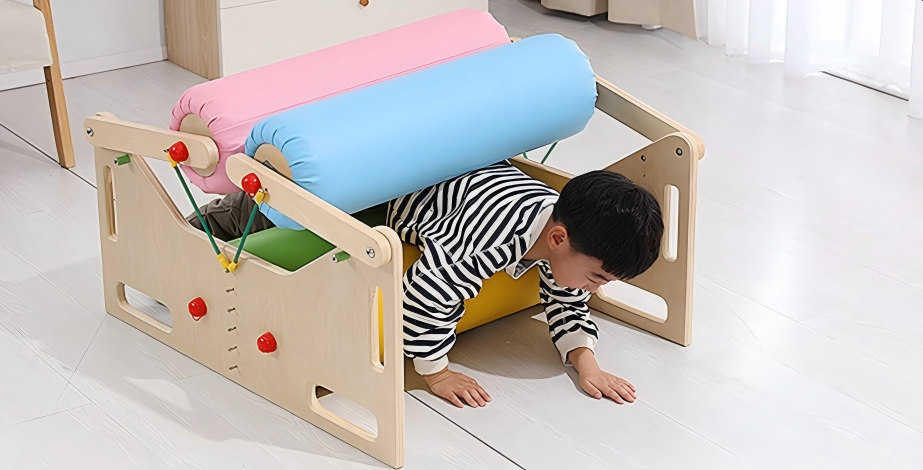
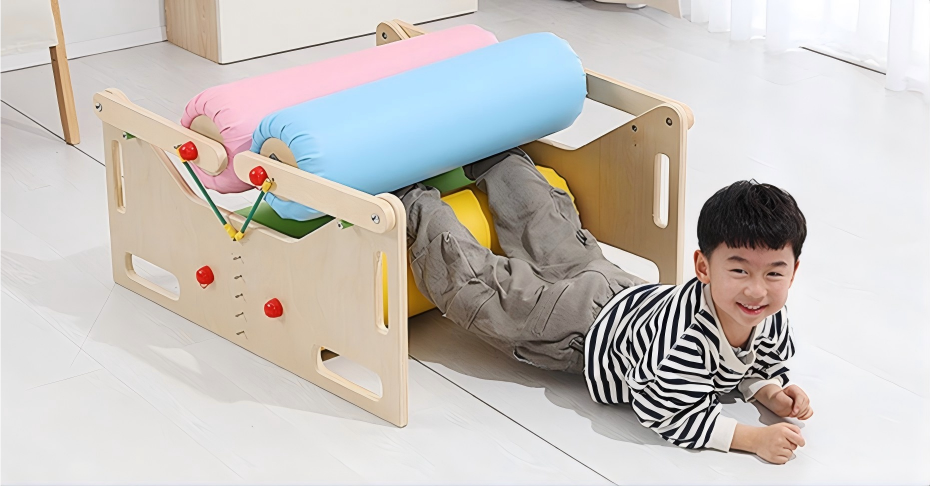
A steam roller sensory device helps make a safe space for kids. It gives gentle and steady pressure to the body. The tool has soft rollers or pads. Kids move through the rollers. The device squeezes their body in a gentle way. You can use it at home or in therapy. Many families and therapists like this device. It helps kids with different needs.
Sensory benefits and proprioception
Kids often want deep pressure when they feel stressed. The steam roller sensory device gives this pressure. It helps kids feel calm and pay attention. The device helps with proprioception. This means your child learns how their body moves. Your child also learns where their body is in space. Using the device builds body awareness. It helps kids handle stress and focus better. Some kids with Autism or ADHD find these activities helpful. You can add sensory play to your daily routine.
Tip: Always ask your child how they feel during sensory play. This helps you change the activity so they stay comfortable.
Who can use therapy steam roller devices?
Kids of many ages can use a therapy steam roller device. Therapists suggest it for kids with sensory challenges. It may help kids with Autism, ADHD, or learning differences. Always check the device rules for age and weight. Supervision is needed. Leemoland makes good sensory products for families and professionals. The brand cares about safety and happy experiences. You can trust Leemoland to help your child’s sensory needs.
Kids with sensory needs
Families who want safe sensory play
Therapists in clinics or schools
Safety guidelines for steam roller sensory use
Supervision and safe setup
You help keep steam roller sensory activities safe. Always watch children during every session. Set up the device in a clean spot with a soft mat or carpet. This helps stop injuries if someone slips or falls. Before you begin, look at the equipment for loose parts or damage. Make sure the steam roller sensory device works well and has no sharp edges or open moving parts.
You can use this table to remember safety checks:
Requirement | Description |
|---|---|
Suitable for intended use | Pick equipment that fits the activity and the child’s needs. |
Risk assessed | Check for dangers like moving rollers or belts before each session. |
Maintained in efficient working order | Keep the device clean and fix problems fast. |
Inspected regularly | Look at the device before every use to keep it safe. |
Adequate training | Learn how to use the device and teach others who help. |
Leemoland makes sensory toys with safety first. The brand tests products for quality and follows strict safety rules. You can trust Leemoland to help your family’s sensory activities.
Tip: Always keep the area free of clutter. This helps kids leave safely and lowers the chance of sensory overload.
Age, weight, and exit safety
Follow age and weight rules for steam roller sensory devices. Most devices work best for kids between 9-18kg. The top weight limit is 45kg. Check the maker’s instructions before each session. This helps stop accidents and makes sure the device gives the right proprioceptive input.
Kids between 9-18kg get the most from therapy steam roller activities.
Do not let anyone over 45kg use the device.
Always help kids leave safely after each activity.
Watch for signs of sensory overload or discomfort. If a child feels uneasy, stop the activity and let them rest. Ask kids to tell you how they feel during sensory activities. Talking helps you change activities and keep everyone calm.
Customizing pressure for individual needs
Each child reacts differently to deep pressure activities. You can change the steam roller sensory device to give the right amount of input. Start with gentle pressure and slowly add more. Ask your child if the pressure feels good or too strong. Some kids need more proprioceptive input, while others like lighter touch.
You can use heavy work and deep pressure activities to help kids with sensory issues. These activities support proprioception and help kids feel calm. If your child has sensory overload, lower the pressure or make the session shorter. Always watch for signs of discomfort.
Change the rollers to adjust the pressure.
Use short sessions and make them longer as your child gets used to it.
Mix steam roller sensory activities with other sensory input, like gym balls or weighted blankets.
Leemoland has many sensory toys that help you change activities for each child. The brand cares about quality and safety. You can make a safe and happy sensory experience at home or in therapy.
Step-by-step guide to therapy steam roller activities
Preparing the sensory area
You can make a safe space for steam roller activities by planning ahead. Pick a quiet room with soft lights. Put a thick mat or carpet under the device. This keeps kids safe and makes the area soft. Take away clutter so kids have room to move.
Use this table to check the area:
Environmental Factor | Description |
|---|---|
Safe and calming environment | Kids feel safe and relaxed during sensory activities. |
Accessibility for all children | The area works for kids with different needs and abilities. |
Understanding sensory needs | You set up the space to fit each child’s sensory needs. |
Adaptability over time | The sensory area can change as kids grow and their needs change. |
Resources for the five senses | Add things for sight, sound, touch, taste, and smell for sensory play. |
A sensory space helps kids explore and calm themselves. You can use Leemoland’s sensory toys to add new things and help with different needs. These toys help kids relax and pay attention, which is good for learning.
A sensory space lets you make a safe place where a child can explore and meet their own sensory needs.
Guiding and monitoring users
You help kids with steam roller activities by using clear steps. Always let the child lead the activity. Kids should feel safe and happy with the pressure. Never force deep pressure on anyone. Start with gentle input and add more if the child wants.
Follow these steps for safe use:
Ask the child how they feel before you start. Make sure they want to join.
Set a timer for each session. Keep deep pressure activities under 20 minutes to stop overstimulation.
Watch for signs of discomfort. Look for sweating, acting upset, or zoning out. These signs mean the pressure is too much.
Use weighted items that are about 10% less than the child’s body weight. Change the weight if needed.
Give deep pressure with kind words. Speak softly to help the child stay calm.
Ask the child to talk about how the activity feels.
Stop the session if the child feels bad or wants to stop.
Leemoland’s sensory toys and steam roller devices help you give proprioceptive activities to kids. These tools let you change the input and make sensory play fun.
Always let the child lead: Deep pressure should feel safe and nice.
Time limit: Use weighted blankets or vests for only 20 minutes.
Watch for signs: If a child sweats, acts upset, or zones out, stop the activity.
Use the right weight: Weighted items should be about 10% less than the child’s body weight, or 1-2 pounds less. Always check with the child and change the weight if needed.
Pair with calm words: Give deep pressure with kind words and a soft voice.
Using gym balls for proprioceptive activities
You can use gym balls to add more proprioceptive input. Gym balls are good for these activities. Kids can sit, bounce, or roll on the ball for input. These activities help kids feel calm and in control.
Try these gym ball activities:
Sit and bounce gently on the ball for steady input.
Roll the ball under the child’s legs or back for deep pressure.
Use the ball for still activities, like balancing or pressing down with hands.
Mix gym ball activities with steam roller sessions for different input.
Ask kids to share how each activity feels. Change the input if they need it.
Leemoland has many sensory toys and gym balls for proprioceptive play. You can mix heavy work, steam roller, and gym ball activities to help with proprioception and sensory needs. These activities help kids relax, focus, and learn about their bodies.
Tip: Always watch kids during proprioceptive activities. Change the input to fit what they need and like.
Common mistakes and how to avoid them
Overuse and session length
Kids can get too much sensory input. This can make them feel tired or upset. Long sessions may cause sensory overload. Set a timer before you start any activity. Most deep pressure activities should last less than 20 minutes. Heavy work activities need breaks so kids stay calm. Watch for sweating, fidgeting, or zoning out. These are signs of overload. If you see these signs, stop the activity. Help your child relax with something calming.
Tip: Ask your child how they feel during activities. This helps you change the activity and keep things fun.
You can use a table to track how long each session lasts:
Activity Type | Recommended Time | Signs to Stop |
|---|---|---|
Deep pressure activities | 10-20 minutes | Sweating, zoning out |
Heavy work activities | 10-15 minutes | Fidgeting, upset |
10-20 minutes | Overload, discomfort |
Improper positioning and unsupervised use
Check your child’s position during activities. If they sit or move wrong, it may not be safe. Guide your child to keep their body straight and relaxed. Always watch your child during sensory activities. Never leave your child alone when using sensory equipment.
You can help your child stay safe by:
Watching every session closely
Giving clear instructions for body position
Changing the input if your child feels uncomfortable
Making sure your child can exit the device easily
If you supervise and guide each activity, your child stays calm and safe. You also lower the chance of sensory overload and make sensory input work better.
Tips for a positive sensory experience
Making activities fun and engaging
You can make proprioceptive activities fun for your child. Try playing music during sessions. Put instruments on a resonance board. Let your child touch and listen to the sounds and vibrations. Use props to tell sensory stories. This helps your child use their imagination and join in. Play calming music when your child sits or lies on the board. This helps them relax. Give movement breaks that fit your child’s needs. Some kids like yoga to calm down. Other kids like jumping to use up energy. Watch how your child feels. Fast movements wake kids up. Slow movements help them feel calm. Plan sensory activities so your child is ready to learn and play.
Tip: Mix proprioceptive activities with things like gym balls or heavy work. This keeps activities new and interesting.
Encouraging communication and feedback
You help your child most when you listen and talk during sensory play. Use simple words so your child can share feelings. Talk about colors and textures to help your child learn words. Ask questions that need more than yes or no answers. Show your child how to use new words with communication tools. Name actions and places during proprioceptive activities. This helps your child talk about deep pressure or calming pressure. When you ask for feedback, your child feels safe and understood.
Communication Technique | How It Helps Your Child |
|---|---|
Core Vocabulary | Helps your child share feelings |
Descriptive Labels | Grows language and sensory awareness |
Open Questions | Gets your child to join and give feedback |
Model Vocabulary | Teaches new words |
Label Environment | Links actions to sensory input |
Adjusting for individual sensory needs
You can change proprioceptive activities to fit your child’s needs. Start simple, like sitting on a swing on the floor. Add new things, like a swing with sides, when your child feels ready. Change the amount of proprioceptive input to find what feels best. Use wobble cushions to help your child feel awake. Use deep pressure to help your child feel calm. Give fidget toys for touch. Watch how your child reacts to each activity. Change the activity if your child needs more or less input. Every child is different, so keep changing activities to help your child grow at home or in therapy.
Note: Always check if your child feels good. Change proprioceptive activities to help your child stay calm and focused.
When to seek professional help
Signs of discomfort or contraindications
You want your child to feel safe and comfortable during every sensory activity. Sometimes, you may notice signs that show your child needs extra support. Watch for sweating, agitation, or zoning out. These signs can mean your child is getting too much sensory input. You should stop the activity and let your child rest if you see these signs.
Here is a table to help you recognize when your child may need professional help:
Sign of Dysregulation | Implication |
|---|---|
Sweating | Too much input |
Agitation | Too much input |
Zoning out | Too much input |
If your child shows any of these signs often, you may need to talk to a therapist. Some children, including students with autism, may react differently to sensory activities. You should always listen to your child and watch for changes in mood or behavior. If your child avoids the steam roller device or seems afraid, this may also mean they need help.
Note: You help your child most when you notice small changes and act quickly. Early support can make a big difference.
Consulting therapists for guidance
You can reach out to a professional if you feel unsure about your child’s sensory needs. Therapists know how to guide you and your child through safe sensory activities. They can help you adjust the steam roller device for your child’s comfort. You may ask a therapist to show you new ways to use sensory toys or set up your sensory area.
A therapist can:
Assess your child’s sensory needs
Give advice on safe use of sensory devices
Suggest new activities for your child
Help you create a plan for sensory play at home
You build a strong support system when you work with therapists. You help your child grow and feel safe during every sensory activity.
You can keep your family safe with these tips for steam roller sensory use. Always watch your child during every session. Make sure the area is soft and clean. Remove clutter so kids do not trip or fall. Check the age and weight rules before you start. Change the pressure so your child feels comfortable. Ask your child how they feel and listen to their answers.
Talking with your child and setting up the area carefully helps make sensory play fun and safe. If you need help, ask a therapist or look at Leemoland’s sensory products for more support.
FAQ
How often can you use a steam roller sensory device?
You can use the device a few times each week. Always watch your child for signs of comfort or overload. Short sessions work best. Ask your child how they feel after each activity.
What should you do if your child feels uncomfortable?
Stop the activity right away. Let your child rest. Ask them what feels wrong. You can lower the pressure or try a different sensory toy next time.
Can you use steam roller sensory devices with other sensory toys?
Yes, you can mix steam roller activities with gym balls, weighted blankets, or fidget toys. This helps your child get different types of sensory input. Always check what your child likes best.
How do you clean and care for the device?
Wipe the rollers and pads with a damp cloth after each use. Check for loose parts or damage. Store the device in a dry place. Regular cleaning keeps the device safe and ready for play.
See Also
Essential Advice for Choosing the Perfect Sensory Swing
Proven Techniques for Utilizing Sensory Toys to Soothe Kids
Popular Sensory Toys That Parents Love for Their Children
Comprehensive Resource on Sensory Timers for Parents and Teachers
