Surprising spring sensory activities for curious kids
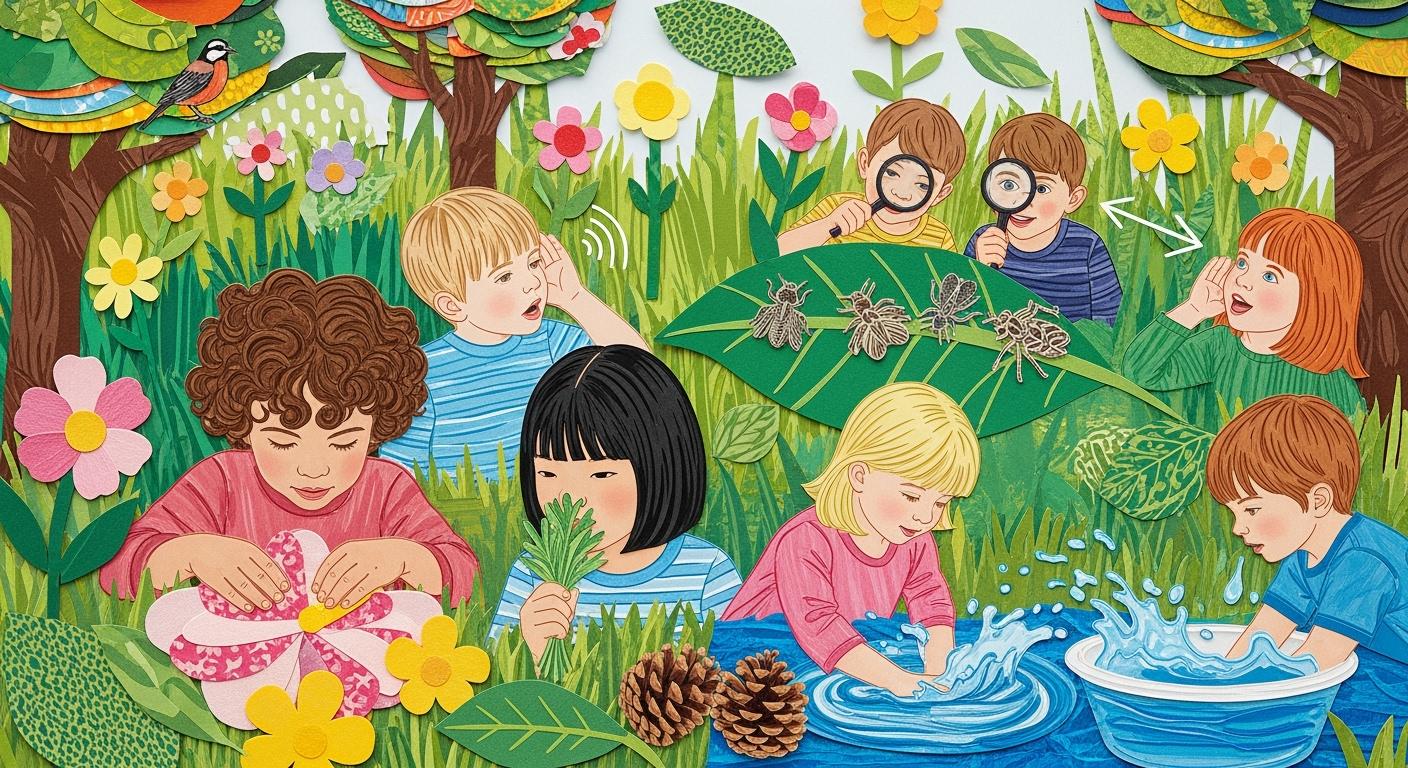
You want kids to be creative and curious this spring. Spring sensory activities let kids play, explore, and learn. They use simple things like flowers, leaves, and a Sensory Play Sand Kit. Sensory play helps kids remember things better. It also helps with feelings and social skills. Studies show spring’s nice weather and bright colors make these activities more fun. Every child enjoys them, especially kids with learning challenges.
Key Takeaways
Spring sensory activities help kids get creative and curious. You can use easy things like flowers and leaves to excite their senses.
Sensory play helps kids think better and move better. It also helps them learn about feelings and friends. Kids remember more and feel sure of themselves.
Safety is very important in sensory play. Always watch kids when they play. Pick things that are right for their age. Keep the play area clean so everyone has fun.
Let kids pick what they want to do. This helps them be independent. They learn a lot by playing.
Add sensory play to daily life. Use things from nature and Leemoland toys. This makes learning fun and helps kids learn more.
Why spring sensory activities matter
Benefits for kids’ development
You want kids to feel good about learning and growing. Spring sensory activities help kids learn new skills while having fun. When you set up sensory play, kids use their hands, eyes, ears, nose, and sometimes taste. This type of play helps kids in many ways. Here is how sensory activities help kids:
Explanation | |
|---|---|
Cognitive Growth | Kids remember more and focus better when they use many senses. |
Motor Skill Development | Moving, scooping, and pouring help kids write and play sports. |
Language Expansion | Kids learn new words by talking about what they see and touch. |
Social-Emotional Learning | Calming sensory play helps kids handle feelings and get along with others. |
School Readiness | Kids learn to plan, focus, and finish tasks, which helps them do well in school. |
Spring gives kids extra energy. They might feel excited or a little stressed. Doctors say gentle outdoor play helps kids get used to new sights and sounds. This can help kids feel happier and more calm. You can help every child, even those with Autism or ADHD, by picking activities that fit their needs. Leemoland wants all kids to have fun and enjoy sensory play.
Spring’s unique sensory opportunities
Spring has special sensory moments you do not get in other seasons. You can use these times to help kids learn and be curious. Here are some things you can try:
The weather changes fast, so kids feel warm sun and cool wind.
Flowers open and make the air smell fresh.
Grass feels soft and cool on bare feet.
Tip: Let kids touch things like leaves, petals, and mud. These activities help kids connect with nature and build strong skills.
When you use spring sensory play, you help kids get better at using their hands, talking, and calming themselves. Sensory play with natural things also helps kids with learning challenges. You make a friendly place where every child can do well.
Getting started with sensory play
Essential materials and safety
You want sensory play to be simple and safe. Use things you already have at home or school. Trusted brands like Leemoland make good sensory toys. Fidget spinners, textured balls, and play sand kits are fun to use. You can also pick natural spring items for something new.
Here are some top materials for spring sensory play:
Water beads are soft and squishy. Always watch kids when they use them.
Dried beans are good for scooping and pouring.
Instant snow is cool when you add water.
Water is great for splashing and floating things.
Flower petals, leaves, and grass bring nature inside.
Leemoland sensory toys are safe and colorful. They work for all kids.
Safety is important every time you set up sensory play. Kids should explore, but you need to keep them safe. Here is a quick safety guide:
Hazard | Control Measures |
|---|---|
Choking | Pick materials for the right age. Watch kids closely. Do not use small items for young kids. |
Allergic reactions | Learn about kids’ allergies. Use safe materials. Tell parents about what you use. |
Slipping hazards | Use strong trays and mats. Clean up spills quickly. |
Eye irritation | Pick materials with little dust. Give goggles for risky play. |
Cuts/splinters | Check natural items for rough spots. Sand sharp edges. |
Mess/contamination | Clean materials before play. Wash hands before and after. |
Overstimulation | Give kids quiet spaces. Let them take breaks. Add new textures slowly. |
Tip: Always watch kids with water beads and instant snow. These feel cool but need extra care.
Setting up at home or school
You can make a sensory play area almost anywhere. At home, try a mud kitchen outside. Use a bin with soil and seeds for planting. Kids like making “flower soup” with water and petals. Inside, use a tray with dried beans, Leemoland fidget toys, or instant snow.
In the classroom, use bean bags or bouncy balls for seating. Add textured surfaces and bright things to sensory bins. Leemoland toys work well in sensory rooms and group play. Change sensory tools to fit each child. Sound mats help keep things quiet. You can set up art stations with different textures and colors.
Note: Let kids pick what they like best. Sensory play is best when you offer choices and let kids explore.
Spring sensory bins and activities for kids
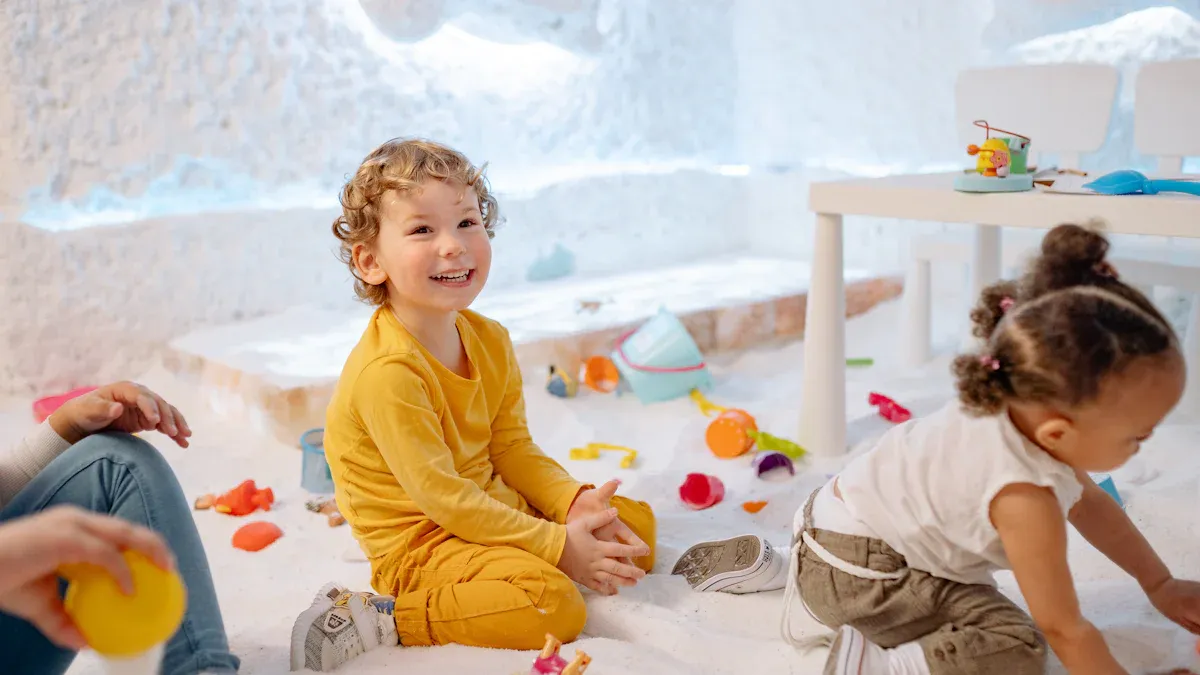
Spring has many new things to see, hear, and touch. You can make spring a fun time with sensory bins and hands-on activities. These activities help kids explore, create, and learn while playing. Kids use all five senses and enjoy sensory learning together.
Touch: Nature bins & mud play
Touch helps kids learn about the world. Spring sensory bins with natural items give kids lots to discover. Try these ideas:
Garden sensory bin: Put potting soil or shredded paper in a bin. Add plastic flowers and small gardening tools. Kids dig, plant, and make their own mini flower garden.
Rainbow rice bin: Colored rice is good for scooping and pouring. This builds fine motor skills and adds spring fun.
Water bead spring bin: Water beads are squishy and cool. Kids scoop and pour them, which helps with sensory awareness.
Nature exploration bin: Collect leaves, twigs, petals, and stones outside. Kids feel different textures and shapes and learn about nature.
Spring-themed sensory dough bin: Use playdough in bright spring colors. Kids mold, squish, and shape, which helps creativity and hand strength.
Mud play is a classic spring activity. Kids dig, squish, and build with mud. This helps fine and gross motor skills, balance, and sensory awareness. Mud play also helps kids solve problems and think. Playing outside in mud can lower stress and make kids feel better. Kids learn social skills, creativity, and feel confident when they play together. Mud may also help lower allergies and asthma by helping the immune system.
Leemoland sensory toys like textured balls and fidget tools add more fun to spring sensory bins. These toys are good for kids with Autism or ADHD and help them feel calm.
Tip: Let kids get messy! Mud and nature bins are great for outdoor sensory walks and spring ideas.
Sight: Color hunts & rainbow bins
Spring is full of bright colors, so it is a great time for visual sensory play. You can do color hunts and rainbow bins to help kids use their eyes.
Color scavenger hunts: Ask kids to find things in certain colors outside or in the classroom. This helps kids learn colors and new words.
Sticky color hunts: Give younger kids sticky notes or tape to collect colorful things. This gets kids moving and exploring outside.
At-home color hunts: Use a tray or basket for kids to find colorful things inside the house. This helps kids review colors.
Nature walks with color hunts: Go for a walk and look for flowers, leaves, or bugs in different colors. This makes outdoor play more fun.
Rainbow bins are also popular. Fill a bin with things in every color—like pom-poms, blocks, or Leemoland sensory toys. These bins help kids spot objects in busy spaces. They also help kids learn to tell things apart, which is important for reading.
Spring craft ideas: Make a rainbow collage or sort colored beads for extra visual fun.
Smell: Herb gardens & scented playdough
Spring has fresh smells that wake up the senses. You can make sensory play with herb gardens and scented playdough.
Herb gardens: Let kids cut rosemary, mint, or basil. Crushing and smelling herbs helps kids use their senses and explore.
Scented playdough: Make playdough with scents like lavender, lemon, or mint. Kneading the dough releases the scent and makes play calming.
Spring-themed sensory play: Add flower petals or citrus zest to playdough for more texture and smell.
These activities help kids relax and focus. Natural scents in playdough can help kids feel calm and enjoy sensory play. Kneading playdough also helps fine motor skills and creativity.
A 2017 study showed kids who played memory games in a rosemary-scented room did better than those in a room without scent. Rosemary scent may help memory by reaching the brain and helping learning.
Leemoland has playdough tools and accessories that make these activities more fun for all kids.
Sound: Rainsticks & listening walks
Spring has many sounds, like birds singing and rain tapping. You can help kids listen to these sounds with sensory play.
Listening walks: Take kids outside and ask them to close their eyes and listen. Can they hear birds, wind, or footsteps? This helps kids use their ears and learn about sounds.
Rainsticks: Make a rainstick by filling a tube with beans or rice and decorating it. Kids shake the rainstick to make soothing sounds and learn about sound.
Nature sound games: Play a game where kids guess what makes different spring sounds, like leaves rustling or bees buzzing.
Spring sounds are calming and help kids feel good. Kids need lots of sounds to build strong hearing skills. Listening to nature helps kids learn and use their senses.
Leemoland musical instruments like shakers and bells add more sound fun to spring sensory bins. These tools are good for group play and help kids with Autism or ADHD join in sensory activities.
Taste: Edible flowers & fruit snacks
Taste is often missed in sensory play, but spring has tasty ways to use it. You can make safe, healthy snacks that are also sensory activities.
Edible flower snacks: Use flowers like pansies or nasturtiums (make sure they are safe) to decorate fruit salads or cupcakes. The snacks look nice and taste fresh.
Fruit snacks: Make flower shapes from sliced fruits and veggies. These snacks are easy to make and good for spring sensory bins.
Taste-testing games: Give kids different fruits and veggies to taste and describe. Talk about colors, textures, and flavors.
Taste sensory play helps kids try new foods, use hand-eye coordination, and build fine motor skills. Talking about food helps kids learn new words. These activities also help kids eat on their own and make healthy choices.
Note: Always check for allergies before giving new foods.
Leemoland has pretend play food sets that let kids explore taste and texture safely. These sets are great for spring sensory bins and hands-on activities.
Spring sensory activities make the season exciting for kids. You can use simple materials, crafts, and Leemoland sensory toys to make every day fun. Whether inside or outside, these spring activities help kids use their senses, learn new skills, and have a great time.
Tips for sensory play success
Adapting for all ages
All kids should have fun learning by doing. Spring activities can work for any age group if you change the tools and ideas. Look at this table for ways to match activities to each age:
Age Group | Activity Ideas |
|---|---|
Preschool | Sensory bins, playdough fun, water play, bubble wrap stomping |
Elementary | Calming bottles, sensory walks, art with textures, proprioceptive jumps |
Middle School | Stretching and yoga breaks, fidget tools, weighted lap pads |
High School | Weighted lap pads, fidget tools, sensory yoga, essential oils |
Post-Secondary | Deep breathing, study break walks, noise-canceling headphones, sensory break zones |
If a child has Autism or ADHD, you can help them feel safe. Try to keep the area tidy and use soft lights. Give them fidget toys or weighted blankets. Make a quiet spot where kids can rest if they need to.
Encouraging curiosity
Kids like to play when it is fun and open. Sensory activities help kids ask questions and be creative. Let kids search for toys in beans or pretend to cook with scented dough. These games help kids solve problems and use their imagination. Sensory play also helps kids with balance and moving their bodies. When you let kids learn by doing, they get more confident and make friends.
Tip: Ask questions like, “How does this feel?” or “What can you make with these?” This helps kids keep thinking and trying new things.
Keeping it safe and clean
You want sensory play to be safe and easy to clean. Use art supplies that wash off and cover kids with old shirts or smocks. Sensory bags let kids play without making a mess. Try water bins or dandelion bins for fast setup and cleanup. Let kids help clean up to make it fun. Use fewer materials to keep mess small. Always clean toys and play spaces to keep everyone healthy.
Note: Cover tables with butcher paper and use sensory bags for less mess during play.
You can make spring fun for kids with simple sensory activities. These ideas help kids learn, grow, and have fun each day. Kids build strong brains and remember things better. They also learn new skills. Kids feel calm and solve problems. They enjoy spending time with friends.
"Before Sensory Kids, my son had trouble with fine motor skills. He was easily bothered by sensory input. After doing sensory play, he feels more confident. He likes joining group games with other kids now."
Try these activities with your kids this spring. Leemoland toys make playtime even better for every child. Share your favorite moments or tips with other families. You help kids do their best when you include sensory play in spring.
FAQ
What if my child doesn’t like getting messy?
You can use sensory bags, gloves, or dry materials like rice and beans. Let your child choose what feels comfortable. Some kids prefer gentle textures or water play.
How do I clean up after sensory play?
Use trays, mats, or old towels under activities. Ask kids to help pick up toys and wipe surfaces. Quick clean-up makes playtime easier for everyone.
Are Leemoland sensory toys safe for all ages?
Leemoland designs toys for different age groups. Always check the age label before you buy. Supervise younger kids during play to keep everyone safe.
Can I do sensory activities indoors?
Yes! You can set up bins, trays, or sensory bags inside. Try playdough, water beads, or Leemoland fidget toys. Indoor sensory play works well on rainy days.
See Also
10 Engaging Sensory Experiences for Preschool Learning Adventures
Innovative Ideas to Boost Learning Through Sensory Mats
Ideas for Exciting Christmas Sensory Activities for Students
