Simple Sensory Input Activities for Kids Using Household Items
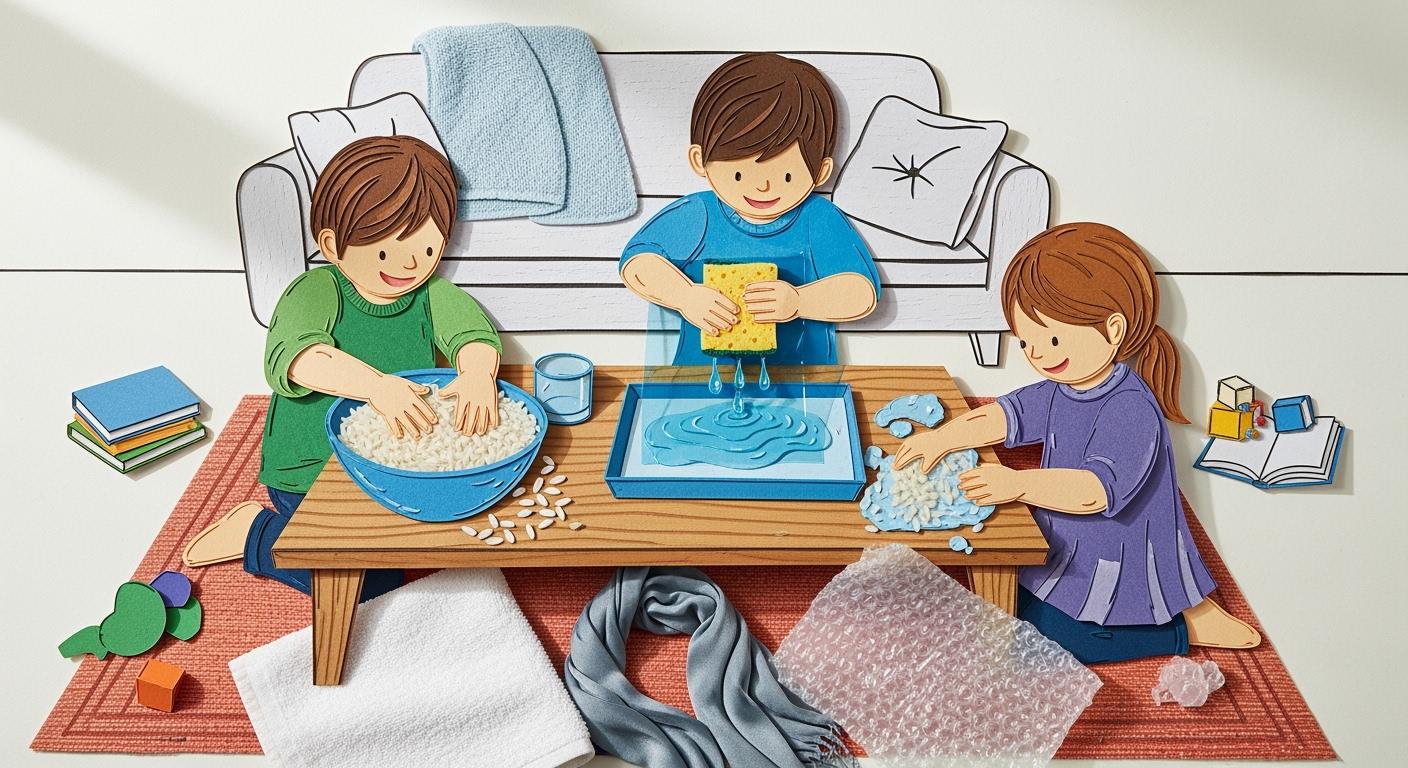
You can make fun sensory input activities for kids at home. Use common household items to do this. Sensory play helps kids grow and learn about their world. Studies show sensory activities help kids focus and join in more. Try using things like rice, measuring cups, and small toys. These activities are easy and safe.
Research on Sensory Play and Child Development:
Source | Findings |
|---|---|
Autism Research Journal | ASI is an evidence-based practice for children with autism ages 4-12 years old. |
American Journal of Occupational Therapy | Moderate evidence supports the use of ASI in a systematic review. |
Korean Meta-Analysis | Confirmed the effectiveness of sensory integration intervention across 24 studies. |
PubMed | Sensory integration intervention can improve school performance and participation for children with sensory challenges. |
Small plastic toys
Measuring cups and bowls
Key Takeaways
Sensory play helps kids pay attention and move better. You can use things like rice, measuring cups, and small toys. These items make activities fun and interesting.
DIY activities include jump zones, animal walks, and tunnel play. These games help kids know their bodies and move well. They also help kids get stronger and feel more sure of themselves.
Change sensory activities for different ages and needs. Make activities fit your child so they feel safe and want to play.
Sensory Input Activities for Focus and Motor Skills
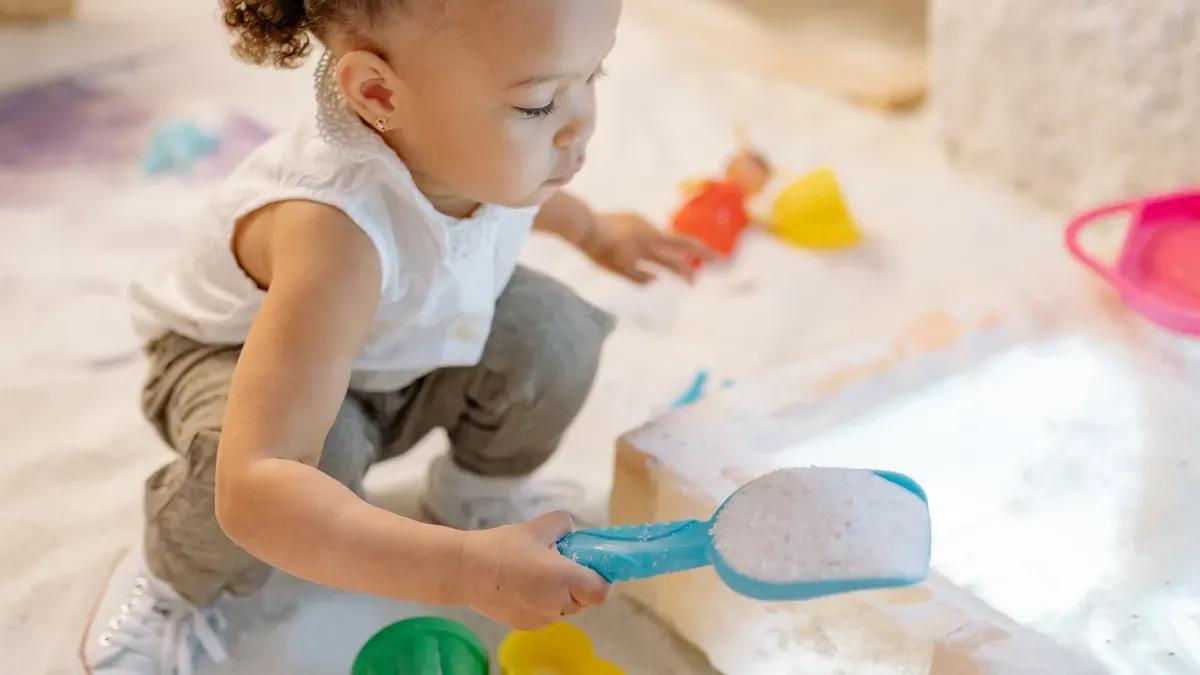
Sensory input activities can make your home feel like a fun playground. You do not need special tools. Just use things you already have at home. These activities help your child focus and move better. They also help your child learn skills for daily life. Research shows sensory play makes small muscles stronger. It also helps with coordination and paying attention. Here are three easy ways to help your child grow and have fun.
DIY Jump and Crash Zone with Couch Cushions
You can make a safe jump and crash area in your living room. This activity gives strong sensory input. It also helps build hand strength and body awareness.
How to set it up:
Get couch cushions, pillows, or folded blankets.
Stack them on the floor for a soft landing spot.
Move hard furniture and sharp corners away from the area.
Ask your child to jump, crash, or roll onto the cushions.
Tip: Always watch your child during this play. Check the cushions for damage and keep the area safe.
Jumping and crashing do more than use up energy. They help your child’s body grow and move better. These activities give proprioceptive input. This helps your child know where their body is in space. Your child may feel calmer and more focused after this play. Studies show movement activities can help kids focus and behave better, especially neurodiverse children.
Safety checklist:
Watch all jumping and crashing.
Keep hard objects away from the area.
Check cushion covers and foam for rips or holes.
Animal Walks for Motor Skill Development
Animal walks are a fun way to get sensory input and build motor skills. You do not need any special equipment. Just use your imagination and some space at home.
Try these animal walks:
Bear crawl (walk on hands and feet)
Crab walk (sit, lift hips, walk on hands and feet)
Frog jumps (squat and leap forward)
Snake slither (lie on tummy and wiggle forward)
Animal walks help build hand strength and core stability. They also help with coordination and body awareness. When your child moves like an animal, they use both sides of their body and brain. This helps with motor control and flexibility. Research shows animal walks make muscles stronger and improve coordination. These skills are important for gross motor development.
Activity Type | Benefits |
|---|---|
Animal Walks | Builds muscle strength, body awareness, and coordination. |
Jumping Activities | Helps with leg power and balance. |
Ball Games | Improves hand-eye coordination and timing. |
Animal walks are fun and help your child get stronger. Make it a game by calling out animals or racing across the room.
Tunnel Play Using Chairs and Blankets
Tunnel play is an easy way to give your child sensory input at home. You only need a few chairs and a big blanket or sheet.
How to make a tunnel:
Put two or more chairs in a row.
Cover the chairs with a blanket to make a tunnel.
Ask your child to crawl through, roll, or bring toys inside.
Tunnel play helps your child learn about distance and space. It also lets them feel different textures and see colors. Crawling through the tunnel builds coordination and core strength. This play helps with planning and sparks imagination. Kids love turning the tunnel into a maze or secret hideout.
Tunnel play helps your child’s sensory processing and thinking skills. It also gives a safe place to move and explore.
Why sensory input activities matter:
Sensory play helps connect sensory input and motor response.
These activities support body awareness and spatial skills.
Sensory input activities help with focus and attention span.
Multisensory play encourages flexible learning.
You can use these sensory input activities at home to help your child grow. They also support emotional regulation and make playtime special. Try them and see your child become stronger, more focused, and more confident.
DIY Sensory Activities for Texture and Emotional Regulation
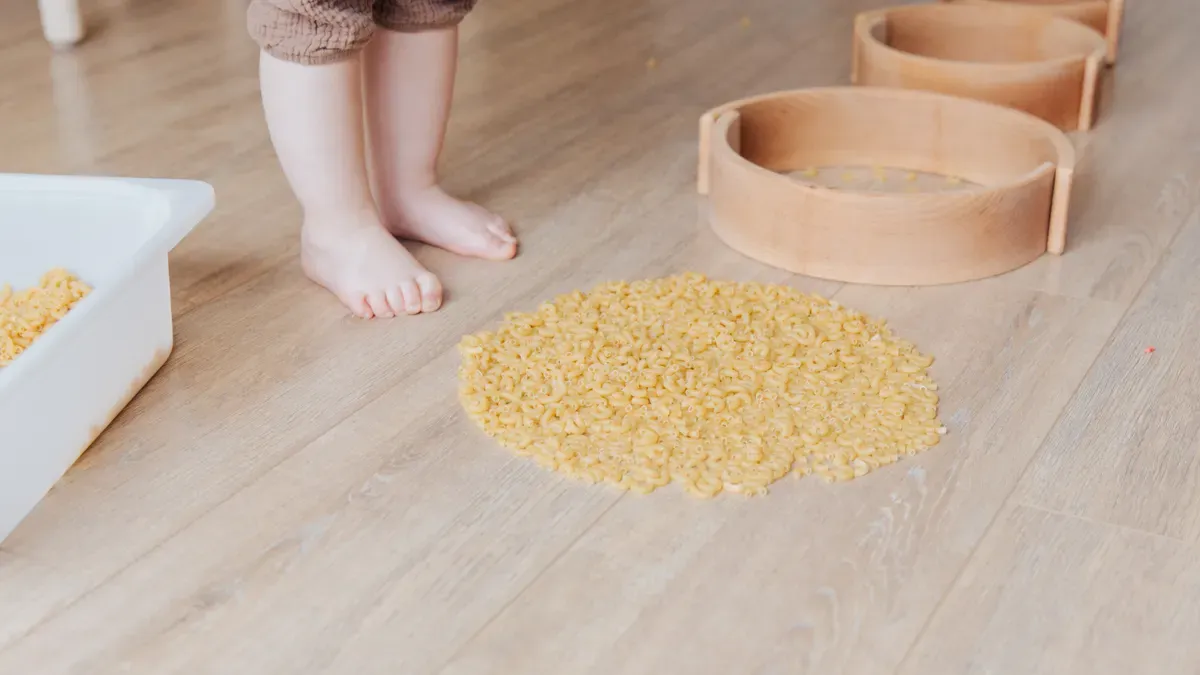
Tactile play can really help your child’s feelings and sensory growth. When you set up diy sensory activities at home, your child gets a safe place to try new textures. They also learn how to handle their emotions. Occupational therapists use tactile activities for kids who do not like certain touches. These activities help with sensory integration and let kids play with many textures. Messy play, like digging in sand or kneading dough, can calm your child. It can also help them deal with stress. You can use things from around the house to make fun, relaxing, and creative experiences that help your child grow.
Slime Making with Glue and Baking Soda
Slime is a favorite diy sensory activity for many kids. You only need glue, baking soda, and some contact solution. Making slime lets your child squeeze, stretch, and squish. This helps them get used to sticky and gooey textures. It also builds fine motor skills and lets them be creative.
How to make slime:
Pour 4 ounces of white school glue into a bowl.
Add 1/2 teaspoon of baking soda and mix well.
Slowly add 1 tablespoon of contact lens solution while stirring.
Knead the mixture until it turns into stretchy slime.
Tip: Let your child pick the color or add glitter for more fun. Ask them to talk about how the slime feels—sticky, stretchy, or gooey.
Making slime is not just about having fun. It helps your child learn new words and talk about textures. You can even make it a science lesson by talking about how the ingredients change. Kids enjoy seeing the mixture turn into slime as they mix and knead. These diy sensory activities can make great memories and help with problem-solving.
Safety Note:
Some kids may have skin problems or allergies to slime ingredients. Watch for redness, itching, or bumps. If you see any of these, wash hands right away and stop the activity. Do not use borax or strong smells to lower the chance of irritation.
Sensory Bins with Spaghetti and Chickpeas
Sensory bins are an easy way to let your child try new textures. You can use cooked spaghetti, dry chickpeas, or even rice and pasta. Fill a big bin or bowl with these items and add small toys, scoops, or spoons for more fun. This diy sensory activity lets your child dig, pour, and sort. It helps build fine motor skills and body awareness.
Ideas for your sensory bin:
Cooked spaghetti for a slippery, wiggly feel
Dry chickpeas for a bumpy, crunchy texture
Small cups, spoons, or tongs for scooping and pouring
When your child plays in the bin, they practice pinching, grasping, and pouring. These moves make the small muscles in their hands and wrists stronger. This helps with writing and using utensils later. Sensory bins can also calm your child, especially if they have sensory processing challenges. The repeated actions and soft textures can help your child feel safe and focused.
Try making a hidden treasure bin by hiding small toys or coins in the spaghetti or chickpeas. Ask your child to find them using only their hands. This makes it more fun and helps them explore.
Window Painting with Shaving Cream
Window painting with shaving cream is a creative diy sensory activity. It lets your child feel smooth, cool textures. Spray some shaving cream on a window or mirror. Let your child use their hands or a paintbrush to make shapes, letters, or pictures. This activity is easy to clean and lets your child express themselves without worrying about mistakes.
Benefit | Description |
|---|---|
Sensory Development | The cool, soft texture of shaving cream helps with tactile learning. |
Fine Motor Skills Enhancement | Painting helps build hand strength and coordination. |
Creative Expression | Kids can try new ideas, which boosts creativity. |
Cleanup Advantage | Shaving cream cleans easily, so cleanup is simple. |
Kids enjoy the feeling of shaving cream on their hands. This activity helps them get used to new textures and builds tolerance. It also makes fine motor skills stronger and helps with language as your child talks about what they make. You can add food coloring for extra color and fun.
If your child is nervous about messy play, let them start with a paintbrush or gloves. Slowly encourage them to use their hands as they get more comfortable.
Sensory Walk with Different Textures
A sensory walk is a great way to let your child try many textures. You can make a path with things you already have at home. Lay out towels, bubble wrap, sponges, soft rugs, and even a tray of water. Ask your child to walk barefoot or with socks and feel each texture.
How to set up a sensory walk:
Place towels, bubble wrap, and sponges in a line on the floor.
Add a tray of water or a bin of rice for more sensations.
Ask your child to talk about each texture as they step.
This diy sensory activity helps your child learn about their body and feel more confident. It also helps with emotional regulation by letting them try new sensations in a safe way. Messy play like this is good for kids who are sensitive to touch. It lets them explore slowly and build tolerance.
You can make the walk more fun by turning it into a game. Ask your child to close their eyes and guess the texture, or race from one end to the other.
More Ideas for Texture Exploration
If you want more ideas, try these extra diy sensory activities:
Make a squeeze and spray station with sponges and spray bottles.
Create playdough shapes using homemade or store-bought dough.
Try sorting household items by texture—soft, rough, smooth, or bumpy.
Make a calming sensory bottle by filling a clear bottle with water, glitter, and small beads. Shake it and watch the glitter swirl for a relaxing effect.
These activities help your child get used to different textures and support their sensory growth. They also help with creativity, language, and emotional regulation. When you offer many diy sensory activities, you help your child grow, learn, and have fun at home.
Adapting Sensory Activities at Home
Adjusting for Different Ages
You can change sensory play for any age. Kids learn and grow at different rates. Match the activity to your child’s stage. Use things you already have at home. This keeps play simple and fun.
Age Group | |
|---|---|
2-Year-Olds | Explore water, sand, or use tweezers for fine motor skills. |
Preschoolers (3-5) | Pretend kitchens, building blanket forts, and collaborative play for imagination. |
School-Aged (6+) | Coding toys, DIY sensory art, and teamwork puzzles for problem-solving and social skills. |
Preschoolers like pretend kitchens or building blanket forts.
School-aged kids enjoy coding toys and sensory art projects.
If your child is neurodiverse, use softer textures or smaller groups. Individual sensory bins can help them feel safe.
Tip: Watch your child during play. Change the pace or materials if needed. Play-based therapy works best when you follow your child’s lead.
Modifying for Sensory Sensitivities
Kids feel sensory input in different ways. Some need extra help to feel comfortable. You can make small changes to help.
Start slow. Try one or two new things at a time.
Give choices. Let your child say no or watch first.
Use calming movement or deep pressure before new textures.
Ask your child how each activity feels. Listen and change things if it is too much.
Explain what will happen before play starts.
Manualized sensory integration protocols help therapists make safe activities. These protocols use clear steps and proven methods. They support sensory processing and social development. Research shows sensory integration helps kids join in and control their feelings.
Remember, you know your child best. Trust yourself and change activities so sensory play feels safe and fun at home.
When you do sensory input activities at home, your child can grow. Sensory play helps make brain connections and builds confidence. Look for signs like calm breathing or happy faces during play. Try new sensory routines and talk about them with groups like MyAutismTeam. Simple play can help your child control feelings and grow for life.
Study | Parent Satisfaction | Reported Improvements |
|---|---|---|
Trajkovski et al., 2016 | 35% satisfied | |
Mirenda et al., 2022 | Significant gains | Quality of life improvements |
FAQ
How often should you do sensory activities with your child?
You can try sensory play every day. Short sessions work best. Watch your child’s mood and adjust the time as needed.
What if your child does not like messy play?
Start with dry or less messy textures. Let your child use tools or gloves. Give them time to get comfortable.
Tip: Always let your child lead the way.
Can sensory activities help with focus and behavior?
Yes! Sensory play can help your child calm down and pay attention. Many parents notice better focus after regular sensory activities.
See Also
10 Engaging Sensory Activities You Can Try At Home
10 Interactive Sensory Experiences for Young Learners
Creative Sensory Table Concepts for Simple Home Arrangements
Easy Suggestions to Create a Sensory Space
Ways to Design Exciting Holiday Sensory Activities for Students

