How to Create a Sensory Wall for Home or Classroom in 2026
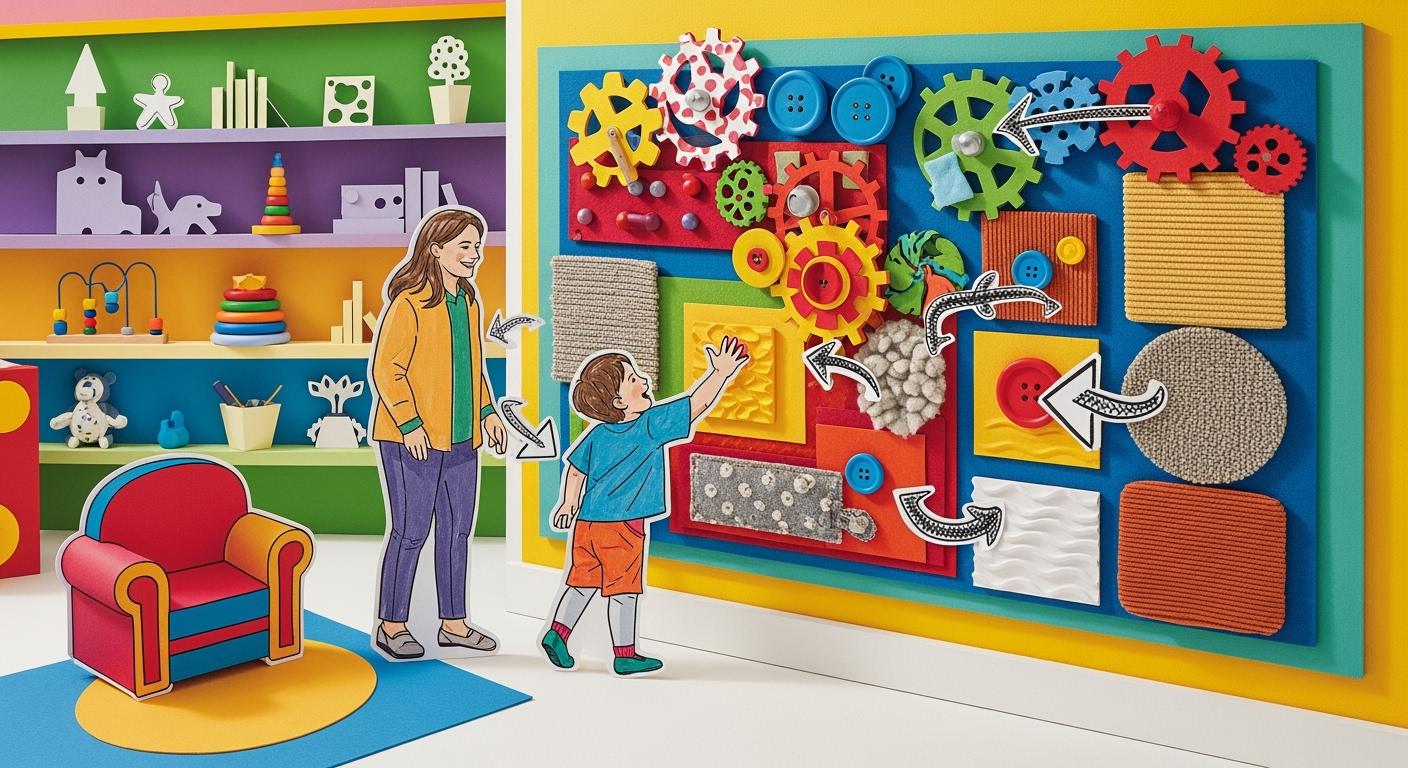
You can create a sensory wall for your home or classroom with simple materials and a bit of creativity. Many sensory wall ideas use household items, so you don’t need a big budget or a large space. Kids love exploring textures and sounds, and a classroom sensory wall helps them focus and feel calm. You get to choose between building your own or picking a pre-made panel. Even a small sensory space at home, like a corner, can make a big difference for children’s growth and happiness.
Key Takeaways
A sensory wall helps kids focus and stay calm. It uses textures, colors, and things to touch to interest their senses.
Pick a spot that is safe and easy to reach for your sensory wall. Make sure there are no dangers and kids can move around easily.
Making your own sensory wall saves money and lets you change it how you want. Use cheap things like towels and bubble wrap to make it special.
It is important to take care of the sensory wall often. Look for parts that are loose and change things that are old to keep it safe and fun.
Add sensory wall activities to daily routines. This makes kids feel good and helps them want to explore.
Sensory Wall Basics and Benefits
What Is a Sensory Wall?
A sensory wall is a fun way to help kids with their senses at home or school. You make it with different textures, bright colors, and things you can touch or move. You might use soft flooring, matte paint, rounded chairs, and natural fabrics. These things help the wall feel safe and nice. Some sensory walls have magnetic boards, fabric pinboards, or chalkboards. You can mix these parts to make a sensory wall that works for your space.
Tip: Modular panels let you change or grow your sensory wall when you want. You can start with a small wall and add more pieces later.
Here’s a quick look at common materials for sensory walls:
Material Type | Description |
|---|---|
Flooring | Soft floors like cork or rubber help keep kids safe and comfy. |
Wall and Surface | Matte paint stops glare. Chalkboards and other surfaces make the wall more fun to use. |
Furniture | Rounded edges and soft fabrics keep kids safe and feel good to touch. |
Textiles and Accessories | Natural fibers like cotton are soft and let air through. Different textures give kids more to feel. |
Key Benefits for Kids and Students
A sensory wall helps all kids, not just those with sensory processing differences. When you put a sensory wall in a room or classroom, it helps kids pay attention, calm down, and talk to others. Sensory walls often have things like gears to turn or buttons to press. These activities help kids use their hands better.
Here’s what you can expect:
Kids focus better, even those with ADHD.
Kids can calm down and have fewer meltdowns.
Neurodivergent kids get better at using their senses.
Kids get more chances to talk and share how they feel.
Studies show sensory walls help lower anxiety and stop repeated actions. Teachers see kids spend more time working and less time being distracted. You can use a sensory wall to make a calm room or a cozy spot. Kids like to touch and play with the wall, and you can change it to keep them interested.
Planning Your Sensory Wall Ideas
Choosing the Right Location
You want your sensory wall to be safe and easy for everyone to use. Start by looking at the space in your home or classroom. Pick a spot where kids can move around without bumping into furniture or sharp corners. Make sure the area gets enough light, but avoid places with harsh glare. You can use soft flooring to keep kids comfortable and prevent slips.
Think about who will use the sensory wall. If you have students with autism or sensory processing challenges, choose a location that feels calm and quiet. You can let kids pick which panel activities they like. This helps them feel in control and builds self-advocacy skills. When you give kids choices, you make the space more sensory-friendly and safe.
Here are some tips for picking the best spot:
Look for open areas with good visibility.
Avoid busy walkways or places near doors.
Make sure the wall is easy to reach for all ages.
Use soft mats or rugs for extra comfort.
Tip: Assess your space and needs. You can adapt sensory wall ideas to fit any budget or room size.
Sensory-Friendly Corners for Small Spaces
You don’t need a big room to create a sensory wall. Small corners work great for sensory-friendly setups. Try using a section of a hallway, a nook in the classroom, or even part of a bedroom. Modular panels and portable boards let you move and change your sensory wall as needed.
Add sensory wall ideas like textured tiles, soft fabrics, or magnetic boards. You can use baskets for sensory tools and toys. Make sure everything is easy to reach and safe to touch. When you create a sensory-friendly corner, you give kids a cozy spot to relax and explore.
Use vertical space with hanging panels.
Choose lightweight materials for easy changes.
Keep the area clutter-free for safety.
Note: Interactive sensory walls help kids feel supported and engaged, even in small spaces.
DIY Sensory Wall vs. Pre-Made Options
DIY Sensory Wall: Pros and Cons
Building your own sensory wall gives you freedom to choose what works best for your kids. You can pick colors, textures, and activities that match their interests. You get to decide how big or small the wall will be. If you like hands-on projects, a diy sensory wall lets you use your creativity.
You can make sensory bins for under $10 with simple items like rice, beans, or pasta. This keeps costs low and lets you change things often. You might use soft towels, fuzzy blankets, bubble wrap, or felt squares from budget stores. These materials feel good and add variety to your wall.
Here are some things to think about:
You save money by making your own sensory wall.
You can customize every part for your kids.
You control the size and shape of the wall.
You use materials that are easy to find.
But you might face some challenges:
Durability can be a problem, especially in classrooms.
Locks, wheels, and switches may loosen after lots of use.
Adhesives sometimes fail, which can cause safety issues.
You might underestimate how much maintenance the wall needs after the first excitement wears off.
Tip: Check your sensory wall often. Tighten loose parts and replace worn-out materials to keep kids safe.
Pre-Made Panels: Pros and Cons
Pre-made sensory wall panels offer a quick solution. You don’t have to spend time gathering materials or building the wall yourself. These panels come ready to install and often look professional. If you want a sensory wall that lasts, pre-made panels use sturdy materials.
You can find panels with bright colors, moving parts, and different textures. Some panels include gears, switches, or magnetic boards. Kids enjoy exploring these features, and you don’t have to worry about making each piece.
Here’s what you get with pre-made panels:
Easy installation with no extra work.
Durable materials that stand up to heavy use.
Professional design and finish.
Consistent quality and safety.
But there are downsides:
Pre-made sensory wall panels can cost as much as $2,721.00.
You might not get the exact features your kids want.
Customization is limited compared to diy options.
You may need help to install large panels.
Note: Pre-made panels work well for busy classrooms or spaces where you need a sturdy wall fast.
Budget-Friendly Tips and Materials
You don’t have to spend a lot to create a sensory wall that kids love. Many budget stores and home improvement shops carry items that work perfectly for sensory projects. You can mix and match materials to make your wall unique.
Here’s a list of cost-effective materials you can use:
Soft towels
Fuzzy blankets
Bubble wrap
Felt squares
Faux fur
Textured rugs
You can find these items for a few dollars each. Try using baskets to hold sensory tools or toys. Hang panels vertically to save space. Change materials often to keep kids interested and engaged.
Material | Where to Find | Sensory Feature |
|---|---|---|
Soft towels | Budget stores | Touch, comfort |
Bubble wrap | Home improvement | Texture, popping |
Felt squares | Craft shops | Texture, color |
Faux fur | Fabric stores | Softness, warmth |
Textured rugs | Discount stores | Grounding, texture |
Callout: You can build a sensory wall for less than $50 if you shop smart and use simple materials.
If you want to start small, try making a sensory corner with just a few items. Add more as you see what your kids like. You can always expand your wall later.
Designing and Installing Your Sensory Wall
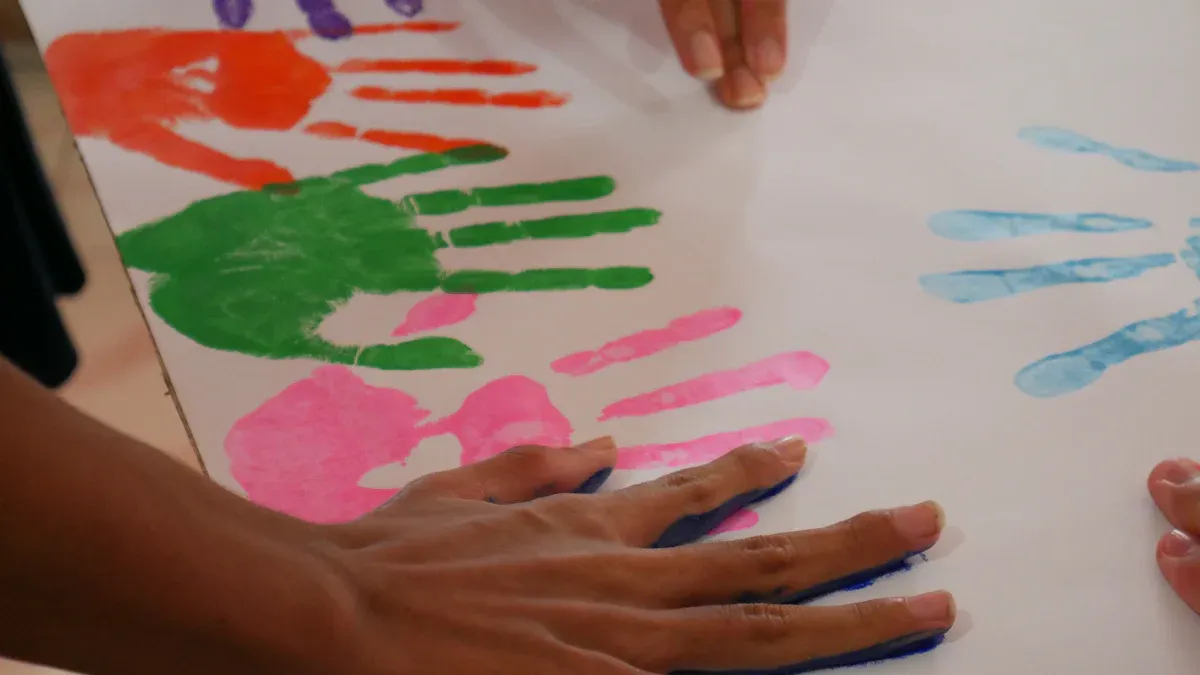
Materials and Tools Checklist
You need the right materials and tools before you start. Pick materials that are safe and strong. Make sure they are easy to clean. Choose items with different textures and colors. Add things kids can touch and move. This keeps kids interested and helps their senses grow.
Here’s a checklist to help you begin:
Soft fabrics like felt, faux fur, and textured rugs
Smooth wood panels or boards
Natural items such as cork, bamboo, and stones
Visual elements like mirrors and colorful pictures
Interactive parts like twisting knobs, spinning gears, and sliding latches
Non-toxic adhesives or mounting strips
Foam tiles or thick rugs for the floor
Baskets for sensory tools and arrangements
You will need some basic tools:
Screwdriver or drill
Measuring tape
Level
Scissors
Safety goggles
Check that all materials are non-toxic and strong. Look for items that can last a long time. Make sure surfaces are easy to wipe clean. This keeps your sensory wall safe for everyone.
Tip: Always check for loose parts or sharp edges before you install your sensory wall.
Layout and Safety Tips
Planning your layout is important for safety and fun. Pick a spot with good light and space to move. Do not put the wall near doors or busy walkways.
Safety comes first. Remove sharp corners from panels. Secure heavy pieces so they cannot tip over. Use soft flooring like foam tiles or thick rugs. This protects kids if they fall or move fast. Make sure air can flow in the area. Do not block vents or windows.
Padding the wall helps stop injuries if kids get overwhelmed. Pick padding that meets fire safety and impact standards. Check that gears and knobs are firmly attached. Test everything before kids use the wall.
Here are some quick safety tips:
Secure all panels tightly to the wall
Avoid small parts that could be choking hazards
Make sure kids cannot get trapped behind or under any part
Keep the area clutter-free for easy movement
Callout: A safe sensory wall lets kids explore, play, and calm down without worry.
Modular and Mix-and-Match Features
You can make your sensory wall flexible and fun with modular panels. Modular designs let you swap textures, colors, and activities. This keeps the wall new and exciting for kids.
Modern sensory walls use panels you can move or rearrange. Some use smart technology to change lights or sounds. Start with a few panels and add more as you need. This works well at home or in classrooms.
Mix different textures and interactive features. Here’s a table with some ideas:
Texture/Element Type | Description |
|---|---|
Soft fabrics, rough materials, or smooth surfaces for tactile fun | |
Visual Elements | Mirrors, bright pictures, or calming images for visual interest |
Interactive Features | Buttons, knobs, gears, and latches for hands-on play |
Kids like to twist knobs, spin gears, and slide latches. These activities help them build fine motor skills and manage emotions. Add baskets for sensory tools and arrangements. Kids can pick what they want to explore.
If you want to try a diy approach, use Velcro strips or hooks. Attach different textures so you can change the wall anytime. For bigger projects, look for modular systems that let you expand or rearrange panels as your space changes.
Note: A modular sensory wall grows with your kids and keeps them engaged year after year.
Create a Sensory Room Experience
Using Your Sensory Wall Effectively
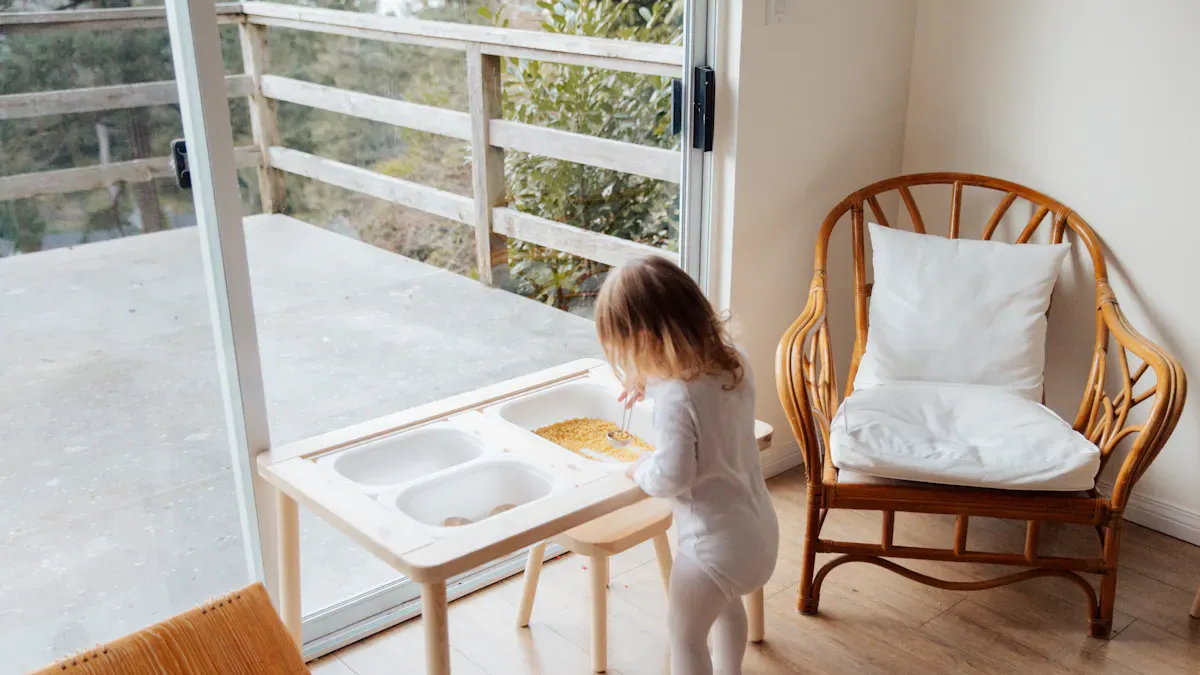
You can make a sensory room that feels welcoming and helps kids learn. Start by using the sensory wall every day. Make it part of your routine. Kids like to use their hands to explore. Plan time for sensory integration activities. Use the wall when kids switch tasks, after lunch, or when they need to calm down.
Set simple rules for the wall. Tell kids how and when to use it. This helps them feel safe. You can ask occupational therapists for advice. They can help you pick the right features for each child. This makes kids want to explore and try new things.
Here’s a table with tips for using your sensory wall:
Best Practice | Description |
|---|---|
Set clear rules for usage | Kids know when and how to use the wall, which builds confidence and safety. |
Integrate activities into daily routines | Regular access lowers anxiety and keeps sensory room experiences consistent. |
Collaborate with occupational therapists | Experts help you tailor sensory integration activities for each child. |
Ensure predictability and safety | Kids feel comfortable exploring the wall in a reliable environment. |
You can change your sensory room as kids grow. Try new activities and swap out wall parts. This keeps things fun and interesting.
Maintenance and Cleaning Tips
It is important to keep your sensory room clean and safe. Check the wall often, especially if kids use it a lot. Look for loose pieces or worn-out textures. Fix anything that could hurt someone. Some parts, like spinning gears or sliding latches, need more checks.
Check the wall based on how important each part is. If a piece could be dangerous, check it more often. Busy classrooms or rough spaces need more checks too. Follow the maker’s instructions and any safety rules for your room.
Here’s a table to help you plan maintenance:
Factor | Description |
|---|---|
Asset criticality | Inspect parts that could cause safety incidents more often. |
Operating environment | Busy or harsh spaces need shorter inspection intervals. |
Failure mode characteristics | Check features that wear out quickly more often. |
Manufacturer recommendations | Follow guidelines for cleaning and replacing wall components. |
Regulatory requirements | Meet any safety rules for sensory room equipment. |
Clean the wall with gentle, safe cleaners. Replace broken or worn parts right away. This keeps the room safe and nice for kids. Add new sensory features to keep kids interested and learning.
You can make a sensory wall by doing a few easy things. First, choose a good place for your wall. Next, collect the materials you need. Then, plan how your wall will look. After that, put it up in a safe way. Keep your wall interesting by changing things sometimes. A sensory wall helps kids pay attention and feel relaxed. It also helps them talk and play with friends. Always check that your wall is safe to use. Change or fix things if needed. Try to keep your wall simple and not too crowded. You do not need a lot of money or space to make one. Anyone can build a sensory wall that helps kids. Are you excited to begin? Your wall can help every child feel happy and supported!
FAQ
How do you clean a sensory wall?
You can wipe most surfaces with a damp cloth. Use gentle, non-toxic cleaners. Check for loose parts before cleaning. Replace anything that looks worn or damaged.
Can you make a sensory wall if you rent your home?
Yes! Try portable panels or boards. Use removable hooks or Velcro strips. You avoid damaging walls and can move your sensory wall anytime.
What age is best for a sensory wall?
Kids from toddlers to teens enjoy sensory walls. You can adjust activities and textures for different ages. Always check for safety and age-appropriate features.
How much does a sensory wall cost?
You can build a simple sensory wall for under $50. Pre-made panels cost more. Shop smart and use everyday items to save money.
What materials should you avoid?
Skip anything sharp, toxic, or small enough to swallow. Avoid strong adhesives that damage walls. Choose safe, sturdy, and easy-to-clean materials.
See Also
Creative Sensory Space Concepts for Home and Education
Effective Sensory Room Solutions for Educational Settings
Ultimate Handbook for Creating Sensory Rooms at Home and School
Essential Advice for Crafting Functional Sensory Rooms in Schools
Comprehensive Instructions for Establishing an ASD Sensory Room

