Sensory Training Made Simple for Certification Success
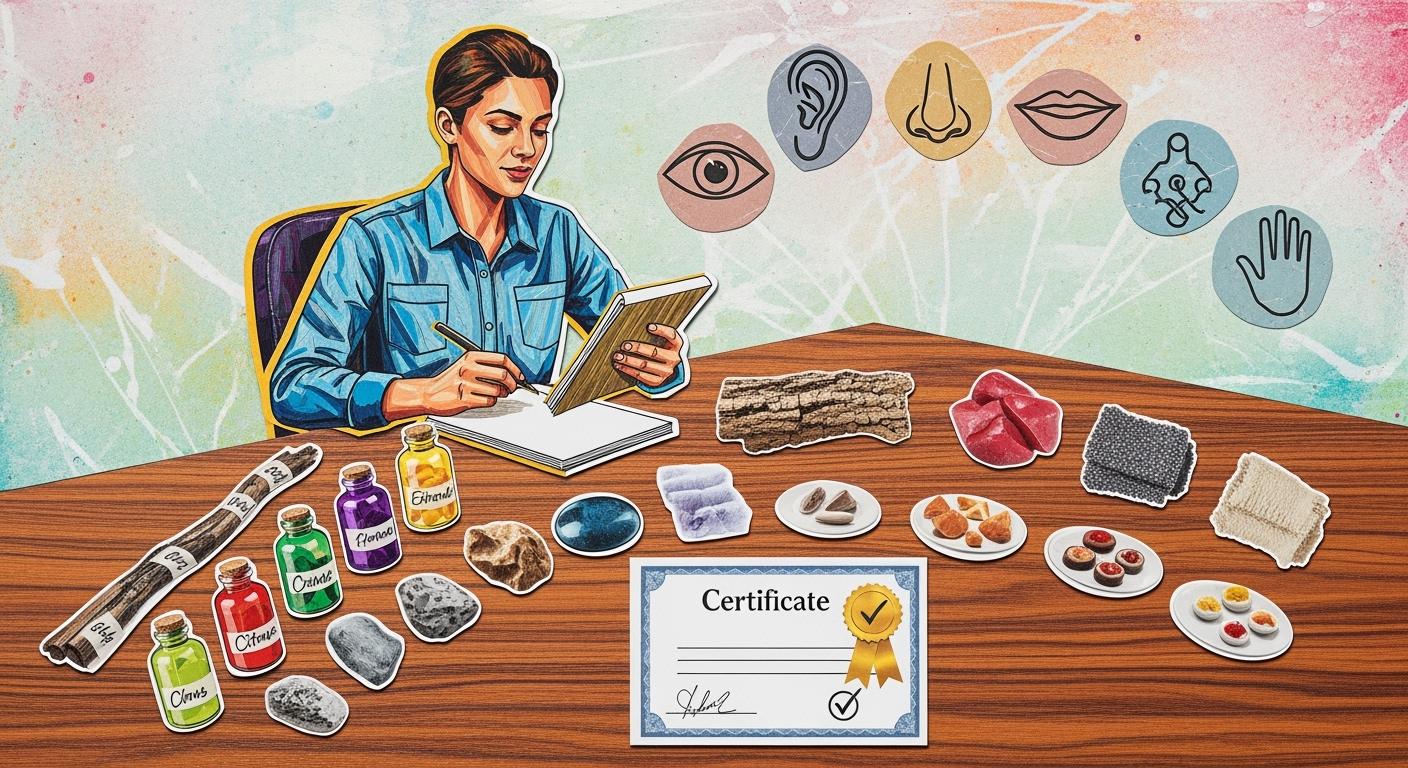
You can get certified as a sensory inclusion facilitator by finishing sensory training for any skill level. The steps are easy and welcome both new people and experts. You do not need special experience to begin. This path lets you help others feel included and cared for. Start your journey now and see how you can help others easily.
Key Takeaways
Anyone can be a sensory inclusion facilitator. You do not need special experience to begin.
Certification helps make places friendly for people with sensory sensitivities. You learn how to help people with autism, PTSD, and other needs.
Choose accredited programs to get good training. Pick programs that match your goals and how you like to learn.
Stay organized and use your time well during training. Break your study time into small parts to help you focus.
Keep learning even after you get certified. Learning more helps you stay up to date and keep your skills fresh.
Sensory Inclusion Certification
What It Is
Sensory inclusion certification helps you make places welcoming for all. You learn how to help people with sensory sensitivities and invisible disabilities. These include autism, PTSD, dementia, and sensory processing disorders. Groups like KultureCity explain what sensory inclusion certification means.
KultureCity's sensory inclusion certification shows that places support people with sensory sensitivities and invisible disabilities, like autism, PTSD, dementia, and sensory processing disorders.
You get new skills from sensory training. You learn to spot sensory needs and help with kindness. You also find ways to make places safer and more comfortable. Certification proves you know how to help people who feel stressed by noise, lights, or crowds.
Why It Matters
Sensory inclusion certification is important because it helps people. You make public places easier for everyone to use. People with sensory sensitivities sometimes stay away from busy or loud places. When you get certified, you help them feel safe and welcome.
You can become a leader in your area. You show others how to help people with invisible disabilities. You also earn trust from families who need safe places. Sensory training gives you ways to make good experiences for all visitors.
Many schools, hospitals, and fun places want certified helpers now. They want to make their spaces better and welcome more people. You can help them do this. Certification gives you new chances and helps the people you serve. You make a big difference every day.
Eligibility & Prerequisites
Who Can Apply
You can apply if you want to help people. These programs welcome many kinds of people. You do not need a special job. Teachers, coaches, healthcare workers, and parents can join. If you care about making spaces better, you are a good fit.
Tip: Caring about others is more important than your job or experience.
Some programs are for certain groups. For example, Sensory Fitness Coach Certification Level 1 is for coaches, trainers, and movement professionals. The table below shows how open these programs are:
Certification Program | Target Audience | Requirements |
|---|---|---|
Sensory Fitness Coach Certification Level 1 | Coaches, trainers, movement professionals | No formal educational background needed; focus on using sensory-based movement in practice |
Background Needed
Most sensory inclusion certification programs do not ask for special schooling. You do not need a college degree or special training. Programs want people who care and are committed.
Most good programs do not need special schooling.
Programs like people who want to learn.
You can apply even if you are new.
You can start if you want to learn. Many people begin with little experience and grow their skills. If you want to help, you already have what you need.
Sensory Training Steps

Find Accredited Programs
You begin by looking for accredited programs. Accredited programs follow strict rules. These rules help keep sensory training high quality. They also protect Dr. Ayres' work. You can trust these programs to teach you well.
Accreditation uses the Minimal Standards for Education in ASI®.
These rules help therapists learn correctly and effectively.
Accredited programs support skill and honesty in sensory training.
You can find programs in many places. Schools, hospitals, and community centers have options. Pick programs that fit your goals and needs.
Enroll & Start Learning
You sign up for a program after you choose one. The steps are easy. You fill out a form and pay the fee. Some programs ask for basic details about you. You get course materials after you enroll.
Tip: Pick a program that fits your time and learning style.
You can start learning right away. Most programs use online tools. You can study when you want.
Complete Online Modules
You finish online modules next. These modules teach you the basics of sensory training. You learn how to spot sensory needs and help people.
Many programs need 20 to 30 hours of online modules.
The SenseUp Approach Course has over 30 hours of content in its library.
You can study when you have time. The modules use videos, quizzes, and readings. You build your skills step by step.
Attend Live Workshop
You go to a live workshop after finishing the modules. Workshops let you practice hands-on skills. You work with experts and other learners. You ask questions and get feedback. Workshops help you use what you learned online.
Note: Workshops can be online or in person. Pick the option that works best for you.
You practice real-life situations. You learn how to make spaces safer and more welcoming.
Pass Assessments
You pass tests to show your skills. Tests check your knowledge and abilities. You answer questions and solve problems. You may do a project or case study.
You must meet the program's standards. Passing tests shows you are ready to help others.
Submit Application
You send your application for certification after finishing all steps. You send your results and any needed papers. The program checks your work. You get your certificate if you meet all requirements.
Tip: Keep your certificate and records safe. You may need them later for renewal or jobs.
Typical Process and Timeline
You can see the steps in the table below:
Step | Description | Estimated Time |
|---|---|---|
Find Accredited Program | Pick a program that meets standards | 1 week |
Enroll & Start Learning | Sign up and start the course | 1 week |
Complete Online Modules | Study online content | 4-8 weeks |
Attend Live Workshop | Join a live session | 1 week |
Pass Assessments | Take tests and finish projects | 2 weeks |
Submit Application | Send papers for certification | 1 week |
Most programs take about 12 weeks to finish. You can find options for education, healthcare, and other fields. You build your skills and earn certification in a few months.
Sensory training gives you tools to help people in many places. You learn at your own speed and gain real-world skills.
Sensory Training Resources

Top Courses & Providers
You can find trusted courses for sensory training. These programs use proven ways and skilled teachers. Here are some top picks:
KultureCity is a leader in sensory inclusion. You can join their online training and earn certification.
STAR Institute has advanced courses for sensory processing. You learn from experts in the field.
SenseUp Approach gives you many video lessons and live workshops.
Sensory Fitness Coach Certification helps coaches and trainers use sensory-based movement.
Tip: Pick a course that fits your job. Some focus on schools, others on healthcare or sports.
Here is a quick comparison:
Provider | Format | Focus Area |
|---|---|---|
KultureCity | Online | Public spaces |
STAR Institute | Online/Hybrid | Therapy, education |
SenseUp Approach | Online | General, advanced |
Sensory Fitness Coach | Online | Fitness, movement |
Study Materials
You need good study materials to do well. Most programs give you videos, readings, and quizzes. Some also have guides and checklists you can download.
Video lessons show real-life examples.
Printable guides give clear steps to follow.
Quizzes check your knowledge as you learn.
Case studies show how to solve real problems.
Note: Many providers update their materials often. Always look for the newest resources.
You can join online groups or forums. These let you ask questions and share tips with others learning sensory training.
Certification Success Tips
Study Strategies
You can do better in sensory training certification if you use smart study habits. Start with a clear plan. Write down what you need to learn. Set goals for each week. Tutors who know about neurodiversity can help you learn in ways that work for you. You get more out of your study when you use lessons made just for you.
Benefit | Description |
|---|---|
Tutors who know neurodiversity can give special lessons that help you learn better. | |
Competitive Advantages | Certified centers have fewer problems and parents trust them more, so you get a good place to study for exams. |
Enrollment Growth | Special training makes places run better and look good, so more students join and get help for exams. |
Tip: Use official guides and practice with sample questions. Join study groups to share ideas and ask questions.
Time Management
You need good time management to finish your certification. Break your study time into small chunks. Use a calendar to keep track. Practice with timed mock exams to get used to working fast. This helps you answer questions quickly and stay calm.
Set daily or weekly goals.
Use timers to keep your study short and focused.
Check your progress often.
Note: Practicing with a timer helps you get ready for the real exam and keeps you from feeling stressed.
Overcoming Challenges
You may face problems during your certification journey. Many people have trouble with studying, managing time, and feeling nervous. You can beat these problems by using proven solutions.
Challenge | Description | Solution |
|---|---|---|
Lack of Preparation | Some people do not plan their study well enough. | Make a study plan: Match what you learn to the exam and use the right resources. |
Long exams can make you waste time on questions. | Practice with timed mock exams: Pretend it is the real test and check how you do. | |
Overlooking the Exam Objectives | Not knowing the exam goals wastes study time. | Match your study to the exam goals: Download the official list and plan your study. |
Ignoring the Fine Print | Not knowing exam rules can get you disqualified. | Read exam rules carefully: Look at all instructions and get your papers ready. |
Test Anxiety | Feeling nervous can hurt your test performance. | Learn ways to relax: Practice calming techniques and pretend it is the real exam. |
Remember: You can reach your goal by planning ahead, practicing often, and staying positive. Every step gets you closer to success.
Certification Renewal
Ongoing Education
You need to keep learning after you get certified. Ongoing education helps you learn new things and stay current. Many programs want you to do extra training every year or two. This training can be online classes, workshops, or webinars. You can also read new articles or join groups for professionals.
Go to new workshops to learn about new sensory tools.
Watch webinars where experts give helpful tips.
Read articles or case studies to see how others solve problems.
Tip: Put a reminder on your calendar to look for new learning chances every few months. This habit helps you stay ready and keeps your certification active.
Renewal Process
You must renew your certification to keep it good. Each program has its own rules, but most use easy steps. You usually need to show proof of learning and pay a fee. Some programs want you to send a list of your training hours or certificates.
Here is a normal renewal process:
Gather proof of your learning, like certificates or records.
Fill out the renewal form from your certification provider.
Pay the renewal fee, if needed.
Send your papers before the deadline.
Step | What You Need To Do | Time Needed |
|---|---|---|
Gather Documents | Collect certificates, records | 1-2 weeks |
Complete Application | Fill out renewal form | 1 day |
Pay Fee | Submit payment | 1 day |
Submit Materials | Send all items to provider | 1 day |
Note: If you miss the deadline, you might have to retake the course or pay more. Always check your program’s rules early.
Renewing your certification shows you care about doing a good job and growing. You keep your skills strong and show you are ready to help others.
You can get certified as a sensory inclusion facilitator by taking easy steps. First, do sensory training. Then, finish the online modules. Next, go to a workshop. After that, pass your tests. Anyone can do this process. The table below shows some course choices:
Course Title | Date & Time | Cost | Description |
|---|---|---|---|
Sensory Profiling & Analysis | 19 August 2025, 7:00pm AEST | AU$97 + GST | Learn how to look at SPM-2 and Sensory Profile 2 results in a careful way. |
Sensory Strategies for Home & School | 2 September 2025, 7:00pm AEST | Included | Make plans for kids that work at home and school using real proof. |
“I learned more about sensory processing and got tips I use every day. The course made me feel sure about changing spaces and activities. I also work better with teachers and staff to help everyone join in and feel calm.”
You can help others in a big way. When you choose to include everyone, you make spaces better for all.
FAQ
How long does sensory inclusion certification take?
It takes about 12 weeks to finish certification. Most programs let you go at your own speed. You do online modules, join workshops, and take tests in this time.
Do you need special skills to start sensory training?
You do not need special skills to begin. You just need to want to help people. Programs are open to both new learners and experts. You learn all you need during the course.
Can you renew your certification online?
Yes, you can renew your certification online. Most providers make renewal simple. You show proof of learning, fill out a form, and pay a fee. This keeps your certification active.
What jobs can you get with sensory inclusion certification?
You can work in schools, hospitals, gyms, and public places. Many jobs want certified facilitators. You help make spaces safer and more welcoming for everyone.
See Also
Creating Easy Sensory Classrooms for Every Educator
Comprehensive Guide to Sensory Elements for Teachers
Thorough Guide to Sensory Processing for Autism Support

