Sensory Toys Every Parent of a Special Needs Child Should Try
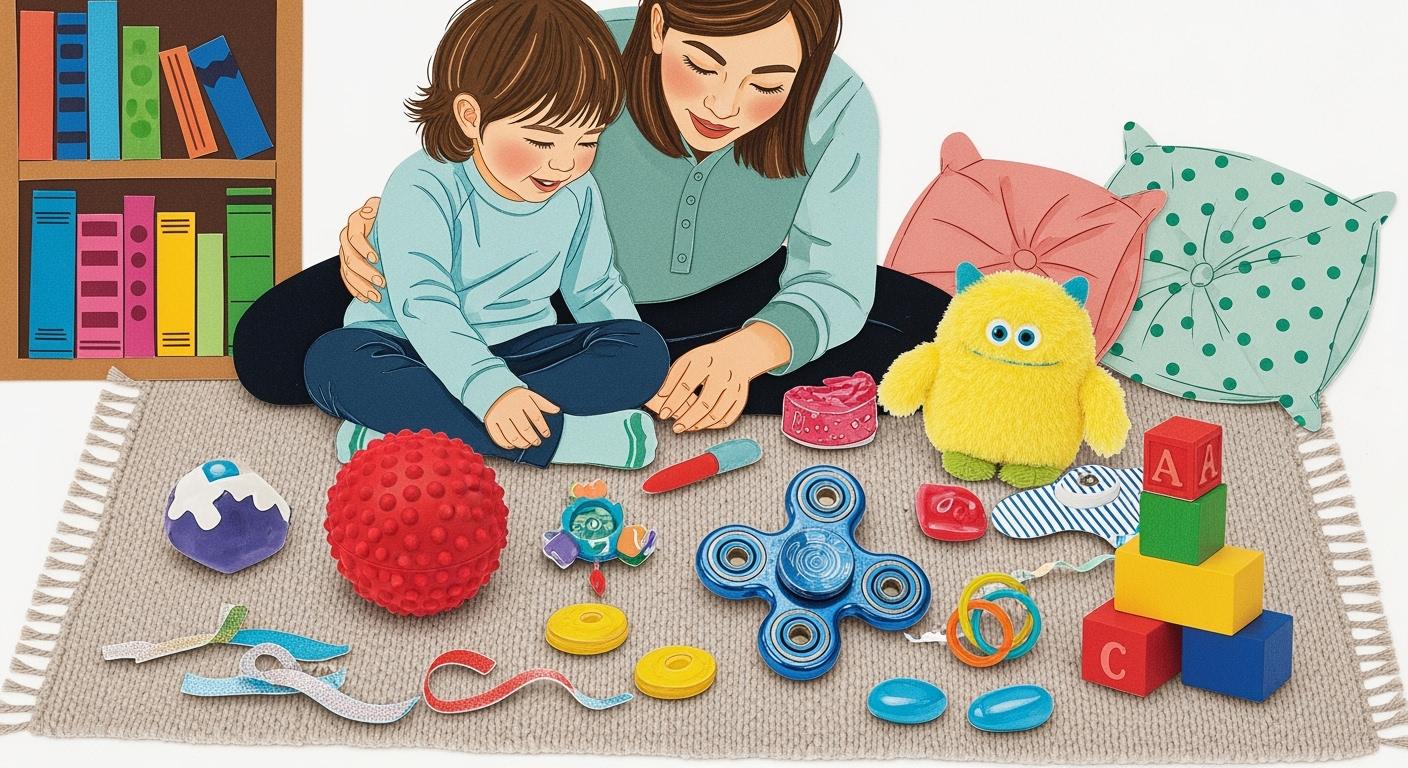
You work hard every day to help your child thrive. You want the best for them, and you know their journey is unique. Sensory toys can make a real difference. Research shows these toys help children focus, calm their nervous systems, and build important skills.
Many parents notice sensory toys improve their child’s ability to relax and interact with others.
These toys boost fine motor skills.
They encourage teamwork and communication.
They help reduce anxiety.
Feel free to try new ideas. Every child responds differently, and what works for one might not work for another.
Key Takeaways
Sensory toys help kids pay attention and feel calm. They also help kids learn new skills. Fidget spinners and cubes are good for kids who like to move. These toys let them move while they do their work. Chewable jewelry is safe for kids who need to chew. It helps them calm down by chewing. Weighted toys and lap pads give deep pressure. This can help kids relax and focus better. Making a sensory space at home is a good idea. It gives your child a safe and calm place.
Best Sensory Toys for Special Needs
Fidget Spinners and Cubes
You see fidget spinners and cubes almost everywhere now. These toys are not just popular. Occupational therapists suggest them because they help kids use extra energy and pay attention. When your child’s hands are busy, they may feel calmer and less worried. Fidgeting can help blood move and keep kids awake, especially during homework or quiet time.
Did you know? Kids with ADHD do better on tasks when they can fidget. Fidget spinners and cubes help kids focus and make changes easier.
Study | Findings |
|---|---|
Havlík (2020) | Rhythmic sensory stimulation helps kids focus on tasks. |
UC Davis | Kids with ADHD pay better attention when they fidget. |
If your child feels anxious or has trouble focusing, these sensory toys might be a good place to start.
Chewable Jewelry and Oral Toys
Some kids like to chew to feel calm. Chewable jewelry and oral toys give a safe and quiet way to do this. You can find sensory toys made from safe materials without bad chemicals. These toys help with mouth skills and let kids calm themselves when they feel stressed.
Safety Considerations | Benefits |
|---|---|
Non-toxic, food-grade | Safe sensory outlet |
No BPA, phthalates, lead | Helps with mouth skills |
Large size prevents choking | Calms stress and worry |
Strong for lots of use | Helps with self-control |
If your child chews on clothes or pencils, try chewable jewelry. It is an easy sensory tool that can really help.
Weighted Toys and Lap Pads
Weighted toys and lap pads give deep pressure, which many kids find relaxing. These sensory toys for autism and sensory processing problems help calm the nervous system. You may see your child feel less worried and more focused when using a weighted lap pad during schoolwork or changes.
Benefit Category | Specific Benefits |
|---|---|
Sensory Regulation | Lowers touch problems, helps body awareness |
Calming Effects | Reduces worry, helps focus, makes changes easier |
Motor Skills | Improves body position sense, helps core strength |
Portable Options | Lap pads and wraps for sitting activities |
Weighted toys can also help your child sleep better and feel safe. If you want sensory tools for school or therapy, these are a great pick.
Sensory Balls and Texture Toys
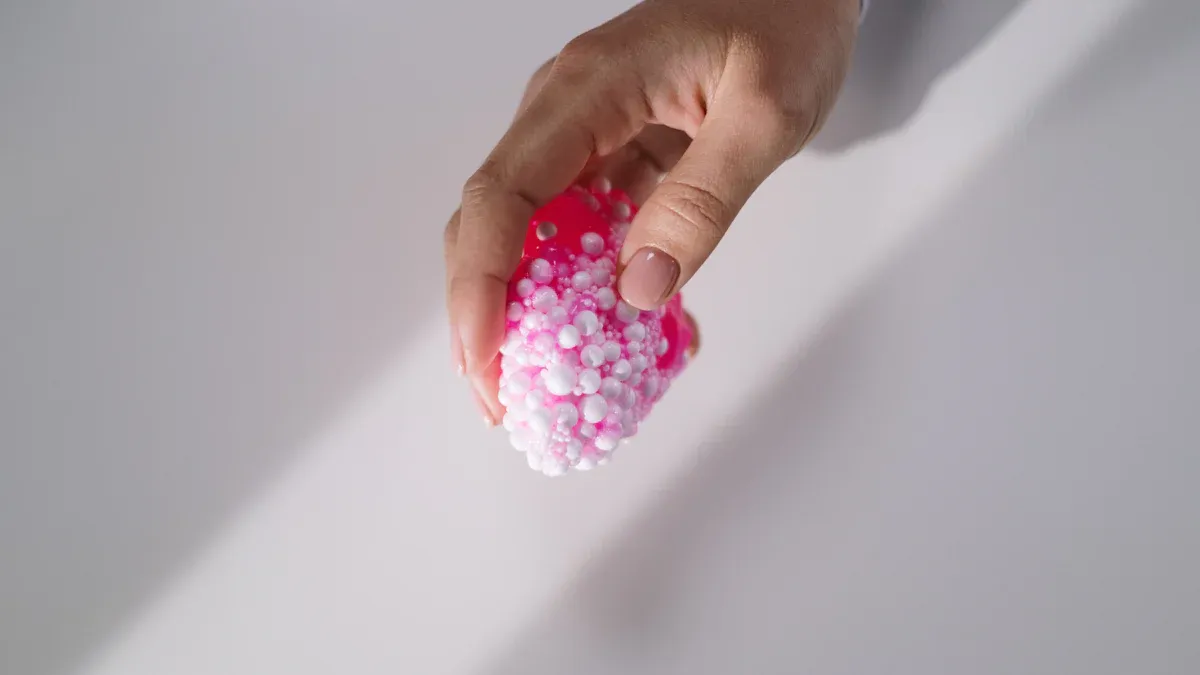
Sensory balls and texture toys give touch input and make play fun. You can pick soft, squishy shapes, bumpy balls, or even weighted pillows. These toys help kids feel different textures, colors, and shapes. They also build fine motor skills and help kids tell objects apart.
Product Name | Description |
|---|---|
Sensory Balls | Nature colors, soft points, many sizes |
Tactile Squeaky Balls | Bright colors, three textures, squeaks for fun |
Seek & Find Box | Loose items with many shapes and textures |
Weighted Pillow | Deep pressure, calming hug feeling |
Sensory Shapes | Bumpy surfaces, squishy, color play |
Tactile Shells | Many shapes and textures for class play |
If your child likes to squeeze, squish, or sort, these sensory toys can make playtime fun and helpful.
Visual and Auditory Stimulators
Visual and auditory sensory toys help kids handle too much noise or light and focus better. You might use light-up toys, headphones that block noise, or digital tools for therapy. These sensory toys can make a calm space and lower the need for stimming.
Evidence Type | Description |
|---|---|
Sensory Processing | Kids with autism do better with quiet spaces and sensory tools. |
Digital Tools | Good for therapy, but balance with offline play. |
Vocal Stimming | Helps manage feelings and sensory needs. |
Supportive Environments | Quiet spaces and sensory toys lower stress. |
If your child is bothered by sound or light, try these sensory toys to help them feel safe and comfortable.
Yoga Balls and Movement Toys
Movement is important for many kids with sensory needs. Yoga balls and movement toys let kids bounce, balance, and stretch. You can use a yoga ball instead of a chair to give your child sensory input while sitting. These toys help with core strength, balance, and stretching.
Yoga balls help with balance and body sense.
Movement toys make therapy fun.
Easy yoga moves build strength and confidence.
If your child likes to move, these sensory toys for autism and ADHD can help them grow and make daily life easier.
Tactile Toys: Playdough, Kinetic Sand, Therapy Putty
Tactile toys like playdough, kinetic sand, and therapy putty let your child use their sense of touch. These toys have different textures and strengths, helping kids build fine motor skills and learn by touch. You can squeeze, roll, or shape them, which helps with writing and using tools.
Tactile toys give calming input for kids who seek touch.
They help kids know objects by feel.
Playing with these toys helps with sensory therapy.
If you want your child to be creative and relax, add these sensory toys to playtime.
Tip: Every child is different. Try many sensory toys and see what works best for your family.
Sensory Toys and Child Development
Motor Skills
You want your child to have strong hands and good balance. Sensory toys can help with this. When your child squeezes, rolls, or bounces, they practice motor skills. These actions help with both small and big movements. You might see your child hold a pencil better. They may also jump or move with more confidence. Here is a table that shows how different toys help:
Toy Name | Skills Supported | Recommended Ages |
|---|---|---|
Sensory Peanut Ball | Balance, Concentration, Coordination, Focus, Motor skills, Tactile awareness | All ages |
Foosbots | Fine motor skills | 6 and up |
Teeter Popper | Balance, Coordination, Core Strength, Leg Strength | 3 and up |
Light Table for Sand Painting | Artistic technique, Creative expression, Fine motor development, Writing | 3 and up |
Fidget Board | Fine motor skill development | 3-6 |
Light Up Sensory Play Jars | Gross motor skill development, Calming experience | 3 and up |
Silicone Bubbles | Fine motor skills | 10 months and up |
Self-Regulation and Calm
It can be hard for your child to stay calm. Sensory tools like weighted blankets and stress balls help them relax. These toys make your child feel safe and comfortable. Many therapists use sensory diets. These are planned activities with sensory toys. Sensory diets help kids control their bodies and feelings. You might see your child focus better and act out less.
Sensory play lets your child calm down in a natural way. Squeezing, kneading, or moving in a pattern can lower stress. These actions help your child feel better.
Touch activities help with focus.
Water play and moving in patterns lower stress.
Communication and Social Skills
You want your child to make friends and join in. Sensory toys help with sharing and teamwork. When your child plays with others, they learn to take turns. They also learn to read how others feel and show their own feelings. Sensory toys help your child know what their body needs. This makes it easier to join group games.
Playing together builds social skills.
Taking turns and sharing teach social rules.
Focus and Attention
Your child may have trouble paying attention. Sensory play can help with this problem. Studies show that fidgeting or using sensory toys helps kids focus. Kids with ADHD do better when they can touch or move something. Stress balls, fidgets, and magnetic panels help kids stay on task.
Sensory activities help kids control themselves.
Fidget toys help kids focus on tasks.
Sensory therapy helps with social skills and behavior.
Sensory toys help your child feel stronger and more confident. This makes daily life easier for your family.
Choosing Sensory Toys for Your Child
Understanding Sensory Preferences
You know your child better than anyone. Watch how they act during sensory play. Do they smile when they touch something soft? Do loud sounds make them cover their ears? Write down these moments to see patterns. You can give your child two toys and see which one they like more. If your child can talk, ask what feels good or what they enjoy. If your child does not talk, use pictures or let them point. Here is a quick guide:
Possible Sensory Need | Support Strategy Example | |
|---|---|---|
Covers ears in noisy places | Sound sensitivity | Offer noise-canceling headphones |
Constantly moving or fidgeting | Seeks movement (vestibular) | Add regular movement breaks |
Avoids messy or sticky textures | Touch sensitivity | Use dry materials for activities |
Mouths objects frequently | Oral sensory seeking | Offer safe chewable alternatives |
Professional Guidance
Occupational therapists say to start with your child’s sensory profile. Ask yourself what helps your child feel calm. Think about what makes them happy or upset. Does your child need to calm down or wake up? Pick toys that match these needs for better results. Therapists also say to check if the toy fits your child’s age and goals. Choose toys that help with real challenges, not just what is popular.
Tip: If you are not sure, ask your child’s therapist for help. They can help you pick toys that help your child grow and feel good.
Real-Life Parent Tips
Many parents use both watching and trying new things. Try new sensory toys for short times. See which toys your child likes to use again. Some parents keep a basket of favorite toys nearby. Others switch toys every week to keep things fun. Talking with other parents can give you new ideas.
Safety and Durability
Safety is most important. Look for toys made from natural things like hardwood or organic cotton. Check for safety marks like OEKO-TEX® STANDARD 100 or CPSC Compliance. Stay away from toys with small parts or bad chemicals like BPA or PVC. Strong toys last longer and can handle rough play. Toys that are easy to clean are best for busy families.
Standard | Description |
|---|---|
Natural Materials | Non-toxic, sustainably sourced hardwoods, organic cotton, food-grade metals |
Safety Certifications | OEKO-TEX® STANDARD 100, GOTS, CPSC, ASTM F963 |
Red Flags | Avoid soft plastics with PVC, phthalates, BPA, and small choking hazards |
Picking the right sensory toys takes time. You will see big changes in your child’s comfort and growth.
Categories of Sensory Toys for Autism
Tactile and Texture Toys
Some kids like to touch and feel different things. Tactile and texture toys let them do this safely. Sensory bins and weighted balls are used by many therapists. These toys help kids get used to new feelings and learn about touch. You can put rice, beans, or bumpy objects in a sensory bin. Weighted balls make play fun and help kids feel calm.
Toy Type | Benefits |
|---|---|
Sensory Bins | Feel textures and see colors, help with playing and using senses |
Weighted or Textured Balls | Make play better, help with feelings, get kids moving |
Tip: Let your child pick what goes in their sensory bin. This makes playtime special and fun.
Fidgets and Hand Tools
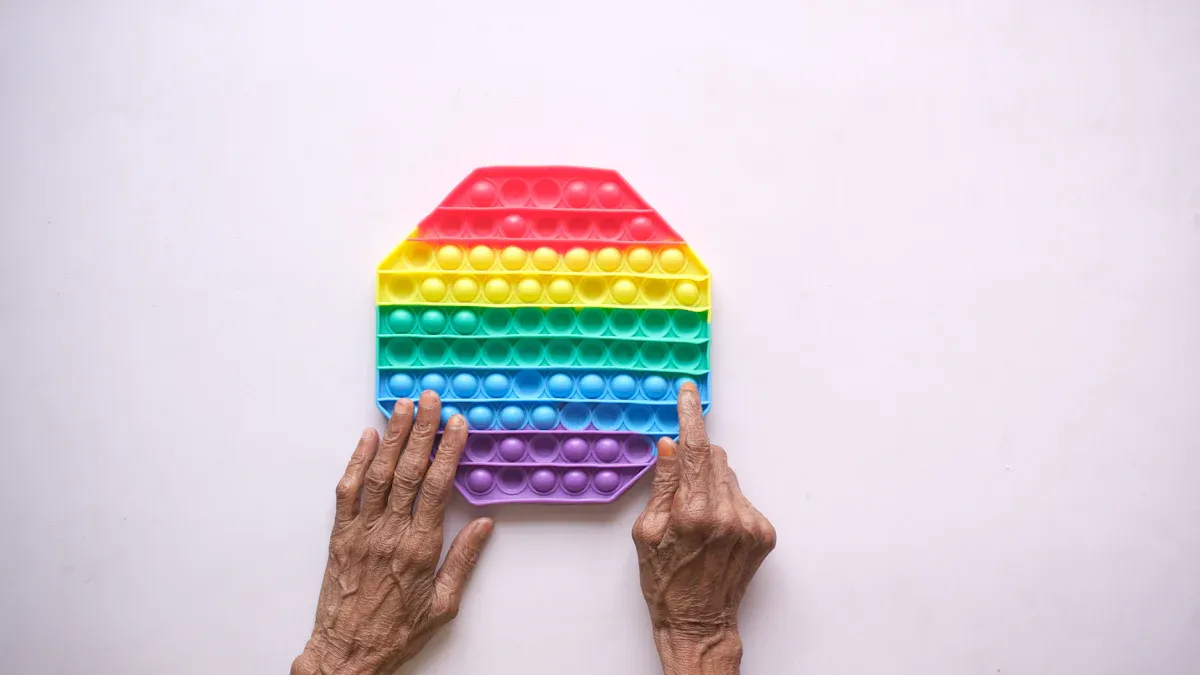
Fidgets and hand tools are good for busy hands. You can use fidget spinners, cubes, or stretchy bands. These tools help kids stay calm and pay attention. Fidgeting wakes up the brain and helps with thinking. You might see your child feel less worried and join in more during work or therapy.
Fidget tools help kids feel calm and focus better.
They can lower worry and help with too much energy.
Fidget toys help kids show feelings and make choices.
Fidgeting wakes up the brain and helps kids pay attention.
Visual and Auditory Toys
Visual and auditory toys make a calm space for your child. You can try motion lamps, sensory bottles, or light-up toys. These toys use bright lights and moving colors to get your child’s attention. They mix sights and sounds for a fun experience.
Toy Type | Description |
|---|---|
Motion lamps or lava lamps | Moving colors and shapes are fun to watch |
Liquid timers or sensory bottles | Flowing water or liquid helps kids feel calm |
Projection toys or light-up toys | Bright lights and colors make play more exciting |
Note: Visual and auditory toys can help your child relax after a long day.
Movement and Deep Pressure Toys
Movement and deep pressure toys help kids feel safe and calm. Swings, trampolines, and weighted blankets are good sensory toys for autism. Deep pressure, like hugs or pressure vests, helps the body relax. Moving, jumping, or stretching helps kids control their senses.
Deep pressure can help kids feel less stressed and more calm.
Weighted blankets help kids feel safe and relaxed right away.
Swings give gentle movement that helps kids calm down.
Sensory Kits and Boxes
Sensory kits and boxes have many tools for different needs. You can find kits with toys for touch, sight, and movement. These kits help with motor skills, self-control, and talking. Using sensory kits can help your child feel less worried and more calm. You can use them at home, at school, or when you travel.
Sensory toys help with moving, talking, and thinking skills.
They help kids touch and learn about new things.
Playing with sensory toys helps kids make friends.
Sensory kits give many ways to help with daily life.
Try making your own sensory kit with your child’s favorite toys. This makes sensory play more fun and special.
Sensory Play in Daily Routines
Creating a Sensory Space
You can set up a sensory space at home. This space helps your child feel safe and calm. Pick a quiet spot with soft lights. Add gentle sounds and tactile toys. Swings or balance boards give movement choices. Use safe, non-toxic materials for safety. Try to keep the area neat and clean. Let your child help set up the space. This makes it feel special to them. Change the space often based on what your child likes.
Pick a spot with few people.
Use soft lights and gentle sounds.
Add movement toys like swings.
Make sure materials are safe and easy to clean.
Simple Sensory Activities
You do not need expensive tools for sensory play. Everyday things work well for this. Try deep breathing together. Fill a bin with rice or beans for touch play. Shaving cream or textured cloths add new feelings. Listen to nature sounds or shake a sensory bottle. Explore scents with aromatherapy. These activities help your child relax and learn new skills.
Practice deep breathing together.
Play with different textures.
Listen to soft sounds.
Try out new smells.
Using Toys for Transitions
Transitions can be hard for many kids. Sensory toys help make changes easier. Use picture cards or timers to show what comes next. Give your child a favorite fidget or stress ball before a new activity. Plan “sensory snacks” like trampoline time or a quick sensory bin break. These small steps help your child feel ready and less worried.
Transition Tip | Example |
|---|---|
Picture cards | Show tasks with pictures |
Timer | Countdown to next event |
Sensory snack | Five minutes on trampoline |
Fidget toy | Stress ball for car rides |
Family Involvement
You are important in your child’s sensory journey. Get everyone in the family to join sensory activities. Invite siblings to play with touch toys or movement games. Share ideas and ask your child what feels good. Family support makes sensory routines more fun. It helps your child feel understood. When you join in, you show your child their needs matter.
Tip: Make sensory play part of your daily life. Doing activities often helps your child feel calm and safe.
Sensory toys help your child play and learn safely. These toys let kids explore and grow. You may notice your child feels calmer and more confident. Social skills get better when the right toy is used. Here are some important benefits:
Benefit | Description |
|---|---|
Emotional Regulation | Helps your child handle feelings and worry less. |
Social Skills | Builds talking and teamwork while playing. |
Personalized Engagement | Keeps your child happy and interested. |
Safe Exploration | Lets your child try new things with courage. |
Overall Development | Supports growth in feelings, friends, and thinking. |
Try many toys and see what makes your child happy. Every small step helps your child do better. 😊 Want to tell your story or ask something? Leave a comment below!
FAQ
What sensory toy should I try first?
Start with a fidget spinner or a stress ball. You can see what your child likes. If your child enjoys movement, try a yoga ball. Watch how your child reacts and switch toys if needed.
How do I clean sensory toys?
Most sensory toys clean up with soap and water. You can wipe down plastic toys with a damp cloth. For fabric toys, check the label for washing instructions. Always dry toys before you use them again.
Can sensory toys help with meltdowns?
Yes! Sensory toys like weighted blankets or chewable jewelry can calm your child. You can offer a favorite toy during stressful times. Many parents see fewer meltdowns when they use sensory tools.
Are sensory toys safe for all ages?
You need to check the age label on each toy. Some toys have small parts. Babies and toddlers need larger, soft toys. Older kids can use fidgets and movement toys. Always watch your child during play.
Where can I buy sensory toys?
You can find sensory toys online, at therapy stores, or in big box stores. Many parents shop on Amazon or at specialty shops. You can also make simple sensory toys at home with everyday items.
See Also
Top 10 Vibrating Sensory Toys For Every Sensory Seeker
Preferred Sensory Toys For Kids By Parents Everywhere
Autism-Friendly Sensory Toys That Create Peaceful Playtime
