Sensory Therapy Made Simple for Kids’ Success
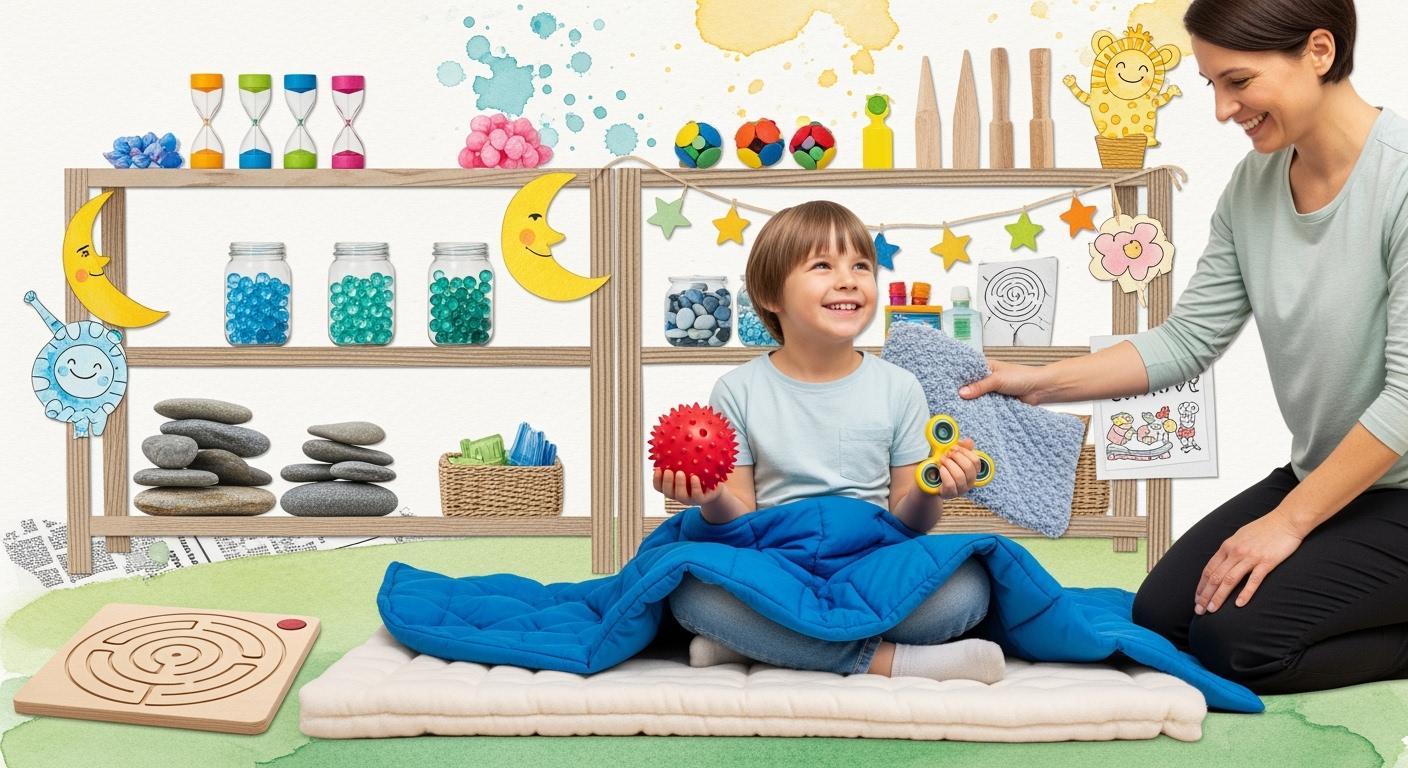
You might see that many kids have trouble with sensory experiences at school or home. In the UK, about 5–16% of school-aged kids have sensory processing problems. Kids with autism, learning disabilities, or ADHD have even more trouble. Multi-sensory environments help students pay attention, talk with others, and manage their feelings. Sensory therapy helps these kids by making spaces that support social and school success.
Key Takeaways
Sensory therapy helps kids handle sensory processing problems. It helps them focus better and control their feelings.
It is important to know a child’s sensory needs. Use tests and watch the child to plan therapy activities.
Make spaces at home and school that are sensory-friendly. These spaces help kids feel calm and safe.
Try sensory activities like swinging, fidgeting, or using weighted blankets. These activities help kids learn and feel better.
Parents are very important in sensory therapy. Work with therapists to make good plans for your child.
Sensory Integration and Processing in OT
What Is Sensory Integration?
Every day, you use your senses to learn about the world. Sensory integration and processing help your brain make sense of touch, sound, sight, taste, and movement. This helps you react and connect with what is around you. In occupational therapy, sensory integration and processing are very important for doing well at home and school. Ayres first talked about integration in 1972. She showed how sensory integration and processing help you do daily tasks and control your behavior. When your brain uses integration well, you can pay attention, learn, and feel good in different places.
Sensory integration and processing help you deal with new things and problems. You use integration to handle changes in noise, light, or textures. This skill helps you stay calm and focus.
How Processing Affects Kids
Sensory integration and processing can change many parts of your life. Occupational therapists see that you might have trouble with integration. You may find it hard to plan movements or react to things around you. You could have problems learning or handling your feelings. Sometimes, sensory integration and processing make it tough to join in daily activities.
Problems reacting to things in your environment
Issues with learning
Struggles with handling emotions
Trouble joining in everyday activities
Sensory integration and processing problems can make you feel overloaded or very quiet. You may find it hard to stay awake or focus on work. If you are sensitive to sensory input, you might feel too much and shut down or have meltdowns. Integration helps you take in information and react in ways that help you learn.
Sensory modulation helps you react to sensory information and learn well.
Sensory discrimination helps you notice small details and focus on work.
Problems with integration can make you want more sensory input or avoid it, which can make learning harder.
A strong base in sensory integration and processing gives you what you need to do well in school and life.
Why Sensory Therapy Matters
Benefits for Children
Sensory therapy can help you see the world in a new way. If you have trouble with sensory processing, your brain may not organize signals well. This can make daily life feel hard and stressful. Sensory therapy gives you ways to handle these problems.
Sensory integration helps your body sort sensory input. This makes it easier to pay attention and learn.
If you look for certain sensations, you use these actions to control your energy and focus.
Personalized sensory diets, like weighted blankets or movement breaks, help you get what you need before you feel upset.
Heavy work activities, such as pushing chairs or carrying books, give your body calming input and help you feel more settled.
When you join sensory integration groups, you practice social skills like waiting your turn. You gain confidence and learn about yourself. Many kids behave better and join in more at school after sensory therapy. Over time, sensory activities help your brain grow, improve memory, and boost emotional health. You also get better at making friends and speaking up for yourself.
Impact on Daily Life
Sensory therapy changes your daily routine in big ways. You learn to handle sensory input and manage your feelings. This helps you feel safe and in control, even when things change.
Benefit | Description |
|---|---|
Reduced meltdowns | Helps you deal with emotions in a better way. |
Improved focus and learning | Helps you pay attention and learn more. |
Improved emotional regulation | Helps you handle feelings and sensory input. |
Enhanced self-awareness | Helps you know your own sensory needs. |
Greater comfort and predictability | Gives you a steady environment and lowers anxiety. |
You can use strategies like movement breaks and heavy muscle work to stay calm and focused. Occupational therapists check your sensory profile and plan activities that fit you. Having structure and predictability in your day makes changes easier and lowers stress. With good support, you can join more activities, learn new skills, and enjoy your day.
Using Sensory Therapy Activities

Identifying Sensory Needs
You first need to know your sensory needs. Occupational therapists use different ways to learn about you. They start with an assessment and use tests. They also watch how you act and talk to your family. These steps show how sensory integration problems affect your life.
Step | Purpose |
|---|---|
Initial Assessment | Find out what sensory problems you have |
Standardized Tests | Collect facts about your sensory needs |
Observations | See how you act in real life |
Family Interviews | Learn from your family’s point of view |
Therapists often use the Sensory Processing Measure-2 tool. This tool helps them see your needs in different places. Watching you do things shows how you react to sensory input. Talking to your family helps them know what happens at home and school. This child-focused plan makes sure your therapy fits you.
Choosing Activities
You can pick sensory activities that match your needs. Therapists look at your age, how you grow, your daily life, and what you like. They choose activities that help you stay calm and join in.
Some good sensory therapy activities are:
Swinging or rocking for vestibular input
Crunchy or chewy foods for oral sensory input
Deep pressure exercises for proprioception and tactile input
Therapy brushing for tactile stimulation
Stretching and jumping for vestibular and proprioception
Visual supports like sunglasses or soft lighting
Movement breaks for vestibular regulation
Fidget tools and sensory items for tactile and proprioception
You may need different activities for your needs. If you are sensitive to sound, you might wear ear defenders or avoid loud places. If you want more proprioception, you could climb or push a cart. If you need more tactile input, you might play with slime or Play-Doh.
Sensory Profile Type | Suggested Activities |
|---|---|
Sound hypersensitivity | Ear defenders, avoid busy times in the canteen |
Proprioceptive hyposensitivity | Climbing at the park, pushing a cart |
Tactile hyposensitivity | Slime, Play-Doh, kinetic sand |
You can also try activities at home. You might jump on a trampoline, use fidget tools, listen to music, eat crunchy snacks, or swing. These activities help you handle sensory input and make your day better.
Safe Sensory Environments
You need a safe place for sensory activities. Therapists say you should talk to experts, watch your actions, and write down your sensory needs. Use safe, strong, and age-appropriate equipment. Make sure furniture is secure and follow clear rules.
Furniture: Cushions and bean bags for comfort
Lighting: Soft, adjustable lighting for a calm space
Tactile: Weighted blankets and fidgets for tactile input
Sounds: Gentle music or white noise for sound control
Visual: Use bright colors and simple designs for comfort
Movement: Wobble cushions for safe vestibular input
Smells: Calming scents for relaxation
Focus Activities: Sensory sand or water play for tactile fun
You can make a sensory-friendly space that helps everyone feel included. Calm corners, soft lights, and sensory breaks help you feel safe and ready to learn. Some museums, galleries, and theaters have sensory-friendly times. Stores offer quiet shopping hours. Theme parks have maps and quiet spaces for sensory needs.
Tip: Always check that equipment is safe and watch activities. This helps stop accidents and keeps you comfortable during therapy.
Step-by-Step Implementation
You follow steps to use sensory therapy activities. Therapists change materials and ways to fit each child. They think about your sensory needs and make plans for self-control and fine motor skills.
Start with a sensory circuit. Do activities for 15 to 20 minutes each time.
Add 2 alerting, 2 organizing, and 1 calming activity.
Do circuits in the morning and after lunch. Some kids need more during the day.
Pick activities that fit your needs and daily life.
Here are some examples:
For sensory seekers: Jump on a trampoline, use fidget tools, listen to fast music, eat crunchy snacks, use a weighted lap pad.
For sensory avoiders: Wear noise-cancelling headphones, use sunglasses, wear soft clothes, have a quiet space.
For proprioception and vestibular needs: Swing, rock in a chair, do wall push-ups, carry heavy things, use a wobble cushion.
Deep pressure massage or brushing for tactile input
Yoga poses with joint compression for proprioception and tactile
Pillow pile crash for vestibular and tactile
Weighted blankets or wraps for relaxing and changing activities
You can change sensory activities to fit your needs. Therapists make plans for your challenges, daily life, age, and likes. You use sensory input to help you stay calm and join in. Sensory therapy helps you feel safe, included, and ready to do your best.
Adapting for Children with Autism

Customizing Activities
You can help kids with autism by changing sensory therapy activities for them. Every child feels sensory input in their own way. Some kids want certain sensations, but others try to stay away from them. You can make a sensory-friendly space by changing things to lower triggers. For example, blackout curtains and white noise machines can make the bedroom calm. In the bathroom, you can use special valves and soft materials to help with sounds and water. The kitchen and dining room can be quieter with noise-reducing machines and seats that move. In the living room, you can make sensory zones and let your child help pick changes.
Room Type | Adaptations |
|---|---|
Bedroom | Use blackout curtains, white noise machines, and weighted blankets to create a calming environment. |
Bathroom | Install thermostatic mixer valves and sound-absorbing materials to manage sensory experiences. |
Kitchen/Dining | Use noise-reducing appliances and flexible dining arrangements to create a calm atmosphere. |
Living Room | Designate sensory zones and involve the child in modifications to meet their unique sensory needs. |
Arts and crafts can help with fine motor skills. Kids can cut, paint, and use bumpy paper or scented play dough for more sensory input. If your child does not like touch, you can slowly let them try messy things. This helps them get used to new textures. These activities help kids with autism learn to control themselves and feel more sure of what they can do.
Tip: Make routines that stay the same and use visual supports. These steps help lower stress and help your child feel in charge of their sensory world.
Monitoring Progress
Watching how your child does in sensory therapy shows what works best. You can use checklists and watch your child often to see changes. For example, the Sensational Brain – Sensory Symptoms Checklist helps you learn about your child’s needs at school. The Autism Education Trust – Sensory Audit for Schools and Classrooms checks if the classroom is good for sensory needs.
Checklist Name | Purpose |
|---|---|
Sensational Brain – Sensory Symptoms Checklist – Schools Version | To explore the needs of an individual child |
Autism Education Trust – Sensory Audit for Schools and Classrooms | To explore sensory-friendly environments |
You can also see how your child acts during different activities. Alerting activities, like swinging, get the brain ready to learn. Organizing activities, like arts and crafts, help your child use their hands and focus. Calming activities, like deep pressure or weighted blankets, help your child get ready for the next thing. By seeing which activities help your child stay calm or pay attention, you can change the plan when needed.
Involving Parents
Parents are very important in helping kids with autism during sensory therapy. When you change your home in smart ways, you can lower stress and help your child handle feelings. Parent coaching gives you ideas to use at home and school. Sensory therapy works best when you help plan and do activities.
Change your home to make it calm and help with feelings.
Let your child help pick and set up sensory-friendly spaces.
Learn about sensory processing disorder from occupational therapists. They explain it in easy words and show you how to help your child with sensory input.
Use tips and training from therapists to help your child at home and outside.
When you work with experts and stay involved, you help your child feel safe and understood. Your support helps your child do better every day and succeed.
You can help kids do well by knowing their sensory needs. Sensory processing problems can change how kids pay attention and act. These problems can also make learning harder.
Notice if a child looks for or stays away from sensory input.
Use spaces that feel good, soft lights, and control noise.
Make sensory profiles to help plan support.
Using many senses in learning can help memory.
New studies show that changing spaces and picking the right activities help kids feel better. When you use these ideas, you help every child do well at home and school.
FAQ
What is sensory therapy?
Sensory therapy helps you handle sights, sounds, touch, and movement. You use activities to help your brain organize information. This makes it easier for you to learn and feel calm.
Who can benefit from sensory therapy?
You can benefit from sensory therapy if you have trouble with sounds, lights, or touch. Kids with autism, ADHD, or learning differences often find sensory therapy helpful.
How do I know if my child needs sensory therapy?
You might notice your child covers their ears, avoids touch, or seeks strong movement. If your child has meltdowns or trouble focusing, you can ask an occupational therapist for advice.
Can I do sensory activities at home?
Yes! You can try simple activities like jumping, swinging, or playing with Play-Doh. You can also use soft lights or calming music. Always watch your child to keep them safe.
See Also
Simplifying Sensory Classroom Design for Teachers
The Importance of Sensory Tents for Children’s Needs
Creating a Sensory Gym for Kids on the Spectrum
Best Practices for Using Sensory Toys to Soothe Kids
Benefits of Sensory Rooms for Children on the Autism Spectrum
