Sensory Seeking Activities Kids Love to Try
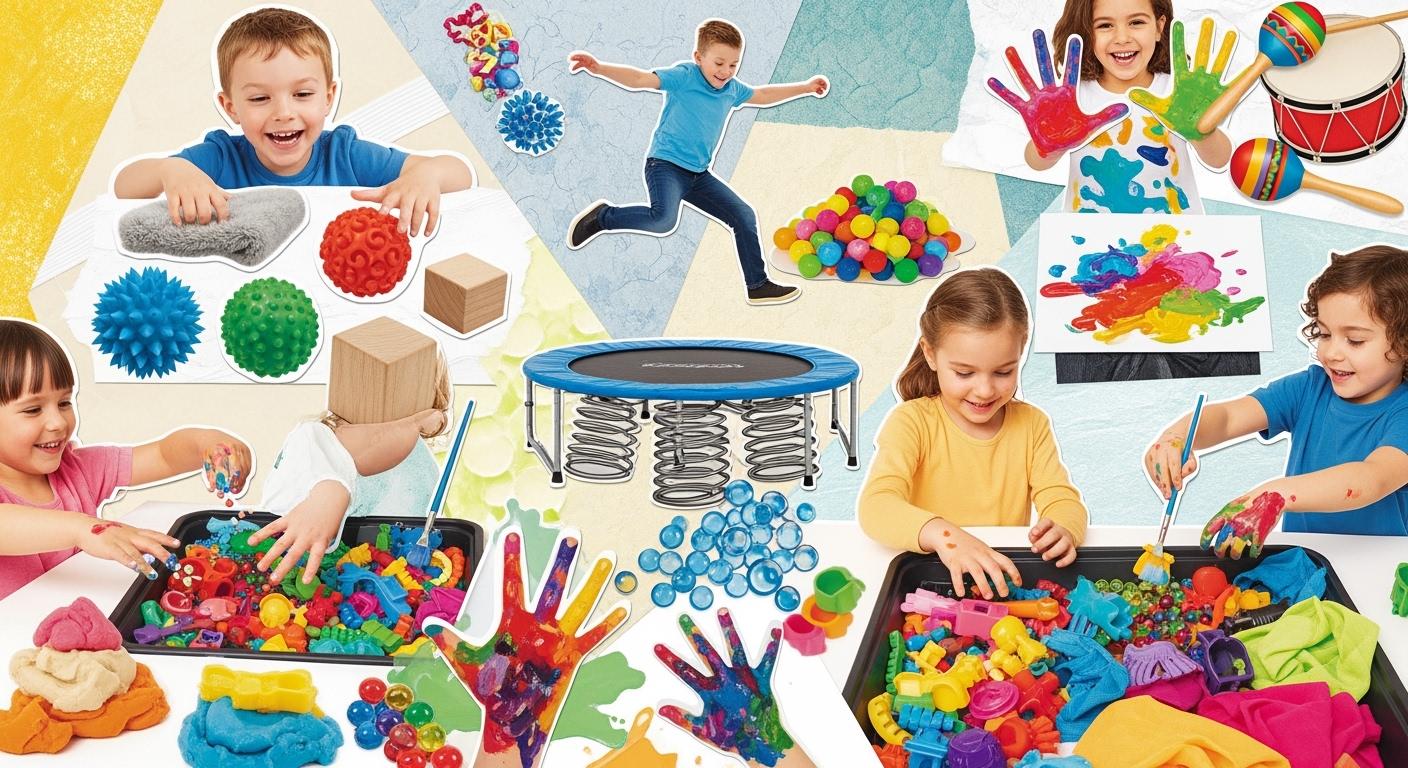
You may see your child likes to touch things, jump, or hear many sounds. These sensory seeking activities help the brain get stronger, make memory better, and help with feelings. Sensory play lets kids explore, learn new words, and make friends. Try sensory fun and see your child do well.
Key Takeaways
Sensory seeking activities help the brain grow and work better. They also help kids remember things. This helps children learn new things and develop. Sensory play helps kids control their emotions. It makes it easier for them to handle feelings and talk with others. Parents can make fun sensory activities at home. They can use easy materials. Parents should make sure the activities are safe. They can also change the activities for each child’s needs.
What Is Sensory Seeking?
Sensory Seeking in Children
You may see your child moving a lot or touching things. Some kids make loud noises often. This is called sensory seeking. Sensory seeking means you want strong sensory experiences. You might want to move, feel pressure, or touch different things. Your brain needs more sensory input to feel comfortable.
Sensory seeking is needing strong sensory experiences.
You may enjoy moving, feeling deep pressure, or touching things with your hands and mouth.
Sensory seeking helps your body and mind stay balanced.
Sensory seeking is linked to your main sensory systems. The proprioceptive system tells you where your body is. The vestibular system helps you balance and move. When you look for sensory input, these systems work better. Sensory seeking is not only fun. It helps you control your feelings and pay attention.
Some kids need more sensory input than others. Sensory seeking is not the same as sensory avoiding. Sensory seekers want more movement or pressure. Sensory avoiders do not like loud sounds, bright lights, or touch. Knowing this difference helps you help your child.
Signs of Sensory Seeking
You can notice sensory seeking by watching certain actions. Here are some signs:
Crashing into things or people
Enjoying messy play like mud or finger painting
Climbing on things
Spinning or swinging often
Standing very close to others
Making loud sounds or turning up the TV
Fidgeting or rocking in chairs
Chewing on pencils or shirt collars
Taking risks on the playground
Most kids show some sensory seeking. Kids with autism may do it even more. Over 90% of autistic kids have sensory processing challenges. Sensory seeking affects how they play, learn, and connect with others.
Why Sensory Seeking Activities Matter
Developmental Benefits
You may wonder why your child likes to jump or spin. These activities do more than keep your child busy. They help your child’s body and brain get stronger. When your child climbs or dances, gross motor skills improve. These movements build strength and help with coordination. Sensory play also helps your child think and solve problems. Your child learns by exploring and trying new things. Tactile sensory activities, like finger painting or playing with sand, help fine motor skills. These skills are important for writing and daily tasks. Sensory activities that challenge balance and core strength wake up the vestibular and proprioceptive systems. This helps your child know where their body is and how to move it. You will see better balance, coordination, and body awareness. Sensory input from heavy work, like jumping or pushing, helps your child plan movements and feel calm. Sensory activities help your child focus and learn by supporting self-regulation.
Emotional Well-being
Sensory activities help more than just the body. They also help with feelings. When your child feels upset or restless, sensory play can help them feel better. Here is how different sensory activities help with feelings:
Activity Type | Impact on Emotional Regulation |
|---|---|
Calming Activities | Help lower anxiety and get your child ready for learning or social time. |
Stimulating Activities | Make your child more alert and interested, which helps with emotional stability. |
Sensory Diets | Give your child the right sensory input to handle emotions and behaviors. |
Shared Sensory Activities | Build social skills and emotional smarts by playing with others. |
You can use sensory diets and activities like jumping, swinging, or tactile play to help your child manage feelings. When your child feels in control, you will see better self-regulation and happier days.
Sensory Seeking Activities

You want to help sensory seekers do their best. Sensory seeking activities let your child move, explore, and learn. You can try these activities at home or outside. Sensory seekers like to touch, jump, listen, and taste. You might see them spin, crash, or make loud noises. These activities help sensory seekers handle too much sensory input and support sensory processing disorder.
Tactile Activities
Sensory seekers like tactile activities that let them touch and feel. You can make a sensory bin with rice, pasta, or kinetic sand. Kids dig, scoop, and pour, which builds hand strength and coordination. Playdough is another favorite. Children squeeze, roll, and shape dough, which helps fine motor skills. Finger painting lets sensory seekers play with colors and textures. Messy play with mud or shaving cream gives sensory input and sparks creativity.
Tip: Try water play with cups and spoons. Sensory seekers enjoy splashing and pouring. Add ice cubes or bubbles for extra fun.
Here’s what research says about tactile activities:
Source | Findings |
|---|---|
Kinetic Sand Activities | Sensory-rich materials help fine-motor control and attention. Teachers see better focus and learning with tactile materials. |
LPC Blog | Playing with many senses makes muscles stronger for writing and cutting. This helps fine motor development. |
Vestibular Activities
Vestibular activities help sensory seekers move and balance. Swinging is a top choice. You can use a linear swing, hammock, or rotary swing. Each swing gives different sensory input. Spinning and jumping on a trampoline wake up the vestibular system. Obstacle courses with crawling, climbing, and rolling help balance and coordination. Sensory seekers like to run, spin, and jump, which helps them handle too much sensory input.
Swinging, like linear, rotary, and hammock swings, gives special vestibular input. It can calm or wake up sensory seekers.
These activities help balance, coordination, and motor skills by using the vestibular system.
Obstacle courses with spinning, swinging, and jumping build core strength and motor planning.
Doing these activities often helps with feelings and lowers sensory overload.
Using many senses in these activities helps body awareness and strength.
You can use a balance beam or tape a line on the floor for walking. Scooter-board pushes and trampoline jumps are easy to set up. Here’s a quick guide:
Activity | Duration / Intensity | Safety Notes / Adaptations |
|---|---|---|
Linear swing | 1–3 minutes, slow-moderate pace | Use seat swings for support; end slowly |
Trampoline jumps | 10–20 small jumps | Watch for safety; use a low trampoline |
Scooter-board pushes | 30–60 seconds | Helmet is optional; keep space clear |
Balance beam walking | 30–90 seconds | Use a low beam or tape for beginners |
Proprioceptive Activities
Proprioceptive activities give sensory seekers deep pressure and body awareness. Animal walks like bear crawls and crab walks use body weight on the joints. Sensory seekers push, pull, and carry heavy things. Deep pressure activities, like rolling up in a blanket or squeezing a pillow, help sensory seekers feel calm and focused.
Animal walks give deep pressure through arms and shoulders. This helps with sensory integration.
These activities put weight on the joints, giving deep pressure that helps with sensory processing.
Obstacle courses with crawling, jumping, and pushing things are easy to make. You can use pillows, chairs, and blankets. Sensory seekers like these activities because they help with too much sensory input and build strength.
Auditory Activities
Auditory activities let sensory seekers play with sounds and rhythm. You can play music, white noise, or nature sounds during quiet play. Sensory seekers like hand drums, shakers, or tapping sticks. Sound guessing games with kitchen items make sensory play fun.
Listening to music, white noise, or nature sounds during play
Playing with hand drums, shakers, or tapping sticks to explore rhythm
Trying sound guessing games with familiar objects
Playing with sounds and music helps with auditory processing and rhythm. Sensory seekers like making noise and finding new sounds.
Visual Activities
Visual activities excite sensory seekers with colors, shapes, and movement. Window painting with shaving cream lets sensory seekers play with colors and textures. Sunlight through the window adds to the fun. Sensory walks use tubs filled with pom poms, cotton balls, sand, or water beads. Sensory seekers step from bin to bin, feeling different things.
Window painting with shaving cream helps fine motor skills and gives a tactile experience.
Sensory walks help kids explore textures and temperatures. This helps with sensory processing, coordination, and balance.
Sensory seekers like calm-down jars filled with glitter or beads. These jars help with too much sensory input and support feelings.
Oral Activities
Oral activities give sensory seekers input through taste and chewing. You can give crunchy snacks, chewy foods, or straws for thick drinks. Scent and taste exploration lets sensory seekers try new flavors and smells. Chewing on safe objects, like silicone necklaces, helps sensory seekers manage their needs.
Scent and taste exploration helps with sensory integration and language skills.
Chewing and sipping activities support sensory needs and help sensory seekers self-regulate.
You can add oral activities to daily routines. Sensory seekers like tasting, chewing, and trying new foods.
Note: Parents say sensory seeking activities are easy to do at home. You can add them to daily routines and change them as needed. Sensory seekers do well with simple, flexible activities that help with feelings and focus.
Sensory seeking activities are popular for kids ages 3-8. You can try playdough sculpting, sensory bins, water play, sensory painting, nature treasure hunts, sound play, ice and temperature play, sensory paths, and calm-down jars. Sensory seekers like these activities because they are fun, easy, and help with too much sensory input.
Safe Sensory Play
Safety Tips
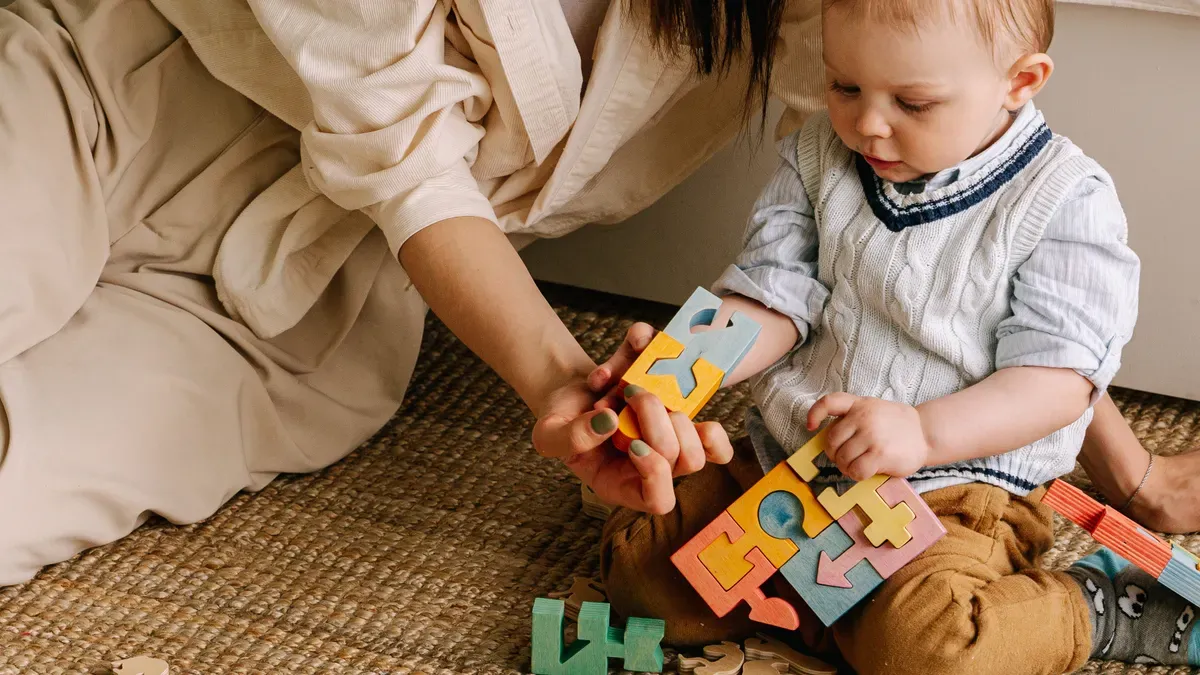
You want your child to have fun and be safe. First, check the play area for sharp corners. Pick up small things that could be swallowed. Put cleaning supplies and breakable items out of reach. You can make a calm-down corner with soft pillows and dim lights. Add comforting things your child likes. Weighted blankets or lap pads can help kids feel safe. Try playing soft music or gentle sounds in the background. This can help your child feel calm. If your child feels overwhelmed, help them take deep breaths. These steps make a safe place for sensory play. Your child will feel safe and in control.
Adapting Activities
Every child is different. You can change sensory activities to fit your child. Use special tools if your child has trouble moving. Try bigger handles on tools or a seat that helps with balance. Watch your child and change things if needed. Make sure the space is safe and comfortable. Ask siblings or friends to play too. When you change activities, every child can join the fun. All kids can get the benefits.
Encouraging Participation
Some kids feel nervous about new sensory play. You can help by starting with easy activities. Try texture play or taste testing first. Oral motor exercises, like blowing bubbles or using straws, can help. Calm-down routines, like yoga or imagining a safe place, help with feelings. Fun obstacle courses and rhythm games build confidence and motor skills. When sensory play is fun and not stressful, your child will want to try and explore.
Sensory seeking activities help your child’s brain grow and improve memory. These activities also make your child feel happier. You will notice your child learns new skills and can focus better. Friendships get stronger too.
Brain development gets better
Social and language skills improve
Emotional control becomes easier
The first step is to notice what your child needs. Try different activities, watch how your child reacts, and have fun together!
FAQ
What if my child doesn’t like some sensory activities?
Try new activities if your child does not enjoy some. Watch how your child acts during play. Change the activity if your child seems unhappy. Each child likes different things.
How often should you do sensory seeking activities?
You can add sensory play to your daily schedule. Short times for play are usually enough. Change how often you do them to fit your child.
Are sensory seeking activities safe for all ages?
Most sensory activities are safe for kids. Always watch your child while they play. Change activities to match your child’s age and skills.
See Also
Top Sensory Toys Parents Choose for Their Children
10 Engaging Sensory Activities for Young Learners
Identifying When Children Require Sensory Playthings
10 Must-Try Vibrating Toys for Sensory Enthusiasts
Sensory-Friendly Weighted Toys for Children Facing Challenges

