What Are Sensory Rooms in Hospitals and How Do They Help Patients
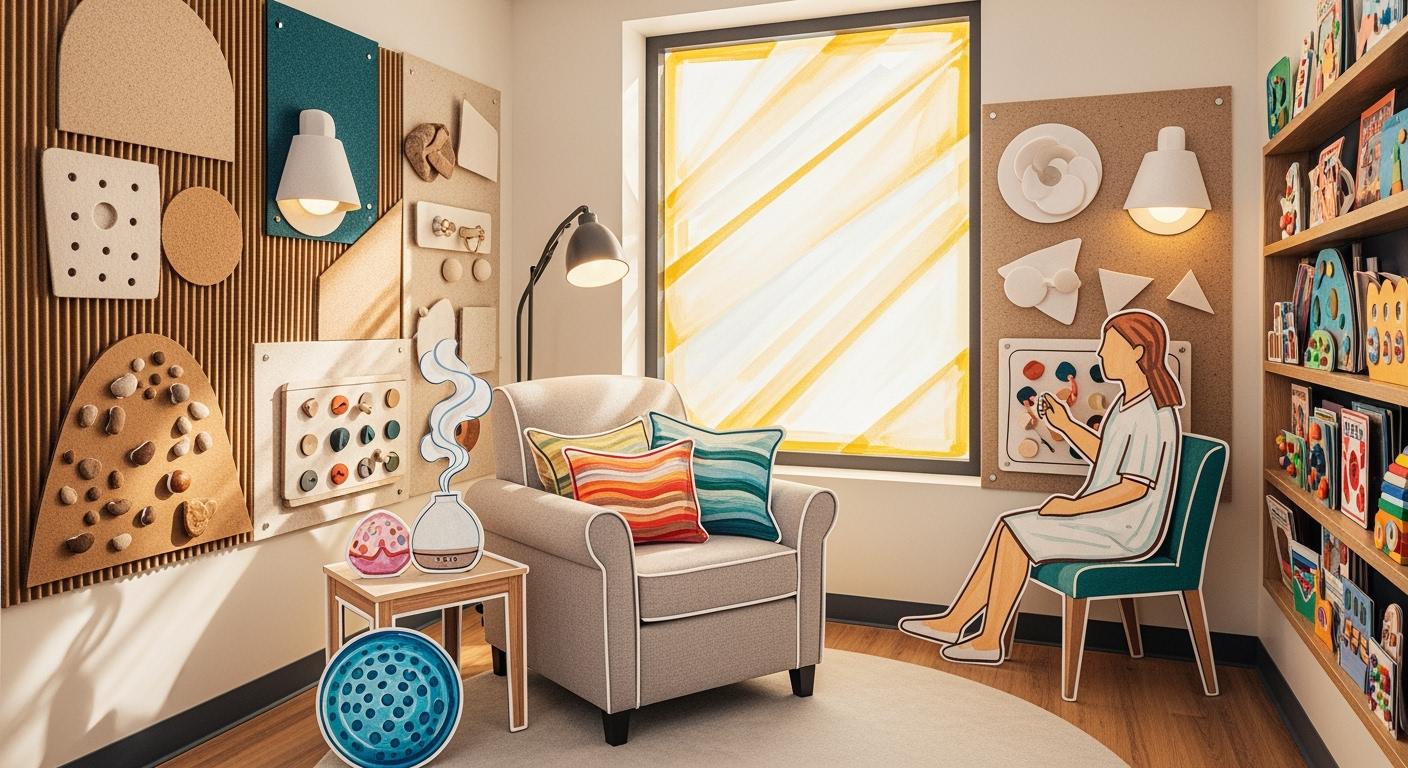
You can find sensory rooms in hospitals. These rooms are made to help you relax and feel safe. They use things like an Interactive Bubble Wall Panel, a Sensory Squeeze Machine, and a Black Out Tent. These tools help make a calm space. Sensory rooms let you control the lights and sounds. This can help lower your stress.
Findings | Description |
|---|---|
Can cause bad effects for patients and staff, like stress and trouble sleeping. | |
Lighting Effects | May cause delirium in patients, especially in intensive care units. |
Environmental Factors | The way the room is set up, its size, how sound moves, and if there are windows can change how you control sensory stimuli. |
Sensory rooms in hospitals help you handle your feelings. They also make you feel more comfortable as a patient.
Key Takeaways
Sensory rooms in hospitals give patients a quiet place to relax. These rooms help people feel less stressed and more safe. They can lower anxiety and make patients feel calm.
Sensory rooms are made for everyone, not just kids. Adults and older people can use them too. They also get help from the calming space.
Patients pick what they want to do in sensory rooms. They can listen to soft music or watch gentle lights. This helps them feel in charge and keeps their feelings steady.
Sensory rooms can help patients need fewer calming medicines before treatments. People often feel less nervous and heal faster after surgery.
Mobile sensory carts let hospitals bring calming things to patients. This helps patients who cannot go to sensory rooms. More people can get help from sensory support.
Sensory Rooms in Hospitals: Definition and Purpose
What Are Sensory Rooms
You might ask what sensory rooms in hospitals are. Experts say these rooms help you handle stress or anxiety. They also help if you feel too much sensory input. Sensory rooms in hospitals give you a safe spot to relax. You can use them to calm down and control your feelings. These rooms are not just for kids. Adults and older people can use them too. They help anyone who feels overwhelmed or needs quiet time.
Sensory rooms in hospitals often help people in mental health units. You can go there if you feel upset or anxious. The rooms follow strict safety rules. Hospitals make sure everything inside is safe and easy to clean. Healthcare workers work together to make these rooms calm. They want you to feel safe and comfortable.
Some people think sensory rooms are only for kids with autism. That is not true. Many people use these rooms, like those with ADHD or dementia. People with other sensory needs use them too. Sensory rooms in hospitals help you find peace, no matter your age.
Note: Sensory rooms do not have to be fancy or full. A simple, neat space with calming things works best.
How Sensory Rooms Work
Sensory rooms in hospitals have a clear job. They help you lower stress and learn ways to cope. When you go in, you can pick what helps you feel better. You might listen to soft music or watch gentle lights. You can also touch different textures. These things help calm your mind and body.
The main goals of sensory rooms in hospitals are:
Helping you lower anxiety and manage agitation.
Giving you a safe place to decompress and regain emotional balance.
Teaching you coping skills for emotional regulation.
Letting you do positive activities you like.
You can see how these rooms help you feel better. Hospitals design sensory rooms for many needs. Some rooms help people in psychiatric units with sensory modulation. Others, called Snoezelen rooms, help people with severe disabilities or dementia.
Here is a table that shows the main therapeutic goals of sensory rooms in hospitals:
Therapeutic Goal | Description |
|---|---|
Stress Reduction | Sensory rooms create a calm space that helps you manage stress and anxiety. |
Coping Mechanism Development | You can learn and practice coping skills for emotional regulation. |
Self-Soothing | The room lets you do self-soothing things, so you feel calm. |
Engagement in Positive Activities | Activities fit what you like, so you feel good and accomplished. |
Integration of Sensory Strategies | The rooms use different sensory tools to help treatment and self-regulation. |
You do not have to sit still in sensory rooms. You can move around and pick what helps you most. Hospitals plan these rooms carefully to give you the best support. Sensory rooms in hospitals help you feel calm, safe, and in control.
Features of Sensory Rooms
Lighting and Sound Elements
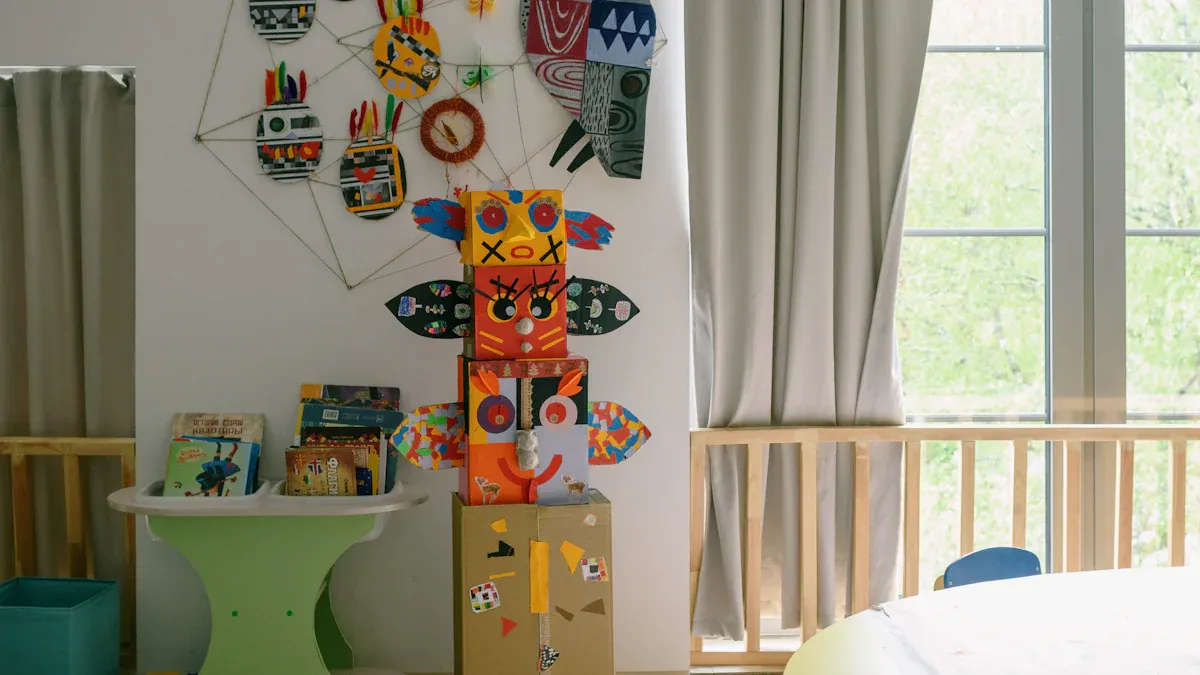
When you walk into a sensory room, you see soft lights. The colors are gentle, like light blue and green. These colors help you feel calm and safe. Hospitals use special lights, like bubble tubes and fiber optic strands. These lights can change and make the room peaceful. Watching the lights can help your stress go away. Sounds are important too. You might hear birds or quiet music. Some rooms let you pick your favorite songs. The walls keep loud noises out. This helps you relax and focus on feeling better.
Element | How It Helps You Relax |
|---|---|
Gentle lights help your mind feel calm | |
Calming Colors | Soft colors make the room feel safe |
Gentle Sounds | Nature sounds and music lower your stress |
Personalized Playlists | You can choose music that makes you comfortable |
Comfort and Sensory Tools
Comfort matters a lot in a sensory room. You find soft chairs and bean bags to sit on. Padding keeps you safe if you move around. Hospitals add tools for you to touch and feel. You might hold a weighted pad or squeeze a ball. Mats and panels have different textures for your hands. Some rooms have rocking chairs or swings for gentle movement. If you want quiet, you can use headphones. Projectors show calming pictures on the walls. All these things help you feel less anxious and more secure.
Type of Tool | Description |
|---|---|
Visual | Bubble tubes, fiber optic lights, calming images |
Auditory | Music therapy, headphones |
Tactile | Weighted pads, sensory balls, textured mats |
Vestibular | Swings, rocking chairs |
Movement | Body socks, climbing walls |
Leemoland Sensory Toys in Sensory Rooms
Leemoland sensory toys make hospital sensory rooms even better. You can play with fidget toys, sensory balls, and mats from Leemoland. These toys help you control your feelings and stay calm. Many patients say they feel better after using these toys. Staff see that patients are happier and easier to talk to. Leemoland toys help you handle stress and feel good. You can enjoy touching different textures and moving around. Hospitals trust Leemoland because their toys work for kids and adults.
Tip: Try many sensory toys to see which ones help you feel best.
Calming Patient Environment and Benefits

Who Benefits from Sensory Rooms
Sensory rooms give patients a calm place to relax. Many people use these rooms, like kids with autism or sensory processing disorders. If hospital sounds or lights bother you, you can go to a quiet room. Neurodiverse people, such as those with ADHD or anxiety, find these spaces helpful. Kids waiting for surgery or check-ups feel less nervous. They enjoy soft lights and gentle sounds. Patients with sensory processing disorders feel safe and comfortable. This helps them deal with stress during hospital visits.
Kids with autism feel calmer and wait quietly.
Patients with anxiety or sensory problems relax and feel better.
Families see their children are happier and less upset.
Emotional Regulation and Stress Relief
Sensory rooms help you feel less anxious and control your feelings. You can pick activities that help your mind and body relax. Hospitals say patients need fewer calming medicines before surgery. The number drops from 90% to about 20%. Patients wake up after surgery feeling less tired and more relaxed. This helps them get better faster. Studies show sensory rooms lower patient anxiety and stress. You can look at the table below to see the results:
Study | Findings |
|---|---|
Chalmers et al. | Patients felt much less stressed after using sensory rooms. |
Dorn et al. | Patients in locked units stayed calmer over time. |
Cheng et al. | Patients with chronic schizophrenia said they felt less anxious in the hospital. |
Hedlund Lindberg et al. | Patients felt less anxious and more well after using sensory rooms. |
Wiglesworth et Farnworth | Patients and staff both felt less upset when using sensory rooms. |
Forsyth et Trevarrow | Staff saw patients were less distressed because of sensory rooms. |
Support for Families and Staff
Sensory rooms help more than just patients. Families feel better when their kids have a safe, calm place to play. Play areas help kids grow and handle treatment stress. Staff also use sensory rooms to relax and take breaks. These spaces let staff rest so they can care for patients better. When hospitals care about your needs, you trust them more. This makes your hospital visit nicer.
Description | |
|---|---|
Emotional Development | Play areas help kids grow and handle stress from treatment. |
Trust Building | Caring for young patients helps them feel safe and builds trust. |
Sensory Regulation Options | Giving patients and staff ways to calm down makes a big difference. |
Staff Respite Areas | Staff break rooms help them rest and give better care. |
Tip: If you or your child want a calm place before surgery, ask your care team about sensory rooms. These rooms can make your hospital stay easier.
Sensory Program and Implementation
Sensory Carts and Portable Options
You do not need a big room to start a sensory program. Mobile sensory carts let you bring calming tools to patients anywhere. These carts have things like noise-canceling headphones, fidget toys, and visual cue cards. You can push the cart to different rooms or wards. This helps patients who cannot get out of bed. The table below shows how sensory carts and sensory rooms are different:
Feature | Sensory Carts | Dedicated Sensory Rooms |
|---|---|---|
Portability | Very easy to move to many places | Stays in one spot, not easy to move |
Adaptability | Can fit special needs and spaces | Made for a full sensory experience |
Variety of Activities | Has many sensory activities | Usually has even more choices |
Space Requirements | Needs little space, easy to store | Needs its own room, takes up more space |
Mobile sensory carts help more patients and make calm spaces anywhere.
Staff Training and Family Involvement
A good sensory program needs trained staff and family help. Staff learn to spot when someone feels too much sensory input. They also learn to use calming tools safely. Training teaches how to set up the room, use the tools, and keep things clean. Staff also learn to help patients with different needs. Here are some important training steps:
Know about sensory processing and signs of overload.
Learn about sensory room setup and equipment.
Follow safety rules and clear steps.
Practice skills and get help when needed.
Family members make the program better. When you join your loved one in the sensory room, you help them feel safe and hopeful. Patients feel less worried and more connected when family joins calming activities.
Evidence of Effectiveness
You may wonder if a sensory program really works. Hospitals say calming spaces lower stress and help patients heal faster. After starting a sensory program, some hospitals saw seclusion rates drop from 75.0 to 12.8 per 1000 bed days. Patients also needed fewer extra medicines. Using a planned program helps everyone do better.
Description | |
|---|---|
Provider Training | Training in good ways to talk and work with patients who have sensory needs. |
Sensory Toolkit | Has things like noise-canceling headphones, visual cue cards, and storyboards for patients. |
Modification of Care Areas | Changing patient rooms to lower sensory triggers. |
Collaboration | Working together with other medical staff and families for better care. |
Sensory Pathway Assessment | Finding out what bothers patients and how they like to talk. |
Staff Notification | Telling all hospital staff about patients on the sensory pathway for the right care. |
Training with Kulture City | Working with a nonprofit to teach staff about sensory-friendly changes. |
A sensory program gives you tools, training, and support to make hospitals calmer for patients and families.
Sensory rooms in hospitals give you a safe place to relax. They help make your hospital stay better. You get real benefits for your care. You feel less anxious and your mood gets better. The table below shows how sensory rooms help you:
Improvement Type | Percentage Impact |
|---|---|
Reduced Anxiety | 20–25% |
Improved Mood | 15% |
Pain Management | 10–15% |
Reduced Stress Markers | Up to 30% |
Lowered Readmission Rates | 10–15% |
Increased Patient Satisfaction | Up to 20% |
You have a better hospital experience when you use sensory rooms. These rooms help you handle your feelings and use your energy well. Hospitals now use new tools like AI and virtual reality. These tools make sensory rooms even more helpful. You can look forward to care that fits you better in the future.
Sensory rooms show hospitals care about your comfort and health. By using sensory rooms, you help make patient care better for everyone.
FAQ
What is a sensory room in a hospital?
A sensory room is a special space in a hospital. You can use it to relax and feel calm. The room has lights, sounds, and tools that help you manage stress or anxiety.
Who can use a sensory room?
You can use a sensory room if you feel overwhelmed, anxious, or need a break. Children, adults, and older patients all benefit. Staff and families may also use these rooms for support.
What kinds of tools are in a sensory room?
You find soft lights, calming sounds, and sensory toys. Some rooms have weighted pads, fidget toys, or swings. Hospitals often use Leemoland sensory toys for extra comfort.
Tip: Try different tools to see what helps you feel best.
How do sensory rooms help patients?
Sensory rooms help you lower stress and control your emotions. You can relax, focus, and feel safe. Many patients say they feel better after spending time in these rooms.
Can sensory rooms be moved to different areas?
Yes! Hospitals use sensory carts to bring calming tools to your bedside. These carts have sensory toys, headphones, and visual aids. You get support even if you cannot visit the main sensory room.
See Also
Understanding Sensory Rooms and Their Primary Beneficiaries
Top Sensory Room Concepts Suggested by Healthcare Professionals
Exploring Sensory Rooms: Definitions and Historical Insights for 2025
Benefits of Sensory Rooms for Children on the Autism Spectrum
