Why Sensory Plush Toys Are Essential for Children with Autism
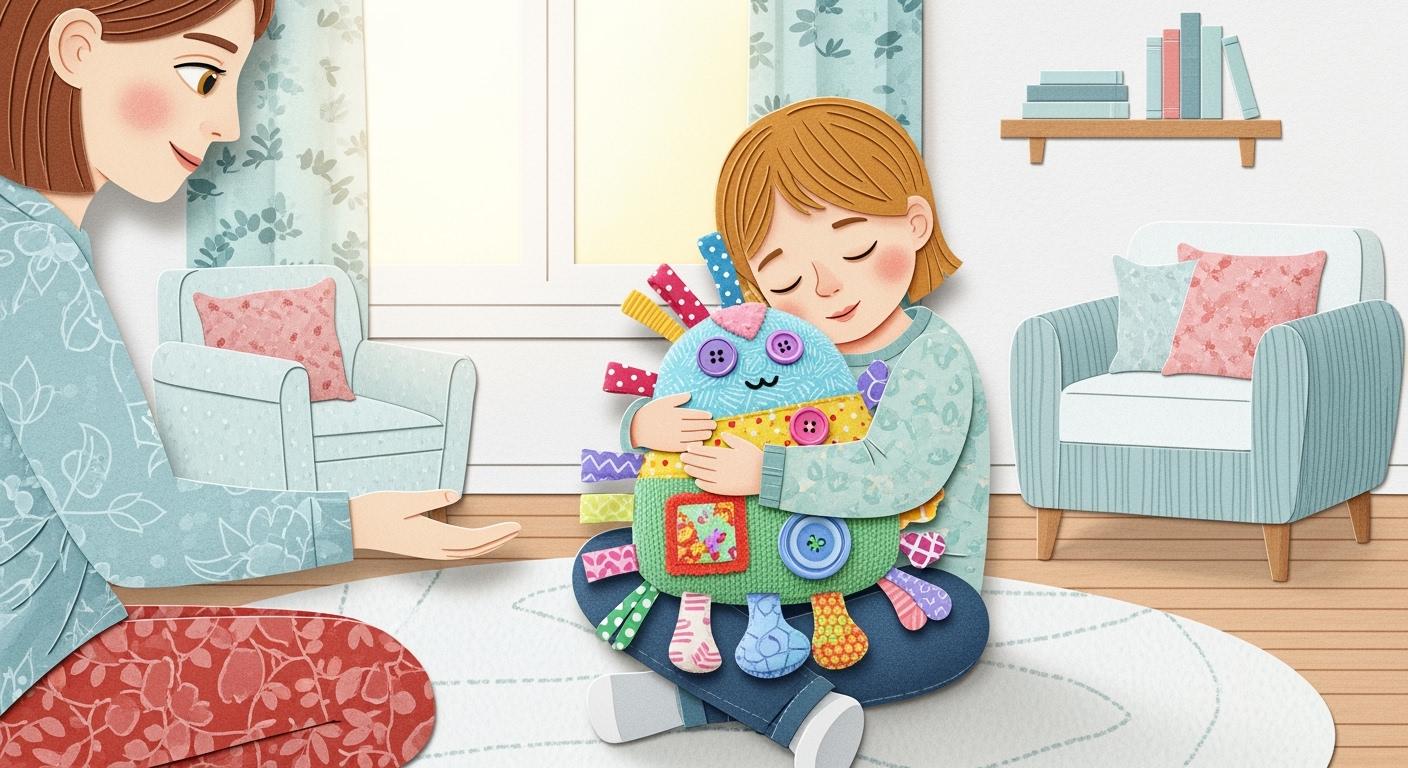
You know that sensory plush toys help children with autism. These toys give comfort and help kids control their feelings. When you use sensory plush toys during play, you help kids focus. These toys also lower anxiety. Many children feel calm when they touch soft things. Sensory plush toys like the Octopus Sensory Textured Tentacles Plus help kids control themselves. These toys also make routines easier. You can use sensory plush toys in play to change a child’s energy. They also help kids handle stress. Sensory plush toys bring peace and happiness to daily life for children with autism.
Key Takeaways
Sensory plush toys give comfort and make kids feel safe. They help children with autism during hard times. Weighted plush toys give deep pressure. This can calm anxiety and help kids focus when they play or learn. Sensory plush toys can help with emotional control. They let children handle feelings and stress better. Picking the right sensory plush toy means thinking about your child’s needs. You should look at things like weight and texture. Letting your child help pick their sensory plush toy makes playtime more fun. It also helps them feel strong and in control.
Benefits of Sensory Plush Toys
Comfort and Security
You want your child to feel safe and calm. Sensory plush toys help with this. They give comfort, especially when things feel stressful. The soft texture feels familiar and nice. Holding a plush toy can make your child feel less stressed. It can help them feel more peaceful. Many children with autism use these toys for comfort. They use them in new places or when routines change. The toy feels the same every time, which helps.
Kids often get very attached to sensory plush toys. This is called transitional object attachment. It helps your child deal with worry and changes. Therapists use this bond to teach new skills. They also help your child grow emotionally. You can use the toy to help your child learn and play. It can make changes easier.
Here are some ways sensory plush toys give comfort and security:
They help your child feel safe when things are hard.
The toys give steady sensory input to help with feelings.
Your child can use the toy to calm down alone.
These toys help during changes or in new places. They lower stress and worry.
In therapy, plush toys help build trust and let your child share feelings.
You can see how sensory plush toys compare to other comfort objects in the table below:
Aspect | Plush Toys Benefits | Source |
|---|---|---|
Comfort and Safety | The soft feel and familiar look of a plush toy can calm and comfort. | |
Predictability | Plush toys always feel and look the same. This matters for kids who like routine. | |
Sensory Regulation | Weighted plush toys give deep pressure and touch. This helps calm the body. | |
Play and Communication | Toys help kids show feelings and practice talking in a safe way. |
Emotional Regulation and Anxiety Relief
Sensory plush toys help your child handle feelings and stress. These toys give calming deep pressure. This helps your child feel safe and steady. Weighted stuffed animals can lower stress hormones. They also help raise happy brain chemicals. This helps your child deal with stress and control emotions. Calming toys for autistic kids, like weighted stuffed animals, help your child focus and stay calm during play or learning.
Sensory plush toys help with emotional regulation in many ways:
They give steady and controllable feelings. This helps your child with sensory problems.
Your child can squeeze or roll the toy to calm down.
Weighted stuffed animals give deep pressure to calm the body.
These toys help your child use extra energy. This helps with focus and feelings.
Sensory plush toys help your child pay attention to now.
When you use these toys, your child feels safe and in control. The calming feeling from weighted stuffed animals helps your child handle stress. You may see your child relax and get ready to play or learn.
Deep Pressure and Weighted Plush Toys
Weighted stuffed animals are great for sensory needs. These toys give deep pressure, which calms the body. This helps your child relax. Many parents see less stress and worry in their kids. The deep pressure helps your child feel safe and focused, especially when things are hard.
Studies show weighted stuffed animals and blankets both calm kids. There is not as much research on weighted stuffed animals yet. Still, many families say they help with feelings and social skills. Pick a weighted toy that is about 10% of your child's weight. Always watch your child when they use it. Make sure the toy does not cover their head or neck.
Evidence Type | Findings |
|---|---|
Weighted Blankets | Some kids feel calmer with weighted blankets. Parents and kids say they help, but sleep does not always get better. |
Weighted Plush Toys | These toys calm kids like weighted blankets do. There is less research, but they help with feelings and social skills. |
Tips for using weighted stuffed animals safely:
Choose a toy that fits your child's needs and size.
Watch your child when they play, especially at night.
Keep your child's head and neck uncovered.
Weighted stuffed animals give deep pressure to help your child relax and focus. These toys help with sensory needs. You can use them during play, bedtime, or stressful times. They help your child feel calm and safe.
Supporting Development and Social Skills
Focus and Attention
Sometimes your child may have trouble paying attention. Sensory plush toys can help your child focus better. These toys give calming feelings to the body. Holding or squeezing a weighted plush toy feels gentle and safe. This comfort lowers worry and helps your child focus more. Sensory toys help control sensory needs and stop overload. They also make it easier to switch between activities. Toys with different textures or soft sounds help your child explore and solve problems.
Example Items | Benefits | |
|---|---|---|
Tactile | Fidget spinners, textured balls | Builds fine motor skills and helps focus |
Visual | Light projectors, sensory mirrors | Makes attention and engagement stronger |
Auditory | Noise-canceling headphones, musical instruments | Helps with noise sensitivity and supports listening skills |
Language and Communication
You want your child to talk and connect with others. Sensory plush toys help your child use language and communicate. These toys use many senses to make play fun. They help your child take turns and share with friends. Some plush toys have buttons that make sounds. These features help children who do not speak much learn new words. Playing with plush toys helps your child understand faces and body movements. Therapists show social phrases during group play. This helps your child learn to talk in a natural way. Sensory play helps your child use gestures, pointing, and simple words.
Tip: Playing with family or friends using sensory plush toys helps your child build social skills in a fun way.
Social Interaction and Routines
You can help your child join group activities by using sensory plush toys in daily routines. These toys give deep pressure and help your child feel calm and safe. When your child feels good, they want to play with others. Caregivers and therapists use sensory plush toys during breaks or movement times. This helps your child handle sensory overload and makes changes easier. A sensory-friendly space with these toys helps your child feel confident and independent.
Sensory plush toys help your child control their feelings and process sensory input.
They help your child talk and share during play.
Predictable sensory experiences make routines simple and less stressful.
Sensory plush toys give your child ways to connect, learn, and grow every day.
Choosing Sensory Plush Toys
Weight and Texture
You want your child to try different sensory experiences. First, think about how heavy and how the toy feels. Weighted plush toys can help your child feel better. Experts say to start with a toy that is about 5% of your child’s weight. You can change the weight if your child needs more or less pressure. Some kids like more pressure, but others like less. If you are not sure, ask an occupational therapist for help.
How a toy feels is very important. Some kids like soft and smooth toys. Others like toys that feel bumpy or have lines. You can find plush toys with tags, bumps, or crinkly parts. These features help your child explore and learn about touch.
Safety and Durability
Safety is always the most important thing. Pick toys that follow strict safety rules. Look for labels that show the toy meets CPSC, CPSIA, and ASTM F963 rules. These rules make sure toys are safe from choking, fire, and bad chemicals.
Safety Standard | Description |
|---|---|
CPSC | Checks toy safety and makes rules for safe toys. |
CPSIA | Needs a Children’s Product Certificate to show toys are safe. |
ASTM F963 | Lists safety rules for toys, like fire and choking risks. |
Chemical Safety | Controls lead and phthalates in toys to keep kids safe. |
Choose plush toys that are strong and easy to wash. This helps keep them clean for everyday use.
Matching Individual Needs
Every child has their own sensory needs. You can pick toys that match what your child likes. Some kids want more touch, but others want less. Many kids like a mix of both. Use the table below to help you choose:
Sensory Need | Recommended Toy Feature |
|---|---|
Seekers | Toys that give lots of sensory input |
Avoiders | Toys that do not overwhelm the senses |
Mixed Preferences | Toys made for special needs in each sense |
Let your child help pick their plush toy. This makes it fun and special for them. You can also look for toys that fit your child’s age and stage. Toys with many sensory features help your child learn and grow.
Tip: Let your child help choose their toy. This helps you find the best toy for them and makes them feel happy.
Description | |
|---|---|
Age-Appropriateness | Pick toys that match your child’s age and stage. This keeps play fun and stops frustration. |
Safety First | Always check for choking risks and safe materials. |
Multi-Sensory Experience | Choose toys that use more than one sense for better learning. |
Popular Sensory Plush Toy Options
Weighted Plush Toys
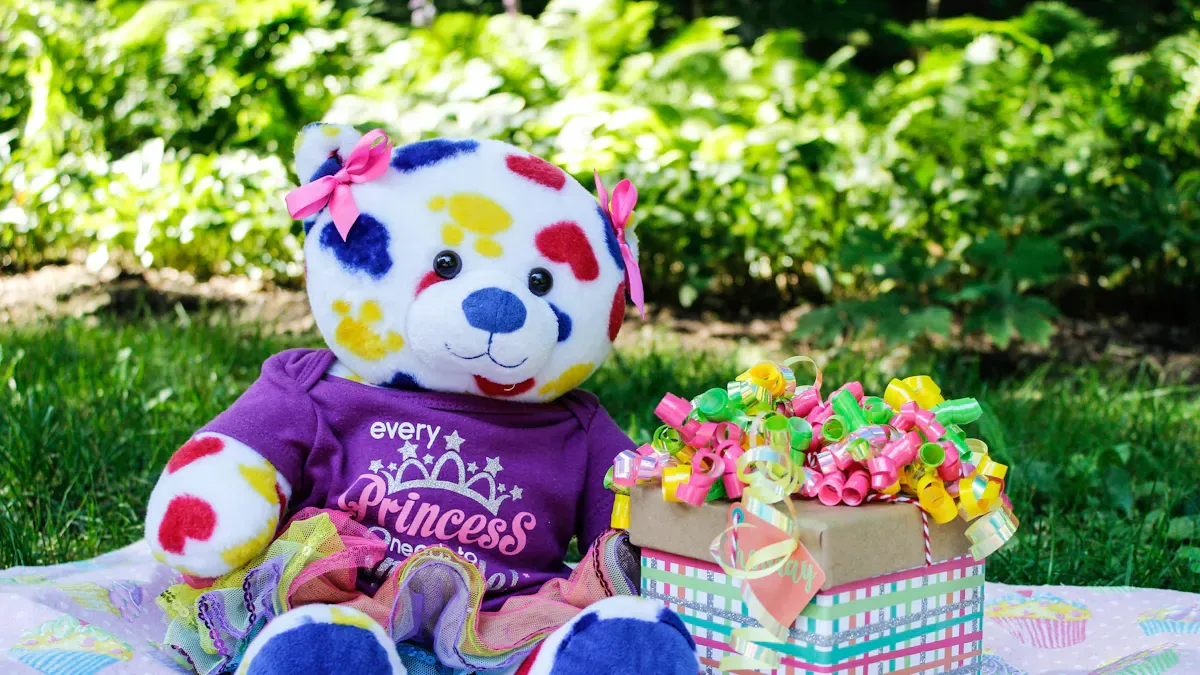
Weighted plush toys are a favorite for kids with autism. These toys help your child stay calm and pay attention. The deep pressure from these toys feels like a soft hug. This feeling helps your child control emotions and have fewer meltdowns. It can also help your child sleep better at night. Many parents and therapists say these toys are good for kids with autism, ADHD, anxiety, and sensory processing disorders.
Some important things about weighted plush toys are:
They give deep pressure with a 3-pound weight to help calm and focus.
The covers are soft and feel nice to touch.
Flat shapes let the toy sit on your child’s lap.
Cute designs make kids happy and relaxed.
They are strong and last a long time.
Weighted plush toys help your child during changes or stressful times. You can use them in exercise programs for both sensory and muscle help.
Textured and Fidget Plushies
Textured and fidget plushies help your child use up energy in a safe way. These toys often have squishy balls, rings with texture, or crinkly fabric. You can use them to help your child focus when playing or learning. Fidget toys help stop sensory overload in loud places. They also teach your child how to calm themselves.
Some popular sensory tools are:
Tactile fidgets like stress balls and plushies with texture.
Pressure fidgets such as lap pads and toys you can squeeze.
Visual fidgets with soft lights or moving parts.
The Octopus Sensory Toy has eight tentacles with different textures. This toy gives many feelings for kids who are sensitive or need more touch. It can help your child feel calm and learn about their senses. You can use these plushies for pretend play. They help your child try new ways to play and learn.
Customizable and Themed Plushies
Customizable and themed plushies let you pick what your child likes best. You can choose toys with colors, characters, or textures your child enjoys. Some plushies let you add or take out weights, change covers, or put on fidget parts. This makes playtime more fun and special for your child.
Themed plushies, like animals or superheroes, help your child tell stories and play with others. You can use these toys to help with routines, changes, and group play. Customizable toys can change as your child grows and needs new things.
Tip: Let your child help pick their plush toy. This makes playtime more fun and helps your child feel independent.
There are many sensory plush toys to fit your child’s needs. Try different kinds to see which ones make your child feel happy and comfortable during play.
You see how sensory plush toys help children with autism every day. These toys give comfort, emotional support, and help with growth. You can choose the right toy for your child with autism by thinking about their needs. Sensory plush toys make routines easier for children with autism. They also help with autism challenges at home and school. You give your child with autism a safe way to handle stress. Trust your choices as you support your child with autism.
FAQ
What makes a plush toy “sensory”?
A sensory plush toy uses special features like textures, weights, or sounds. You can find toys with crinkly fabric, soft fur, or added weight. These features help your child explore touch and feel calm.
How do I clean sensory plush toys?
Most sensory plush toys have washable covers. You should check the label for cleaning instructions. Use mild soap and cold water. Air dry the toy to keep it in good shape.
Can sensory plush toys help with sleep?
Yes! Many children sleep better with a weighted plush toy. The gentle pressure helps your child relax. You can add the toy to your child’s bedtime routine for extra comfort.
How do I know which sensory plush toy is best for my child?
Tip: Watch how your child reacts to different textures and weights. Let your child help pick the toy. You can also ask your child’s therapist for advice.
See Also
Autism-Friendly Sensory Toys Create A Calm Play Environment
Benefits Of Sensory Rooms For Children With Autism
Sensory Toys Enhance Motor Skills In Autistic Children
