25 Sensory Occupational Therapy Activities Every Parent Should Try
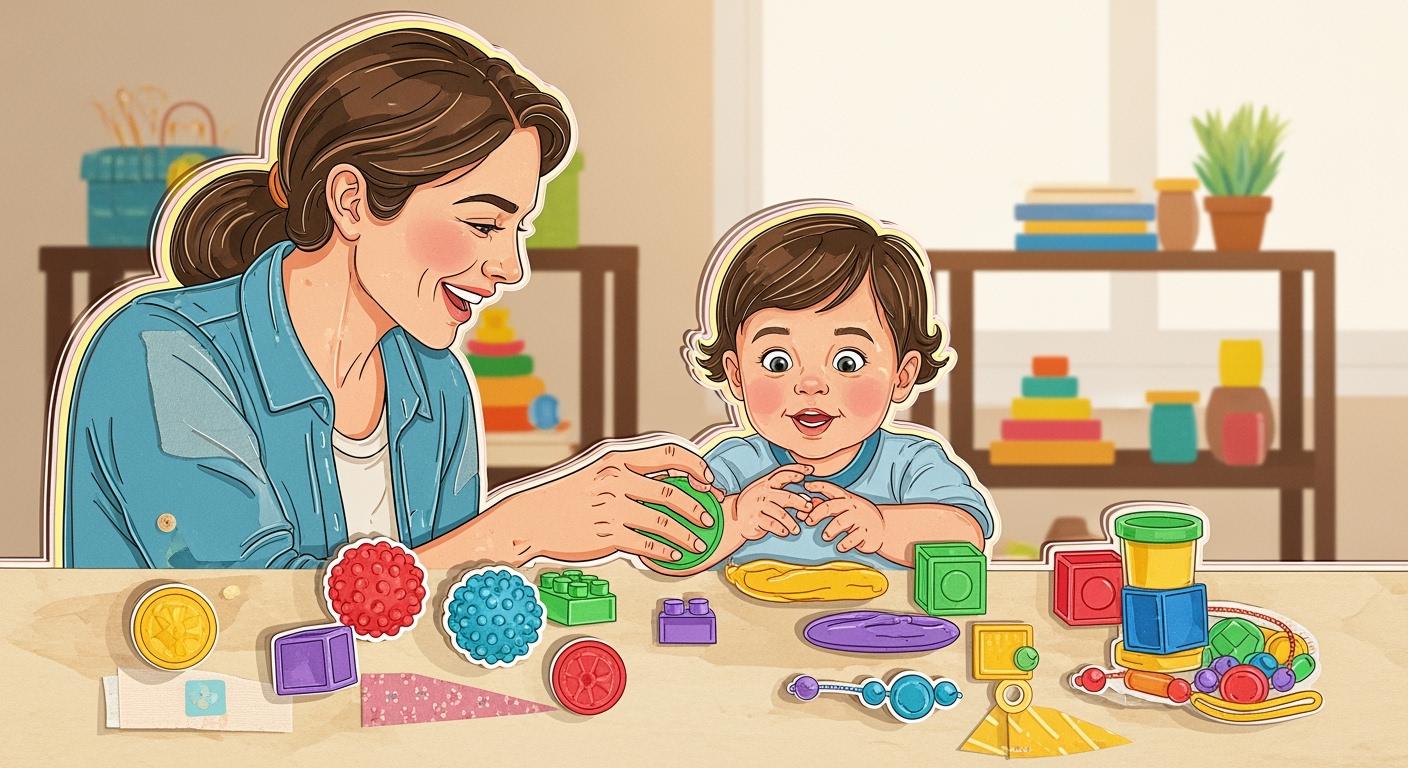
You want easy sensory occupational therapy activities to help your child grow. Studies show:
Around 5% to 12% of kids in the U.S. have trouble with sensory processing.
Up to 90% of kids with autism have problems with sensory integration.
| Sensory-based interventions | Help kids control their feelings, join in, and do daily tasks better. |
You will see ideas for sensory input, regulation, and play. Each activity can change for different ages and needs. These activities help with sensory integration. An occupational therapist can help you if you need more personal ideas.
Key Takeaways
Sensory activities like sensory bins and playdough help kids use their hands better and understand senses. - Doing proprioceptive activities, like pushing heavy things, can help kids control feelings and pay attention. - Multisensory activities, like obstacle courses and playing with lights, help kids use their senses together and make them feel more confident.
Tactile Sensory Integration Activities
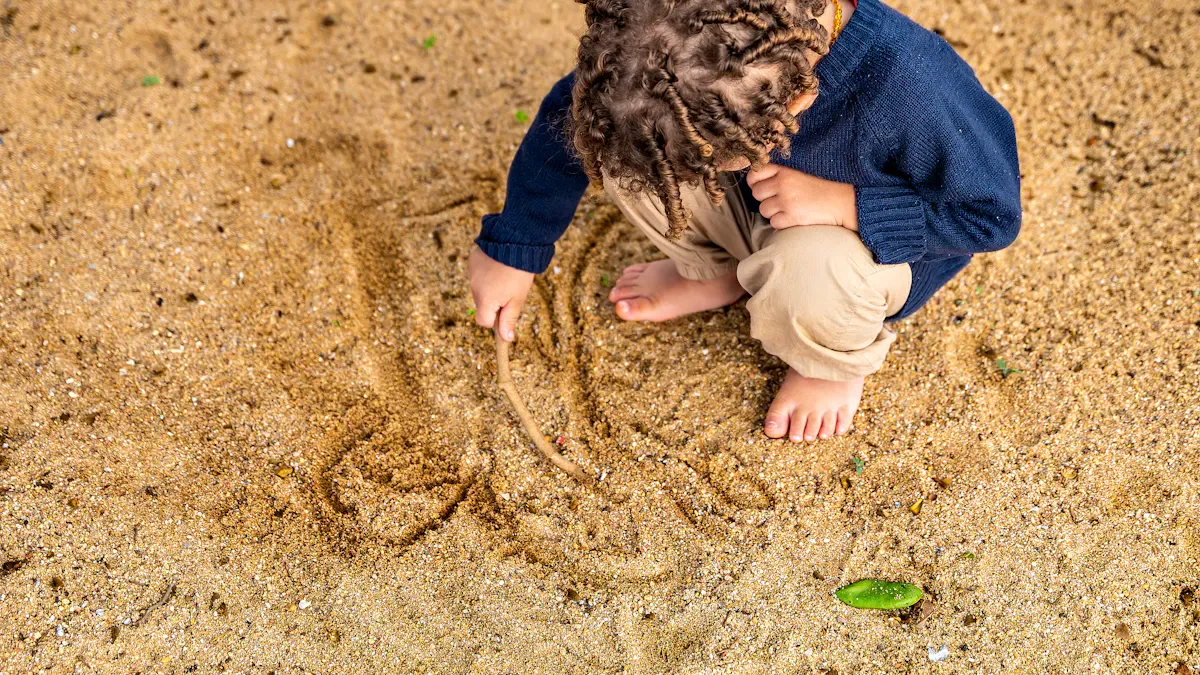
Tactile sensory integration activities let kids learn by touching things. These sensory play ideas help with sensory processing, regulation, and confidence. You can do these at home with easy materials. Many kids with sensory processing disorder or tactile defensiveness find these sensory activities for kids helpful. Let’s look at some fun sensory play and sensory play ideas you can try now.
Sensory Bins
Sensory bins are a great way to give strong sensory input. You fill a big container with things like rice, beans, pasta, or sand. Hide small toys or objects inside the bin. Ask your child to dig, scoop, pour, and look for treasures.
How to do it:
Pick a bin or box your child can reach.
Fill it with a base material like rice, beans, or water beads.
Add scoops, cups, and small toys.
Let your child use their hands to explore, sort, or go on a texture scavenger hunt.
Why it works:
Sensory bins help the brain grow and make new connections. These activities help with thinking, flexible ideas, and fine motor skills. Sensory bins also help kids learn social skills when they play together.
Tip: If your child feels stressed, start with dry, known textures. Slowly add new textures as they get used to it.
Adaptations:
Use bigger objects for younger kids to keep them safe.
For kids with tactile sensitivities, let them use spoons or wear gloves at first.
Try a scavenger hunt by hiding objects with different textures for your child to find.
Playdough Play
Playdough play is one of the best sensory play activities for building hand strength and tactile awareness. You can use store-bought or homemade dough.
How to do it:
Give your child a ball of playdough.
Show them how to roll, squish, pinch, and flatten the dough.
Add cookie cutters, rolling pins, or beads for extra fun.
Encourage your child to make shapes, letters, or animals.
Why it works:
Playdough gives resistance, which helps build hand muscles and finger control. These skills are important for writing, using scissors, and feeding themselves. The soft, squishy texture gives calming sensory input and helps with regulation.
Skill | Description |
|---|---|
Hand strength | Needed for pencil grip and using utensils |
Finger isolation | Helps with typing and musical instruments |
Bilateral coordination | Important for buttoning and cutting |
Pincer grasp | Needed for picking up small objects |
Hand-eye coordination | Matches what they see to hand movements |
Tripod grasp | Classic pencil hold for writing |
Adaptations:
Add scents or glitter for more sensory input.
For kids with sensitivities, use soft, unscented dough.
Try a scavenger hunt by hiding small objects in the dough.
Water Table Play
Water table play is a favorite among sensory activity ideas. You can use a water table, a big bowl, or even the bathtub.
How to do it:
Fill the table or container with water.
Add cups, funnels, sponges, and floating toys.
Let your child pour, squeeze, and splash.
Try adding ice cubes or a few drops of food coloring for variety.
Why it works:
Water play gives many types of sensory input and helps kids process information from around them. It helps the brain grow, improves attention, and builds vocabulary. Water table play also helps kids learn social skills and work together.
Benefit | Description |
|---|---|
Neural Development | Enhances sensory processing and attention |
Cognitive Skills | Fosters measurement and cause-effect understanding |
Language | Grows vocabulary through descriptive play |
Social Skills | Promotes cooperation and interaction |
Adaptations:
Use warm water to make it comfortable.
Add textured items like sponges or rubber toys.
For kids who do not like getting wet, let them wear gloves or use tools.
Frozen Toy Rescue
Frozen toy rescue is a fun way to mix sensory play ideas and sensory strategies. This activity uses ice to give special tactile input.
How to do it:
Put small toys in an ice cube tray or container.
Fill with water and freeze overnight.
Give your child spoons, spray bottles, or salt to help “rescue” the toys from the ice.
Why it works:
This activity gives cold, wet, and slippery textures. It helps with problem-solving, fine motor skills, and regulation. Kids learn patience and keep trying as they work to free the toys.
Note: Always watch closely to keep kids safe from choking or swallowing ice.
Adaptations:
Use bigger toys for younger kids.
For kids who do not like cold, let them wear gloves.
Try using colored water for extra visual input.
Messy Play (Shaving Cream, Foam)
Messy play with shaving cream or foam is a favorite among sensory play activities. It lets kids try new textures and be creative.
How to do it:
Spray shaving cream or foam onto a tray or table.
Let your child draw, squish, and spread the foam with their hands.
Add food coloring or small toys for extra fun.
Why it works:
Messy play gives tactile input that can calm or wake up kids. It helps with exploring, problem-solving, and fine motor skills. Touching different textures helps the brain and lets kids talk about what they feel.
Sensory play is important for thinking and learning.
Shaving cream changes as you play, making it exciting.
Kids can share feelings and learn new words during messy play.
Adaptations:
Use whipped cream if you want a taste-safe option.
For kids with sensitivities, let them use a paintbrush or wear gloves.
Start with a little and add more as your child gets used to it.
Texture Walk
A texture walk is an easy way to give new sensory input and help with regulation. You can do this inside or outside.
How to do it:
Put different textured materials (carpet, bubble wrap, grass, towels) in a path.
Ask your child to walk barefoot or in socks along the path.
Have them describe how each texture feels.
Why it works:
Texture walks help kids process sensory input through their feet. This activity helps with body awareness, balance, and regulation. It also lets kids try new sensations in a safe way.
Adaptations:
For kids with tactile defensiveness, start with soft, familiar textures.
Let your child pick which textures to try.
Add a game, like a scavenger hunt, to make it fun.
Remember: Sensory diets and sensory strategies work best when you follow your child’s lead and change activities to fit their comfort.
How Tactile Activities Support Sensory Processing and Regulation
Fun, play-based activities help the brain understand sensory signals.
Guided activities teach kids to process sensory information better.
Activities made just for your child help them stay interested and reach sensory processing goals.
Sensory integration therapy uses play to help with certain sensory problems.
Activities like these can help with sensitivities and improve regulation.
Kids with tactile defensiveness may have trouble with self-care, clothes, or too much sensory input. Sensory strategies like deep pressure, weighted items, and slowly trying new textures can help. Sensory diets with these sensory play ideas and exercises help with emotional regulation and sensory processing.
Try different sensory activity ideas and sensory strategies to see what helps your child most. Sensory diets work best when you use them every day.
Proprioceptive Sensory Occupational Therapy
Proprioceptive sensory occupational therapy helps your child’s body get the feedback it needs. This feedback helps them feel calm, focused, and ready to learn. These activities use heavy work and deep pressure for sensory regulation. If you add these strategies to your daily routine, your child can manage emotions better. They can also pay attention longer and build strong motor skills. Always watch your child during these activities. Make sure the area is safe.
Why Proprioceptive Activities Matter:
They help kids control their sensory responses and adapt to changes.
They make motor skills, social skills, and emotional control better.
Doing these activities helps the brain process sensory information.
Sensory integration therapy helps with both too much and too little sensitivity.
Studies show these activities can lower problem behaviors and help kids focus.
Animal Walks
Animal walks turn moving into a fun game. Ask your child to move like a bear, crab, or frog. They can even make up their own animal. This activity gives strong sensory input to muscles and joints.
How to do it:
Make sure the floor is clear and safe.
Call out an animal and show your child how to move. For example, bear walk means hands and feet on the floor. Crab walk means sit, lift hips, and walk backward. Frog jumps are also fun.
Let your child pick animals or guess which one you are doing.
Why it works:
Animal walks use your child’s imagination and body. They build core strength, big muscle skills, and body awareness. These activities give sensory motor input and help with regulation. You do not need special tools, so you can do them anywhere. Animal walks help kids play together, think creatively, and move in a way that helps them feel better.
Adaptations:
Use animal walks to warm up before other sensory activities for kids.
Make it a relay race for more fun.
Change the speed or distance to fit your child.
Pushing Weighted Objects
Pushing weighted objects is an easy way to give your child’s body the input it wants. You can use a laundry basket with books, a box of toys, or a heavy pillow.
How to do it:
Fill a strong basket or box with safe, heavy things.
Ask your child to push it across the room or down the hall.
Make it a game by timing them or making a “delivery” route.
Why it works:
This activity wakes up the proprioceptive system and gives strong sensory input. It helps your child feel steady and organized. Heavy work can calm a busy child or wake up a tired one. It also helps block out background noise, so it is easier to focus.
Evidence Point | Description |
|---|---|
Proprioceptive Input | Heavy work activities wake up the proprioceptive system and help kids feel steady in their bodies. |
Emotional Regulation | These activities help organize sensory input, which is important for controlling feelings and energy. |
Focus and Attention | Doing heavy work can help kids focus by blocking out extra distractions, so they can pay attention better. |
Safety Tip:
Always check that the weight is safe for your child. Watch closely to keep them safe.
Wall Push-Ups
Wall push-ups are a fast and simple way to give deep pressure input. You do not need any equipment, and you can do them almost anywhere.
How to do it:
Have your child stand facing a wall with arms straight out.
Ask them to put their hands flat on the wall.
Tell them to bend their elbows and lean in, then push back to standing.
Repeat 10-15 times, or as many as your child likes.
Why it works:
Wall push-ups give deep pressure through the arms and shoulders. This input helps with regulation and can calm or wake up your child. It is a good sensory processing activity for breaks or when your child needs to switch tasks.
Adaptations:
Try chair push-ups or floor push-ups for something different.
Add a counting game to keep your child interested.
Carrying Heavy Items
Carrying heavy items is a natural way to add proprioceptive input to your day. Ask your child to help with chores like carrying groceries, laundry baskets, or books.
How to do it:
Pick a safe, heavy item your child can carry.
Ask them to move it from one spot to another.
Make it a “helper” game or a race.
Why it works:
Carrying heavy things gives strong, steady input to muscles and joints. This helps your child know where their body is and how it moves. It sends calming messages to the brain and body, which helps with regulation. Simple chores like carrying laundry or pushing a vacuum are great sensory processing activities.
Carrying heavy things helps kids feel steady and less overwhelmed. It also teaches them how to use the right amount of force for different jobs.
Safety Tip:
Make sure the item is not too heavy. Always watch and remind your child to lift safely.
Deep Pressure Games
Deep pressure games use firm touch to help your child feel calm and safe. You can try “steamroller” games, gentle squeezes, or use a weighted blanket.
How to do it:
Try a “steamroller” game by rolling a soft ball over your child’s back and legs.
Give your child a big bear hug or let them squeeze a pillow.
Use a weighted blanket or vest for extra input if your therapist says it is okay.
Why it works:
Deep pressure tactile input is a proven sensory-based intervention. Things like weighted blankets, firm pressure, and massage can help with sleep, motor skills, and emotional control for kids with sensory processing challenges and ADHD.
Deep pressure helps organize sensory input and supports self-control. These strategies can calm kids who feel overwhelmed or help them focus.
Safety Tip:
Always ask your child if the pressure feels good. Never use too much force. Watch closely, especially with weighted items.
Backyard Car Wash
The backyard car wash is a fun way to mix heavy work, deep pressure, and sensory input. You can use toy cars, bikes, or even real family cars.
How to do it:
Set up a washing station with buckets of water, sponges, and towels.
Ask your child to scrub, rinse, and dry the vehicles.
Let them push or pull the toys around the yard.
Why it works:
This activity gives lots of sensory input through pushing, pulling, scrubbing, and squeezing. It mixes tactile, proprioceptive, and even vestibular input if your child moves around a lot. The repeated motions help with regulation and can be very calming.
Backyard car wash helps kids work together and learn responsibility. It makes sensory activities for kids fun and meaningful.
Adaptations:
Use different textures for sponges and towels.
Add music or a timer to make it a game.
Tip:
Always watch water play and make sure the area is safe to stop slips and falls.
Proprioceptive sensory occupational therapy gives your child ways to handle sensory processing and regulation. These activities give strong sensory input, help with emotional control, and support daily routines. Try different strategies and see which ones help your child feel their best.
Vestibular Integration Activities
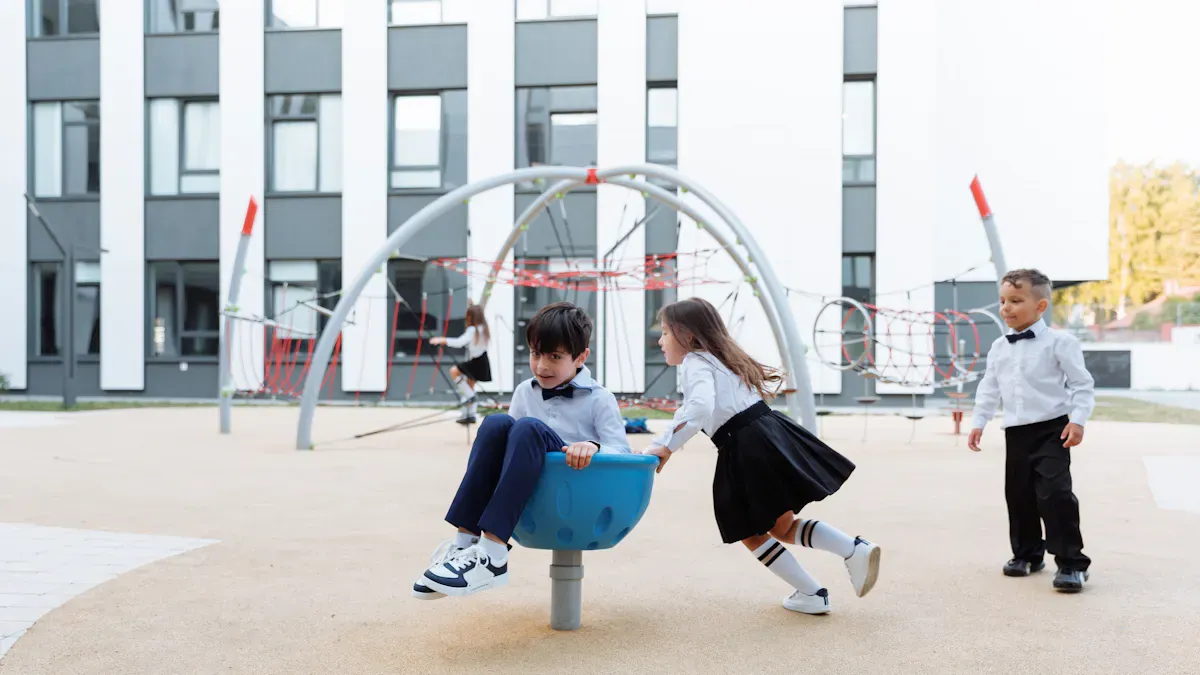
Vestibular integration activities help your child learn how to move and balance. These activities give sensory input that helps with balance and coordination. Adding these activities to your day can help your child with sensory processing and motor skills. Let’s check out some fun ways to improve balance and coordination at home.
Swinging
Swinging is a classic activity that gives strong sensory input. When your child swings, their body learns how to stay upright. This helps with balance and coordination. You can use a playground swing, hammock, or an indoor swing.
Tip: Start slow and watch how your child reacts. Some kids like gentle swinging, but others want to go higher.
Spinning
Spinning on a chair or a sit-and-spin toy gives strong sensory input. Spinning helps kids with sensory processing and balance. It can also help with body awareness.
Try short spins and let your child rest after each turn.
Always watch your child while they spin to keep them safe.
Rocking
Rocking chairs or rocking horses give calming sensory input. Rocking helps kids with regulation and balance. This activity is good for relaxing or when your child feels stressed.
Use a gentle rhythm for rocking.
Add soft lights or calming music for more comfort.
Rolling
Rolling on the floor or down a soft hill gives deep sensory input. This activity helps with balance and coordination. You can use a mat, blanket, or grassy hill.
Let your child roll at their own speed.
Try rolling races or obstacle courses to make it fun.
Therapy Ball Play
Therapy balls, like yoga balls, are great for vestibular input and core strength. Your child can bounce, sit, or roll on the ball. This activity helps with balance and regulation.
Developmental Area | |
|---|---|
Motor Skills | Helps with big movements and keeping balance. |
Sensory Integration Skills | Helps the brain organize and respond to sensory input. |
Emotional and Sensory Regulation | Makes kids feel safe and confident, which helps with emotions. |
Academic Development | Helps kids get ready to learn and focus on tasks. |
Sprinkler Obstacle Course
Set up a sprinkler obstacle course in your yard. Kids run, jump, and crawl through water for lots of sensory input. This activity helps with balance and coordination.
Use different paths and levels for all skill levels.
Add crash pads or balance boards for extra support.
Adaptation strategies:
Make spaces with swings, crash pads, and balance boards.
Use soft lights and quiet areas for kids with sensory needs.
Always watch your child and make sure the area is safe.
Vestibular activities like these help kids with sensory processing and balance. They also help with emotional control and body awareness. Try different activities to see which ones your child likes best.
Oral Sensory Integration Activities
Oral sensory integration activities are fun for kids. These activities help kids get the sensory input they need. This can make it easier for them to focus and stay calm. They also help with self-control, paying attention, and even talking. You can do these activities at home every day. Many therapy experts say these activities are good for kids who need help with sensory processing.
Activity Type | |
|---|---|
Chewy toys | Gives safe oral input. This helps with self-control and oral awareness. |
Blowing activities | Makes mouth muscles stronger and helps with breath control. This supports speech and focus. |
Crunchy or chewy snacks | Helps kids eat calmly. It gives sensory input and helps with self-control. |
Blowing Bubbles
Blowing bubbles is a classic sensory activity. You can use a bubble wand or a straw. This activity makes mouth muscles stronger. It helps kids pay attention and control their breath. Breath control is important for talking and staying calm. You can make it a game. See who blows the biggest bubble!
Chewy Tubes And Whistles
Chewy tubes and whistles are safe ways to get oral sensory input. Many kids like to chew for regulation. Therapy experts say to give kids a safe chew tool instead of stopping the chewing.
It is better to give your child something safe to chew. Pick something strong and made for chewing. Do not try to stop the chewing. Give your child a special chew tool. This is the best thing you can do.
Always watch your child and pick tools that are right for their age.
Crunchy Snacks
Crunchy snacks like carrots, pretzels, or apple slices give strong sensory input. These snacks help kids stay calm, especially during changes. Studies show that eating crunchy snacks every day can help with sensory processing and self-control.
Drinking With Straws
Drinking thick drinks through straws is an easy way to give oral sensory input. This activity makes lip and cheek muscles stronger. It also helps kids stay calm. Try smoothies or yogurt drinks for more resistance.
Sucking Popsicles
Sucking on popsicles or ice cubes gives cold and firm sensory input. This can help kids feel calm and focus better. Always use the right size for your child and watch them to keep them safe.
Oral sensory activities are easy to add to your day. These activities help kids with sensory processing and support therapy goals.
Multisensory Activities For Sensory Integration
Doing activities that use more than one sense can help kids with sensory processing and regulation. When you mix touch, sound, and sight, the brain gets more chances to learn and grow. Many therapy strategies use these activities to help with sensory integration and self-control.
Here’s what research says about these activities:
Study | Findings |
|---|---|
The Impact Of Multisensory Learning On Autism Education | Big improvements in sensory processing and learning behaviors with multisensory music education tools. |
Sensory Activities for a Child with Autism | 77% of kids with autism got better at sensory integration when they did multisensory activities. |
Sensory Activities for a Child with Autism | Stereotypical behaviors went down by 52% in outdoor sensory-rich places compared to indoors. |
Home Obstacle Course
You can make an obstacle course at home using pillows, chairs, and tape. Ask your child to crawl, jump, or balance as they go through each part. This activity gives lots of sensory input and helps with body awareness and regulation. Try adding music or different textures for even more sensory play.
Tip: Change the course often so it stays fun. Use number cards for hopping or toss a ball while moving.
Light And Sound Play
Light and sound play can make any room feel special. Use flashlights, colored lights, or soft music. Let your child follow light patterns or clap along with the beat. These activities help with sensory processing and regulation. You can also try group storytelling with music or take nature walks for more sensory input.
Try soft lights if you want to calm down.
Use different sounds to help your child wake up or relax.
Sorting Colors And Shapes
Sorting colors and shapes is an easy way to use both sight and touch. Give your child blocks, counting bears, or cards with different textures. Ask them to sort by color or shape. This activity helps with fine motor skills and sensory regulation. You can do this at home or school by using sand trays, textured surfaces, or play-doh.
Ask your child to say the colors or shapes out loud while sorting. This helps with language and sensory integration.
Multisensory activities give kids more ways to handle sensory input and reach therapy goals. Try different ideas to see which ones help your child with regulation and sensory processing.
Including sensory activities in daily routines can really help kids. These activities improve how kids handle their feelings and senses. They also make playtime better. Therapy helps kids feel more confident and do things on their own. Pay attention to how kids react to different sensory input. If you see any problems, talk to a therapy expert for help.
FAQ
What if my child avoids sensory activities?
You can begin with gentle sensory input. Let your child choose what to try. Test out different activities together. Some kids need extra time to get used to new play or sensory processing strategies.
How often should I do sensory activities for regulation?
You can add sensory activities to your daily routine. Regular sensory input helps children with sensory processing and regulation. Try short play sessions a few times each day for the best results.
Can sensory activities help with emotional regulation?
Yes! Sensory activities give input that helps with regulation. Many children feel calmer and can focus better after therapy play. These strategies support sensory processing and emotional control.
See Also
10 Engaging Sensory Experiences for Preschool Learning Adventures
Best 10 Clean Sensory Play Ideas for Nurseries in 2025
Essential Heavy Work Strategies for Kids’ Sensory Needs in 2025
A Comprehensive Resource for Sensory Play Ideas in Early Education
Downloadable Speech Therapy Resources for Parents and Educators

