Sensory occupational therapy boosts daily life skills

You can become more independent in your daily life with sensory occupational therapy in 2026. This therapy helps you deal with sensory problems and learn important skills for everyday tasks. New studies show how sensory occupational therapy and sensory integration therapy really help:
89% of people say they do daily activities better after 12 weeks of sensory occupational therapy.
Therapy lowers the number of people who go back to the hospital by 22% after surgery.
Sensory integration therapy helps children with autism reach more goals and need less help with daily routines.
Meta-analyses show big improvements in social and sensory processing skills.
Sensory occupational therapy gives you ways to handle daily routines with more confidence.
Key Takeaways
Sensory occupational therapy helps people do daily tasks better. After 12 weeks, 89% of people improve in daily activities. Therapy also lowers hospital readmission rates by 22% after surgery. This helps people recover better and be more independent. Children with autism gain a lot from sensory integration therapy. They reach more goals and need less help with daily routines. Regular sessions with occupational therapists help control emotions and improve social skills. This makes it easier to talk and connect with others. Using new tools and technology in therapy helps even more. Things like telehealth and sensory toys make sessions better and easier to join.
What is sensory occupational therapy?
Core purpose and approach
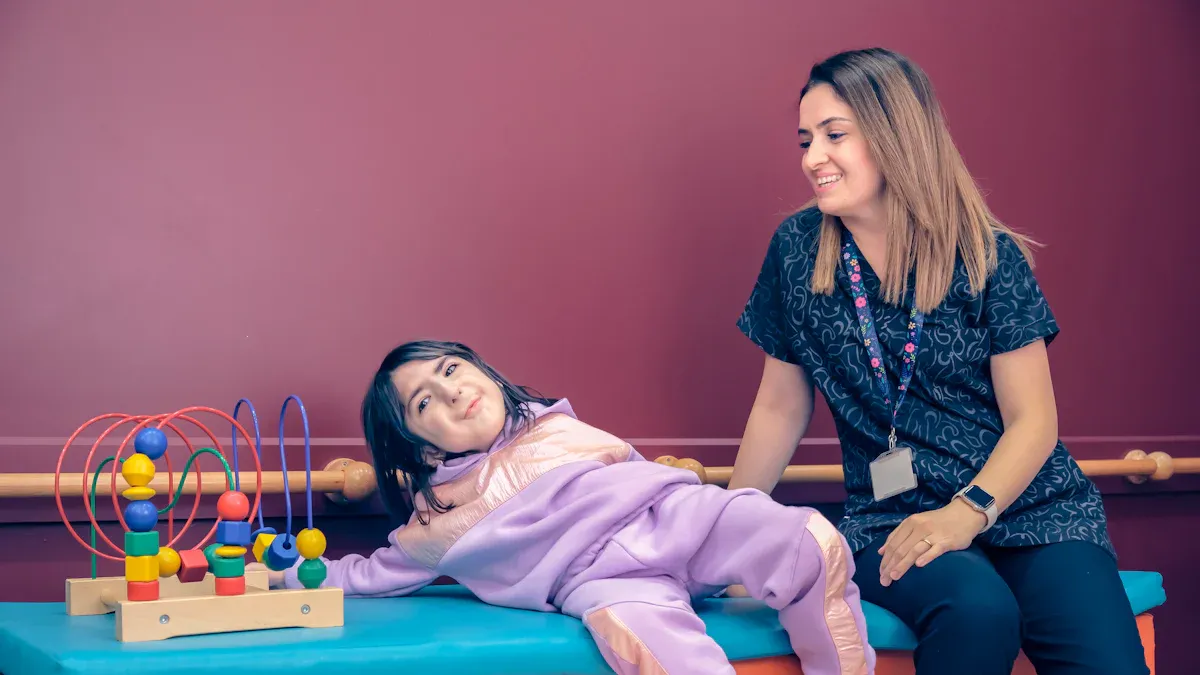
Occupational therapy helps you learn skills for daily life. The main goal is to help you handle sensory information. This lets you join in daily routines. Occupational therapy looks at how your brain deals with senses. If you have trouble with sensory processing, you may struggle to learn or move. You might also find it hard to control your feelings.
Occupational therapy uses sensory integration techniques. These help your nervous system react better to sensory input. Therapists make treatment plans just for you. You might play games, move around, or use special tools. These activities help your brain change and grow. This process is called neuroplasticity. It helps you learn new skills and face challenges.
Note: Dr. A. Jean Ayres started sensory integration therapy in the 1970s. She wanted to help people with problems in coordination, learning, and emotions. Her work showed that fun, targeted activities can help you handle sensory information better.
You work with occupational therapy professionals. They check your sensory processing skills. They see how you react to touch, movement, and other senses. Then, they make a plan to help you do well at home, school, or work.
Sensory processing challenges addressed
Occupational therapy helps with many sensory processing disorders. You may have sensory modulation difficulties. This means you react too much or too little to sounds, textures, or movement. Some people have trouble telling sensations apart. These problems can make daily life harder.
Occupational therapy uses sensory integration techniques like swinging, brushing, and movement play.
You might do activities that give you tactile, proprioceptive, or vestibular input.
Therapists use sensory diets, sensory gyms, and changes to your environment.
These methods help you become more independent and feel better emotionally.
Occupational therapy teams work with families and other professionals. They use new research and technology to track progress and change your plan. This teamwork helps you reach your goals and enjoy daily life.
Sensory integration therapy explained
How it works
Sensory integration therapy helps your brain handle sensory information. You do activities that wake up your senses. These activities can be swinging, jumping, or touching things. You learn to react better to sounds, sights, and touch. Therapists pick activities that fit your needs. You practice skills that help you every day.
Sensory integration therapy helps your brain change and grow. When you repeat sensory activities, your brain makes new connections. You get better at controlling your movements and feelings.
Recent studies show sensory integration therapy helps kids with developmental disorders. You get better at self-care and talking with others. Therapists use methods that work with different senses. You notice changes in how you react to things around you. You feel more at ease in your world.
Sensory integration therapy makes your brain pathways stronger.
You get better at handling senses and making friends.
You feel more sure of yourself in daily life.
Differences from occupational therapy
Sensory integration therapy works on how your brain handles senses. You practice how to deal with sensory information. Occupational therapy teaches you many life skills. You learn to do things like dress, eat, and write. Occupational therapy helps you become more independent in life.
You might use sensory integration therapy during occupational therapy. Therapists use both to help you reach your goals. Occupational therapy has sensory activities and teaches you useful skills. You practice routines that make life easier. Occupational therapy helps your feelings, social life, and movement skills.
Occupational therapy changes to fit your needs. You get help at home, school, or in your community. Therapists use new tools and technology to see how you are doing.
You get help from both therapies. Sensory integration therapy helps you handle sensory input. Occupational therapy helps you use these skills in real life.
Key benefits for independence
Daily routines and self-care
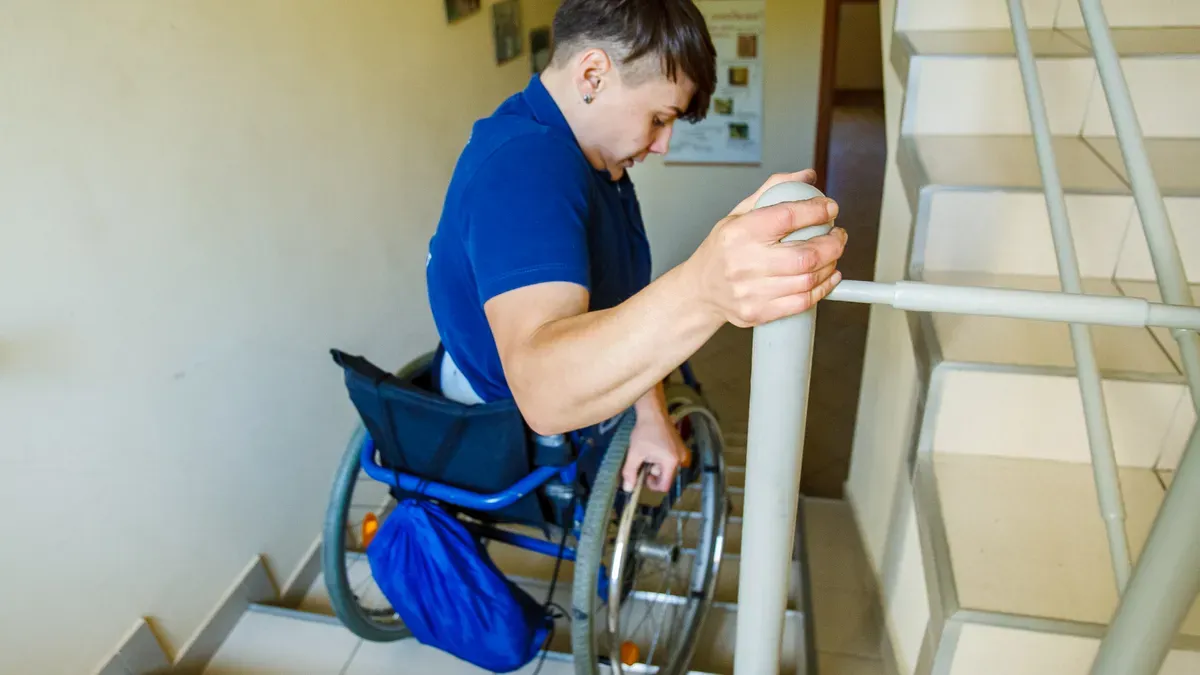
You can become more independent by making strong daily habits. Occupational therapy gives you ways to do things like eat, get dressed, and bathe. Sensory integration therapy helps you handle sounds, textures, and movement. You feel less stressed by these things. When you practice, you get more confident and need less help.
Research shows occupational therapy helps kids with autism a lot. Sensory integration therapy makes a big difference. You get better at handling senses, talking, and making friends. Therapists meet with you about three times a week. They help you reach your goals. These sessions help you deal with sensory input and build good habits.
Sensory integration therapy helps you handle sensory input better.
You feel less worried and less overwhelmed.
You pay attention more and join in activities.
You get better at eating, dressing, and learning new things.
Therapists use tools like the Canadian Occupational Performance Measure. This tool tracks how you are doing. You see progress right after therapy and months later. Regular sessions help you react to senses in a way that helps you be more independent.
Emotional and social skills
You need strong emotional and social skills to live on your own. Occupational therapy helps you build these skills. This is important for kids with autism. Sensory integration therapy helps you control your feelings and connect with people. You learn to manage your reactions and join group activities.
Tip: Doing deep pressure activities, like using weighted blankets or gentle hugs, can help you feel calm. These activities help you control your feelings and make being with others easier.
Studies show kids with autism who do sensory integration therapy get better at handling feelings and being social. These changes last for months after therapy. You also get better at making friends and talking to people.
Evidence Type | Description |
|---|---|
Emotional Regulation | Sensory occupational therapy helps you control your feelings. |
Sustained Gains | Improvements last for months after therapy ends. |
Social Functioning | You get better at talking and making friends with sensory integration therapy. |
Learning social skills is a big part of occupational therapy. You practice sharing, taking turns, and understanding feelings. Therapists use sensory input and special activities to help you join group activities. You become more independent and enjoy life more.
Motor and learning abilities
You need good motor and learning skills to be independent. Occupational therapy uses sensory integration therapy to help you move, play, and learn. Kids with autism often have trouble planning movements and working together. Therapists use special activities like swinging or deep pressure to help your brain grow.
Recent reviews show sensory integration therapy helps kids with autism a lot. You get better at handling senses, controlling yourself, and being social. Early occupational therapy helps you pay attention, follow directions, and be more independent.
Therapists use neuroplasticity. This means your brain can change when you practice. You do activities that challenge your body and mind. Over time, you see real changes in how you react to senses. You feel more sure of yourself when you move and learn.
Occupational therapy helps you with self-care and handling senses.
Speech therapy helps you talk and understand others.
Physical therapy helps you with big movements.
All these therapies work together to help you live on your own.
Learning social skills, sensory integration therapy, and occupational therapy give you a strong base for independence. You feel brave enough to try new things and take care of yourself every day.
Effectiveness and evidence in 2026
Latest research findings
Sensory occupational therapy works well, and new research proves it. Scientists studied sensory integration therapy in 2025 and 2026. They saw that this therapy helps kids with autism and other needs. Kids get better at handling senses, controlling themselves, and being social. Occupational therapy uses sensory integration therapy to help you deal with sensory information.
Sensory integration therapy helps kids with autism handle senses and skills.
Occupational therapy helps you take care of yourself and talk to others after Ayres Sensory Integration therapy.
Special sensory activities help you control your senses, move better, act better, and do daily things.
Sensory integration strategies help people with brain conditions think and feel better.
You get help from plans based on research. Occupational therapy mixes sensory integration therapy with other help to reach your goals. Good teaching in sensory integration therapy helps you handle senses, control behavior, and join in daily life. Starting therapy early gives you the best chance to get better.
A big study in 2026 showed sensory integration therapy works best one-on-one with a therapist. Sessions about 40 minutes long help you get better at being social, acting right, handling senses, moving, and using your hands. Occupational therapy uses these facts to make plans that fit you.
You learn to handle sensory information better. You feel less overwhelmed and less worried. You pay attention more. You join in daily life with more confidence. Occupational therapy helps you pick up small things, draw, color, cut, and build. Therapists show you how to do things, use pictures, break tasks into steps, and give praise.
Intervention Type | Main Benefit | Population |
|---|---|---|
Sensory integration therapy | Improved sensory processing | Children with ASD |
Occupational therapy | Enhanced self-care and social skills | All ages |
Early intervention | Better adaptive behavior and learning | Young children |
Success stories and outcomes
There are many stories that show occupational therapy and sensory integration therapy work. These therapies help you get better at daily life skills. Research says occupational therapy is very important for kids with autism. You see real changes in how you act, what you can do, and how you feel.
Yunel’s story shows big changes in handling senses, playing with others, and having fun in therapy. This shows that letting kids lead in sensory occupational therapy works well.
Getting help early is good for you. Occupational therapy helps you handle senses, feel less worried, and pay attention. Sensory integration therapy helps you with daily routines. You learn to handle sensory input and become more independent. These therapies help you join in at home, school, and in your community.
You see progress in occupational therapy when you practice picking up things, drawing, and building. Sensory integration therapy helps you handle senses and feel better. Getting help early gives you a strong start for learning and making friends.
Therapies work best when therapists use research-based ways. Occupational therapy and sensory integration therapy help you reach your goals. You feel more sure of yourself and more independent as you get better.
Occupational therapy delivery in 2026
Modern techniques and tools
You see many new tools in sensory occupational therapy now. Therapists use equipment that helps you move and learn. These tools make the room friendly for your senses. Some common tools are:
NeuroSuit
SpiderCage
DMI
Vitalstim
Redcord
Functional Estim
Galileo
Theratogs
These tools support your body and help you practice moving. They make learning easier for you. You use sensory toys and equipment that wake up your senses or help you calm down. Therapists pick tools that fit what you need, so each session is different.
Note: Therapists must get national certification from the National Board for Certification in Occupational Therapy. They also need a master’s or doctoral degree and must pass a big test. They keep learning new things to stay good at their job.
Technology integration
You get help from new technology in sensory occupational therapy. Telehealth lets you join therapy from your house. Artificial intelligence helps therapists plan activities just for you. Leaders like Jana Cason make sure AI is safe and works well. Virtual reality and simulation give you new ways to practice skills.
Special sensory toys for children with autism help you handle feelings and pay attention. These toys wake up your senses and help you relax. Technology makes therapy fit you better and gives you more choices.
Tip: With telehealth, you can talk to your therapist even if you live far away. This makes it easier to get therapy.
Home and community settings
You can get sensory occupational therapy at home or in your community. Therapists change routines to match your sensory needs. This helps you control your feelings and join in school or social events. Parents and caregivers learn how to use sensory diets and calming tricks at home. Working together helps you use sensory tools everywhere.
Home therapy helps you feel better emotionally.
Community sessions help you join in social activities.
Doing the same routines helps you handle sensory problems.
You learn skills that help you live on your own and feel sure of yourself.
Who benefits from sensory occupational therapy?
Children
Sensory occupational therapy helps children the most. Many kids with autism spectrum disorder, ADHD, or cerebral palsy have trouble with senses. Sensory integration therapy helps you deal with sounds, textures, and movement. Studies show this therapy helps your movement, social skills, and daily life. If you have autism spectrum disorder, you might feel overwhelmed or anxious. Occupational therapy gives you fun and planned activities. These activities help you feel calm and pay attention.
You do activities that fit your sensory needs.
Therapy helps you feel less overwhelmed and less anxious.
Getting help early makes your focus, movement, and social skills better.
You learn to do daily routines with more confidence. Occupational therapy helps you at school, home, and in your community.
Adults
Adults can also get help from sensory occupational therapy. If you have sensory processing disorder, you can learn ways to handle daily life. Occupational therapy helps you know your sensory needs. It teaches you how to deal with hard situations. Many adults with autism spectrum disorder find therapy helps them at work, shopping, or with friends.
You use routines and things like weighted blankets or headphones.
Therapists help you make a sensory diet to keep you balanced.
You can change your space by wearing soft clothes or using dim lights.
Therapists make activities to help your brain react better to senses. You practice these skills in real life, like at work or in busy places.
Seniors
As you get older, your senses can change. Sensory occupational therapy helps you stay safe and independent. Therapists help you do daily things and lower your chance of falling. Special plans let you stay at home and avoid emergencies.
You practice balance and movement to stop injuries.
Therapy helps you change your home to be safe and comfortable.
You feel more sure when you do things like dress or cook.
Occupational therapy helps you stay active and part of your community. With the right sensory help, you can enjoy life more.
Getting started with therapy
Accessing services
You can get sensory occupational therapy in lots of places. Many early childhood centers have therapists who work there. The Occupational Therapy Embedded in Early Childhood (OTEEC) Partnership Model puts therapists in schools. This model lets you get therapy right away. You do not have to wait for a referral. It helps kids, parents, teachers, and school leaders.
Some families have problems getting therapy. Kids of color and kids from families with less money may not get help early.
The OTEEC model gives everyone in the community a chance to get sensory support.
Insurance rules change in 2026. Blue Cross Blue Shield of Michigan now pays for Ayres Sensory Integration for autism. This makes it easier for kids with autism to get therapy.
Most insurance plans pay for occupational therapy with sensory modulation strategies, speech therapy, and applied behavior analysis.
You can ask your doctor or school for a referral. Some clinics let you join therapy from home using telehealth. You should check your insurance plan to see what it covers.
What to expect in sessions
Your first session starts with an evaluation. The therapist watches how you move and checks your strength. You talk about what is hard for you and what you want to get better at. The therapist makes a plan for your sensory needs.
Sessions follow a routine. Parents often join and learn exercises to do at home.
After you set goals, the therapist makes a plan with activities and strategies.
Therapists check your progress often. They change the plan if needed, add new activities, or change how often you meet.
Occupational therapy helps you with sensory challenges like hypersensitivity or hyposensitivity. Therapists use fun activities like swinging, bouncing, or weighted blankets.
You might feel worried or have trouble with daily tasks. Therapists use sensory diets and special plans to help you. Caregiver training is part of therapy, so your family can help you at home.
Step | What Happens |
|---|---|
Evaluation | Therapist watches and asks questions |
Goal Setting | You and therapist pick goals |
Intervention | Activities and strategies for sensory needs |
Progress Review | Therapist checks and updates your plan |
You learn skills to handle sensory input and become more independent.
You get lots of good things from sensory integration therapy. It helps you control your feelings and actions. You join in daily activities more easily. You also learn new ways to handle problems. The table below shows how sensory integration therapy helps you be more independent.
Benefit | Description |
|---|---|
Self-regulation | Helps you stay calm and pay attention all day. |
Social engagement | Makes it easier to talk and play with others. |
Teaches you to meet your sensory needs by yourself. | |
Reduced anxiety | Helps you feel better about sensory input. |
You can try sensory integration therapy with these helpful resources:
AOTA CommunOT and Facebook groups
Sensory integration therapy gives you ways to feel braver and do things on your own. You can begin learning these skills right now.
FAQ
What is the difference between sensory occupational therapy and regular occupational therapy?
Sensory occupational therapy helps you deal with sights, sounds, and touch. Regular occupational therapy teaches you skills like eating or getting dressed. Sensory therapy works on how your brain handles senses. Both types help you become more independent.
How long does sensory occupational therapy take to show results?
You might see changes in 8 to 12 weeks. Some people notice progress even sooner. Your therapist will check your goals and change your plan as you get better.
Can you do sensory integration activities at home?
Yes! You can use things like sensory toys, swings, or weighted blankets at home. Your therapist can teach you safe ways to do these activities. Practicing often helps you improve every day.
Who can benefit from sensory occupational therapy?
You can benefit if you have trouble with sounds, textures, or movement. Children, adults, and seniors all use this therapy. It helps people with autism, ADHD, and sensory processing disorder.
See Also
Enhancing Motor Skills in Autistic Children Through Sensory Toys
Effective Therapies Addressing Sensory Challenges in Autism
Benefits of Sensory Rooms for Children on the Autism Spectrum
Sensory Toys Create Calm and Joyful Playtime for Autistic Kids

