How to Make Sensory Motor Activities for Kids Using Everyday Items
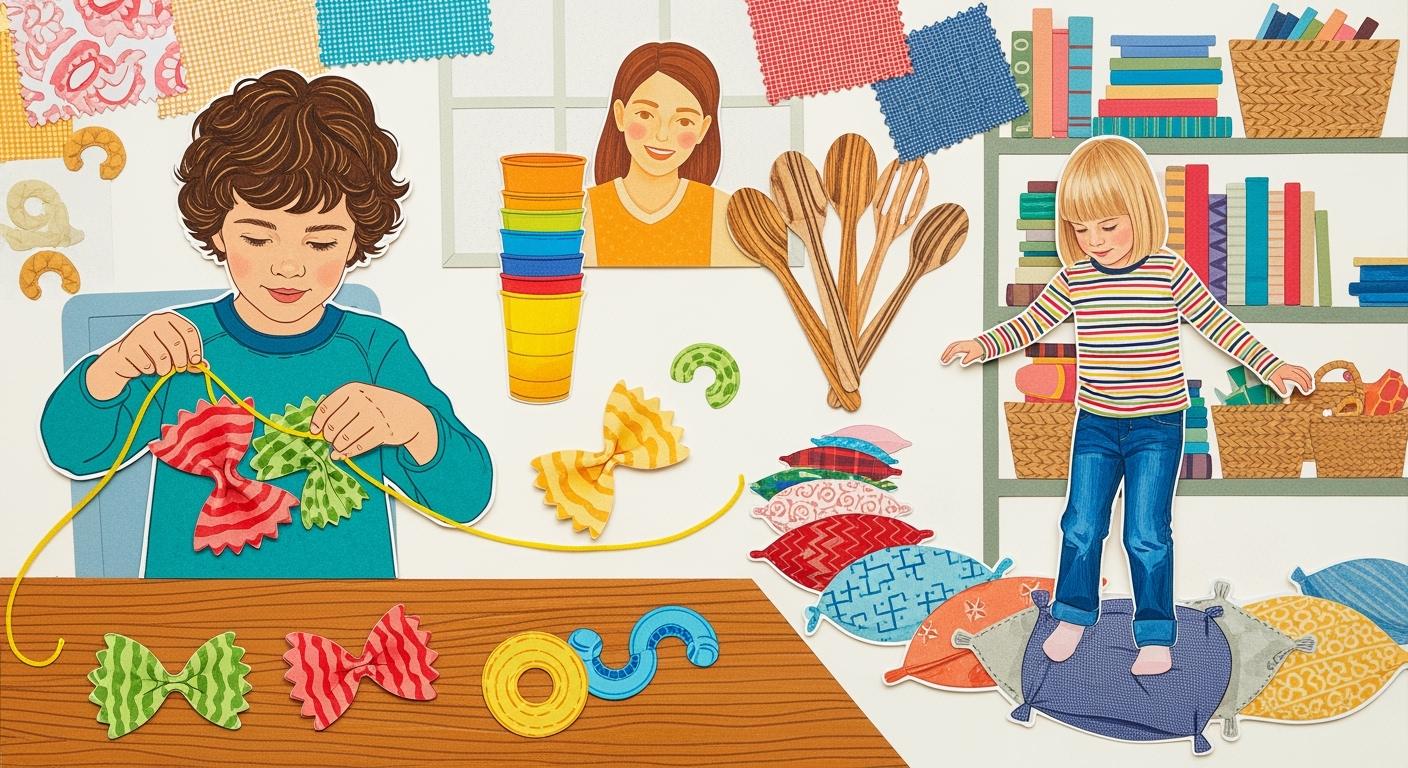
Yes, you can make fun sensory motor activities at home. You can use things you already have. Sensory motor skills activities help your child learn hand-eye coordination. They also help with balance and muscle strength. Kids enjoy using Jump Junior Round Trampoline. They also like stacking Soft Play Giant Building Blocks. You can use simple Obstacle Course Equipment like pillows or chairs. These items can help kids move and learn. Here is what research says about these activities:
Aspect | Findings |
|---|---|
Fine Motor Skills | Activities made for kids with ASD help hand-eye coordination. They also improve dexterity. |
Gross Motor Skills | Kids with moderate ASD show better gross motor skills. These improvements last over time. |
Neurological Development | Better sensory processing helps motor coordination. It also helps kids interact with their environment. |
Key Takeaways
You can make sensory motor activities at home. Use things you already have. This helps learning be fun and cheap.
Sensory bins help kids explore and learn. Try using rice, beans, or sand. These materials let your child use their senses.
DIY playdough helps with fine motor skills. It is easy to make at home. It does not cost much and lets kids be creative.
Obstacle courses help kids move better. Use pillows, blankets, and boxes. These items make fun challenges for your child.
Safety is very important during sensory play. Watch your child while they play. Use only non-toxic materials for safety.
Sensory Play With Everyday Items
Sensory play can turn any day into an adventure. You do not need fancy toys or expensive kits. You can use things you already have at home. These activities help your child explore, learn, and grow. Let’s look at some easy ways to get started.
Sensory Bins
You can build your own sensory bin in just a few minutes. Start with a large container. Underbed storage bins, medium-sized storage bins, or even a big food container work well. Next, pick a base material. Many families use rice, beans, sand, or water beads. You can also try dried pasta or even pretend mud made from water, cornstarch, and cocoa powder.
Here’s how you can set up easy sensory bins:
Place your container on a towel or mat to catch spills.
Pour in your base material.
Add tools like scoops, funnels, or small containers for pouring and digging.
Hide small toys or objects for your child to discover.
Toss in textured items like bubble wrap, sandpaper, or corrugated cardboard for extra fun.
You can use almost anything you find around the house. Oatmeal canisters, plastic bottles, rubber bands, cardboard tubes, and wax paper all add new textures and sounds. Sensory bins promote sensory exploration by engaging touch, sight, and sound. They boost motor skills as your child scoops and pours. Sorting items by color or shape helps with learning. Sensory bins also encourage language development and can have a calming effect.
Tip: Sensory bins can be open-ended for creative play or structured with simple tasks, like finding all the red objects.
Quick Sensory Activities
Sometimes you want sensory activities that are fast and easy. You can set these up in minutes. Here are some favorites for kids under five:
Nature Walks: Take a walk outside. Let your child touch leaves, listen to birds, and feel the wind.
Finger Painting: Use washable paint or yogurt paint for a safe, messy experience.
Color Mixing: Fill cups with water and food coloring. Let your child mix colors and see what happens.
Animal Rescue: Freeze small toys in ice cubes. Give your child warm water to melt the ice and rescue the animals.
Shaving Cream Paint: Mix shaving cream with food coloring. Let your child swirl and paint on a tray.
Water Sensory Play: Fill a tub with water and floating toys. Try picking up balls with your feet for a silly challenge.
Bubble Wrap Printing: Dip bubble wrap in paint and press it onto paper for a bumpy, colorful print.
Grain and Bean Mosaics: Use glue and dried beans or grains to make simple art.
Mini Safari Sand Tray: Fill a tray with sand and hide small animal toys for digging and discovery.
You can also use yogurt paint for toddlers who like to taste everything. Bubble wrap printing combines art and sensory play. These sensory activities keep your child busy and help them learn new skills.
Safety Tips
Safety always comes first with sensory play. You want your child to have fun and stay safe. Here are some important tips:
Check Labels: Make sure all toys and materials are age-appropriate.
Non-Toxic Materials: Use only non-toxic items. Avoid anything with a strong chemical smell.
Easy to Clean: Pick materials that you can wash easily.
Size Matters: Watch out for small parts that could be a choking hazard.
Durability: Choose sturdy items that will not break easily.
Sensory Materials: Make sure things like slime and playdough are non-toxic and washable.
Safety Standards: Look for toys certified by safety organizations.
Avoid Allergens: Check for allergens, especially if your child has allergies.
Supervision: Always supervise your child during sensory activities.
Note: Supervision is extra important for toddlers and children with special needs. Stay close and join in the fun!
Sensory play with everyday items gives you endless options. You can create new sensory activities every week. You do not need to spend a lot of money. You just need a little creativity and a few things from around your home.
DIY Playdough And Dough Sensory Activities
DIY Playdough Recipe
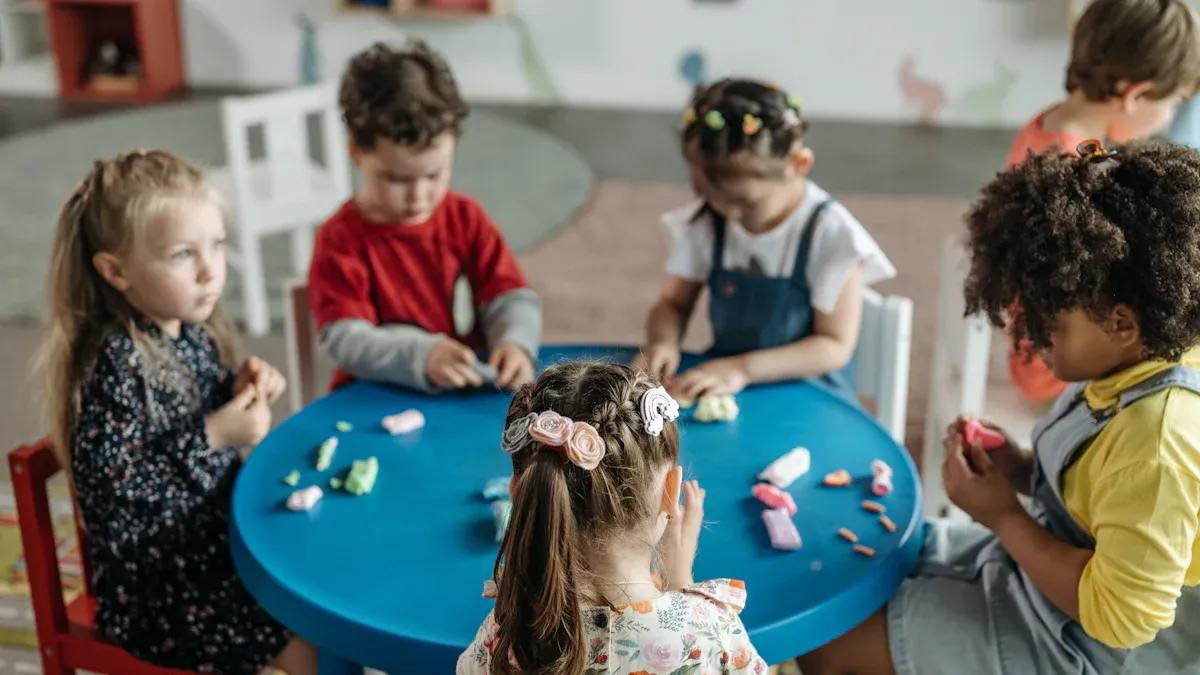
You can make diy playdough at home in just a few minutes. You probably have most of the ingredients in your kitchen. Homemade playdough is safe, affordable, and perfect for sensory play. Here’s a simple recipe you can try:
1/2 cup flour
1 teaspoon cream of tartar
1/4 cup salt
1.5 teaspoon canola oil
1 pack kool-aid or 4-5 drops of food coloring
Mix everything in a bowl until you get a smooth dough. If you want an edible version, use whipped frosting and powdered sugar. You can add food coloring or sprinkles for extra fun.
Let’s look at the cost difference:
Type | Cost per Batch |
|---|---|
Homemade Playdough | |
Store-bought | $1.00 |
You save money with diy playdough, and you get more for less.
Dough Sensory Motor Skills Activities
Playdough is more than just fun. You help your child build fine motor skills every time you play. Occupational therapists say dough activities boost hand strength, finger isolation, and pincer grasp. Here are some easy diy ideas:
Squeeze and roll playdough to make snakes or balls.
Poke playdough with each finger to work on finger isolation.
Use cookie cutters or plastic knives to cut shapes.
Hide beads or buttons in the dough and let your child find them.
Make playdough pancakes and stack them for balance practice.
Try crossing the midline by rolling dough with both hands.
Build towers or animals to encourage creativity.
These diy activities give your child proprioceptive feedback, which helps with coordination and precision. You can change the activities to fit your child’s age and needs.
Clean-Up And Storage
Playdough clean-up is easy if you plan ahead. Keep a damp cloth nearby to wipe hands and surfaces. Sweep up crumbs with a small brush. For storage, roll each color into a ball and wrap it in plastic wrap or put it in a ziplock bag. Store the wrapped playdough in the fridge. It stays fresh for months. Always remove the plastic wrap before play to avoid choking hazards.
Tip: If your playdough dries out, add a few drops of water and knead it back to life.
DIY playdough and dough sensory activities make learning fun and affordable. You can create new diy games every week and watch your child’s fine motor skills grow.
DIY Sensory Toys And Bottles
DIY Sensory Toys
You can make diy sensory toys with things you already have at home. You do not need to buy expensive gadgets. Egg cartons work well for sorting games and fine motor practice. Plastic cups make great stacking towers or sound shakers. Paper rolls spark creativity and help with grip strength. Cardboard boxes turn into tunnels, forts, or math games. Ice cube trays are perfect for freezing small toys or making color sorting activities.
Try these ideas for homemade sensory toys:
Fill plastic cups with rice or beans for shakers.
Cut egg cartons into pieces for sorting and matching.
Use paper rolls as tunnels for marbles or cars.
Stack cardboard boxes to build obstacle courses.
Freeze small toys in ice cube trays for a rescue game.
You can change each diy sensory toy to fit your child’s age. For toddlers, keep toys soft and simple. For preschoolers, add climbing or imaginative play. Older kids enjoy storytelling and group games. Teens might like fitness challenges or stress relief toys.
Sensory Bottles
Sensory bottles are easy to make and fun to use. You just need a clear plastic bottle, water, glitter, beads, or small toys. Fill the bottle, seal it tight, and let your child shake, roll, or watch the items move. Sensory bottles help kids calm down and focus. They support hand-eye coordination and fine motor skills. Children with sensory processing challenges often feel less overwhelmed when they use sensory bottles. These bottles also help with social skills, math, vocabulary, and science.
Tip: Always seal bottles with strong glue or tape to prevent spills.
Ways To Play
You can use diy sensory toys and homemade sensory toys in many ways. Try a sorting race with egg cartons. Make a sound guessing game with shakers. Build a marble run with paper rolls. Use sensory bottles for quiet time or to help your child relax. Change the activities to match your child’s needs. Younger kids need simple textures and soft grips. Older kids enjoy group play and creative setups.
Here’s a quick guide for adapting diy sensory toys:
Adaptation Ideas | |
|---|---|
Ages 1–2 | Soft textures, simple shapes, safe materials |
Ages 3–5 | Climbing, imaginative play, adjustable setups |
Ages 6–10 | Storytelling, social games, modular activities |
Ages 11 and Up | Fitness, stress relief, ongoing sensory input |
You can make diy sensory toys and homemade sensory toys for every age and ability. Just use what you have and let your child explore.
Obstacle Courses And Movement Sensory Activities
Indoor Obstacle Course
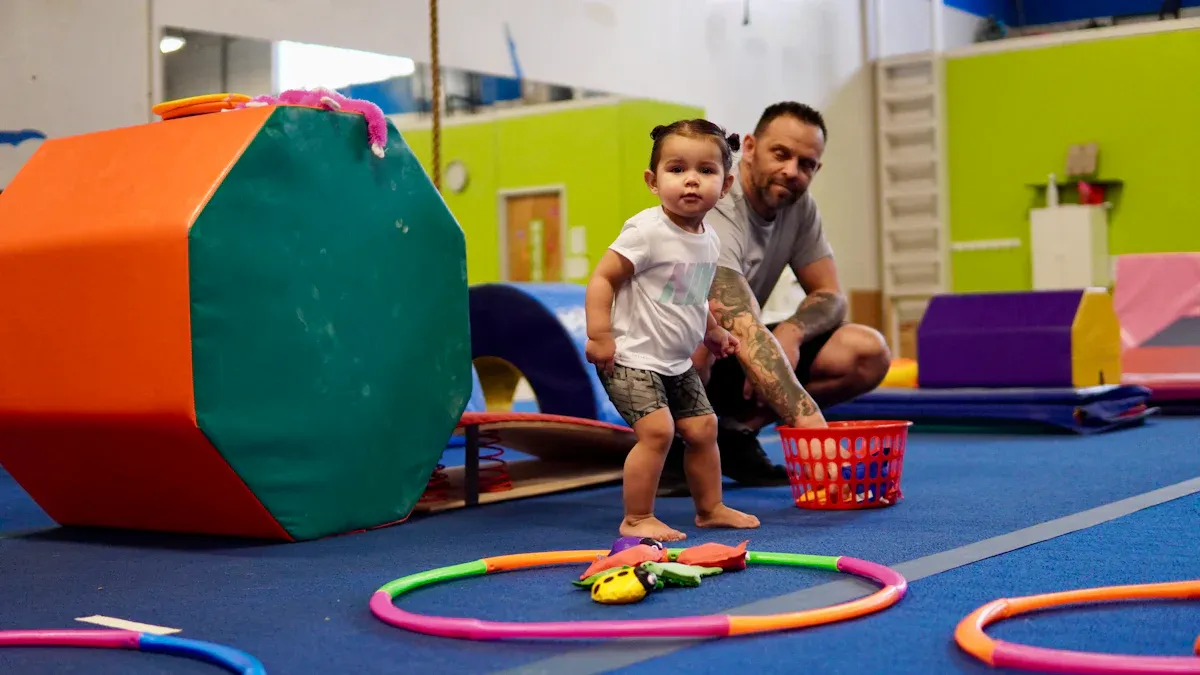
You can make your home into a fun playground. Use things like pillows, blankets, boxes, tape, chairs, stuffed animals, and laundry baskets. These items are good for climbing, crawling, balancing, and jumping. Here is a simple guide to help you set up your own course:
Household Item | Activity Type | Safety Tip |
|---|---|---|
Pillows & Cushions | Climbing, Jumping, Padding | Stack them low and make sure they are stable. |
Blankets & Sheets | Crawling (Tunnels), Dragging | Drape over sturdy furniture. Check for stability. |
Cardboard Boxes | Tunnels, Hurdles, Stacking | Tape sharp edges. Use large boxes for easy passage. |
Painter's Tape | Balancing (Beams), Mazes | Use on smooth floors. Easy to remove, no tripping. |
Chairs & Ottomans | Tunnels (Under), Climbing | Use sturdy, low furniture. Supervise closely. |
Stuffed Animals | Weaving, Throwing Targets | Use soft toys for safety. |
Laundry Baskets | Targets, "Boats" | Check for sturdy baskets with no sharp edges. |
Pick a spot in your living room or hallway. Put down tape or yarn for a starting line. Start with a silly move, like hopping or spinning. Mix big obstacles with small ones for more fun. Change the course to match what your child likes. Obstacle courses let kids play and learn at the same time. Your child can practice planning, moving, and balancing with each round.
Texture And Movement Exploration
Obstacle courses are great for adding texture and movement. Try a texture walk with towels, bubble wrap, slime, and soft mats. Let your child touch each surface with bare feet or hands. Slime feels squishy and painter’s tape makes a smooth line to walk on. These activities help your child’s brain grow and process new things. Texture and movement also help with feelings and thinking skills. You can play outside or inside to help your child’s sensory motor skills. Crawling through slime tunnels or jumping over pillows makes play exciting and helps your child learn.
Safety And Adaptations
Safety is important when you do movement sensory activities at home. Change the play if your child is sensitive to some things. Watch for signs like yawning or skin changes. Stop if your child feels scared. For kids with physical disabilities, make wide paths and use different heights for obstacles. Make special areas with different textures, like slime, for kids who need them. Mix physical, thinking, and sensory challenges so everyone can play. Use pictures and clear steps to help all kids join in. Add places to rest if kids need a break. You can change sensory motor skills activities so every child can play safely and have fun.
Tip: Pick no-mess sensory activities if you want easy clean-up. Slime, painter’s tape, and soft mats are good for hands-on play.
Obstacle courses and movement sensory activities at home help kids explore, play, and grow. You can make new adventures every week and see your child learn.
Benefits Of Sensory Motor Skills Activities
Physical And Motor Development
Sensory motor activities help your child get stronger. These activities also help your child move better. When you set up games with goals, your child can run and jump. Your child can squeeze things and try to balance. These actions make muscles stronger. They help your child move quickly and control their body. Research says preschool years are important for learning these skills. Kids who practice early can join sports more easily. They also stay active as they grow up. Doing movement activities often helps your child stay healthy. It also helps them do better in physical tasks. Adding sensory play to your daily routine gives your child a good start.
Sensory experiences help the brain make strong connections and support learning.
You can make safe places inside and outside for your child to move and explore.
Helping your child move and explore helps their gross motor skills get better.
Cognitive And Emotional Growth
Sensory motor play helps your child’s mind and feelings too. When your child moves and touches things, their brain makes new connections. Sensory play helps your child think better. Here is how sensory play helps your child’s brain:
Evidence Description | Key Findings |
|---|---|
Motor skills help kids pay attention and think creatively. | |
Environment and interactions | Busy places help kids learn by giving more ways to move. |
Brain pathways | Moving arms and legs together helps the brain grow and change. |
Physical activity | Moving the body helps the brain work better and do harder tasks. |
Sensory play also helps your child handle feelings. A good sensory routine helps your child feel calm and focused. Studies show meeting sensory needs helps kids feel stronger inside. Activities like DIR Floortime make movement safe and shared. This helps your child trust others and feel connected.
Planning sensory activities helps your child control their feelings.
Supporting your child’s feelings during play builds trust and confidence.
Social And Creative Skills
Sensory motor activities help your child make friends and be creative. Playing with others teaches your child to share and take turns. Your child learns to solve problems with other kids.
Sensory play helps your child talk and work with others.
Your child learns to care about others by changing how they play.
Group play helps kids make friends and show their feelings.
Sharing toys and space helps kids work together and control themselves.
Creative sensory play helps your child use their imagination. Making crafts and doing hands-on projects lets your child try new things. Your child learns to plan and make choices. These activities help your child think and solve problems.
Crafting helps your child pay attention and think better.
Trying new materials helps your child learn to solve problems.
Creative play lets your child invent and improve their ideas.
Sensory motor activities help your child learn, make friends, and be creative. You can help your child grow in every way with simple, fun routines.
You can make sensory motor activities at home with simple things. These activities help your child get stronger and think better. They also help your child feel more sure of themselves. Start with easy activities and change them for your child. Some kids do not like loud sounds, rough textures, or bright lights. Go slowly and watch if your child gets too excited or upset.
Remember: Plan your play and use pictures to help your child. Let everyone in the family join for safe and fun times. A little mess can help your child learn and grow!
Try making a sensory bin, playing a movement game, or using a sensory bottle. Every time you do these things, your child learns new skills and makes good memories.
FAQ
What are the best sensory motor activities for children at home?
You can make sensory bins with things you have. Obstacle courses are fun and easy to set up. Playdough games help kids use their hands. Water play is exciting for most children. Sorting games teach kids about colors and shapes. Texture walks let kids feel different surfaces. These activities help kids get stronger and move better. You can use items from your kitchen or living room.
How do sensory activities support toddler development?
Sensory play lets toddlers touch and hear new things. These activities help toddlers move and balance. Kids learn to solve problems by playing. They also learn to show how they feel. Each new activity helps toddlers feel braver and more sure of themselves.
Are sensory activities safe for toddlers and children with special needs?
Yes, you can make sensory play safe for everyone. Always watch children while they play. Use safe materials that do not have chemicals. Avoid small pieces that kids could swallow. Check for allergies before you start. Some kids need extra help to join in. You can change activities so all kids can play together.
Can I make diy sensory play recipes with everyday items?
Yes! You can use flour, rice, or beans for diy recipes. Kids like to mix and pour these things. Try making playdough or slime at home. These recipes are simple and safe to make. Kids enjoy helping you make sensory play items.
How do sensory art activities help children learn?
Sensory art lets kids use their hands and eyes. Kids paint, squish, and build with art supplies. These activities help kids share ideas and feelings. Kids learn about colors and shapes. Teamwork is part of sensory art play. Sensory art also helps kids get better at using their fingers and being creative.
Tip: Let kids choose how they want to play. You will see them get better and more confident every day!
See Also
Ways Sensory Toys Support Motor Skill Growth In Autistic Children
Innovative Ideas To Promote Learning Through Sensory Play Mats
Ten Engaging Sensory Activities For Preschool Learning Adventures
