Sensory motor skill secrets every parent should know
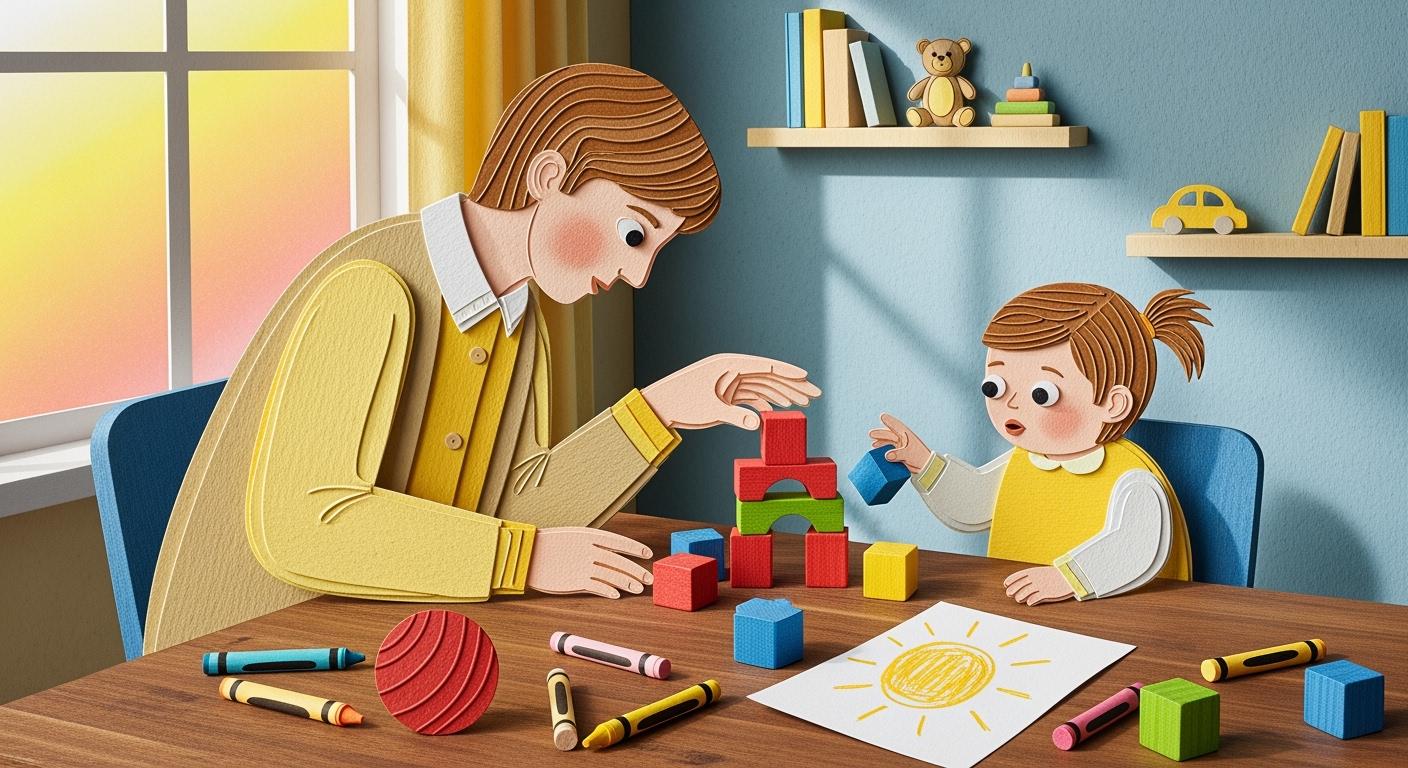
You can help your child’s sensory motor skill at home with easy routines. Many parents feel worried, but you do not need expensive tools or special lessons. Studies show that sensory play helps the brain grow. It also supports language, creativity, and problem-solving. Sensory play builds social skills and helps kids control their emotions.
Between 5% and 12% of kids in the U.S. have sensory processing challenges, which are linked to sensory motor skill challenges.
With some knowledge, you can really help your child grow.
Key Takeaways
Let your child play with different things at home. Try easy activities like baking, sorting, or playing outside. These activities help sensory motor skills grow. You do not need special tools for this.
Look for signs your child may need help. They might react strongly to certain textures or sounds. Helping early can make their skills better.
Make your home friendly for their senses. Use soft things, calming pictures, and neat spaces. This helps your child feel safe and pay attention.
Keep daily routines the same. This helps your child feel sure of themselves and control their feelings. Use checklists or pictures to help them do daily tasks.
Cheer for your child’s small wins. Praising them helps them want to keep trying. It also makes them feel good about themselves.
Sensory motor skill basics
What are sensory motor skills?
You may ask what sensory motor skill is. It is not just about moving your body. Sensory motor skill means using your senses and moving together. Pediatric occupational therapists say this process has five steps:
Sensory registration
Orientation
Interpretation
Organization of a response
Execution of a response
You use sensory skills to notice things like sounds or textures. Your brain thinks about what you sense. Then, you decide what to do and move your body. This helps you get better at coordination and hand-eye coordination. Sensory motor skill also includes self regulation, motor planning, attention, and being ready to learn. You use these skills when you tie shoes, color, or catch a ball.
Sensory motor skill links sensory development with movement. It is the base for gross motor skills and fine motor skills. Gross motor skills use big muscles for walking or jumping. Fine motor skills use small muscles for writing or cutting with scissors. Sensory motor skill connects these actions with what you sense, so you can have good hand-eye coordination.
Tip: Try a sensory diet at home. Add sensory activities to your daily routine. You can use playdough, colored ice cubes, or sorting games to help sensory skills.
Why they matter for children
Sensory motor skill shapes how kids learn and grow. You see milestones from when babies are born to early childhood. Here is a quick chart:
Age Range | |
|---|---|
0 to 6 months | Listens to voices, watches objects, reaches out, sucks and breathes together, sees colors and tastes. |
6 to 12 months | Tries new foods, copies gestures, sits up alone, grabs things, feels different textures. |
1 to 2 years | Walks, scribbles, copies sounds, chews food, knows objects. |
2 to 3 years | Kicks a ball, eats with a spoon, turns pages, jumps with both feet. |
3 to 4 years | Plays with others, names colors, strings things, dresses with help, feeds self. |
4 to 5 years | Names shapes, smells foods, controls emotions, follows rules, hops on one foot. |
Sensory motor skill helps kids get better at fine motor skills, language, and thinking. It helps them make friends and stay calm. You will see better hand-eye coordination and focus. Sensory motor skill helps kids do well in school and grow emotionally. When you help your child’s sensory development, you help them do better in life.
Signs children need support
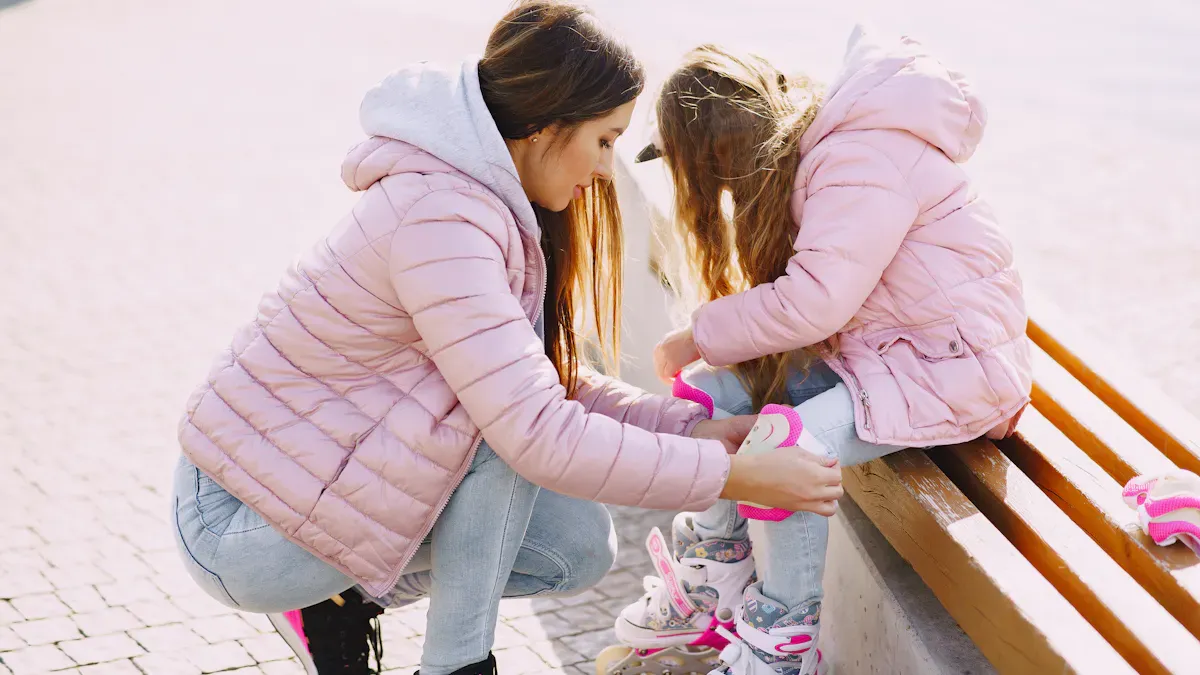
Common indicators
It can be hard to know if your child needs help with sensory motor skills. There are many signs you can see every day. Some kids react more than others to normal things. Your child might scream when water touches them or get upset while getting dressed. Some kids do not like certain clothes because they feel strange. Others feel pain easily or cannot stand loud sounds and bright lights.
Here are some signs you might notice:
Crying or yelling when clothes feel weird or when wet
Not wanting to wear some fabrics or tags
Covering ears or staying away from loud places
Being clumsy, like bumping into things or dropping stuff
Being scared of playgrounds or not liking to be touched
Wanting rough play or always touching different things
Chewing on clothes or flapping hands when excited or upset
Having big meltdowns in busy or noisy places
Teachers and caregivers may see these actions in groups. They might see a child cover their ears or hide when it is loud. Some kids move a lot or touch everything near them.
Behaviors Observed | Suggested Solutions | |
|---|---|---|
Over-responsiveness | Avoids touch, covers ears, hides | Calming activities, deep breathing |
Under-responsiveness | Seeks movement, touches everything | Fidget tools, sensory play |
When to take action
You should get help if these signs happen a lot or make daily life hard. If your child cannot follow movements, gets tired fast, or cannot sit up straight, it may be time to ask for help. Tripping often, being clumsy, or wearing the wrong clothes for the weather are also warning signs.
Getting help early is very important. If you see these signs, talk to your child’s doctor or a specialist. Early help makes kids feel safe and ready to learn. It also helps them grow well and feel good about themselves.
Motor skills activities at home

Everyday routines
You can help your child’s sensory motor skills at home. Simple routines make a big difference. Baking is a good way to start. Let your child stir batter or roll dough. Cutting shapes helps build hand strength. Sorting laundry or matching socks also helps. Organizing toys supports fine and gross motor skills. These activities help kids use both hands and move together.
Try adding texture play to your day. Give your child a basket with items like sponges, fabric scraps, or rubber balls. This helps them get used to new feelings. It also helps them try new foods and materials. Taste testing is fun too. Offer small bites of foods with different temperatures and flavors. This helps stop sensory overload and builds oral motor control.
You can use oral motor exercises at home. Blowing bubbles or sipping through straws helps mouth muscles. Chewing crunchy snacks also makes the mouth stronger. These activities help with speech and eating. Deep breathing and yoga poses help your child calm down. They also help your child notice their body. Naming feelings during routines builds self-awareness.
Tip: Make chores fun. Let your child help with projects like building a birdhouse or painting a flowerpot. These activities help the brain grow and support sensory motor skill development.
Play and games
Play is very important for learning. Both free play and planned games help sensory and motor skills. Free play with blocks or dolls lets your child explore and imagine. Games like Simon Says or musical chairs teach discipline and motor control.
Here’s a quick look at types of play and their benefits:
Type of Play | Benefits for Sensory Motor Skill Development |
|---|---|
Unstructured Free Play | Helps kids explore and imagine. |
Outdoor Play | Builds physical skills and gives sensory input. |
Creative Play | Includes drawing, painting, music, and acting. |
Targeted Developmental Tools | Focuses on speech and language skills. |
Try rhythmic games and movement songs to help coordination. Warm-ups with rhythm instruments like sticks or shakers help with visual-motor skills. Calming music during playtime helps kids feel better and move well.
Classic games like beading, scissor snipping, and sorting colored ice cubes build fine motor skills. Play-dough and putty activities like rolling, pinching, and squishing make hands stronger. Painting with brushes, sponges, or fingers lets your child explore color and texture while practicing control.
Note: Both free play and planned games matter. Free play builds creativity and confidence. Planned activities help with discipline and motor control.
Sensory play ideas
Sensory play is important for every child. It helps kids learn about the world and their bodies. You can make a sensory bin with rice, beans, or kinetic sand. Let your child dig, scoop, and pour. This builds fine motor skills and helps sensory processing.
Water play is fun and helpful. Fill a tub with water and add cups, spoons, or small toys. Splashing, pouring, and squeezing help hand strength and coordination. Try painting with water on the sidewalk or use colored ice cubes for a cool experience.
Play-dough and putty are great for sensory play. Let your child roll, flatten, and cut dough or putty. These activities make hand muscles stronger and improve manual dexterity. Try therapy putty for extra resistance or make your own dough at home. Painting with thick brushes or making shapes with putty adds more sensory input.
Some kids need calming sensory activities. Make a calm-down corner with soft pillows, sensory bottles, or wobble cushions. Heavy work activities like pushing a laundry basket or carrying books give deep pressure and help with regulation. Swinging, spinning, or jumping on a trampoline can calm or wake up your child.
Try this: Set up a painting station with finger paints, sponges, and brushes. Let your child mix colors and feel the paint. This helps with touch and creativity.
Outdoor activities
Outdoor play gives your child lots of sensory experiences. Nature has many ways to build sensory and motor skills. You can make a nature obstacle course with logs, stones, and ropes. Walking on uneven surfaces helps balance and posture. Jumping on a trampoline or swinging on a rope swing helps gross motor skills.
Nature walks are easy and helpful. Let your child walk barefoot on grass, sand, or a sensory path. This wakes up nerve fibers in the feet and helps memory. Kids who play barefoot outside have better thinking and spatial skills. Stacking stones, sorting leaves, or tracing body outlines with chalk build fine and gross motor skills.
Water play outside is always fun. Splash in puddles, pour water from buckets, or play with water balloons. These activities use the senses and build hand strength. Sandbox play helps with digging, scooping, and building. These are good for dexterity and sensory exploration.
Here’s a table showing how outdoor activities help sensory motor skills:
Activity | Skills Developed |
|---|---|
Barefoot Path | Touch, body awareness, working memory |
Obstacle Course | Balance, coordination, gross motor skills |
Nature Scavenger Hunt | Visual attention, fine motor skills |
Water Play | Hand strength, sensory processing |
Swinging | Vestibular input, emotional regulation |
Painting with Nature | Creativity, touch, fine motor skills |
Remember: Outdoor play helps your child feel calm and supports brain growth. The more sensory experiences your child has, the stronger their thinking and motor skills will be.
By adding these motor skills activities to your daily life, you help your child grow well. Play-dough, painting, and outdoor play are fun and help your child learn for life.
Supportive home environment
Setting up for success
You can make your home help your child grow strong sensory motor skills. Start by creating spaces that let your child move and explore. Sensory rooms are good because they have activities and equipment for both fine and gross motor skill development. You do not need a whole room. A corner with soft mats, balance balls, or swings can help a lot. Kids enjoy spaces with calming visuals and materials that feel nice to touch. Try using fidget toys, weighted blankets, or bins with textured objects. These tools help your child control emotions and stay focused.
The physical environment is very important. You should offer different play materials and themes. Keep some toys inside and others outside. Nature gives children many sensory experiences. Let your child play with sand, water, leaves, or rocks. Organize your space with storage bins so your child can find things easily. Less clutter means more space to move and play. If noise bothers your child, use soundproofing or white noise machines to make the space calm.
Tip: Make a sensory-friendly corner with soft lighting, pillows, and a basket of sensory tools. This gives your child a safe place to relax and recharge.
Encouraging routines
You help your child build skills by keeping routines steady. Regular routines give predictable sensory input. This helps your child handle sensitivities and feel safe. Consistent routines also help with emotional regulation and skill building. When you repeat tasks, your child gets more confident and learns new skills. Structured practice improves motor skills and helps your child join daily activities like self-care and schoolwork.
Try using a simple schedule with pictures or checklists. This makes routines easy to follow. Encourage your child to help with chores, like setting the table or sorting laundry. These tasks build independence and support development. Celebrate small wins to make your child feel proud.
Remember: Consistency matters. When you keep routines steady, your child feels safe and learns faster.
When to seek help
Red flags
You may wonder when you should ask for help. Some signs show your child needs extra support. Your child might react strongly to sounds, textures, or lights. Sometimes, kids look for sensory experiences in ways that seem rough or strange. They might not notice danger or respond to risky things. Delays in speech, movement, or learning can mean your child needs a checkup.
Watch for these red flags:
Very strong reactions to loud noises or rough fabrics
Not noticing or reacting to dangerous things
Delays in talking, moving, or reaching milestones
If you see these signs often, talk to your child’s doctor or a specialist. Occupational therapists can watch your child play and ask about their behavior at home and school. They look for patterns and decide if therapy is needed.
Note: About 6% of school-aged kids have motor difficulties. Getting help early can make daily life much easier.
Next steps
If you notice red flags, you do not have to feel alone. You can help your child by taking action. Occupational therapy is a good place to start. Therapists use play and family support to help kids build skills. They make plans that fit your child’s needs.
Here’s what you can do next:
Join occupational therapy for your child
Try home activities that build skills
Keep routines steady so your child feels safe
Stay in touch with therapists for advice and updates
Work with teachers to make learning spaces better
Research shows early help improves sensory motor skills and helps kids become more independent. Regular therapy sessions lead to better fine motor skills and more confidence in daily life.
Tip: Talking with therapists and teachers helps your child get the best support. Small changes at home and school can make a big difference.
You can boost your child’s sensory motor skills with simple steps. Try these actions today:
Watch how your children respond during play and routines.
Add sensory activities to daily life for steady development.
Celebrate small wins and keep routines consistent.
Reach out for help if you notice your kids struggle.
Every effort you make helps your child grow stronger and more confident. You have the power to support their journey.
FAQ
What are easy ways to support sensory motor skills at home?
You can use simple activities like baking, sorting, or playing outside. These help your kids build strong skills without special equipment. Try to make play part of your daily routine.
How do I know if my child needs extra help?
Watch for signs like clumsiness, strong reactions to sounds, or trouble with new textures. If you notice these often, talk to your doctor about your child’s development.
Can outdoor play really help with motor skills?
Yes! Outdoor play gives children chances to run, jump, and balance. These actions help build strong muscles and improve coordination.
Why is sensory play important for kids?
Sensory play lets kids explore the world through touch, sound, and movement. This helps their brains grow and supports learning in many areas.
When should I worry about my child’s development?
If your child misses milestones or struggles with daily tasks, reach out for advice. Early support can make a big difference in their growth.
See Also
Essential Insights on Sensory Toys for Kids This Year
Your Ultimate Resource for Montessori Motor Skills Toys
Innovative Ideas to Boost Learning Using Sensory Mats

