Sensory massage for autism made easy with simple steps
You might know someone who has autism. Autism affects millions of people around the world. Studies say autism spectrum disorder happens in about 1 out of 100 people. It is more common in richer countries. Many parents and caregivers see that sensory massage for autism helps kids feel better. It can also help them talk and share more. Researchers find good results, but experts want more studies. Making a warm and sensory-friendly place helps build trust. It also helps make good experiences.
Key Takeaways
Sensory massage can help kids with autism feel calm and safe.
Making a warm, sensory-friendly space helps build trust and comfort.
Using gentle touch and deep pressure can lower sensory overload.
Doing sessions often can help social skills and control emotions.
Change techniques to fit each child's own sensory needs.
What is sensory massage for autism?
Definition and purpose
You might ask what sensory massage for autism is. This method uses soft touch and gentle pressure. It helps people with autism spectrum disorder feel calm and safe. Sensory massage for autism works to improve how you handle touch and other feelings. Many experts believe this therapy helps with sensory processing disorder and sensory processing problems. You can use sensory massage for autism to help your body and mind.
Sensory massage for autism has a few main goals:
It helps you deal with sensory inputs better.
It lowers anxiety and helps you relax.
It supports positive touch and builds social skills.
Sensory massage for autism does more than make you feel good. Parents and caregivers often see children talk more and interact better after sessions. New studies show sensory massage for autism can make life better. You may find it easier to connect with others and share your feelings.
Who can benefit
Sensory massage for autism can help lots of people. You may benefit if you have trouble with touch or knowing where your body is. Some children feel stressed by touch, while others hardly notice it. Sensory massage for autism can help both types. You may also want strong movement or pressure. This therapy helps if you have emotional problems from sensory overload.
Here are some groups who may benefit from sensory massage for autism:
Children who feel touch is too much or hurts
Children who do not notice touch or body position
Children who want strong movement or pressure
Children who have trouble with body awareness and coordination
Children who have emotional problems from sensory overload
You can use sensory massage for autism to help with sensory processing and emotions. Many families say their children feel happier and calmer after sessions. You may find sensory massage for autism helps you build trust and enjoy good experiences.
Benefits of sensory massage for autism
Emotional and behavioral support
Sensory massage for autism can bring many good changes. Children often feel better and act better after massage. You can see these changes in everyday life.
Children talk more with others.
Social time feels easier and more fun.
Anxiety goes down, so joining groups is easier.
Sensory processing gets better, so touch and sound are easier.
Hyperactivity and self-stimulatory behaviors go down, which helps focus.
Sensory massage helps children trust others and feel safe. This support can really help their feelings and mood.
Supporting emotional regulation
Helping children control their emotions is important. Sensory massage works by using deep pressure on the skin. This tells the brain that things are safe. Children who do not like touch often relax after massage. Massage therapy lowers anxiety and helps children feel calm. These steps are important for emotional control.
You can make a safe place and use calming ways during massage. This helps children deal with too much sensory input. Massage therapy helps children process sensory information better. You help children learn social skills and connect with others. These skills are important for controlling emotions and daily life.
Reducing sensory overload
Sensory overload makes life hard for children with autism. Sensory massage can help lower sensory overload. Gentle touch and deep pressure calm the nervous system. Children feel less bothered by sounds, lights, or touch. You may see fewer meltdowns and more calm times. Sensory massage gives children ways to handle sensory overload and feel more in control.
Tip: Watch for what causes sensory overload. Use massage often to stop stress before it starts.
Preparation
Create a calm environment
Begin by making a safe place for sensory massage. Pick a quiet room with soft lights. Warm lights and natural colors help calm people. Take away clutter and keep things simple. Play soft music or nature sounds to help relax. You can use lavender oil in a diffuser to lower stress and help mood. Many children with autism feel better in places they know. You build trust by using routines and a special play area. A calm space helps stop sensory overload and helps self-control. You can add things like weighted blankets or soft pillows. These items help with sensory needs and make play more fun.
Tip: Try mindfulness, like slow deep breaths, before you start. This helps everyone relax and get ready for sensory time.
Gather materials
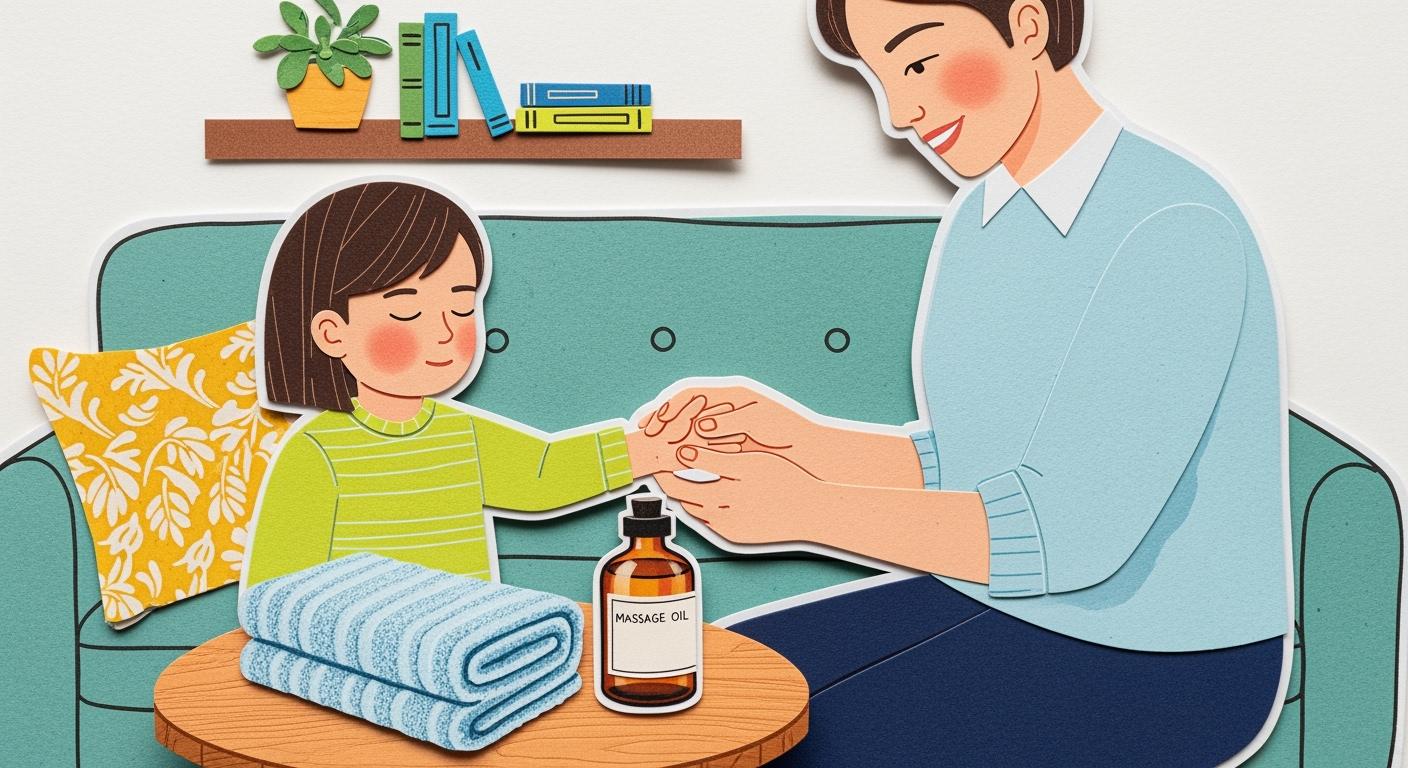
Collect things you need for sensory massage and activities. Pick items that fit the child’s likes and needs. Soft towels, massage oils, and weighted blankets are good choices. You can also use things like textured balls or fidget toys. Occupational therapy uses these items for sensory play and activities. Make sure everything is safe and clean. Check for sharp edges or strong smells to keep the space safe. Routines help children know what will happen during sensory play.
Know sensory preferences
Learn about the child’s sensory likes before you begin. Talk to caregivers to find out what causes sensory overload. Some children like deep pressure, others like gentle touch. You can use routines and mindfulness to help children feel safe. Watch how children react and change things if needed. Occupational therapy says to talk openly and keep routines the same. Build a play space that fits the child’s needs. Playing helps children try new sensory things in a safe place.
Note: Knowing what a child likes and dislikes makes sensory massage work better. You help with feelings and lower sensory overload.
Sensory massage steps

Communicate and gain consent
You need to talk with the child before you start. Use simple words or pictures to explain what you will do. Ask if the child feels ready for therapy. You can use a favorite toy or a short story to help the child understand. Always wait for a clear sign that the child agrees. If the child says no or looks upset, stop and try again later. Respect helps build trust and makes therapy safe.
Tip: Use a visual schedule or a timer to show how long the session will last. This helps the child feel in control and lowers sensory overload.
Choose massage techniques
Pick the right therapy methods for the child. You can use gentle touch, deep pressure techniques, or soft vibration. Some children like Qigong Sensory Treatment. This therapy uses slow, gentle moves that help with sensory processing. Other children enjoy massage and vibration. These tools help the body feel calm and ready for play. Try different therapy methods to see what works best.
Qigong Sensory Treatment uses gentle, slow strokes.
Massage and vibration tools help regulate the sensory system.
Deep pressure techniques give steady, firm touch to arms, legs, or back.
Ask the child or caregiver what feels good. Change your therapy style if the child looks uncomfortable. You want the child to enjoy play and feel safe.
Start with gentle touch
Begin with a light touch on the arms or back. Use slow, steady moves. Watch how the child reacts. If the child smiles or relaxes, you can keep going. If the child pulls away or looks tense, stop and try a different therapy method. You can use deep pressure techniques if the child likes strong touch. Always start soft and build up slowly.
Note: Gentle touch helps the child get used to therapy. It also helps lower sensory overload and makes play more fun.
Observe and adjust
Watch the child closely during therapy. Look for signs like smiling, talking, or joining in play. These signs show the child feels good. If the child looks upset, stops play, or covers their ears, you may need to change your therapy method. You can use a chart to track what works and what does not. Review your notes often. This helps you adjust therapy to fit the child’s needs.
Monitor how the child reacts to touch and play.
Change your therapy style if the child feels sensory overload.
Check your notes to see what helps with self-regulation.
Consistent checks make sure therapy stays helpful. You can help the child feel safe and happy during play.
Finish and provide comfort
End the session with a calm activity. You can use a soft blanket, a favorite toy, or a quiet song. Tell the child the session is over. Give praise for trying new things in therapy. Let the child rest or play quietly. This helps the child feel safe and ready for the next session. You can talk with the caregiver about what worked well.
Tip: Use a goodbye routine, like a wave or a special word. This helps the child know therapy is done and lowers sensory overload.
You can make sensory massage easy and fun. Use clear steps, watch the child’s needs, and always focus on safety and comfort. With practice, you will see more smiles, better play, and less sensory overload.
Effective calming strategies for children with autism
Integrating sensory massage
Sensory massage is a great way to help children with autism calm down. Adding sensory massage to your daily routine helps your child feel safe. It also helps them relax. Many families see that having a plan works best. You can change activities to fit your child’s sensory needs. This helps your child control their feelings and emotions.
Make sure the room feels comfortable. Use soft lights and keep the room warm or cool.
Play quiet music or nature sounds to help your child relax.
Use scents like lavender or chamomile to make the space calm.
You can work with therapists and teachers to use sensory massage every day. Working together helps your child talk more and build social skills. Using calming strategies often helps your child deal with sensory overload. It also helps them become more independent.
Other calming techniques
There are many other ways to help children with autism calm down. These methods help children handle sensory overload and process feelings. You can use them with sensory massage or by themselves.
Make a calm corner with sensory toys like stress balls or fidget spinners.
Give your child weighted blankets, compression vests, or body socks.
Give deep hugs or gentle squeezes to help your child feel safe.
Try slow rocking or gentle swinging in a sensory hammock.
Practice yoga or easy breathing exercises together.
Use noise-canceling headphones or play soft music for comfort.
Create a cozy spot with dim lights or a sensory tent.
Use aromatherapy with lavender to help your child relax.
You can mix and match these calming strategies for children with autism. Every child is different. You may need to try new ideas to see what works best. Using these strategies helps your child control their feelings and lowers stress from sensory overload.
Tips for success
Adapting to individual needs
Every child with autism is unique. You need to adjust your approach to fit each child’s needs. Here are some ways you can make sensory massage work better for your child:
Create a safe and comfortable space. Remove distractions and use soft lighting to help your child relax.
Use different massage techniques. Some children like gentle touch, while others prefer deep pressure. Try both and see what your child enjoys.
Communicate clearly. Use simple words or pictures to explain what you will do. This helps your child feel safe and builds trust.
Add sensory elements. Play soft music, use gentle lights, or add pleasant scents to make the experience more enjoyable.
Keep a routine. Doing massage at the same time each day helps your child know what to expect.
Respect your child’s boundaries. If your child does not like a certain touch, change your method. You can use tools like brushes or rollers if your child prefers them.
Include massage in daily routines, like before bedtime. This can help with self-regulation and make your child feel calm.
Tip: Watch how your child reacts during massage. Change your technique if your child seems uncomfortable.
Troubleshooting challenges
You may face some challenges when you start sensory massage. Here are common problems and ways to solve them:
It can be hard to know your child’s sensory needs. Every child has different sensory processing. Try different methods and keep notes on what works best.
Some therapies have mixed results. You may need to try several techniques before you find the right one.
Each child needs a plan that fits their own needs. Make changes based on your child’s reactions.
High-intensity sessions can help, but always combine them with personal strategies for your child.
Note: If your child gets upset or refuses massage, stop and try again later. Always put your child’s comfort first.
Safety precautions
Do's and don'ts
You want to make sensory massage safe and comfortable for children with autism. Here are some important do's and don'ts:
Respect the child's personal boundaries. Never force touch if the child does not like it.
Start with gentle pressure and keep sessions short. This helps prevent overstimulation.
Watch how the child reacts to different types of touch. Some children prefer firm pressure, while others like a light touch.
Avoid massaging areas that are injured or inflamed. Check the skin before you begin.
Use soft materials like plush cushions and padded flooring. These help prevent injuries during massage.
Choose furniture with rounded edges. This reduces the risk of accidents in the sensory room.
Keep pathways wide and clear. This makes it easy for children to move, especially if they use mobility aids.
Follow advice from occupational therapists when you can. They can help you choose the best techniques.
Use routines that feel familiar and predictable. This helps children feel safe and supports self-regulation.
Tip: Always ask the child or caregiver about any health concerns before you start.
When to stop or seek help
You need to know when to pause or get help during sensory massage. Watch for these signs:
The child looks upset, cries, or tries to move away.
The child shows pain, discomfort, or sudden changes in breathing.
You see redness, swelling, or any injury on the skin.
The child has a medical condition that gets worse during massage.
The child refuses touch or says "no" in any way.
If you notice any of these signs, stop the massage right away. Talk to a healthcare provider or occupational therapist if you have questions or concerns. You can keep children safe by staying alert and listening to their needs.
Note: Safety always comes first. When in doubt, ask for help from a professional.
You can really help with sensory massage for autism. Studies show this therapy helps you know your body better. It also helps you move and control your body. Sensory massage makes touch feel less stressful. It helps you stay calm and in control. You can also trust others more and learn social skills. When you use these easy steps, your child can feel happier and more sure of themselves every day.
Less stress from touch
Learning to stay calm
Gaining trust and social skills
FAQ
What is the best time to give a sensory massage?
You can give a sensory massage when your child feels calm or before bedtime. Many parents find that a regular time each day helps children relax and feel safe.
How long should a sensory massage session last?
Most sessions last 10 to 20 minutes. You can start with shorter times and increase as your child gets used to the massage. Watch for signs of comfort or discomfort.
Can sensory massage help with self-regulation?
Yes, sensory massage can support self-regulation. It helps your child manage emotions and reactions. You may notice fewer meltdowns and more calm moments after regular sessions.
Do I need special training to give a sensory massage?
You do not need special training to start. You can learn simple techniques from therapists or online guides. Always watch your child’s reactions and adjust your approach as needed.
See Also
Autism Sensory Toys Transform Playtime Into A Calm Experience
Affordable Ways To Create A Sensory Room For Autism
Effective Therapies To Address Sensory Challenges In Autism

