Sensory Integration Therapy and the Newest Approaches for Children
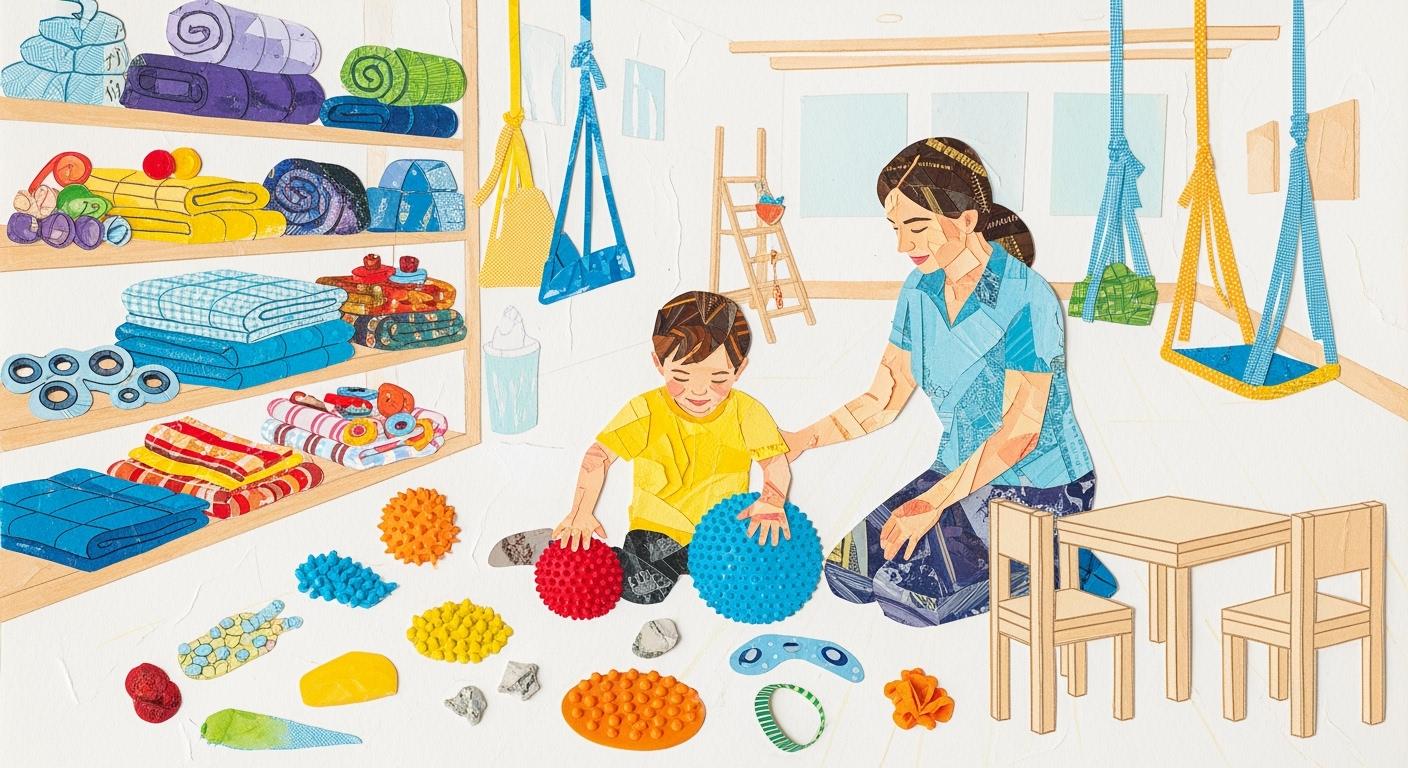
Sensory integration therapy helps your child’s brain make sense of sensory information. This information comes from the world around them. When you help with sensory needs, you help your child learn better. You also help them behave better and grow emotionally. Many children need sensory-friendly strategies. Studies show that sensory processing challenges are common in kids:
Region | Prevalence Rate |
|---|---|
General | |
Europe | 15.9% |
USA | 5% |
This approach gives your child tools for daily life. It also helps them connect with other people.
Key Takeaways
Sensory integration therapy helps kids handle sensory information. It can make learning and behavior better.
Activities like sensory bins and obstacle courses help kids feel different things. Deep pressure techniques can help kids manage their feelings.
Parents are important. They watch how their child reacts to sensory things. They use strategies at home to help with therapy.
Therapists change their methods for each child. They use fun ways to help kids with sensory processing.
Starting therapy early helps kids control their emotions. It helps them connect with others and feel good overall.
Sensory Integration Therapy Basics

What Is Sensory Integration Therapy?
Sensory integration therapy helps your brain sort out sensory information. It helps you react better to things you see, hear, or touch. This therapy also helps with movement and other senses. The main goal is to help your brain handle sensory input. This makes learning, behavior, and daily life easier.
You do activities that use your senses and muscles. These activities are planned and safe. Some examples are:
Sensory Bins – You dig in rice, beans, or sand to find toys.
Obstacle Courses – You crawl, jump, and balance through fun courses.
Swings & Rocking Chairs – Swinging gently can help you feel calm.
Play Dough & Putty – Squeezing and rolling helps your hands learn new textures.
Water Play – Pouring and splashing water can help you relax.
Heavy Work – Carrying or pushing things gives your muscles feedback.
Deep Pressure – Weighted blankets or hugs can help you feel safe.
Music Time – Listening to music or dancing helps you know your body.
Bubble Play – Blowing bubbles helps you control your breath and watch movement.
Nature Walks – Collecting leaves and hearing birds gives you a break.
Therapists let you pick activities you like. You go at your own speed. A therapist helps you and makes sure activities feel just right. This helps you get better at things like writing or getting dressed.
Who Benefits from SIT?
You might wonder who needs sensory integration therapy the most. Kids with sensory processing disorder often need this help. Many kids with autism or other neurodivergent conditions also benefit. This therapy helps if you have trouble with some sensations. It also helps if you want more sensory input.
Group of Children | Description of Therapy Benefits |
|---|---|
Over-Responsive Children | Slowly try new feelings in a safe place to help with touch problems. |
Under-Responsive Children | Do strong movement activities to help notice sensory input. |
Sensory Seekers | Learn safe ways to get sensory needs met with planned activities. |
Occupational therapists do not diagnose sensory processing disorder. They can check your needs and help doctors or mental health workers decide. If you avoid certain clothes or messy play, you may be over-responsive to touch. If you bump into things a lot, you may be under-responsive to movement. Sensory seekers may spin, jump, or rock to get the feeling they want.
Common Sensory Processing Challenges
Sensory processing challenges can make daily life hard. You might have trouble focusing in class because of bright lights or loud sounds. It can be hard to organize your work or follow directions. Being around other kids might feel too much, so you may skip playdates or group games. This can make you feel lonely or sad.
Here are some common sensory processing challenges:
Type of Sensory Challenge | Description |
|---|---|
Auditory Sensitivity | Soft sounds can seem very loud and make noisy places hard. |
Visual Sensitivity | Bright lights or busy patterns can hurt your eyes. |
Tactile Sensitivity | Some fabrics or touches can feel really bad, so you avoid them. |
Olfactory Sensitivity | Strong smells can bother you and make you stay away from places. |
Gustatory Sensitivity | Some food tastes or textures can make eating hard. |
Proprioceptive Seeking | You may want deep pressure to feel good. |
You may find that sensory integration activities help you with these problems. Many kids with autism or other neurodivergent conditions have sensory challenges. Sensory integration therapy gives you ways to handle these things. It helps you at home, in school, and in your community.
How Sensory Integration Therapy Works
Core Principles and Methods
You can learn about sensory integration therapy by looking at its main ideas. These ideas help therapists support children with sensory challenges. The table below lists the most important points:
Principle | Description |
|---|---|
Brain Processing | Your brain needs to handle sensory information to learn and behave well. |
Individualized Interventions | Therapists make plans that fit your needs. |
Neuroscience Foundation | Therapy uses science about the brain, especially for sensory processing disorders. |
Brain Plasticity | Your brain can build new pathways when you try new sensory activities. |
Therapists use fun, structured activities to help you process sensory input. You might start with textures you enjoy and slowly try new ones. If you avoid touch, you begin with safe materials and then try harder ones. For children who are under-responsive, therapists use strong movement activities. You may jump, bounce, or push heavy things to help your brain stay alert. If you seek sensory input, therapists show you safe ways to meet your needs. For example, you can use a trampoline instead of jumping off furniture.
Tip: Play-based therapy makes learning fun and helps you feel safe when trying new sensations.
Role of Therapists and Parents
Therapists and parents both help with sensory integration therapy. Occupational therapists plan activities that match your needs. They help you practice processing sensory information through playful experiences. You might swing, bounce, or play with different textures. These activities help your brain learn to manage sensory signals. You may feel less anxious and more focused.
Parents learn to notice sensory patterns in your behavior. They use strategies at home to support you. Parents help you regulate your body throughout the day. When parents and therapists work together, you get more practice and support. The table below explains these roles:
Role | Description |
|---|---|
Occupational Therapists | Create sensory activities for your needs. Guide you through playful experiences. |
Parents | Notice your sensory patterns. Use strategies at home to help you. |
Collaboration | Working together helps you make progress and keeps you regulated outside therapy sessions. |
Parents often feel more confident when they learn about sensory needs.
When therapists ask parents to practice at home, you get more chances to improve.
Making therapy fit your family's routine helps everyone feel more involved.
Note: Parent involvement means you practice more often and with more effort, which leads to better results.
Impact on Focus and Behavior
Sensory integration therapy helps you control your focus and energy. You may find it easier to sit still, pay attention, and join activities. Children with autism and adhd often have trouble with sensory input. Therapy helps you manage these challenges and improves your daily life.
A 2019 review found that sensory integration therapy helped children with autism reach their goals.
Many parents see their children become happier and more involved after therapy.
You may join class activities more and feel comfortable with friends.
Children with adhd often learn better body awareness and self-control.
Emotional control gets better, so meltdowns happen less often.
You can notice changes in daily activities. You may get dressed, eat meals, and go to school with less stress. Social engagement increases because you feel more comfortable. You learn new behaviors that help you be more independent.
Callout: Sensory integration therapy supports learning and behavior by improving self-control and participation.
Addressing Sensory Processing Challenges
Identifying Sensory Issues
You can notice sensory problems by watching your child every day. Some children cry a lot or have trouble eating. They might pull away when you try to hold them. Your child may not like certain textures or have trouble getting dressed. Some kids cover their ears even when it is not loud. Others do not want to wear some clothes. Tantrums and picky eating that last longer than usual can be signs. You might also see your child struggle with changes in routine.
Age Group | |
|---|---|
Infants | Crying a lot, Trouble eating, Pulling away from hugs, Not liking some textures, Trouble sleeping |
Toddlers/Older | Trouble getting dressed, Not liking some textures, Lots of tantrums, Strong reactions to hair washing, Not wanting messy play, Weak fine motor skills, Wanting strong movement, Picky eating, Trouble with changes |
These signs can help you decide if your child needs a therapist. Finding these problems early helps children with autism and other neurodivergent needs get help sooner.
Managing Hyper- and Hypostimulation
Kids with sensory problems can feel too much or too little. Hyperstimulation means your child feels overwhelmed by sounds, sights, or touch. Hypostimulation means your child needs more sensory input to feel interested. You can help with different ideas:
Give hyposensitive kids bright, textured toys and let them move around.
Use deep pressure, like big hugs or weighted blankets, to calm hypersensitive kids.
Slowly add new sensory things to help your child get used to them.
Change your home by making quiet spots, using soft clothes, dimming lights, and turning down noise.
Therapists make plans that fit your child’s needs. Your child may swing, spin, touch different things, or do balance games. These ideas help kids with autism and other sensory problems feel better.
Integrating ABA with SIT
Using Applied Behavior Analysis with sensory integration therapy gives more support. Sensory integration therapy helps your child feel more calm and ready. This makes it easier for your child to join in behavior therapy. You may see your child stay in sessions longer and follow directions better. Kids learn new things faster when their sensory needs are met. Using both therapies together helps children with sensory problems do better.
Tip: Ask your therapist about using both ABA and sensory integration therapy for your child.
New Trends in Sensory Integration Therapy
Updated Techniques and Tools
You can use new tools in sensory integration therapy. Therapists use swings, climbing structures, trampolines, weighted items, and textured surfaces. These tools help you stay interested and focused. Each activity has a goal. For example, swinging helps you feel calm. Jumping on a trampoline helps you stay awake and alert. Therapists pick activities that are not too easy or too hard. This is called a "just right challenge." You practice handling bright lights and loud noises. These new methods help you do well in sensory-friendly classrooms and everyday life.
Special equipment makes sensory activities fun and interesting.
Activities fit your needs and help you process sensory input.
Sensory-friendly classrooms use these tools to help you focus.
You learn to deal with strong sights and sounds and improve social skills.
Technology and Digital Solutions
Technology is now important in sensory integration therapy. You can use apps and digital tools to track your progress. These tools help you record meltdowns, triggers, and ways to cope. You can also keep track of how you talk and interact with others. Many programs let you make a sensory-friendly profile. This helps your team share plans and routines at home and school. Technology helps sensory-friendly classrooms by making it easier to change strategies for each child.
Track behavior changes over time.
Record social and communication progress.
Make sensory-friendly profiles that fit your needs.
Share routines with teachers and therapists.
Recent Research and Evidence
Recent studies show that evidence-based methods help children reach their goals. Researchers found that sensory integration therapy helps kids control their feelings, join daily activities, and connect with others. Children show better skills and less anxiety. Some studies report better mood and sleep. Families notice progress in important areas. Not all research agrees. Some reviews find strong proof that sit works, while others see less change in behavior.
Key Finding | Description |
|---|---|
Self-regulation abilities | Helps children keep the right energy level all day. |
Participation in daily activities | Supports children in tasks like getting dressed, eating, and going to school. |
Social engagement | Makes children feel comfortable and helps them interact with friends. |
Adaptive behaviors | Builds skills needed to be independent in different places. |
Reduced anxiety | Therapy helps lower anxiety in children. |
Improved mood | Therapy has a positive effect on children's mood. |
Enhanced sleep patterns | Therapy is linked to better sleep quality. |
Individualized goal achievement | A review showed big improvements in areas families care about most. |
You can see that sensory-friendly classrooms and evidence-based methods are changing how therapy works.
Practical Tips and Resources
Finding Qualified Therapists
You want your child to get the best help. Look for an occupational therapist who knows about sensory integration therapy. Ask if they have special training and use sensory-friendly ideas. Check if the therapist has a license and works with kids who have sensory processing challenges. Many therapists let you meet them first to talk about your child. Bring questions about how they make sessions sensory-friendly. You can also ask other parents or your child’s doctor for names.
Tip: A good therapist listens to you and explains each part of therapy.
Home Activities for Families
You can do easy sensory-friendly activities at home. Make a calm corner with soft pillows and gentle lights. Use play dough, water tables, or bins with rice for fun. Go on nature walks and collect leaves or rocks. Play music and dance together. Let your child help carry groceries or push a laundry basket. These activities let your child try new sensations in a safe way. You can change your home by using noise-canceling headphones or dimming bright lights.
Activity | How It Helps |
|---|---|
Calm corner | Gives a break from too much input |
Nature walk | Offers new sights and sounds |
Play dough | Builds hand strength and focus |
Carrying groceries | Provides deep pressure and movement |
Helpful Organizations and Links
You can get help and information from trusted groups. These organizations give tips, resources, and advice for families who want to know more about sensory integration therapy and sensory-friendly places:
Sensory Integration Global Network
These groups share news about new research and connect you with other families. You can find ideas for sensory-friendly classrooms and activities. Many groups also list therapists and support groups near you.
Note: Staying in touch with these groups helps you learn the newest sensory-friendly ideas for your child.
You now know how sensory integration therapy helps kids with sensory problems. Getting help early brings good results:
Kids can control their feelings better and have fewer meltdowns.
They get better at talking and playing with friends.
They do more things by themselves each day.
They pay attention more in school and do better work.
They feel less worried, are happier, and sleep better.
It is important to find therapists who know about this therapy and learn about new ideas. Getting help early lets your child do well at home, in school, and with others.
FAQ
How long does sensory integration therapy take to show results?
You may see small changes in a few weeks. Most children need several months for bigger progress. Every child learns at a different pace. Your therapist will track your child’s growth and adjust the plan as needed.
Can you do sensory integration activities at home?
Yes! You can set up a calm corner, use play dough, or go on nature walks.
Tip: Ask your therapist for safe, fun ideas that fit your child’s needs.
Is sensory integration therapy only for children with autism?
No. Children with ADHD, anxiety, or sensory processing disorder also benefit.
Many kids who struggle with sounds, touch, or movement can improve with this therapy.
What should you look for in a sensory integration therapist?
You should find a licensed occupational therapist with special training in sensory integration.
Look for someone who listens to you and explains each step clearly.
See Also
Evaluating Different Therapies for Sensory Processing Challenges
The Importance of Sensory Tents for Children’s Needs
Essential Insights on Sensory Processing for Autism Support
Exploring Effective Therapies for Autism Sensory Challenges
Understanding Sensory Interactive Tools for Special Education Benefits
