Sensory integration made simple with calming room tools

Sensory integration helps your brain sort and react to things you sense. Many people have trouble with sensory processing. About 1 in 6 children face these challenges. Sometimes, sensory integration feels hard or too much. Simple calming room tools can help a lot. These tools make safe spaces. They lower stress and help sensory integration.
Tool Feature | Benefit | Sensory Integration Impact |
|---|---|---|
Adjustable lighting | Makes things less overwhelming and lifts mood | Helps sensory integration work better |
Calming zones | Gives safe spots when things feel too much | Helps sensory integration happen well |
Smart lighting technologies | Less flicker and more comfort | Keeps sensory integration steady |
You can use simple equipment at home or school. Sensory integration gets easier with the right calming tools for you.
Key Takeaways
Sensory integration tools help make safe spaces. These spaces lower stress and help people focus better. Weighted blankets and lap pads give deep pressure input. This helps calm anxiety and helps people sleep better. Sensory swings help with balance and coordination. They make changes easier and help lower anxiety. Bubble tubes and fiber optic lights give calming visual stimulation. This helps people focus and stay interested. Cleaning and checking sensory equipment often keeps the space safe and useful for everyone.
Essential Sensory Room Equipment
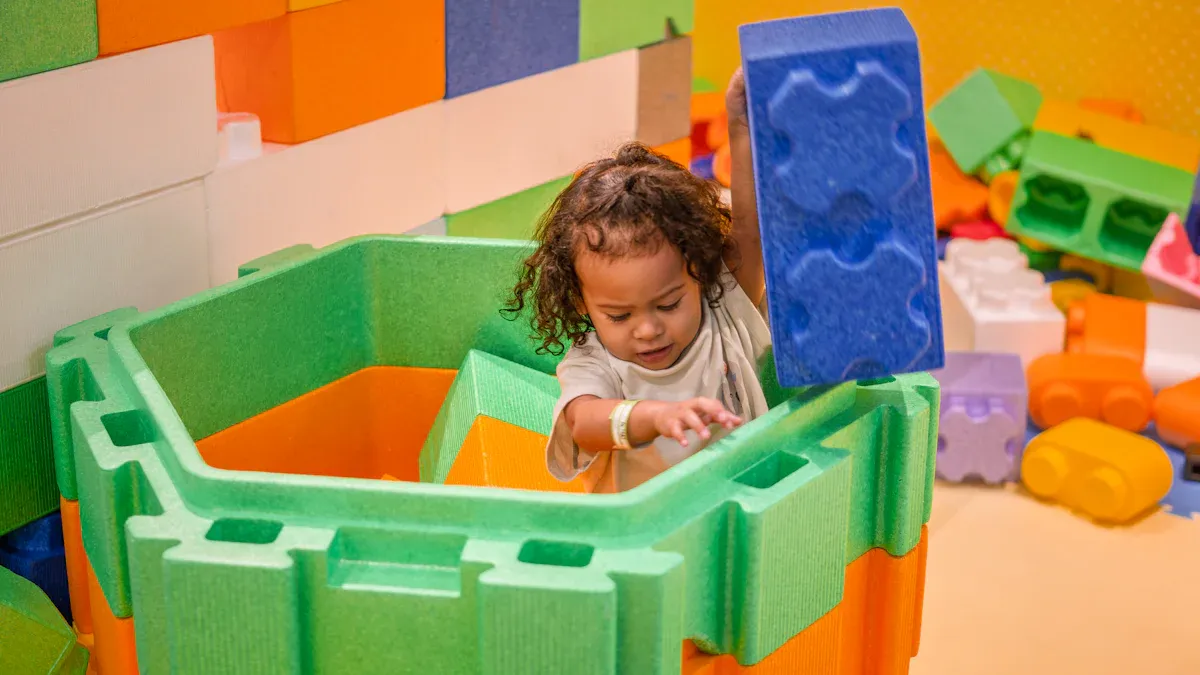
Picking the right sensory equipment is the first step. You can make a sensory room that helps you stay calm and focused. Sensory room essentials help with touch, sight, sound, movement, and body awareness. Below are descriptions of sensory room accessories and multi-sensory space apparatus. These items make sensory stimulation devices work well for everyone.
Weighted Blankets & Lap Pads
Weighted blankets and lap pads give deep pressure input. This equipment helps you feel safe and calm. Many people feel less tense and worried when using weighted blankets. Studies show weighted blankets help you sleep better and feel less anxious. They also help you fall asleep faster. Lap pads can be used during activities to help you focus and feel good. Weighted blankets are used in sensory integration rooms because they support proprioceptive input and emotional regulation.
Tip: Try a small weighted lap pad first if you want to test sensory room essentials before buying a full blanket.
Sensory Swings
Sensory swings give vestibular input. This means they help your body sense movement and balance. You can use a platform swing, hammock, or spinning chair to help you focus. Sensory swings help you get ready for activities. They also help with transitions and lower anxiety. Sensory swings reduce unsafe sensory-seeking behaviors. They increase body awareness and postural control. Adding sensory swings to your sensory room gives you a place for calming or alerting activities.
Sensory swings help you:
Improve balance and coordination
Boost attention and emotional regulation
Join in with friends and classroom activities
Bubble Tubes & Fiber Optic Lights
Bubble tubes and fiber optic lights are visual sensory stimulation devices. Slow bubbles and changing colors help you feel calm. These accessories help you focus, pay attention, and track things with your eyes. Fiber optic lights mix touch and sight for soothing experiences. Bubble tubes make gentle sounds and encourage interaction. Fiber optic lights lower stress and anxiety. They are important equipment for sensory integration rooms.
Equipment Type | Benefit Description |
|---|---|
Bubble Tubes | Helps you focus and pay attention |
Makes gentle sounds | |
Encourages engagement and communication | |
Fiber Optic Lights | Lets you touch strands |
Shows colorful, soothing lights | |
Combines touch and sight for calming effects |

Crash Mats & Ball Pits
Crash mats and ball pits give deep pressure and proprioceptive input. You can jump, dive, or crash onto soft pads to help your body feel steady and calm. These toys help control sensory responses and calm overactive systems. Crash mats and ball pits boost body awareness. This is important for emotional regulation and focus. You can use crash mats in games or different positions to help sensory integration.
Activities with crash mats and ball pits:
Give deep pressure input
Help control sensory responses
Boost body awareness
Balance Boards & Sensory Bins
Balance boards and sensory bins help you build motor skills and explore textures. Balance boards improve coordination and strengthen big muscles. Sensory bins offer tactile play. This helps with fine motor skills like tying shoes and writing. These essentials help with gross motor skills, such as crawling and jumping. Sensory bins let you try different textures. This supports sensory integration and learning.
Sensory play with bins and boards:
Builds fine and gross motor skills
Improves coordination
Supports tactile exploration
Tactile Panels & Chewables
Tactile panels and chewables help with oral and touch sensory needs. Tactile panels have different surfaces for touch. They help improve fine motor skills. Chewables are safe for chewing. They help you manage sensory input and feel less anxious. Sensory chew toys meet the need to chew. They help you focus and stay calm during tasks. These accessories help with learning and emotional regulation.
Note: Chewables are great for kids who need oral sensory input to concentrate.
Sound Machines & Noise-Canceling Headphones
Sound machines and noise-canceling headphones help with hearing regulation. You can use white noise machines, Bluetooth speakers, or musical instruments to make a calm sound environment. Earmuffs help autistic children reach hearing goals. Noise-canceling headphones may not help as much with hearing participation. Sound machines block distracting noises and help you focus. These devices are important for making a quiet sensory space.
Auditory sensory equipment:
Cuts distractions
Helps you focus and stay calm
Manages sensory overload
Aromatherapy Diffusers
Aromatherapy diffusers use essential oils to boost mood and help sensory processing. Lavender oil can lower anxiety by 32%. It also lowers heart rate and blood pressure. Bergamot and ylang-ylang cut depressive symptoms by 26%. Personalized scents help emotional balance. Scented rooms boost emotional engagement. Aromatherapy diffusers are multi-sensory space apparatus. They help make a calming sensory room.
Study Focus | Result | Description |
|---|---|---|
Lavender essential oil | 32% less anxiety | Lowered anxiety in patients waiting for minor surgery. Also lowered heart rate and blood pressure. |
Bergamot and ylang-ylang | 26% less depression | Daily aromatherapy in elderly care improved mood. It helped most in people with mild cognitive decline. |
Personalized fragrances | 19% better emotional balance | Biometric feedback helped users control emotions with custom scents. |
Scent-enhanced VR | 34% better emotional engagement | Adding smells to VR boosted emotional engagement. It helped most in mindfulness activities. |
You can find sensory equipment for sensory integration rooms at specialty stores like Enabling Devices, National Autism Resources, Southpaw Enterprises, Fun and Function, TFH Special Needs Toys, School Specialty, and eSpecial Needs. Sensory room accessories and toys work differently for kids and adults. You should pick items based on age and needs. Sensory room essentials help you make a space for self-regulation, stimulation, and better focus.
Choosing Sensory Equipment
Assessing Sensory Needs
Start by figuring out your sensory needs before picking equipment. Everyone reacts to touch, sound, light, and movement in their own way. Some people get overwhelmed by certain things. Others want more sensory input. You can follow a simple process to help you decide:
Step | Description |
|---|---|
1 | Find out what the user likes and dislikes. Notice what makes them feel good or bad. |
2 | Pick activities and tools that match the user’s age and interests. Think about what they need most. |
3 | Change the sensory room to fit the person. Watch how they react to different things. |
Think about these important things when you pick equipment:
Factor | Description |
|---|---|
Sensory Preferences | Figure out if the child is very sensitive or not sensitive to some things. |
Age Appropriateness | Make sure toys are right for the child’s age and skills. |
Safety | Pick toys that are safe, strong, and made from good materials. |
Variety | Choose toys that use different senses like sight, touch, and hearing. |
Engagement | Look for toys that make kids want to play and explore. |
Tip: Pay attention to how you or your child act with different items. Change what you use as you learn what works best.
Matching Tools to Room Size
The size and shape of your sensory room are important. You need enough space to move and play safely. Here are some tips for picking tools for your room:
Leave space between things so you can move around easily.
Make sure you have outlets for things like bubble tubes or fiber optic lights.
Use curtains or dividers to make small spaces for quiet time.
Pick plain mats or carpets to keep the room calm.
Put things that get hot in places with good air flow.
A neat sensory room helps you feel safe and happy. You can make small cozy spots for resting or big open spaces for active play.
Safety & Ease of Use
Safety is the most important thing in your sensory room. Check that all equipment is safe and right for the user’s age and skills. Follow these safety rules:
Take out anything dangerous from the sensory room.
Always watch children, especially if they have special needs.
Clean equipment often to stop germs from spreading.
Check weight limits and make sure things are steady.
Teach everyone how to use the equipment the right way.
Note: Keeping your sensory room clean and safe helps everyone use it better.
Picking the right sensory room equipment means thinking about your needs, your space, and safety. If you plan well, you can make a sensory room that helps you stay calm, focus, and grow.
Setting Up Your Sensory Room

Arrangement Guide
You can make a sensory room calm and helpful by following easy steps. First, pick a quiet spot where not many people walk by. Make sure there is enough space between each piece of equipment. This helps everyone move around safely. Put popular things like bubble tubes and boards for touch, sound, and light where you can reach them easily. Use soft rugs and curtains to soak up sound and stop echoes. Pick gentle colors like light blue or green to keep the room from feeling too busy. Place equipment close to outlets so you do not need lots of extension cords. This keeps the room neat.
Equipment | Popularity | Sensory Characteristics |
|---|---|---|
Bubble Tube | High | Strong auditory and visual stimulation |
Touch, Sound, Light Board | High | Strong auditory and visual stimulation |
Tactile Board | Low | Less stimulating, needs active use |
Fibre Optics | Low | Less stimulating, no electronic sound |
Tip: Change the lights slowly when you switch activities. This makes it easier to get used to new things and stay relaxed.
Creating Activity Zones
Split your sensory room into different areas for different activities. This helps you meet many sensory needs. For example, make a quiet area with bean bags and soft lights for relaxing. Make an active area with a trampoline, scooter board, or exercise ball for moving around. Add a tactile area with sensory bins and panels for hands-on fun. You can also have a vestibular area with a swing or a place to tap balloons.
Ideas for each area:
Quiet Area: Use headphones, soft chairs, and dim lights.
Active Area: Try jumping on a trampoline or riding a scooter board.
Tactile Area: Play with sensory bins or tactile boards.
Vestibular Area: Swing or tap balloons to help with balance.
Note: Do not put too many active things in the room at once. Use the space carefully so no one feels overwhelmed.
Accessibility & Safety
Make sure your sensory room is safe and simple for everyone to use. Fasten heavy things so they do not fall. Stay away from sharp edges. Use lights you can change, like dimmers or blackout curtains, to control how bright it is. Add things that soak up sound to keep the room quiet. Give easy seating like bean bags or chairs you can adjust. Keep the room clean and free of clutter so you can move easily. Always ask the person who will use the room what they want. This makes sure the room fits their needs and likes.
Safety checklist:
Make sure all equipment is safe.
Take out sharp or dangerous things.
Clean and check equipment often.
Start with a few main items and add more later.
A good sensory room helps you feel calm and comfortable. Planning well helps you make a space that is both relaxing and fun.
Maintaining Sensory Integration Tools
Cleaning & Care
You need to keep sensory room equipment clean to protect everyone’s health. Messes happen often, especially when children use the room. Clean up spills or messes right away. Keep sanitizing wipes nearby so you can clean items that touch mouths. During cold and flu season, wipe down equipment after each use or use a sanitizing spray. If you cannot clean something right away, leave a note so others know it needs attention. Regular cleaning stops germs from spreading and keeps the room safe.
Clean up messes immediately.
Keep sanitizing wipes accessible.
Wipe down items after each use during cold and flu season.
Leave a note if you cannot clean right away.
Tip: Make cleaning part of your daily routine. This helps everyone stay healthy.
Safety Checks
You must check sensory equipment often to make sure it works safely. Look for broken parts, loose screws, or worn-out surfaces. Test swings, mats, and boards to see if they hold weight and stay steady. Remove anything that looks unsafe. Teach everyone how to use the equipment correctly. Safety checks help prevent accidents and keep the room comfortable.
Challenge | Solution |
|---|---|
Hygiene | Use wipeable surfaces and set regular cleaning schedules. |
Budget Constraints | Plan for equipment replacement with an annual budget. |
Staff Training | Train staff to maintain and use equipment properly. |
Note: Write down your safety checks in a log. This helps you remember what you checked and when.
Keeping Tools Effective
You want sensory tools to work well every day. Replace worn-out items like chewables or mats when they show signs of damage. Set a schedule for checking and cleaning each tool. Train staff or helpers so they know how to care for the equipment. Plan your budget so you can buy new items when needed. Keeping tools effective means you support sensory integration and help everyone feel calm and safe.
Tip: Review your equipment list every month. This helps you spot problems early and keep your sensory room in top shape.
You can make a big difference with a sensory room at home or school. Even a few self-regulation tools, like weighted blankets or swings, can lower stress and help you focus. Many people feel calmer and more ready to learn after using a sensory room. These spaces support sensory development, improve social skills, and help you practice self-control. Start small and watch how sensory development grows with each new tool you add.
FAQ
What is a sensory room?
A sensory room is a special space with tools and equipment that help you manage sensory input. You can use it to relax, focus, or calm down when you feel overwhelmed.
Who can benefit from sensory room tools?
You can benefit from sensory room tools if you have sensory processing challenges, autism, ADHD, or anxiety. These tools help you feel safe and comfortable.
How do I choose the right sensory equipment?
Start by watching how you react to touch, sound, and movement. Pick tools that match your needs and interests. Ask a therapist or teacher for advice if you need help.
How much space do I need for a sensory room?
You do not need a large room. You can set up a sensory corner in a small area. Make sure you have enough space to move safely and use the equipment.
Can I make a sensory room on a budget?
Yes! You can use simple items like:
Pillows
Blankets
String lights
Homemade sensory bins
You do not need expensive tools to create a calming space.
See Also
Designing A Calming Multi Sensory Room: Essential Tips
Creating A Soothing Environment Using Sensory Room Lighting
Essential Elements Of Effective Sensory Rooms For ASD
