What Sensory Integration Means for Motor Skills in Children
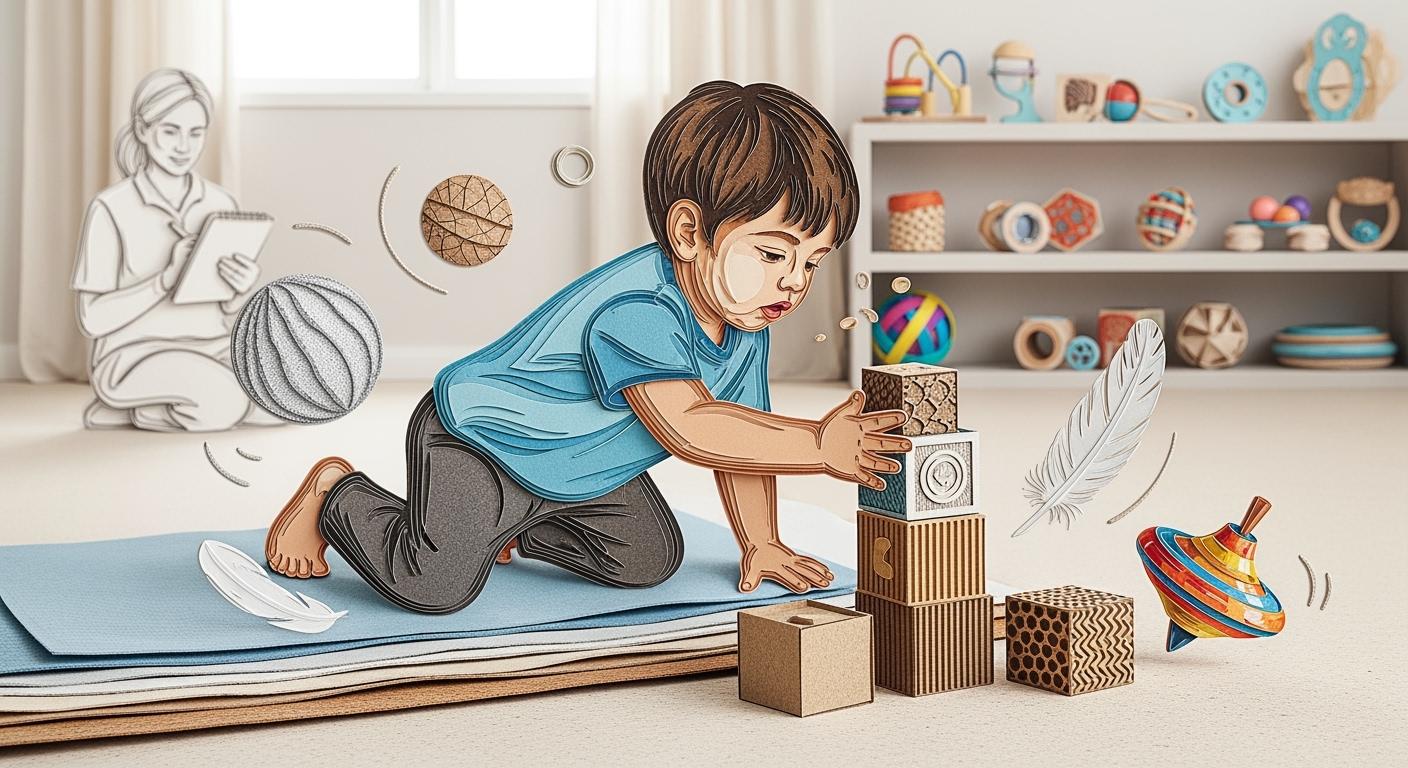
Have you ever thought about why your child has trouble with balance or coordination when playing? Sensory integration motor development is important for how kids move, explore, and learn. Studies show sensory integration problems happen in 5% to 16.5% of kids. These problems affect up to 90% of children with neurodevelopmental conditions like autism. You may see these effects in everyday things, like writing or playing. Look at the table below to see examples:
Skill Developed | Description |
|---|---|
Encourages hand-eye coordination | Helps motor skills by reaching and grabbing things |
Supports emotional regulation | Calming textures help kids control their feelings |
Builds confidence with new experiences | Trying new textures helps kids feel comfortable with new things |
You can help your child grow by watching what they need. If needed, you can think about sensory integration therapy.
Key Takeaways
Sensory integration is important for motor skills in kids. It helps them balance and move their bodies well.
Doing sensory play, like jumping or climbing, makes brain connections stronger. This also helps kids get better at moving their bodies.
Knowing your child's sensory needs can help them feel calm. It can also make them feel more confident when doing things.
Making sensory-friendly spaces at home helps your child focus. It also helps them deal with stress.
Early help and occupational therapy can make motor skills better. These can also help your child do daily tasks more easily.
Sensory Integration Motor Connection
How Sensory Integration Affects Movement
You use your senses to learn about the world. Your brain gets information from your eyes, ears, skin, and muscles. This is called sensory integration motor connection. It helps you move, keep your balance, and react to things around you. When your brain sorts out sensory input well, you can run, jump, and play easily.
Sensory integration theory tells us how the brain sorts sensory information. This is very important for motor skill growth.
Studies show that sensory-integrative activities can help your balance and coordination. They also improve your motor skills.
Sensory play, like jumping or climbing, makes your brain more active. This builds strong connections for movement.
Early childhood is a key time for sensory experiences. These experiences help make strong brain pathways for motor and thinking skills.
Kids with sensory processing challenges might avoid some activities. They may also look for strong sensations, like spinning or jumping, to feel steady.
If you see your child avoids hugs or loud places, or wants lots of movement, these could be signs of sensory processing differences. Children with Sensory Processing Disorder often have trouble with coordination and motor skills. They might feel stressed by too much sensory input or want stronger sensations.
Here is a table that shows how sensory integration motor processes work in the brain:
Aspect of Evidence | Description |
|---|---|
Neural Pathway Formation | Sensory experiences build brain connections for learning and movement. |
Sensory Integration | The brain sorts and understands sensory information for good responses. |
Critical Periods | Early years are important for sensory experiences and lasting motor skills. |
Synaptic Pruning | The brain keeps strong pathways and removes weak ones through experience. |
Fine Motor Development | Sensory activities help hands get stronger and better at writing. |
Pre-Writing Skills | Hand-eye coordination and pressure control grow with sensory activities. |
Emotional Regulation and Motor Skills
Sensory integration motor development affects more than movement. It also helps you handle your feelings and reactions. When your senses work together, you can stay calm and pay attention. If your senses get too much input, you may feel stressed or worried.
Sensory processing problems can cause strong feelings that affect how you feel.
Kids may feel stress, frustration, or worry when they have sensory challenges.
These problems can make it hard to focus or join group activities.
Knowing your child’s sensory needs helps you support their self-control.
Sensory spaces, like quiet corners or rooms with soft lights, help kids handle emotions and stress.
Self-regulation is important for managing thoughts, feelings, and actions. If your child reacts too much or too little to sensory input, they may have trouble with daily tasks. Being too sensitive or not sensitive enough to sensory information can make it hard to do things at school, play, or home.
You can help by watching for signs of sensory overload or avoidance. Give your child sensory-friendly spaces and activities. This will help them grow stronger in both motor skills and emotions.
Key Components of Sensory Integration
Main Senses and Their Roles
You use your senses to learn and move every day. Sensory integration helps your brain sort information from your body and the world. This is important for how you grow and move. The main senses that help you develop are:
Touch: You feel things like rough, smooth, hot, or cold. This helps you hold objects and find out about new things.
Sight: Your eyes help you follow moving things and see how far away they are. This helps you move your body the right way.
Hearing: You listen for sounds that tell you what to do. You might hear someone talk or hear a loud noise and know to move.
Smell: You notice smells that can make you feel calm or alert. This changes how you react to things.
Movement (vestibular sense): You feel motion and balance. This helps you run, jump, and climb without falling.
Jumping, climbing, and other sensory play wake up these senses. These activities help you get better at small and big movements. They also help your brain grow and help you handle feelings and talk to others. Proprioception is also very important. This sense lets you know where your arms and legs are even if you do not look. It helps you balance and move well when you play. Your proprioceptive system helps you know how hard to push or pull. This helps you write or catch a ball the right way. This skill is needed for growing up and doing things every day.
Adaptive Responses in Daily Life
You show adaptive responses when you react to sensory input in helpful ways. These responses mean your sensory integration is working well and help you grow. Here are some examples:
Rocking in a chair or swinging can help you feel calm and steady.
Wearing a weighted vest gives your body deep pressure. This can help you pay attention.
Playing in water, like swimming or splashing, gives your body gentle feelings.
Movement games help you try new skills and get used to new feelings.
Pushing chairs or carrying books gives your muscles strong input.
Chewing crunchy snacks or using chewy tubes helps you with mouth needs.
Some kids with sensory integration challenges act differently. They may not want to do some things, want to move a lot, or have trouble moving their bodies. You can help by watching how they react and giving them activities that fit their needs. When you know what your child likes, you can help them feel good and try new things.
Gross Motor Skills and Sensory Input
Coordination and Balance
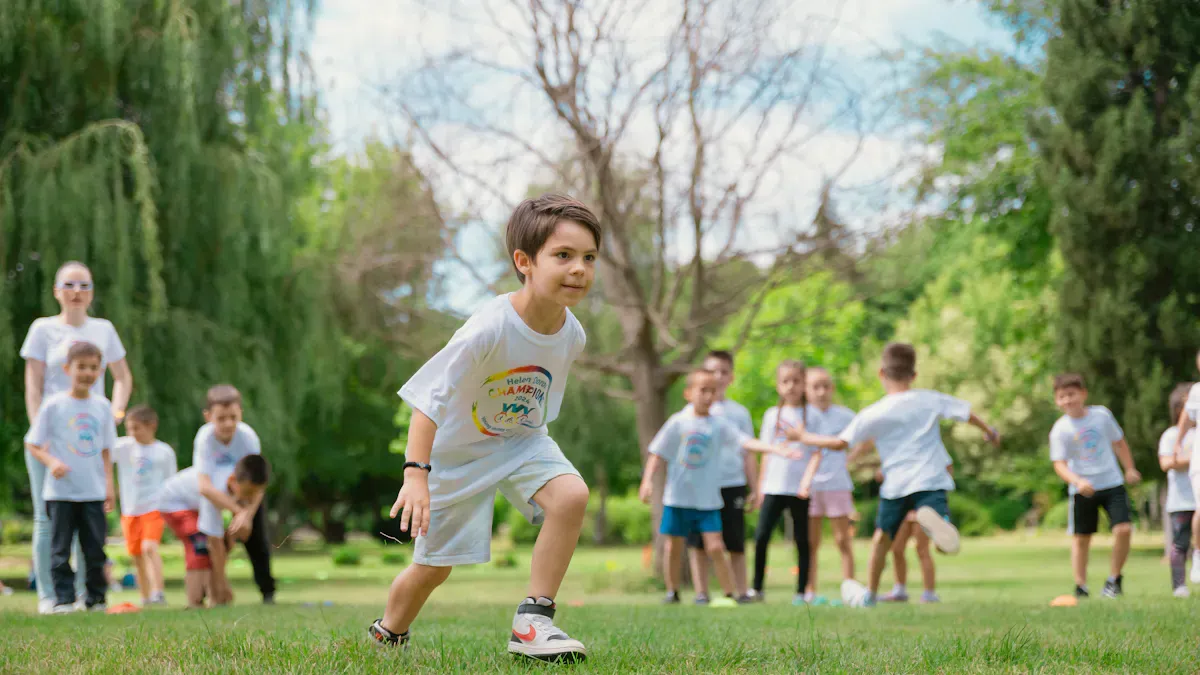
You use gross motor skills when you run, jump, or climb. These skills depend on how your brain uses sensory input. Your brain gets information from your eyes, skin, and inner ear. This helps you move and stay steady. Vision helps you see how far to jump or hop. The vestibular system in your ear keeps you balanced. It also helps you know where your body is in space. Proprioception lets you feel your arms and legs without looking.
Sensory integration is needed for movement and coordination.
The brain uses sensory information from sight, touch, and the vestibular system.
Vision helps you see how far to jump.
The vestibular system helps you stay balanced.
Proprioception lets you know where your arms and legs are.
When you play games like crawling, climbing, or balancing, you build gross motor skills. Activities like swinging, spinning, and sliding wake up your vestibular system. These movements help you control your posture and balance. If your vestibular system is weak, you might feel clumsy. You may have trouble walking or balancing. The vestibular system takes up to seven years to grow fully. You need lots of practice with big movements.
Proprioceptive activities like pushing, pulling, or carrying heavy things help your body know where it is. These activities help you get better at balance, coordination, and planning movements. Cross-lateral moves, like touching your right hand to your left knee, help your brain and body work together. This is important for hard gross motor skills.
Tip: Try a crawling course or water play to help your gross motor skills and balance.
Confidence in Movement
When you get better at gross motor skills, you feel more confident moving. Kids who do sensory integration activities often want to join games and sports. You might feel happier and want to try new things. When you spend more time in sensory-rich activities, your confidence grows.
Kids who did not want to join activities start to feel braver.
Some kids feel happy about joining in and feel they can do it.
More time in sensory integration groups helps kids join in learning and movement.
You can build gross motor skills with fun activities. Here are some examples:
Activity | Description | Developmental Benefits |
|---|---|---|
Tummy Time | Laying on your stomach to make your neck, shoulder, and core muscles stronger. | Helps you control your head and build upper body strength. |
Crawling Course | Moving through obstacles to use big movements. | Builds strength, coordination, and helps you know where you are. |
Water Play | Playing in shallow water to move your body. | Makes your legs stronger and helps with sensory integration. |
Climbing | Using safe things to climb and explore. | Builds strength, balance, and helps you solve problems. |
Ball Play | Rolling, kicking, or throwing a ball. | Helps your foot-eye coordination and leg strength. |
You feel proud as you learn new gross motor skills. Each skill makes you ready for more challenges. When you support your sensory needs, you help yourself move and learn better.
Impact of Sensory Processing on Motor Skills
Signs of Sensory Integration Challenges
You might see sensory processing affects your child every day. Some kids react a lot to sounds, textures, or lights. Others may not notice things around them or want strong feelings. These differences can change how your child moves or plays. Early signs are covering ears, avoiding some clothes, or wanting to spin and touch things. Some kids line up toys or focus on one thing for a long time. Many like routines and get upset when things change.
The table below lists common signs that sensory integration challenges can have on motor skills:
Type of Response | Signs Affecting Motor Skills |
|---|---|
Over-Responsiveness | Avoids some textures, reacts a lot to touch, dislikes certain clothes, covers ears to loud sounds, gets distracted by bright lights, refuses foods because of texture or smell. |
Under-Responsiveness | Wants strong touch, seems clumsy, does not answer when called, needs extra reminders for visual cues. |
Sensory-Seeking Behaviours | Touches things or people a lot, stands too close to others, chews on things, moves a lot even when sitting. |
Emotional or Behavioural Signs | Has trouble switching activities, gets frustrated easily, looks tired after busy times, avoids group activities. |
Academic Impact | Has trouble focusing because of sensory distractions, struggles with small hand tasks, finds it hard to follow steps. |
Tip: Notice if your child changes how they move or join group activities. These changes can show how sensory processing affects motor skill growth.
When to Seek Support
You should get help if sensory processing makes daily life hard for your child. Watch for these signs:
Sensory problems make eating, sleeping, or being with others hard.
Your child has big reactions to sounds or textures, like meltdowns.
Safety is a problem because your child does not know where their body is.
Your child stays away from others in busy places.
Normal activities cause big fights or stress.
If you see these signs, talk to a doctor or occupational therapist. Getting help early can make motor skills stronger and help your child feel better each day.
Supporting Sensory Integration Motor Development
Home Strategies for Sensory and Motor Skills
You can help your child’s sensory and motor skills at home. Many fun activities help kids get better at gross and fine motor skills. These activities also make sensory play enjoyable and useful. Try these ideas to help your child grow and feel confident:
Move often during the day. Ask your child to do things that use big muscles. Sports, dancing, and chores help with balance and coordination. These activities also help with crossing the midline, which is good for both gross and fine motor skills.
Give your child a reason to move. Let them help with chores or join a team. Doing things with a purpose builds confidence and good habits.
Use sensory tools to help your child stay calm and focused. Give them fidget toys or let them take movement breaks. These things help with sensory regulation and attention.
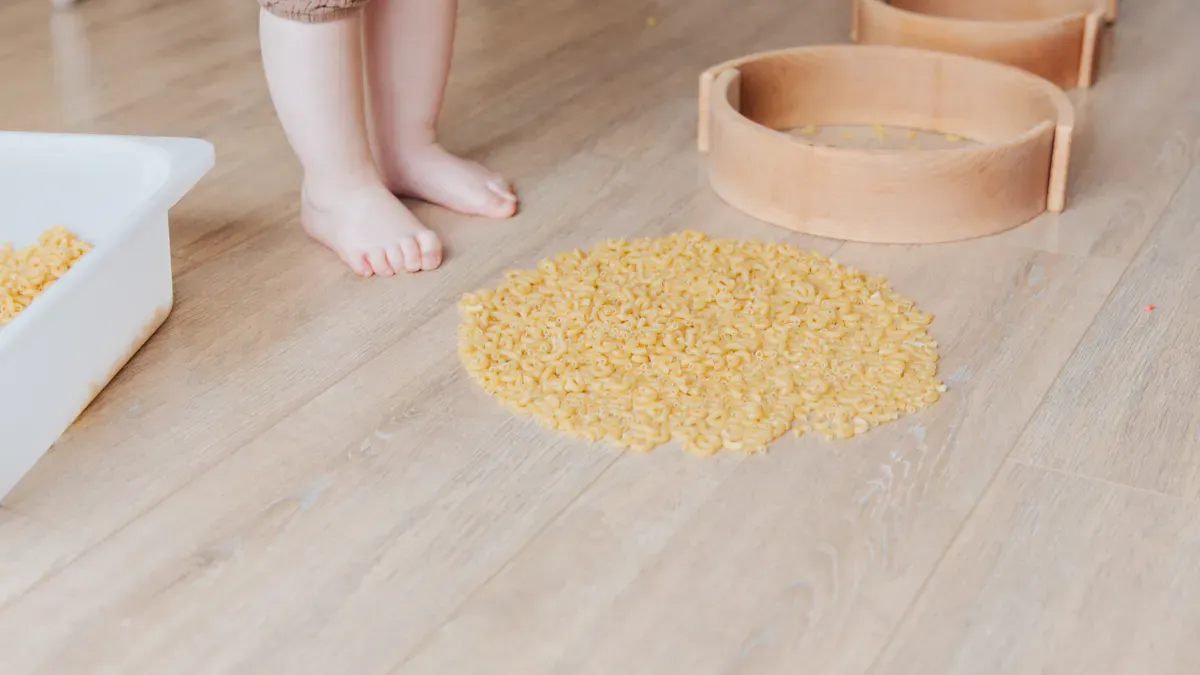
Make a sensory bin. Put rice, beans, or sand in a shallow box. Let your child touch and play by scooping, pouring, and grabbing. This helps fine motor skills and gives good sensory input.
Try messy play. Use finger paint, play-doh, or shaving cream. Messy play gives your child tactile feedback. It helps with fine motor problems and lets them be creative.
Play “feely bags.” Fill bags with things that feel different. Ask your child to guess what they feel. This game helps with sensory awareness and fine motor skills.
Do animal walks. Ask your child to move like a bear, crab, or frog. These moves build core strength and coordination.
Add pushing and pulling. Let your child push a laundry basket or pull a wagon. These tasks help both gross and fine motor skills.
Make a safe place for jumping and crashing. Use cushions or mats for jumping games. These activities give deep sensory input and help with self-regulation.
Tip: Try to add sensory play to your daily routine. Short and frequent activities are best for building fine motor skills and helping with sensory processing.
Occupational Therapy and Daily Functioning
Occupational therapy helps kids with sensory and motor challenges. Therapists use proven activities to help with sensory processing, fine motor skills, and daily life. You might see your child struggle with things like buttoning shirts, writing, or using forks and spoons. Occupational therapists break down these tasks and use special activities to help with fine motor skills and sensory needs.
Description | |
|---|---|
Sensory registration | Noticing sensory things in the world. |
Orientation | Knowing where the things are coming from. |
Interpretation | Understanding the sensory information. |
Organization of a response | Planning how to react to the sensory input. |
Execution of a response | Doing the planned action to the sensory input. |
Therapists help your child process sensory information without thinking about it. This leads to better self-control, motor planning, and focus. Kids with sensory processing challenges may get distracted, have poor posture, or feel upset by sensory input. Occupational therapy helps with these problems by using practice and structure.
The Sensory Strategies for OTs series gives ideas for home and school. Sensory circuits, fidget toys, and other tools help with sensory regulation and fine motor skills. Sensory integration therapy helps your child handle and react to sensory information. You may see your child become calmer, more focused, and more confident. These changes can also help with making friends and talking.
“We added movement breaks, changed his chair to a moving seat, and taught staff to use a sensory approach. In a few weeks, he was calmer, joined in more, and felt like he belonged.”
Finding problems early and getting help makes a big difference. If you see fine or gross motor problems, ask an occupational therapist for help. Early support helps your child get ready for school and make friends.
Partnering with Educators
You can work with teachers and school staff to help your child’s sensory and motor needs. Working together makes school a better place for all kids. Sensory play helps everyone, especially kids with special needs. Schools that use universal design make classrooms open and friendly.
Small groups help kids focus and join in.
Movement breaks during lessons help kids stay awake and pay attention.
Changes like ramps and adjustable furniture make things easier for everyone.
Training staff about sensory needs helps teachers change how they teach.
Classrooms can support sensory needs with flexible seats, soft lights, and quiet areas. Tools like fidget toys and weighted items help kids with sensory regulation. Visual supports, like schedules and labels, lower stress and help with routines. Safe break spots give kids a place to calm down if needed.
Note: Schools that include everyone and train staff help kids with sensory processing challenges a lot.
You can ask about sensory-friendly classrooms and online training about sensory processing. These resources help teachers learn about sensory needs and use good strategies. When you work with teachers, you help your child do better with fine motor skills and everyday life.
You are important for your child’s sensory and motor growth. Sensory integration affects how your child moves and learns. It also changes how your child gets along with others. Helping early can make things much better:
Early help makes learning easier and builds independence.
Kids who get support feel braver joining activities.
Using strategies often helps focus, body awareness, and social skills.
Benefit | Description |
|---|---|
Brain Development | Sensory play makes strong brain pathways for learning. |
Learning Readiness | Sensory-rich experiences help your child get ready for school. |
Lifelong Success | Early help leads to better emotional and social skills for life. |
Keep an eye on your child’s progress and ask for help if you worry. Acting early and giving steady support helps your child do their best.
FAQ
What is sensory integration?
Sensory integration is when your brain sorts information from your senses. This process helps you move, play, and learn new things. When sensory integration works well, you can balance, focus, and do daily tasks.
How do I know if my child has sensory integration challenges?
You might see your child avoid some textures or want strong movement. Loud sounds may upset them. Look for clumsiness or trouble with balance. They may find it hard to join group activities. These signs can show sensory processing differences.
Can sensory integration improve at home?
Yes! You can help your child with jumping, crawling, or playing with textured objects. Try sensory bins, animal walks, or water play. These activities help your child build motor skills and feel more confident.
When should I seek professional help?
If your child’s sensory issues make eating, sleeping, or being with others hard, talk to an occupational therapist. Early help can make your child feel better and do daily routines more easily.
See Also
The Role of Sensory Toys in Enhancing Motor Skills
Understanding Sensory Processing Integration for Children with Autism
Identifying the Right Time for Kids to Use Sensory Toys
Exploring Sensory Interactive Tools for Special Needs Learning
Evaluating OT Sensory Integration Therapy Against Other Treatment Methods
