Sensory integration for autism made easy for parents
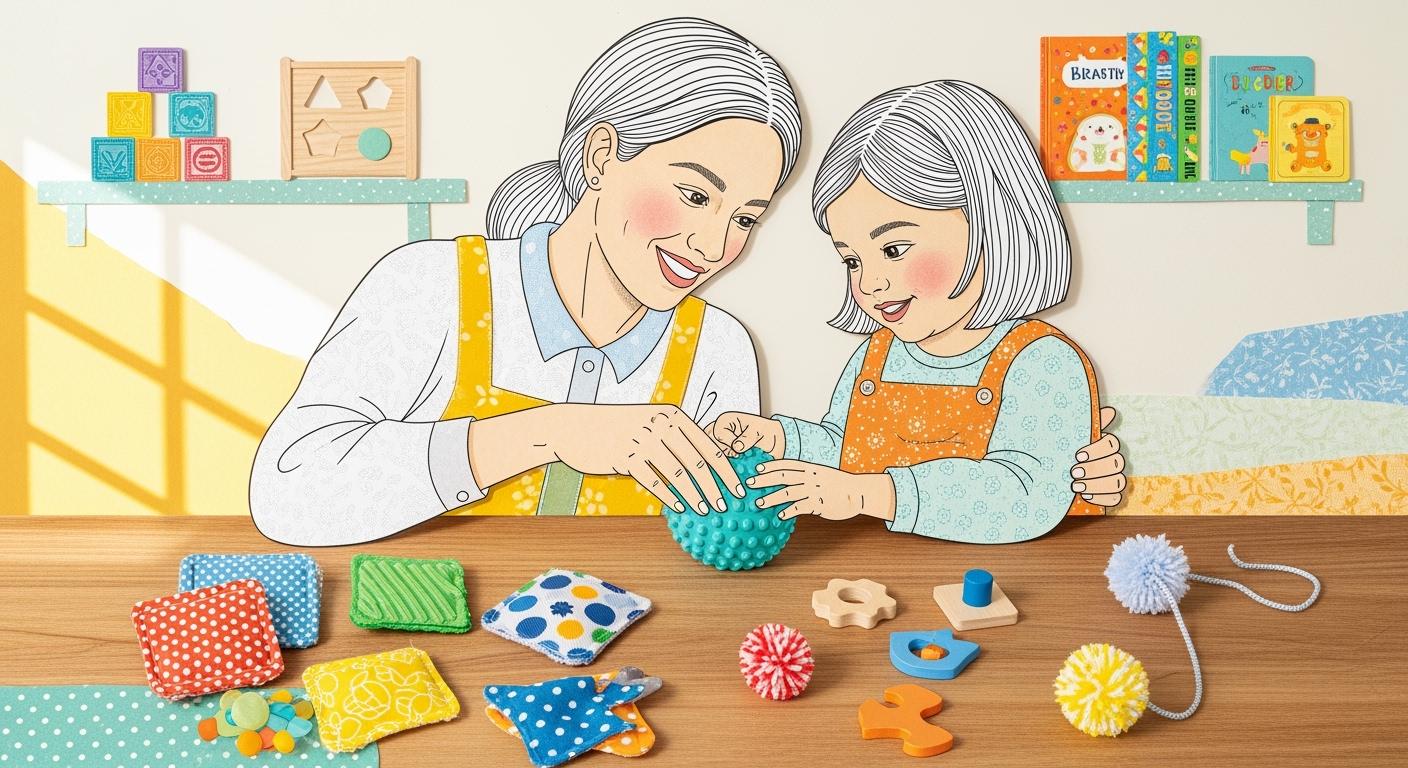
You can use sensory integration for autism at home. You do not need special tools or training to help your child. You can help your child try sensory activities in a safe way. Parents can help by watching which activities make their child feel good. New studies say sensory integration therapy may not always make big changes. Your support and patience are still very important.
Remember, every child has different sensory needs. Be flexible and make a space where your child feels safe to try new things.
Key Takeaways
Each child with autism has their own sensory needs. Watch to see what helps or upsets your child.
Make your home calm and supportive. Use quiet spaces and different seats to help your child feel safe.
Add sensory activities to your daily routine. You can use simple things at home for fun and learning.
Work with teachers and therapists. Their help can make your child's sensory experiences better.
Celebrate small successes and stay patient. Progress is slow, and every step matters.
Sensory integration for autism explained
What is sensory integration therapy?
You may wonder what sensory integration therapy is. This therapy is a type of occupational therapy. It helps your child deal with sensory information better. Your child does fun activities during the sessions. These activities are like games and play. They usually happen in a place called a "sensory gym." The goal is to help your child’s brain get used to different sensory input. When your child learns to handle sights, sounds, and touch, daily life can feel easier.
Sensory integration for autism lets your child try new things safely. You do not need special equipment at home. Simple activities can help your child get used to new sensory experiences.
Why sensory integration matters for autism
Sensory integration for autism is important for daily life. Many children with autism have trouble with sensory input. Loud noises or bright lights can bother them. Some children like movement or pressure to feel calm. Sensory integration therapy helps your child with these things.
Here are some ways sensory integration for autism can help:
Your child can get better at balance and coordination by swinging or jumping.
You might see your child feel calmer and less worried.
Sensory activities can help your child focus and get ready to learn.
Your child can learn to calm down and deal with frustration.
These skills help your child join social activities and talk with others.
When you use sensory integration for autism at home, you give your child ways to handle the world. You help your child feel more sure and ready for new things.
Recognizing sensory needs in autism

Common sensory challenges
Children with autism can have special sensory challenges. These challenges can look different for each child. Some kids react a lot to sounds, lights, or smells. Others may not like some textures or movements. Sensory processing problems can make daily life hard. Here are some common sensory challenges you might notice:
Being bothered by loud noises, like sirens or vacuums
Having trouble with bright lights or strong smells
Feeling uncomfortable with some clothes or care routines, like haircuts or brushing teeth
Not liking certain textures because of touch sensitivity
Not knowing where their body is, which can make balance and coordination hard
Being scared of moving, so they avoid swings or playgrounds
Feeling stressed in busy places, like schools or crowded rooms
Everyday feelings being too strong, which can distract or make them avoid things
Meltdowns or shutting down when there is too much sensory input
Tip: If your child covers their ears or stays away from some activities, they might be trying to handle sensory processing problems.
How to spot your child’s sensory preferences
Each child with autism has their own sensory likes and dislikes. You can learn by watching how your child acts around different things. Some kids avoid sensory input, but others want more of it. Here are some ways to see what your child likes or avoids:
Watch for avoiding, like covering ears when it is loud or not eating some foods.
Notice if your child gets nervous before loud or busy times.
Look for seeking, like loving loud sounds, moving a lot, or playing with sensory toys.
Keep a diary of what you see. Write down what your child likes or does not like. This helps you understand their sensory processing problems.
You know your child best. By watching how they react, you can help with their sensory needs and make them feel better every day.
Sensory activities for home
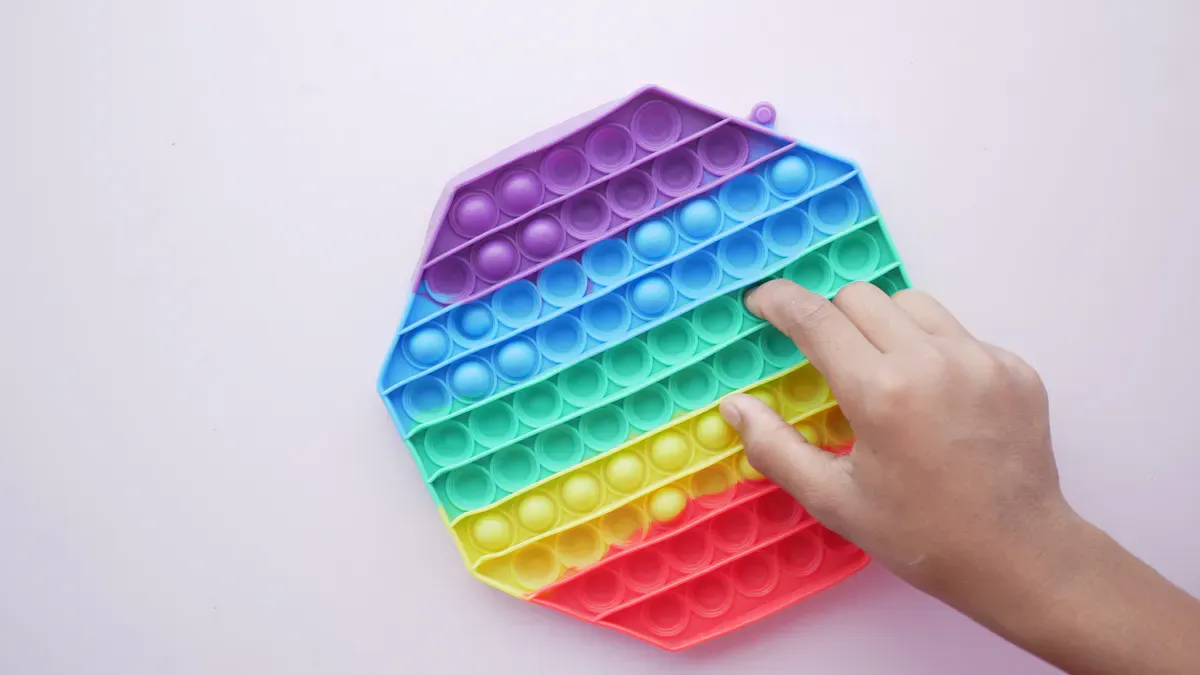
You can add sensory activities to your daily life. These activities help your child learn about the world in a safe way. You do not need special tools. You can use things you already have at home. Always watch your child and change activities if needed. Here are some ideas for each sense.
Tactile activities
Tactile activities help your child get used to different touches and textures. You can use simple things from around your house. Here is a table with some easy ideas:
Activity Type | Description |
|---|---|
Sensory bins | Fill a box with rice, pasta, or buttons. Let your child dig and explore. |
Kinetic sand/water beads | Soft and squishy. Great for squeezing and molding. |
Calming jars | Watch glitter settle in a jar. This can help your child relax and focus. |
Finger painting | Use paint or even pudding. Let your child use their hands to make art. |
Collage making | Glue fabric, felt, or paper to create a picture with many textures. |
Nature walks | Touch leaves, rocks, or tree bark outside. |
Tip: Always check that items are safe and not harmful. Watch your child during all activities.
Secure furniture if your child likes to climb.
Set clear rules for the room.
Keep the space open for children who use mobility aids.
Vestibular activities
Vestibular activities help your child with balance and movement. These activities can be fun and exciting. Start slow and see what your child likes. Here are some ideas:
Skip or run in the yard
Roll or bounce on a yoga ball
Do animal walks like crab or bear walks
Step up and down on a sturdy step
Try star jumps or jump through hoops
Balance on a line or wobble board
Climb on safe play equipment
Do log rolls on a mat or carpet
Crawl through a tunnel
Safety Note: Ask an occupational therapist if you are not sure about an activity. Give your child breaks to move around. A safe home helps your child feel brave to try new things.
Proprioceptive activities
Proprioceptive activities give your child input through muscles and joints. These activities can help your child feel calm and focused. Try these ideas at home:
Carry or push laundry baskets
Squeeze playdough or stress balls
Do wall push-ups or chair push-ups
Lie under a weighted blanket (with an adult watching)
Get gentle arm or leg massages
Try yoga ball squashes by pressing down gently
Help with chores like vacuuming or wiping tables
Tip: Watch your child’s mood. Some kids need more pressure, and some need less. Change activities as needed.
Auditory activities
Auditory activities help your child get used to sounds. You can make these activities fun and safe. Here are some ideas:
Listen to favorite songs and dance together
Play with musical instruments like drums or shakers
Use noise-cancelling headphones when it is loud
Try sound-matching games with things at home
Make a quiet corner with soft pillows and blankets
Tip: Let your child control the volume. Sensory spaces with soft sounds and quiet spots help children handle noise and feel calm.
Sensory toys let your child explore sounds at their own speed.
Occupational therapists say sensory tools can help lower anxiety during noisy times.
Visual activities
Visual activities help your child use their eyes to understand things. You can use pictures, colors, and stories. Here is a table with some ideas:
Activity | Description |
|---|---|
Visual schedules | Use pictures or symbols to show the order of activities. Move or check off each one as you finish. |
Social stories | Read short stories about daily life. These help your child know what to expect. |
Colorful timetables | Make a daily plan with bright colors and fun symbols. |
Move a picture to a “finished” pocket when done.
Check a box for each task you finish.
Safety Note: Use soft lighting and calming colors in your sensory space. Keep the area clean and use soft things for comfort.
Lower noise with soft rugs or curtains.
Pick pale blues or greens for a calm look.
You can mix and match these sensory activities. Watch how your child acts. Change things to fit what your child needs. The goal is to make your home a safe and happy place for your child to explore.
Tips for sensory integration success
Adapting activities for your child
You know your child better than anyone. Each child with autism reacts to sensory play in their own way. You can try different things to see what your child likes. Some kids enjoy obstacle courses. Others like quiet sensory bins more. You might see your child avoid loud sounds or certain clothes. Some children want alerting vestibular activities like spinning or jumping. Here is a table to help you match activities to your child’s needs:
Sensory Differences | What You Might See |
|---|---|
Covers ears or leaves the room | |
Fussy eater | Refuses certain foods |
Refuses certain clothes | Pulls at tags or avoids some fabrics |
Seeks sensory input | Chews, strokes hair, or craves movement |
Uncomfortable in busy places | Wants quiet, calm spaces |
You can make a calm space at home. Try calming ideas like mindfulness or a soothing box. Tell friends and family about your child’s sensory needs. This helps them support your child too.
Safety and fun at home
Safety is most important during sensory activities. You can make your home safe for play. Try these tips:
Make a calm-down spot for breaks.
Use soft rugs and pillows to lower noise.
Pick calming colors for walls and bedding.
Offer soft textures in clothes and blankets.
Keep favorite regulation tools close by.
You can turn obstacle courses into safe fun. Always watch your child during alerting vestibular activities. Make sure the area is clear and soft.
Making activities part of daily life
You can add sensory play to your day. Start with small changes. Use everyday activities like folding laundry or nature walks. Try strategies that fit your child’s needs. A sensory diet can help your child stay calm and focused. You can use sensory play at home, at school, or outside. This helps your child with changes and lowers meltdowns. Watch your child and write down what works. Celebrate every small win as you help your child.
When to seek professional help
Signs your child may need more support
Sometimes, you might wonder if your child’s sensory needs go beyond what you can help with at home. You know your child best, but some signs can show when it’s time to reach out for extra support. Here’s a table to help you spot these signs:
Sign Type | Description |
|---|---|
Poor registration | Your child doesn’t notice loud noises or changes. They may not respond to their name or instructions. |
Sensation seeking | Your child moves, climbs, or crashes into things all the time. They might love strong tastes or messy play. |
Sensory sensitive | Your child gets overwhelmed by noise or lights. They may cover their ears or want to be alone. |
Sensation avoiding | Your child refuses noisy places or certain clothes. They may get upset during changes or transitions. |
Emotional regulation | Your child has meltdowns or withdraws when things feel too much. |
You can keep a diary of your child’s behaviors. Watch for patterns. If you see these behaviors often, or if they make daily life hard—like eating, sleeping, or going to school—it’s a good idea to talk to a professional. Notice if your child’s reactions are strong, happen a lot, or cause stress for your family. These are signs that extra help could make a difference.
If you feel stuck or worried, you’re not alone. Many parents need support at some point.
Finding sensory integration therapy resources
You have options when you look for help. Start by talking to your child’s doctor or teacher. They can guide you to occupational therapists who know about sensory integration. Look for therapists who offer personalized strategies and set clear goals. Good providers work with you to make sure therapy fits your home life. They focus on safety, participation, and helping your child manage their feelings.
Here are some helpful resources:
When you meet a therapist, ask how they will help your child at home and in daily life. Make sure they track progress and adjust plans as your child grows. You can find the right support for your family.
You can make a big difference for your child with simple sensory activities at home. Here are some key things to remember:
Every child has unique sensory needs. Watch for what helps or bothers your child.
Create a calm, supportive space with quiet zones and flexible seating.
Work with teachers and therapists to support your child’s sensory needs.
Try one new sensory activity today. Progress takes time, so celebrate small wins. Stay patient and keep learning what works best for your child. You are not alone—support is always available.
FAQ
How often should you do sensory activities with your child?
You can try sensory activities every day. Start with short sessions and see how your child responds. Some kids like frequent breaks. Others prefer longer play. Watch your child and adjust as needed.
What if your child refuses a sensory activity?
Don’t worry if your child says no. You can offer choices or try again later. Sometimes, kids need time to feel comfortable. Let your child lead and pick activities they enjoy.
Can you use regular household items for sensory play?
Absolutely! You can use rice, pasta, pillows, or blankets for sensory activities. Everyday items work well. You don’t need expensive tools. Just make sure everything is safe and age-appropriate.
How do you know if a sensory activity is helping?
Your child may look calmer.
You might see fewer meltdowns.
Your child could focus better.
You notice more smiles and engagement.
Keep notes and celebrate small wins!
See Also
An In-Depth Overview of Sensory Processing for Autism
Benefits of Sensory Rooms for Kids with Autism
Affordable Ways to Create a Sensory Room for Autism
