Sensory Feeding Therapy Solutions for Picky Eaters
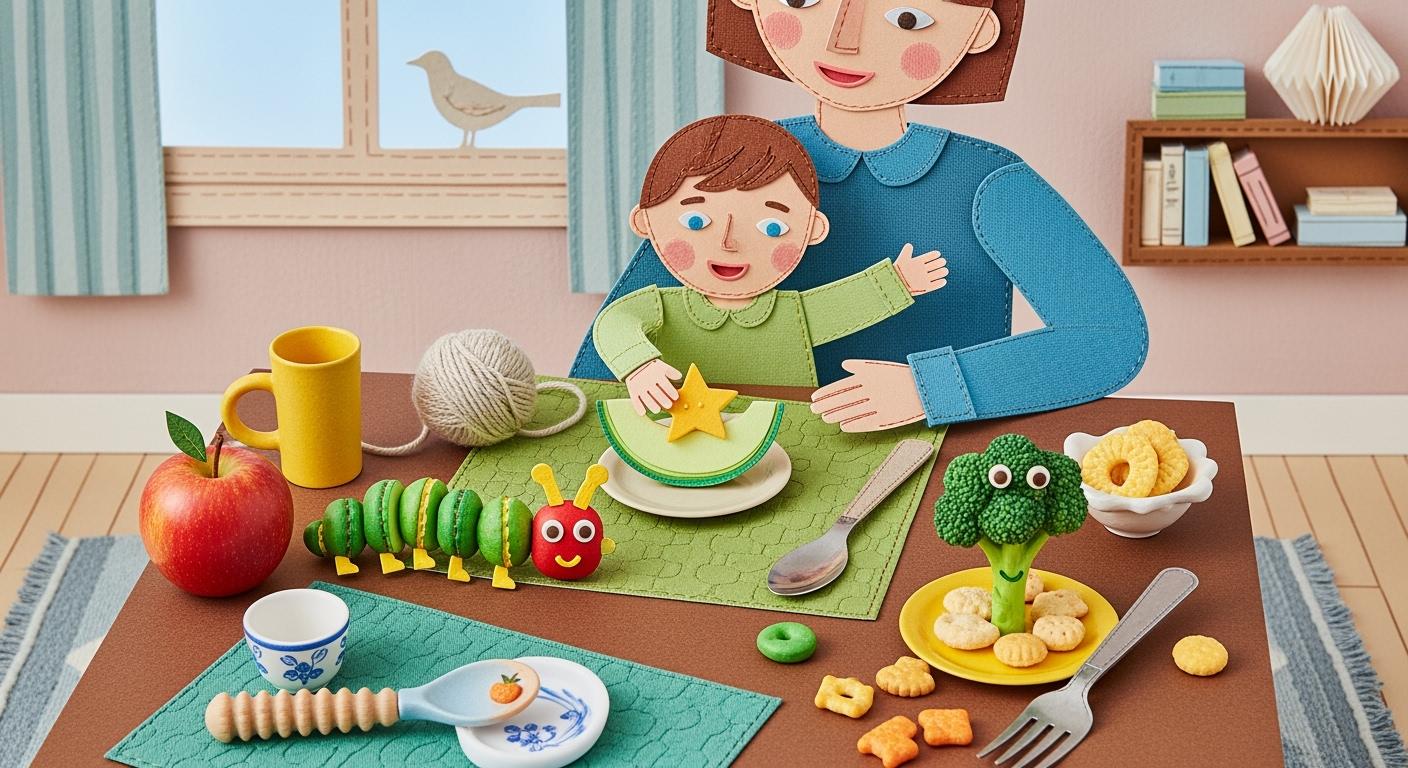
Many parents get worried when their child will not try new foods or reacts a lot to some textures. You might see picky eating that is more than just not liking something. Sensory feeding therapy gives you real ways to help your family. Parents may feel alone, but you are not alone. Studies say that 70% of kids with autism have picky eating because of sensory issues and strong likes. You can use fun ideas to help your child feel safe at the table. With good help, parents see real changes and calmer meals.
Key Takeaways
Learn about sensory eating problems. Some kids avoid foods because of taste, texture, smell, or looks. Noticing these issues is the first step to help your child.
Try gradual exposure methods. Bring in new foods slowly. Start with looking at and touching the food before tasting it. This helps lower worry and builds trust.
Let your child help pick foods. Ask them to join you when shopping and cooking. This helps them feel in control. It also makes trying new foods less scary.
Make mealtime a happy time. Keep meals calm and follow a routine. Praise small steps to help your child and lower stress.
Get expert help if needed. If your child has strong food fears or gets very anxious, talk to a specialist for extra help.
Understanding Sensory Eating
What Are Sensory Food Issues
Sensory eating means your child reacts to food by how it tastes, feels, smells, or looks. Kids with sensory food issues usually eat fewer than 20 foods. You might notice your child likes meals to be the same every day. Sensory sensitivities can make your child say no to new foods. Some kids do things like lining up food or eating in a certain order. Health problems can happen if your child eats only a few foods. Many kids avoid foods because of how they taste, feel, smell, or look. Your child may pick plain foods like pasta or bread. Gagging can happen when your child tries foods with mixed textures or new flavors.
Limited food choices
Liking routine and sameness
Strong sensory sensitivities
Saying no to new foods
Rituals at mealtime
Signs of Sensory-Based Picky Eating
You can see sensory eating problems by watching your child at meals. Kids often say no to new foods or certain textures. Many eat the same foods again and again. Some kids really like sweet, salty, or plain foods. Avoiding fruits, veggies, or protein is common. Sensory eating can mean not liking mushy, crunchy, or gritty foods. Smells, tastes, food temperature, and how food feels can make your child avoid it.
Refusing new foods or textures
Eating the same foods over and over
Liking certain flavors a lot
Avoiding some food groups
Tip: Keep a food diary to see patterns and triggers in your child’s sensory eating.
Why Sensory Challenges Affect Eating
Sensory eating changes what your child eats and how they act at meals. Kids with autism often have sensory sensitivities that affect eating. Many say no to whole food groups because of sensory differences. Flavor sensitivities depend on smell, texture, and temperature. Sensory processing can change posture and jaw strength, making it hard to sit and eat. Strong reactions to flavors can make diets very limited. Rigid routines and not wanting new foods can hurt nutrition. Early help, like slowly adding new foods and giving praise, helps improve food choices.
Sensory sensitivities change food choices
Flavor, texture, and temperature matter for preferences
Proprioception and vestibular function affect eating posture
Predictable routines help kids accept healthy foods
Sensory Feeding Therapy Approaches
Family-Centered Therapy Model
You are important in sensory feeding therapy. Therapists ask you to join the sessions. They show you how to present food and set routines. The AEIOU Feeding Approach is a family-centered method. This way uses sensory, behavioral, and oral motor techniques together. You learn how to help your child at the table. You also help your child become more independent. Therapy sessions are safe and make your child feel strong. The main goal is to have good experiences with food.
Caregivers get tips on how to show food and set routines.
The AEIOU Feeding Approach uses sensory, behavioral, and oral motor ideas.
Parents and caregivers join in and help kids be independent.
Note: When you join therapy, your child feels supported and sure. Your help makes progress happen.
Sensory Integration Techniques
Sensory feeding therapy uses many ways to help your child try new foods. Therapists change food texture, temperature, or flavor to help with sensitivities. Sensory play lets your child touch, smell, and explore foods in a fun way. Praise and routines help your child eat better. Changing seats or utensils can make eating easier.
Try foods with different textures, temperatures, and flavors.
Play with food to make trying it fun.
Use praise and routines to help your child.
Change seats and utensils for comfort.
These ways help your child eat better and fear food less. You will see your child eat by themselves and feel less worried at meals. Sensory feeding therapy helps your child get used to new foods. It also helps your child like food more and eat safely.
Role of Occupational and Speech Therapists
Occupational therapists check and improve your child’s eating skills. They work on how your child moves their mouth and handles food. They also look at how your child acts at meals. You may see them use mouth exercises and sensory ideas to help your child eat more foods. Occupational therapists work with families and speech therapists. Speech therapists help with talking and swallowing. They make sure your child gets what they need. These experts give therapy in a fun and safe place with no pressure.
Tip: Ask your therapist how to practice eating skills at home. Working together helps your child do better.
Gradual Food Exposure
Step-by-Step Introduction
You can help your child accept new foods by using a gentle, step-by-step approach. The DIR method recommends starting with no pressure. Begin by letting your child look at the food. Next, encourage them to touch and smell it. When your child feels ready, ask them to lick or take a small bite. Over time, you can work toward eating a full serving. This process helps reduce stress and makes it easier to introduce new foods.
Step | Description |
|---|---|
1 | Looking at the food |
2 | Touching the food |
3 | Smelling the food |
4 | Tasting the food |
5 | Eating the food |
Tip: Celebrate each small step. Praise helps your child feel proud and want to try again.
Building Texture Tolerance
Many children with sensory needs find certain textures hard to handle. You can help your child by slowly adding foods with different textures. Start with smooth foods like purees. Move to soft, then chewy, and finally crunchy foods. This slow change gives your child’s senses time to adjust. Therapists often use this method to help children feel safe and confident as they try new foods. You may notice your child becomes less anxious at meals as their texture tolerance grows.
Start with familiar, smooth foods
Progress to soft, then chewy, then crunchy foods
Give your child time to adjust at each stage
Tracking Small Wins
You can track progress by noting small wins during meals. Write down the time, what foods you served, and how your child reacted. Even if your child only looks at or touches a new food, count it as a win. Notice if your child tries more when certain people are present or when the room feels calm. Keeping a simple record helps you see growth over time and keeps you motivated.
Record what your child tried, even small bites
Observe reactions to new foods and textures
Note who was present and the mood at mealtime
Remember: Every small step counts. Progress may be slow, but each win builds confidence.
Sensory Play with Food

Non-Eating Food Play
You can help your child learn about food without eating it. Sensory play lets your child touch and smell food in fun ways. Many activities are about having fun and discovering new things. These experiences help your child feel comfortable and less afraid of food. You can use games and crafts to make food more interesting.
Activity Type | Description |
|---|---|
Make shapes or characters with fruits and vegetables. | |
Pretend Cooking | Use play kitchens or safe tools for pretend meals. |
Texture Exploration Games | Match foods to toys or objects with similar textures. |
Tactile Play | Try squishy, crunchy, or sticky materials. |
Oral-Motor Activities | Use straws, whistles, or chewable toys to help with oral tolerance. |
Gradual Food Exposure | Start with gentle touches before tasting food. |
You can also try scooping, pouring, or baking with your child. Making necklaces or crafts with food helps your child be creative. Water play, popping bubbles, and play dough activities let kids explore textures in a calm way.
Reducing Food Anxiety
You can help your child feel less worried about food by using simple steps. Give small amounts of food and let your child pick what to try. Do not give big piles of foods your child does not like. Let your child feel in charge of their eating. Slowly showing new foods helps your child handle feelings and build tolerance.
Strategy | Description |
|---|---|
Add sensory activities to daily routines to help your child feel better. | |
Food Presentation | Give small portions and choices to lower anxiety. |
Let your child be curious and in control without pressure. | |
Gradual Exposure | Slowly show new foods to help your child feel calm. |
You can use proven methods to help your child dislike food less. Focus on helping your child get used to certain foods step by step. Do not argue or fight during meals.
Encouraging Food Curiosity
You can help your child be curious by keeping food play separate from meals. Make a relaxed space for sensory play. Kids who play with food often want to try new foods more. Sensory play lets your child touch and smell food without feeling scared. Texture sensitivity is important for accepting new foods.
Let your child play with food without pressure.
Encourage touching, smelling, and playing with food.
Use sensory activities to spark interest and learning.
Make food fun to build good experiences.
Tip: Sensory play with food can help your child feel confident and curious. Progress may be slow, but each playful moment helps your child grow.
Supportive Mealtime Environment
Reducing Mealtime Pressure
You can make meals calm and easy for your child. Many kids feel nervous when they must eat foods they dislike. Play-based sensory activities help kids accept new foods. Let your child smell, touch, or play with food before tasting it. This helps your child feel safe at the table. Fun food activities make kids curious instead of scared. Use simple words to describe food so your child knows what to expect. Do not force your child to eat anything. This lowers stress and builds trust between you and your child. ABA methods help kids want to try food and feel good about eating.
Tip: Make food time normal and relaxed. Let your child explore food slowly.
Creating Predictable Routines
Routines make meals easier for you and your child. Kids with sensory needs feel better when they know what will happen. Keeping mealtime routines the same gives your child comfort. This structure helps your child feel less worried and more willing to eat. You can use pictures or give choices to make meals feel safe. Keep meal times and places the same so your child knows what to expect. A calm setting helps your child try new foods and enjoy eating.
Note: Routines help with sensory needs and make your child feel safe at meals.
Making Meals Positive
You can make meals happy by focusing on small steps. Set regular meal times and use a familiar place. Stay calm and do not make meals stressful. Gradual exposure and sensory integration therapy help your child try new textures and tastes. Keep food play separate from meals to make things relaxed. Fun activities like food art or stencils make trying new foods exciting. Always go slow and let your child decide what to try. Do not force bites, as this makes kids more anxious. Celebrate every small win to build trust and support.
Offer both familiar and new foods through play.
Let your child lead to build confidence.
Be patient and encourage your child.
Food Texture and Prep Tips
Adjusting Food Textures
You can help your child try new foods by changing how you make them. Many kids with sensory needs react a lot to some textures. Start with soft foods like purees or mashed potatoes. Later, try foods with more texture, like scrambled eggs or soft veggies. Blend or chop foods that are hard for your child. For example, blend tomatoes into sauce or grate zucchini into oatmeal. You can swap crunchy apples for soft pears or cook apples to make them softer.
Use fun games to help your child get used to new textures.
Try tiny bites first, then slowly give more.
Practice oral motor exercises to help with chewing and swallowing.
Tip: Put new foods where your child can see them at home. Let your child play with these foods when it is not mealtime. Later, add them to the table and invite your child to take a bite.
Creative Food Presentation
You can make food look fun to help your child want to eat it. Kids feel less worried when food looks playful or cool. Cut sandwiches into shapes or make faces with fruits and veggies. Use bright plates and put foods in patterns. The Sequential Oral Sensory (SOS) Approach lets your child use all their senses to explore food. This way helps your child feel safe and curious about new foods.
Give small tastes in a fun way many times.
Use food art or themed meals to make food exciting.
Let your child help put food on the plate.
Note: Making food look fun can make meals happy and lower stress for your child.
Gradual Food Transitions
You can help your child by changing foods slowly. Start with smooth purees, then try soft, chewy, and finally crunchy foods when your child is ready. Ask your child to feed themselves with the right utensils for their age. Trying new tastes and textures again and again helps your child eat more foods and not get stuck on just one kind. Sensory integration techniques and oral motor exercises can help with these changes. Always praise your child for trying something new, even if it is just a little taste.
Step | Example Foods |
|---|---|
Smooth | Yogurt, applesauce |
Soft | Scrambled eggs, ripe banana |
Chewy | Soft bread, cooked pasta |
Crunchy | Crackers, cucumber slices |
Remember: Your support and cheering help your child feel brave as they try new foods.
Involving Kids in Food Choices
Shopping Together
You can help your child feel more comfortable with food by including them in grocery shopping. When you walk through the store together, you give your child a chance to see, touch, and smell different foods in a low-pressure way. Let your child pick out a new fruit or vegetable. You can talk about colors, shapes, and smells. This helps your child get used to new foods before they even reach the table. Shopping together also builds routines and gives your child a sense of control.
Tip: Use a simple shopping list with pictures. This makes the trip fun and helps your child know what to expect.
Cooking as a Team
Cooking with your child turns mealtime into a shared adventure. When you invite your child to help with simple tasks, you make food less scary and more interesting. Children who join in cooking often feel proud of their work and want to taste what they made. Play-based activities, like food art or pretend cooking, make the kitchen a place for fun and learning. These activities encourage curiosity and reduce anxiety about new textures.
Cooking together helps your child:
Feel confident and in control.
Explore new foods through play.
Learn about textures and smells in a safe way.
Enjoy social time without pressure.
When you cook as a team, you also model healthy eating and show that trying new foods can be enjoyable.
Empowering Food Decisions
You can empower your child by letting them make small choices about what they eat. Offer two or three options and let your child pick one. This simple act gives your child a sense of control and lowers anxiety. Gradually introduce new foods alongside familiar favorites. Use positive reinforcement, like praise or stickers, when your child tries something new. Visual supports, such as charts or pictures, help your child understand routines and feel secure.
Ways to empower your child:
Let them choose between two snacks.
Use a visual menu for meals.
Praise every small step toward trying new foods.
Remember: When your child feels in control, they become more willing to explore and accept new foods.
When to Seek Sensory Feeding Therapy
Signs Professional Help Is Needed
Sometimes picky eating is more than just being fussy. Some kids have bigger problems, like arfid or avoidant/restrictive food intake disorder. Watch for these signs:
Eating less than 20 foods for a long time
Gagging, crying, or throwing up with new foods
Skipping whole groups like fruits, veggies, or meats
Feeling anxious, upset, or having meltdowns at meals
Not eating with others or feeling embarrassed about food
Not growing well or missing out on nutrition
Family stress during meals or cooking
Complaints about tummy aches, constipation, or feeling full
Losing weight or not gaining as expected
Sensory issues that make eating tough
Not caring about food or eating
If you notice these problems, your child might have arfid or sensory processing disorder. Getting help early can stop bigger health problems later.
What to Expect in Therapy
Sensory feeding therapy helps kids with arfid, avoidant/restrictive food intake disorder, and sensory processing disorder. Therapists use games and sensory play to make sessions fun. They slowly introduce new foods to lower worry. Parents join in food prep and give choices to their child. The goal is to make mealtime a happy time. Therapy works on both body and mind problems with eating. You will learn ways to help your child at home and celebrate small steps. Getting help early can really help with eating problems.
Finding the Right Specialist
You need a specialist who knows about feeding problems, arfid, and sensory processing disorder. Look for a team led by a speech-language pathologist or occupational therapist who understands oral motor and sensory needs. The best programs help with all parts of your child, like sensory needs, mouth skills, tummy health, and feelings. They use play and set clear goals for progress. You should get hands-on help and tips for every meal. The right team works with your doctors and supports your family. They want lasting change, not just quick fixes. Stay away from programs that only give food advice or strict meal plans without real feeding therapy.
Tip: Ask if the therapy team uses proven methods and tracks progress with clear goals. This helps you see real changes with feeding problems, arfid, and avoidant/restrictive food intake disorder.
Success Stories & Encouragement
Real-Life Progress Examples
You can see real change when you use sensory feeding therapy at home. One family started with a child who only ate plain pasta and crackers. After a few weeks, their child touched and smelled new foods during play. Soon, the child licked a slice of apple and noticed its sweet flavor. Another parent shared that their child used to gag at the smell of cooked vegetables. With gentle steps, the child learned to sit at the table and explore new foods with their hands. Over time, the child tasted a carrot and smiled at the new flavor. These small wins add up. You can help your child move from fear to curiosity with patience and practice.
Parent Testimonials
Parents often say that sensory feeding therapy works best when you go slow and let your child lead. Many families use a whole child approach. This means you look at sensory needs, mouth skills, nutrition, and feelings together. You can see some key strategies in the table below:
Key Strategy | Description |
|---|---|
Patience and Gradual Exposure | Introduces foods in steps like looking, touching, smelling, and tasting. |
Non-aversive Methods | Avoids forcing a child to eat, which lowers anxiety and food aversion. |
Building Trust | Child-led choices build trust and reduce stress at meals. |
Whole Child Approach | Addresses sensory, oral motor, nutrition, and emotions in one plan. |
Play-based Progression | Lets children move at their own pace and makes feeding positive. |
Parents say that play-based activities help their child try new foods. They notice less stress and more smiles at the table. You can use these ideas to help your child enjoy meals.
Staying Positive
You may feel tired or worried when progress seems slow. Remember, every small step counts. Celebrate when your child smells a new food or tries a new flavor. Use praise and stickers to mark wins. Stay calm and keep routines steady. You help your child most when you stay hopeful and patient. Over time, you will see your child grow braver and more curious about food. Your support makes a big difference.
You can help your child with sensory eating by being patient. Use slow steps, like showing new foods a little at a time. Sensory play and good routines also help. Studies show that seeing new foods for a few days helps kids try them. Giving praise and letting your child choose lowers worry and builds confidence. If you need more help, talk to a feeding specialist. Every small step matters. You can make meals calm and happy and see your child get braver each day.
FAQ
What is the difference between picky eating and sensory-based eating issues?
Picky eating means your child dislikes some foods. Sensory-based eating issues involve strong reactions to textures, smells, or looks. You may see gagging or meltdowns.
Tip: If your child avoids whole food groups, consider sensory feeding therapy.
How long does sensory feeding therapy take to show results?
You may see small changes in a few weeks. Every child learns at their own pace.
Celebrate each step, like touching or smelling new foods.
Progress may take months for lasting change.
Can I do sensory feeding therapy at home?
Yes, you can use many strategies at home. Start with food play, routines, and gradual exposure.
Home Tip | Example |
|---|---|
Food Play | Make food art together |
Routine | Eat meals at set times |
Will my child outgrow sensory food aversions?
Some children improve as they get older. Others need support to eat a wider variety. You help most by using gentle steps and praise.
Note: Early help leads to better progress.
See Also
Exploring Effective Therapies for Autism Sensory Challenges
Evaluating OT Sensory Integration Therapy Against Other Methods
The Importance of Sensory Tents for Children’s Needs

