Sensory environments help calm your mind fast

Sensory environments can help your mind feel calm quickly. When you use your senses like sight, touch, and hearing, your body can relax. Your feelings can also become more steady. Many people feel peaceful with soft lights or gentle music. Simple things like digging in sand or kneading dough can help too. These places are safe and easy to understand. They help you feel balanced. You may see your stress go away fast. This is true if you like nature sounds or calming pictures. Try different things to see what helps you. You might notice your mood gets better.
Key Takeaways
Sensory environments use sight, sound, and touch to help you feel calm and safe. Spending time in these places can lower worry and help you focus better. This makes it easier to deal with your feelings. You can make a calm space at home with simple things like soft lights, different fabrics, and quiet sounds. Being in nature or doing sensory activities for only 20 minutes can really help your mood and lower stress. Everyone can use sensory environments at home, school, or therapy to feel more relaxed and focused.
What are sensory environments?
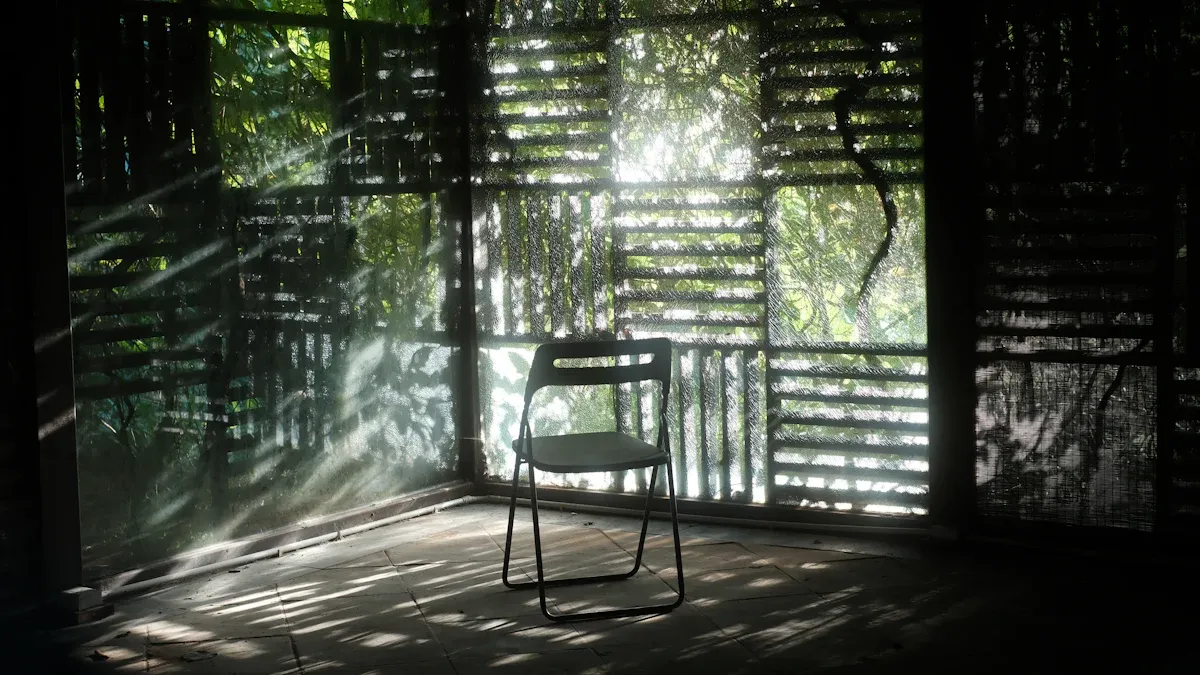
Sensory environments are places made to help you feel calm and safe. You use your senses like sight, touch, and hearing in these spaces. The main idea is to help you relax and handle your feelings. You can find these spaces at school, in therapy centers, or at home. They are built to be simple and easy to understand. You know what will happen when you walk in. This helps you feel less worried.
Key features
Sensory environments share some things. They use objects and tools that gently use your senses. Here are some examples:
Soft lights or bubble tubes for your eyes
Gentle music or nature sounds for your ears
Weighted blankets or soft cushions for your body
Fidget tools or textured objects for your hands
Tip: Try a weighted blanket or a fidget tool if you want to feel calm and focused.
Many sensory environments have quiet areas or panels that block noise. These make the space even more peaceful. You might see swings, balance boards, or kinetic sand. Each tool has its own job. Swings and rocking chairs help your body feel steady. Weighted items give deep pressure and help you feel safe.
Category | Examples | Purpose |
|---|---|---|
Fidget tools | Stress balls, fidget cubes | Help you focus and stop feeling restless |
Weighted products | Blankets, lap pads | Give deep pressure and calm your body |
Visual tools | Bubble tubes, fiber optic lights | Make your eyes feel relaxed |
Calming effects
Sensory environments work because you can pick what you see, hear, and touch. When you choose what feels good, your brain feels safer. Studies show these spaces help people pay attention longer and feel less worried. Kids who use sensory rooms often have fewer meltdowns and steadier moods. You may feel more relaxed and ready to learn after being in one.
Sensory environments help lower anxiety and help you focus.
They help you control your feelings and join group activities.
You can use them to calm down fast when you feel upset.
If you ever feel stressed, spending a few minutes in a sensory environment can help you feel better. You get to pick what works for you. This makes these spaces great for your emotional health.
How senses affect emotions
Brain and nervous system
Your senses talk to your brain all the time. When you see, hear, or touch something, your brain gets busy. It sorts out what you feel and helps you react. If you spend time in a place with too much noise or not enough light, your brain can get stressed. Sometimes, if you do not get enough sensory input, your brain changes how it works. It tries to use other senses more. This is called plasticity. Your brain can even change its shape and how it connects. If you miss out on certain sights or sounds, your brain may feel out of balance. This can make you feel sad or moody. Your brain uses chemicals like dopamine to help you feel happy. When your senses do not get what they need, these chemicals can get out of balance. You might feel more worried or down.
Did you know? Your brain can actually rewire itself if you lose one sense. It works hard to help you adapt and learn new things.
Impact on stress and mood
Your senses have a big effect on how you feel every day. Some things can make you feel tense or calm, just by how they look or sound.
Noise: Loud or constant noise can make you feel stressed. Your body makes more cortisol, which is a stress hormone.
Light: Sunlight helps you feel awake and happy. If you do not get enough light, you might feel tired or sad.
Clutter: Messy rooms can make your mind feel busy and anxious. Clean spaces help you focus and relax.
Spending time in nature or in sensory environments can help your mood. Studies show that walking in a park or forest for just 20 minutes can lower stress and help you feel better. Here is a quick look at what research says:
Study Type | Findings | Duration Recommendations |
|---|---|---|
Forest Bathing Research | 20-30 minutes can lower stress. | Try for 2 hours per week. |
Urban Parks | Walking in tree-filled parks boosts mood and lowers stress. | 20-minute walks are helpful. |
General Anxiety | Forest walks lower stress hormones and anxiety. | N/A |
Depression | Forest walks help improve mood for mild to moderate depression. | N/A |
You do not need a forest to feel better. Even a few plants or a quiet corner at home can help. Nature and calm spaces help your brain rest and recover. You might notice you feel happier and less stressed after spending time in these places.
Benefits for emotional regulation
When you walk into a sensory environment, your mind and body get a break. These spaces help you handle your feelings in a good way. You can use them to calm down, feel happier, and focus better. Let’s see how these benefits work for you.
Fast stress relief
Stress can come quickly, but you can feel better fast too. Sensory environments make a calm space that helps your body relax. Soft lights, gentle sounds, and cozy textures all help lower your stress. When you feel too much, these spaces stop sensory overload. This can keep you from feeling anxious or having meltdowns.
Researchers found that being in nature or rooms with nature features lowers stress. For example, studies show that 20-30 minutes in a green space or a room with nature sounds helps your body recover from stress. Your heart rate slows, and your mind feels clearer. Even virtual reality rooms with nature scenes can help you feel better fast.
Tip: Try sitting in a quiet room with soft lights and calming sounds for 20 minutes. You may notice your worries go away.
Here’s a quick look at how different places help with stress:
Environment Type | Effectiveness | Speed of Impact |
|---|---|---|
Coastal Areas | High | Immediate |
Forest Bathing | High | 20-30 minutes |
Urban Parks | Moderate | 20 minutes |
You don’t need a forest or beach to feel calm. Even a small sensory corner at home can help you relax when you need it most.
Mood improvement
Your mood changes during the day. Sometimes you feel happy, and other times you feel sad or upset. Sensory environments can help you feel better and keep your mood steady. Bright, natural light during the day helps you feel more awake and positive. If you spend too much time in dark or noisy places, you might feel sad or anxious.
Many people use sensory rooms to help with mood swings. These spaces use soft lights, gentle music, and comfy seats to help you feel safe. When you feel safe, your brain releases chemicals that make you feel happier. Sensory activities, like touching soft fabrics or listening to water sounds, can help you feel calm and content.
More light during the day can boost your mood and lower sadness.
Gentle sensory activities help you feel relaxed and less anxious.
Sensory rooms can help kids and adults feel more independent and confident.
Some therapies use sensory activities to help people with autism or anxiety. These activities can help you pay attention, reduce repetitive behaviors, and feel more comfortable.
Focus and mindfulness
It’s hard to pay attention when your mind feels busy or your body feels restless. Sensory environments help you focus by giving your senses something gentle and predictable. When you use a fidget tool or sit on a soft cushion, your body feels steady. This makes it easier to pay attention to what’s happening around you.
Schools and workplaces use sensory rooms to help people stay on task. After spending time in these spaces, students often feel ready to learn again. Teachers have seen fewer disruptions and more engagement in class. In one study, 56% of students showed better focus after using a sensory room. Another study found that 80% of students felt ready to return to class after just 20 minutes in a calming space.
Outcome | Result |
|---|---|
Improved Attention and Engagement | 56% increase in classroom engagement |
Emotional Self-Regulation | 80% felt ready to return after a 20-minute session |
Reduced Behavioral Incidents | 75% drop in disruptive behavior calls |
Improved Focus | Better sustained attention at work and school |
Note: If you feel distracted or restless, try a sensory break. Even a few minutes can help you feel more focused and mindful.
Sensory environments give you ways to handle your feelings, boost your mood, and focus better. You can use these spaces at home, at school, or anywhere you need a quick reset.
Using sensory environments at home

Simple activities
You can make your home a calm place. Try easy sensory activities every day. You do not need special tools. Use things you already own.
Fill a bin with rice or water beads. Move your hands through them. This feels soothing.
Use swings or therapy balls if you have room. These help your body feel steady and relaxed.
Put textured blankets or body socks in your living room. Touching different fabrics can help you feel calm.
Change your lights. Use dimmer switches or soft bulbs. This makes your room gentle on your eyes.
Lay thick rugs or hang curtains to block loud sounds. This makes your space quieter and more peaceful.
Make a safe zone with weighted blankets and calming pictures. Go there when you need a break.
Tip: Try scented play dough or essential oils like lavender. These smells can help you relax or focus.
Creating a calming space
You can set up a sensory-friendly area that fits your needs. Look at your space and decide what helps you feel safe and comfortable. Keep your area free from clutter and bright lights.
Pick soft lighting. String lights or battery candles work well.
Add bean bag chairs or comfy seats. Weighted blankets help you feel secure.
Use aromatherapy. Lavender helps you relax. Peppermint can help you concentrate.
Avoid harsh fluorescent lights. Choose low-watt bulbs or soft lighting.
Make a calming corner. This spot gives you a safe retreat and helps you focus.
Personalize your space. Add tactile things like textured wall panels or sensory bins.
Here’s a quick comparison of home-based sensory environments and clinical sensory rooms:
Aspect | Home-Based Sensory Environments | Clinical Sensory Rooms |
|---|---|---|
Ecological Validity | High - reflects everyday mobility | Low - may cause anxiety |
Design Considerations | Familiar and comfortable | Sterile and adult-oriented |
Impact on Movement | Natural and relaxed | Limited by environment |
Stress Reduction | Better through familiarity | Reduced through child-centered design |
When you control your sensory inputs, you can lower stress and improve your mood. Structured sensory schedules at home can help you pay attention and feel more engaged. You can make a space that supports your feelings and helps you handle daily challenges.
You can quickly calm your mind in sensory environments. These spaces help many people feel less worried and more sure of themselves. You may find it easier to pay attention and get along with others. Here are some long-term benefits:
Benefit Description | Evidence |
|---|---|
Reductions in depression and anxiety | Being in nature can lower anxiety and depression. |
Enhanced emotional regulation | Mindfulness in sensory spaces helps you handle feelings. |
Improved psychological well-being | Using many senses can make you feel happier. |
Want to try something different? Homes and schools use nice smells, soft things, and gentle lights to help you feel calm. You can make your own space and enjoy these good feelings for a long time.
FAQ
What is a sensory environment?
A sensory environment is a space you set up to help your senses feel calm. You use things like soft lights, gentle sounds, and cozy textures. These spaces help you relax and feel safe.
Can I make a sensory environment at home?
Yes! You can use items you already have. Try soft blankets, dim lights, or calming music. You do not need special tools. Start with what makes you feel comfortable.
Who benefits from sensory environments?
Everyone can benefit. Kids, teens, and adults use these spaces. If you feel stressed, anxious, or need a break, a sensory environment can help you feel better.
How long should I spend in a sensory space?
You can spend as little as five minutes. Some people like longer breaks. Listen to your body. If you feel calm and ready, you can leave when you want.
What if I do not have much space?
No worries! You can use a corner, a chair, or even a small box with sensory items. The goal is to create a spot that feels safe and relaxing for you.
See Also
Designing A Tranquil Multi Sensory Room For Relaxation
Inspiring Sensory Bedroom Ideas To Soothe Children Effectively
Creating A Soothing Environment Using Sensory Room Lighting
Autism-Friendly Sensory Toys That Bring Joyful Playtime Calm
Practical Strategies For Utilizing Sensory Toys To Soothe Kids

