How Sensory Enrichment Therapy Helps Children with Autism
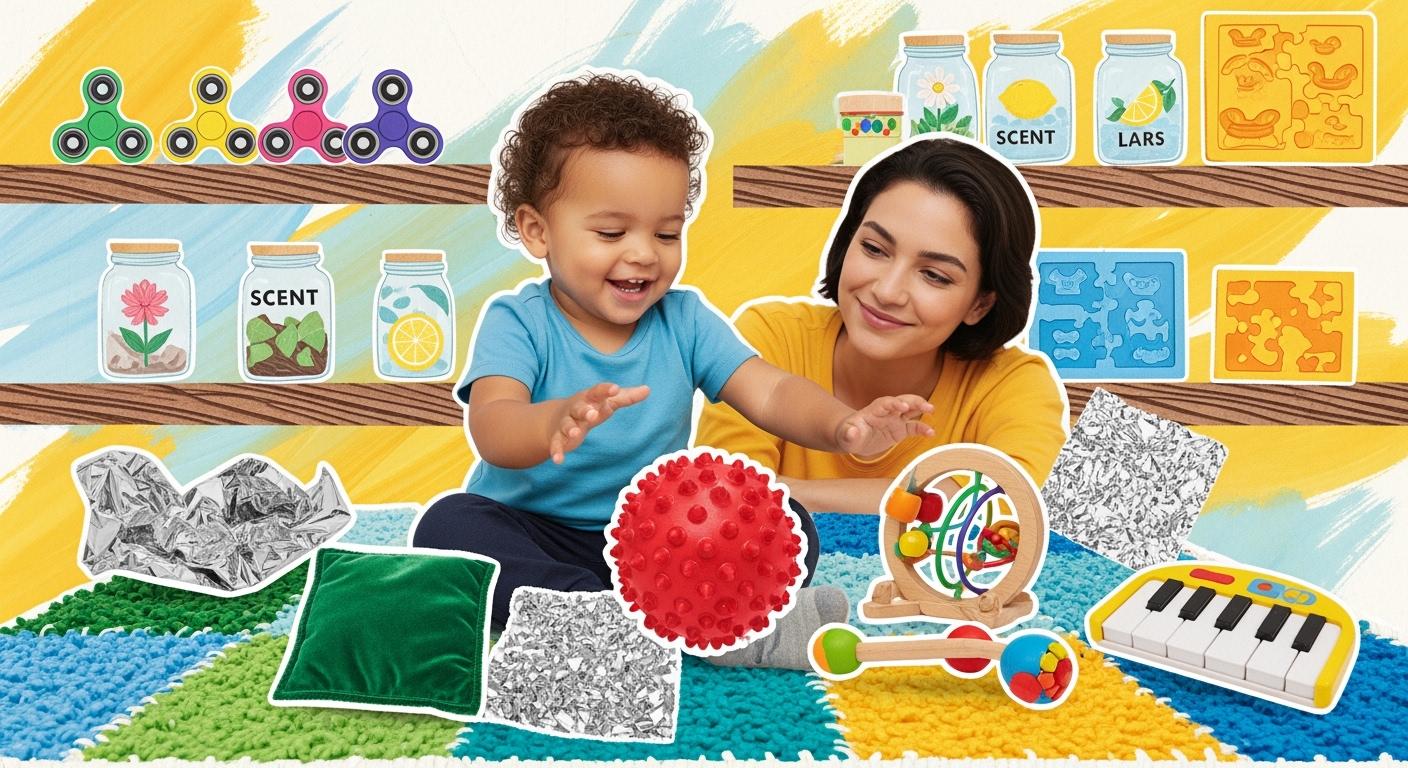
Sensory enrichment therapy helps children with autism make new brain connections. It also helps them do better in daily life. This therapy uses sensory integration to help children feel safe and sure of themselves. Studies show children in these programs get better motor coordination. They also become more responsive in social situations. Many children are six times more likely to improve daily skills. A neurodiversity-affirming approach matches activities to each child’s strengths. You can try these helpful strategies to help your child grow.
Key Takeaways
Sensory enrichment therapy helps kids with autism build new brain links and get better at daily tasks.
Activities that use touch, movement, and balance help the brain change and process senses better.
Therapy helps kids pay attention, control feelings, and talk to others, which makes them feel more sure and able to do things alone.
Personalized therapy matches each child's sensory likes and strengths, helping them grow and learn.
Easy sensory activities at home or school can help kids develop and feel better.
Sensory Enrichment Therapy and Autism
Brain Plasticity and Sensory Integration
Sensory enrichment therapy helps children with autism make new brain connections. This therapy uses activities that involve touch, movement, and balance. These activities help the brain change and grow. This change is called brain plasticity.
Ayres Sensory Integration Therapy (ASI) is a well-known therapy created by Jean Ayres. It was made to help children with learning and behavior problems. ASI is based on research about neuroplasticity. This research shows the nervous system can change. ASI uses sensorimotor activities that are made for each child. These activities happen during play. They help children learn new behaviors because their brains change from these experiences.
Sensory enrichment therapy helps children with autism process sensory information better. Children may pay more attention, plan movements, and control their actions.
SIT helps the brain reorganize connections in areas that handle many senses. These areas include the parietal cortex, cerebellum, and thalamus. SIT uses repeated and structured activities to help the brain handle sensory input. This can make sensory networks work better.
These changes in the brain may help children pay attention, plan movements, and control behavior. These skills are often different in people with ASD.
How Therapy Differs from Other Approaches
Sensory enrichment therapy is different from other therapies for children with autism. Other therapies, like occupational therapy and ABA, have different goals.
Sensory integration sports training uses planned activities to help motor skills, social skills, and emotions.
These activities use the vestibular system, proprioception, and touch for sensory processing.
Balance games, obstacle courses, and trampolines help with spatial skills and coordination.
Resistance exercises and weighted vests give proprioceptive input for sensory response.
Touching different textures helps build physical feedback systems.
Sports training with lots of sensory input can lower anxiety and sensory overload.
These programs teach teamwork and communication, making children feel more confident.
Occupational therapy helps children with autism do daily tasks. It supports independence, comfort, and participation. Occupational therapy looks at sensory processing, motor skills, and emotions. It respects each child's strengths and interests. ABA therapy uses science to help children manage repetitive behaviors and learn new skills. It uses visual tools and teaches children how to express needs.
Sensory enrichment therapy focuses on sensory experiences and brain growth. It gives children new ways to explore and supports their unique development.
Benefits for Children with Autism

Adaptive Functioning and Attention
When you use sensory enrichment therapy, your child gets better at daily skills. This therapy gives children with autism more chances to practice important life skills. Enrichment activities help your child build executive function skills. These activities also help with attention and learning. Children can focus better and react faster during play and social time.
Sensory enrichment therapy helps children with autism pay attention longer.
The SenITA trial shows children who get sensory stimulation reach more goals in social, emotional, and daily skills, including attention.
Children in the enrichment group improve more often than those who get standard care.
Studies show children in the enrichment group have fewer unusual sensory responses than those in standard care.
Children in the enrichment group gain about 8.4 IQ points, but the standard care group gains only 1.5 points.
You see your child pay attention longer and finish tasks with less help. Occupational therapy also helps children learn routines and become more independent. You can use visual supports and schedules to help your child know what to do each day. These tools make changes easier and help lower stress.
Tip: Try activities that use touch, movement, and balance. These activities help your child practice sensory processing and improve focus.
Emotional Regulation and Confidence
Sensory enrichment therapy helps your child feel more confident and steady. This therapy gives children with autism ways to handle their emotions. Children learn to organize sensory information and stay calm when things are hard. You see fewer meltdowns and less self-stimulation. Your child shows better emotions and joins in more activities.
Sensory integration therapy helps children control their emotions better. Children become more steady and can handle feelings on their own. You notice your child deals with stress better and talks to others more easily. Occupational therapy helps children grow by using play and social time to teach coping skills.
Evidence Type | Description |
|---|---|
Improvement Rate | Children who get sensory enrichment therapy improve six times more in autism checks than the control group. |
Diagnostic Criteria | 21% of children in the enrichment group score below the autism cut-off after six months, but none in the control group do. |
IQ Score Increase | Children show higher IQ scores, which means they think and behave better. |
You see your child feel proud as they learn new things. Enrichment activities give children chances to try new things and celebrate wins. You help your child grow by encouraging play and learning in safe places.
Social Skills and Independence
Sensory enrichment therapy helps your child build social skills and independence. Children with autism get better at talking and joining in with others through these activities. You use occupational therapy to teach communication and help with social growth. Children practice playing and joining groups.
Supportive places help autistic children do well in many settings.
Visual supports like schedules and social stories help children know routines and handle changes. These tools lower stress and help children be more independent.
Sensory-friendly spaces help children relax when things get too loud or busy. Children feel safe and join in learning and social activities more.
You see your child play with others and talk more. Occupational therapy gives children ways to handle daily skills and become more independent. You help your child by making sensory-friendly spaces and using activities they like. Children learn to make choices and join in new things.
Note: Ask your child to try new enrichment activities at home and school. These activities help build talking skills, social interaction, and independence.
Enrichment Activities in Daily Life

Sensory Play and Creativity
Sensory play helps children with autism learn and explore. Sensory enrichment therapy gives children chances to practice daily skills. When you use things like kinetic sand trays, you help with touch learning and creativity. Children can make shapes and pretend, which builds small hand muscles and imagination. A calm-down bottle you make at home helps with emotions. Children watch the colors move and feel relaxed. Popping bubble wrap makes fun sounds and feels interesting. This activity helps with hand control and sensory skills.
Water beads in a bin let children feel new textures and see bright colors. Weighted lap pads or blankets help children feel calm and in control. These activities help children try new things and show their feelings. Sensory play also helps the brain grow, improves memory, and builds problem-solving skills. You give children a safe place to explore and feel good about themselves.
Tip: Try art projects and garden time for more sensory fun. Children can paint, touch leaves, or dig in dirt. These activities help with feelings and talking to others.
Integrating Activities at Home and School
You can add enrichment activities to your home and school routines. Start by learning what each child likes and dislikes. Make a helpful space with sensory tools, like headphones for loud sounds. Use a play area with sensory items. This helps children feel safe and ready to learn.
Occupational therapy can help you pick the best activities. Use picture schedules so children know what will happen next. Give rewards during play to keep children interested. Slowly add new sensory places, like a quiet pool, to help children get used to them. Sensory kits with fidget toys can help when things feel too much.
At school, teachers can change activities to fit each child. Occupational therapy helps with learning, talking, and joining in. Quiet spaces help children stay calm and focused. These ideas build daily skills, help with emotions, and make children feel sure of themselves. You help children do their best by making enrichment part of every day.
Neurodiversity-Affirming Approach
Personalizing Therapy for Individual Needs
You help your child do well with a neurodiversity-affirming approach. This means you notice your child’s special strengths and needs. First, you watch how your child reacts to sounds, lights, and touch. You also see how they talk and what they like to do. You can use tests to find out if your child is sensitive to things. When you know these facts, you can make therapy fit your child.
Pick enrichment activities that match your child’s sensory needs.
Change therapy to work on goals like talking or playing with others.
If bright lights bother your child, use soft lights during therapy.
Making therapy fit your child helps them reach their goals. You give your child a safe place to learn and grow. This way helps your child handle feelings and feel more sure of themselves. Your child feels seen and important.
Respecting Sensory Preferences and Strengths
You respect your child’s sensory likes by watching and listening. You notice what helps your child feel calm or excited. Occupational therapy starts by looking at what your child does well and what is hard. Then you make a plan that uses your child’s interests and goals.
Use words that show your child’s strengths and help them feel good.
Change activities to fit your child’s sensory needs.
Make sure therapy does not force your child into things they do not like.
Fun play that matches your child’s interests gives them power. When you use things your child enjoys, they pay attention and feel proud. These activities let your child learn in their own way. Quiet play can help your child handle feelings and learn new things. You see your child join in with others and have more fun.
Tip: Let your child pick some activities. This helps them feel in charge and supports their feelings and social skills.
You can help children with autism learn and grow. Sensory enrichment therapy helps with emotions, daily life, and being independent. Calming things, like soft fabrics and quiet sounds, help children feel better and play with others. You can pick activities that fit each child’s needs and what they are good at. Try these ideas at home or in school:
Category | Actionable Steps |
|---|---|
Physical Activities & Movement | |
Music & Rhythm-Based Strategies | Listen to calm music, drum, or sing |
Structured Routines | Use the same schedule, set timers, and give warnings before changes |
Engaging in Special Interests | Let children do their favorite things |
You help each child by noticing what makes them special. You make play and time with others fun and important for them.
FAQ
What is sensory enrichment therapy?
Sensory enrichment therapy uses activities that help your child’s brain grow. You use touch, movement, and play to support learning. This therapy helps your child process information and feel more comfortable in daily life.
How do I know if my child needs sensory enrichment therapy?
You may notice your child avoids sounds, textures, or movement. Your child may have trouble focusing or calming down. If you see these signs, talk to a therapist who works with children.
Can I do sensory enrichment activities at home?
Yes! You can use simple activities like playing with sand, water, or textured toys. Try painting, jumping, or listening to music. These activities help children explore and learn in a safe space.
How long does it take to see results?
Every child is different. Some children show progress in a few weeks. Others may need more time. Stay patient and keep using therapy activities every day.
See Also
Benefits Of Sensory Rooms For Autistic Children
Creating A Sensory Gym For Kids With Autism
Enhancing Motor Skills In Autistic Kids With Sensory Toys

