How Sensory Educational Toys Make Classrooms More Inclusive
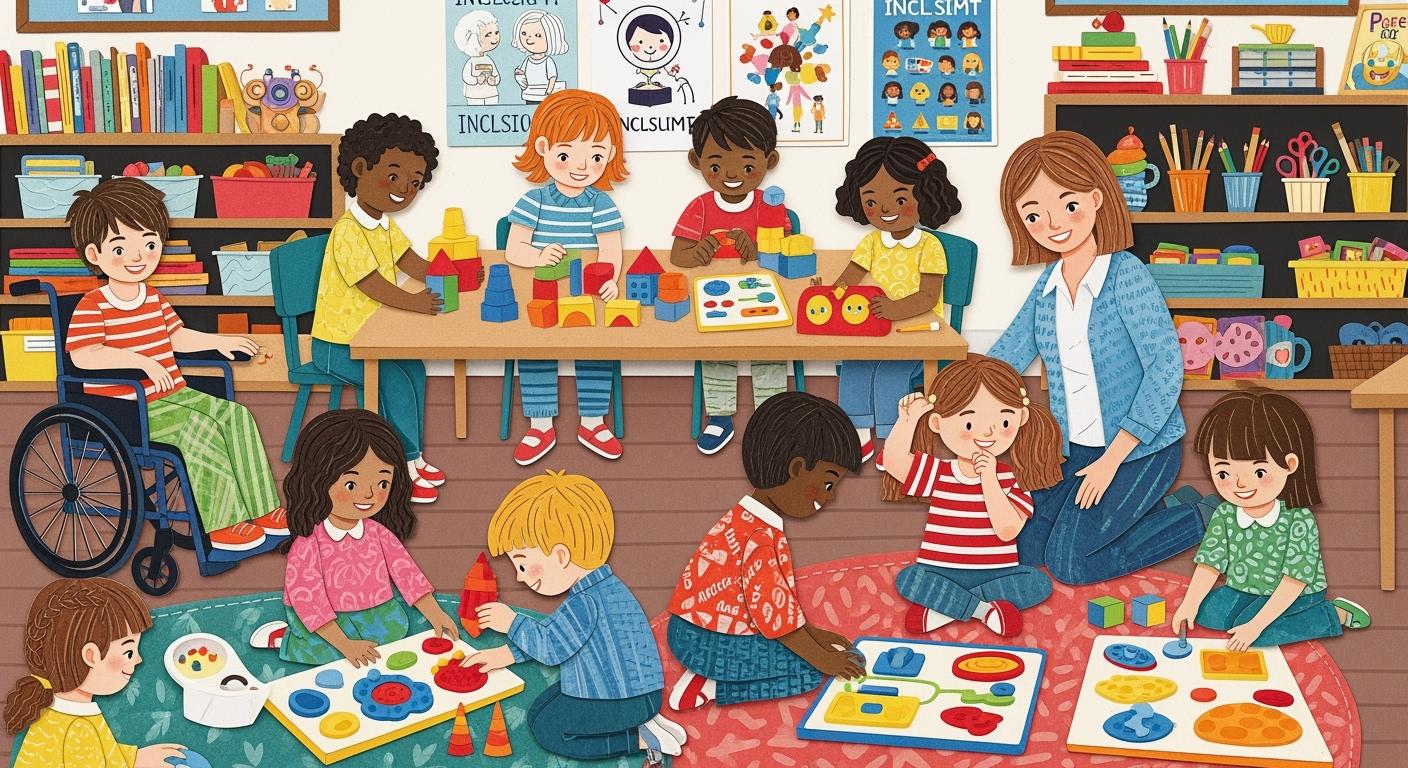
Sensory educational toys help make classrooms welcoming for everyone. Some students have trouble staying comfortable and focused. These tools can help meet their needs. They also help all students pay attention. Studies show that multi-sensory toys help students learn better. They also help more students join in.
Giving sensory educational toys lets every student learn and join in. Research shows sensory integration helps kids with autism and other learning differences.
Study | Findings | Impact on Engagement | Impact on Inclusivity |
|---|---|---|---|
Parental perspectives on fidget toys | Parents of autistic kids said fidget toys lower anxiety and help focus more than NT parents did. | Autistic kids who seek sensory input get more help from fidget toys. | Schools should think about different sensory needs in their rules. |
Previous research (Ashburner et al., 2008) | Autistic kids often look for ways to meet their sensory needs. | Fidget toys help control sensory needs and may help students pay attention. | Shows why classrooms need inclusive plans. |
Pine et al. (2007) | Not letting NT kids use hand gestures made them do worse on tasks. | Letting students fidget can help them focus and do better. | Shows that schools should meet sensory needs for everyone. |
Key Takeaways
Sensory educational toys help students pay attention and learn more. These toys use the senses to keep students interested. Sensory toys help students control their emotions and calm down. They help students handle their feelings in a good way. Sensory toys also help students build fine motor skills. They help students think better by letting them play and learn. Sensory-friendly classrooms help all students. They make learning fun and fair for everyone. Teachers should pick sensory tools that fit what students need. They should let students use these tools to help them learn, not just for fun.
What Are Sensory Educational Toys?
Key Features and Types
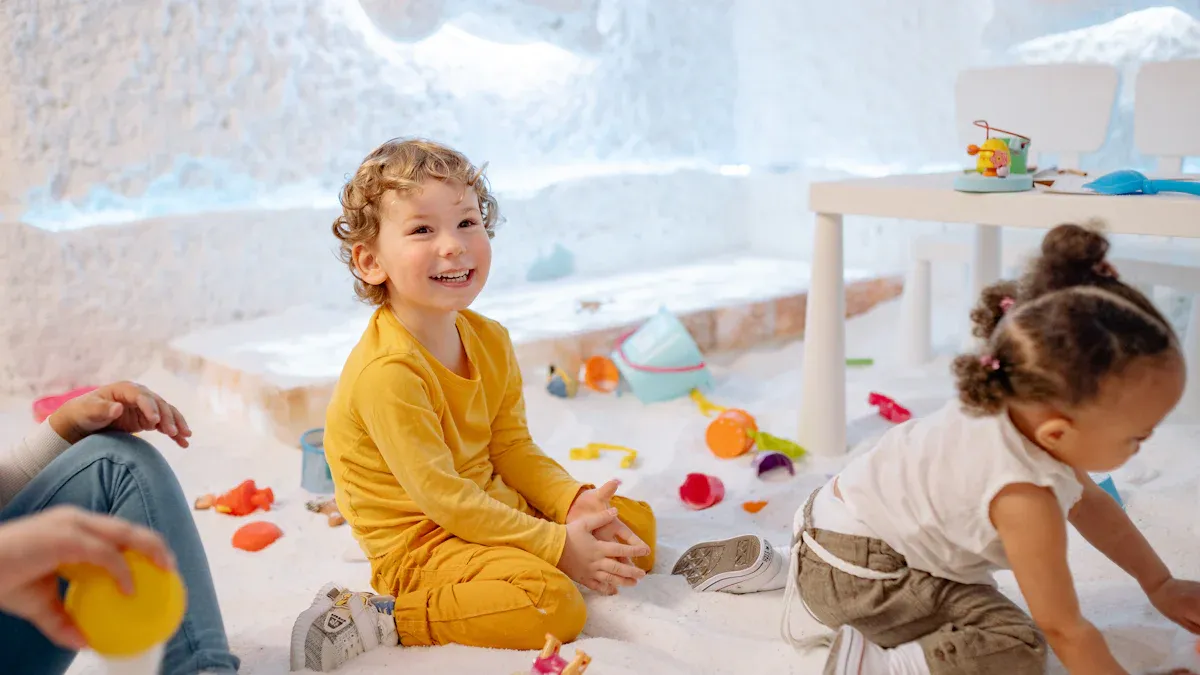
There are many sensory educational toys in classrooms now. These toys help you learn by using touch, sight, and sound. Each type of sensory toy helps you in a special way.
Tactile sensory toys let you feel many textures. You can squeeze playdough or touch kinetic sand. You might dig in a sensory bin. These activities make your hands stronger. They also help you get better at small hand movements.
Visual sensory toys use bright colors and moving shapes. You can watch bubbles in a tube or look through a kaleidoscope. You might use a light table to mix colors. These toys help you follow moving things and learn about colors.
Auditory sensory toys make sounds and music. You can shake a musical instrument or listen to a sound tube. You might hear calming white noise. These toys help you notice sounds and get better at listening.
Sensory educational toys are special because they do more than entertain. They help you learn by using your senses in new ways.
Role in the Classroom
Sensory toys help make your classroom a better place. You can use them to calm down or focus. You might take a break with them when you feel stressed. Teachers set up areas with sensory toys so you can pick what helps you.
Sensory educational toys are different from regular toys. The table below shows how they are not the same:
Feature | Montessori Toys | Traditional Toys |
|---|---|---|
Design | Made from natural materials with simple looks | Often made in factories with bright colors and sounds |
Purpose | Made for learning and education | Made for fun, not learning |
Play Style | Lets you play in many ways and be creative | Often has set ways to play and less exploring |
Educational Value | Helps you build skills and be independent | Gives short fun but not much learning |
Sensory Experience | Gives you touch, sound, and visual stimulation | Does not give much sensory experience |
Sensory toys help you stay interested and ready to learn. They support everyone in the classroom, not just some students. When you use sensory educational toys, you feel included and can join every activity.
Benefits of Sensory Tools for Students
Enhancing Focus and Attention
Sensory toys help you pay attention in class. Many students have trouble sitting still. It can be hard to focus for a long time. Sensory toys keep your hands busy. This helps your mind stay on the lesson. You can squeeze a stress ball or use a fidget spinner. These tools help you focus better. They also lower sensory overload. This makes it easier to listen and learn.
Here is a table that shows how sensory toys help you in the classroom:
Benefit | Description |
|---|---|
Reducing sensory overload helps students maintain better concentration during lessons. | |
Improved Behaviour | Sensory tools assist students in self-regulating, leading to fewer disruptive behaviors. |
Academic Achievement | Meeting sensory needs increases student engagement and information retention, boosting performance. |
Some people think fidgeting is bad. But it can help you use your energy in a good way. This is very helpful for students with ADHD. Tactile stimulating devices let you stay on task. You can feel more comfortable in class. Sensory toys make learning more fun for everyone.
Supporting Emotional Regulation
Sensory toys help you control your feelings. If you feel anxious or upset, you can use a sensory toy. This helps you calm down. A calm-down bottle or a soft toy can help you relax. These tools help you handle strong emotions.
Some students have trouble switching between activities. Sensory toys make these changes easier. You can use a visual timer or a sensory object. This helps you move from one task to another. It makes transitions less stressful. Sensory toys help you share your feelings, even if talking is hard.
Sensory toys help all students, not just those with special needs. They help you stay calm and pay attention. You can join group activities more easily. Sensory-friendly teaching strategies like sensory breaks help everyone get ready to learn again.
Promoting Fine Motor and Cognitive Skills
Sensory toys help you build skills for daily life. Playing with small objects helps your fingers and hands. This helps you write, draw, and tie your shoes. Sensory toys make practice fun and interactive.
You use your brain when you play with sensory toys. You solve problems and make choices. You learn new words. You might talk about how a toy feels or sounds. This helps you remember things and build language skills. Sensory toys help your brain grow by making new connections.
Here are some ways sensory toys help you develop:
Build fine motor skills through play and manipulation.
Stimulate hand-eye coordination and problem-solving.
Support language development by exploring textures and sounds.
Foster social skills by encouraging shared play and cooperation.
Sensory toys give you many benefits. They help you learn, play, and grow. You can use them whether you have special needs or not. Sensory toys help make your classroom a place where everyone feels included. They help every student get ready to learn and succeed.
Sensory Educational Toys and Classroom Support
Addressing Diverse Learning Needs
Students learn in many different ways. Sensory toys help make classrooms friendly for everyone. These tools give students choices for learning and calming down. Sensory integration theory says sensory toys help students handle sensory information better. This helps students focus more, make friends, and be independent.
Sensory toys and aids help students by:
Helping students control their feelings and join activities.
Letting students calm down when they feel too excited.
Helping students get better at talking with others and handling emotions.
Lowering self-stimulating actions and helping students do things on purpose.
Using sensory toys meets each student’s sensory needs. Students with sensory processing differences feel safe and ready to learn. Every student gets a chance to join classroom activities.
Supporting Students with Special Needs
Sensory toys help students with special needs like autism, ADHD, and anxiety. These tools help students focus and handle too much sensory input. Sensory toys help students calm down and stay interested.
Here is a table that shows how sensory toys help students with different needs:
Benefit | Explanation |
|---|---|
Sensory toys help autistic children focus by giving them something to fidget with. | |
Sensory overload management | These toys make the classroom feel more predictable and help students deal with too much noise or light. |
Developed motor skills | Many sensory toys help students practice using their hands and eyes together. |
Improved self-regulation | Sensory toys teach students ways to calm themselves when they feel stressed. |
You can make calm corners with sensory toys for students who need a break. Flexible seating lets students pick where they feel best. Sensory breaks during lessons help students get ready to learn again. Using sensory toys helps students with special needs and helps everyone in the class.
Tip: Let students choose which sensory toys and aids they want. This helps them feel calm and focused.
Encouraging Exploration and Discovery
Sensory toys help students explore and find new things. Students can touch, see, and hear different materials. Playing with sand, squishy items, or texture bins helps students learn by doing. These activities make students curious and make learning fun.
Sensory toys and aids help exploration in many ways:
They help students focus and pay attention.
They give students new things to touch and try.
They help students feel calm and handle emotions.
They help all students learn in their own way and make the classroom exciting.
Students can use sensory paths to move, light learning rocks to play with colors, and sound matching games to listen. Sensory gardens and DIY sensory bottles give students places to relax and be creative. Exploring with sensory toys helps students find new ways to learn and grow.
Note: Classrooms with sensory toys help everyone. Sensory toys and aids help students focus, support different teaching styles, and help all students feel calm and ready to learn.
Creating Sensory-Friendly Classrooms
Practical Integration Strategies
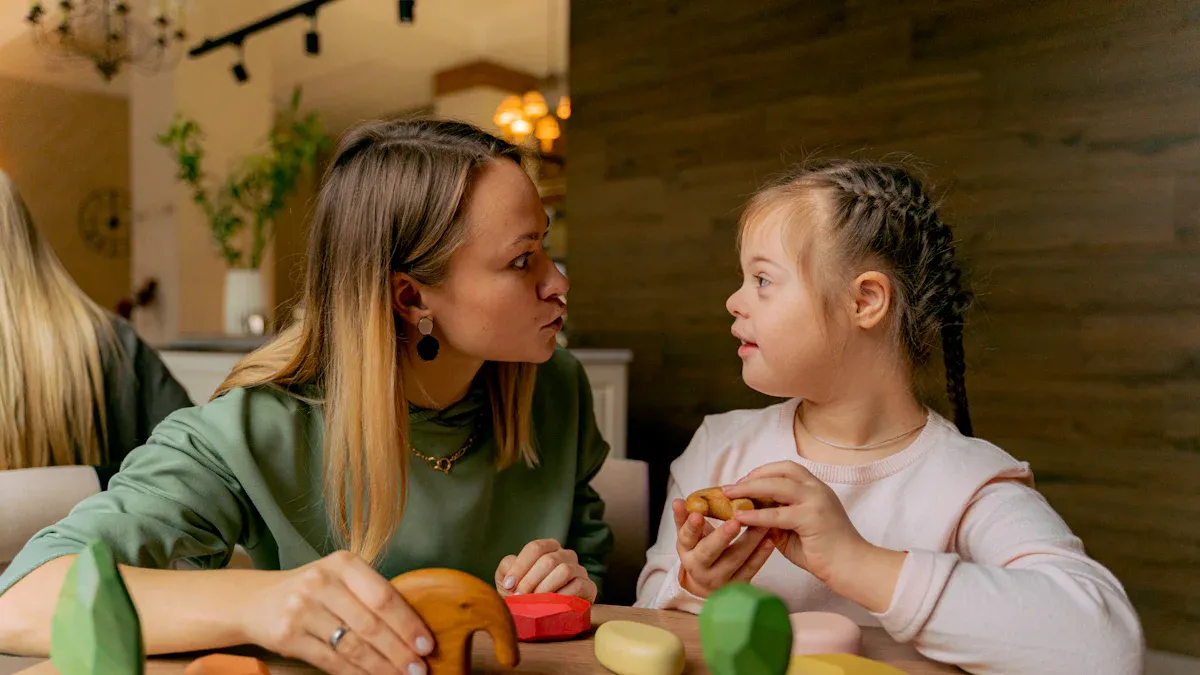
You can make your classroom sensory-friendly by using sensory tools in smart ways. Start with short movement breaks between lessons. These breaks help students get ready to learn again. Put up a clear visual schedule so everyone knows what will happen each day. Make a small, calm space with soft seats for students who need a break. Fill your classroom with sensory toys like noise-reducing headphones, textured balls, and fidget spinners. These toys help students handle sensory input and stay focused.
Try giving students different places to sit and quiet spots to work. Seat students away from doors and windows to cut down on distractions. Use daily routines that include brain breaks and let students know about changes ahead of time. Visual aids and extra time for work help students with sensory processing challenges. You can use sensory tools during math, reading, and group work. These toys help students work together and talk to each other.
Strategy | Description |
|---|---|
Sensory support tools | Give headphones, multisensory toys, and pencil grips to help students with sensory input. |
Cozy box | Put pillows in a box for students to use when they feel overwhelmed. |
Flexible seating | Offer quiet places to work and seat students away from distractions. |
Consistent routines | Use visual schedules and brain breaks to help students feel safe. |
Instructional support | Give more time and use visual aids for students who need sensory help. |
Making quiet corners with sensory tools helps students control their feelings and feel better.
Tips for Educators
Pick sensory toys that fit your students’ ages and needs. Choose toys that help with fine motor skills and emotional control. Add sensory tools to your lessons to help students join in and learn at their own pace. Work with other teachers and families to learn about each child’s sensory needs. Talk to therapists to change your classroom and match IEP supports.
Let students pick their own sensory tools. Make sure everyone can use them so no one feels left out. Teach students how to use sensory toys for learning, not just for fun. Give clear rules to stop misuse and offer many types of toys. Never use sensory tools as a punishment. Help students learn to control themselves and find out which toys help them most.
“Good sensory learning means having the right materials ready. Watch your students to see what works. Their actions show you if something is helping or not.”
Keep changing your sensory-friendly classroom based on what students need. Look for signs that students are interested or not paying attention. Change your sensory tools and toys if needed. Talk often with parents and support staff to solve sensory problems. By using these tips, you make a classroom where every student feels welcome and ready to learn.
You can make your classroom better for everyone by using sensory educational toys. These tools help students with different needs feel welcome. Studies show sensory activities help students act less repetitive and pay more attention.
Study | Findings |
|---|---|
Fava & Strauss (2010) | Autistic and ID adults did fewer repeated actions when MSE sessions were open. |
Hill et al. (2012) | ID participants joined in more when caregivers gave lots of attention during MSE. |
Mey et al. (2015) | Autistic children’s sensory skills got better after using MSE. |
Sensory toys help students feel calm and focus better.
They help students talk to each other and learn new skills.
You can add sensory tools easily and help every student feel important. Start now and make a classroom where everyone feels like they belong.
FAQ
What are sensory educational toys?
Sensory educational toys help children learn by using touch, sight, and sound. You can use these toys to help children focus, calm down, and build skills. Teachers use them to make learning fun and help children feel included.
How do sensory toys support children with special needs?
Sensory toys help children with autism, ADHD, and anxiety. You can use these tools to help children manage feelings and stay focused. Sensory toys give children ways to calm down and join classroom activities. Every child can benefit from sensory toys.
Can sensory toys help all children in the classroom?
Yes! Sensory toys help all children, not just those with special needs. You can use these toys to help children pay attention, relax, and learn new skills. Sensory toys make the classroom a better place for every child.
How do you choose the right sensory toys for children?
You should look at what children need and like. Pick toys that help children with fine motor skills, emotional control, and learning. Ask children what helps them feel calm and focused. You can change toys as children grow and learn.
Where can you use sensory toys with children in the classroom?
You can use sensory toys in calm corners, during breaks, or in group work. Children can use them at their desks or in quiet spaces. Teachers add sensory toys to daily routines so children feel safe and ready to learn.
See Also
Essential Elements for Effective ASD Sensory Rooms in Schools
Creating Sensory-Friendly Classrooms: A Guide for Teachers
Understanding Sensory Interactive Tools for Special Education Support
Benefits of Weighted Sensory Toys for Children with Challenges
