How Sensory Education Boosts Early Childhood Growth
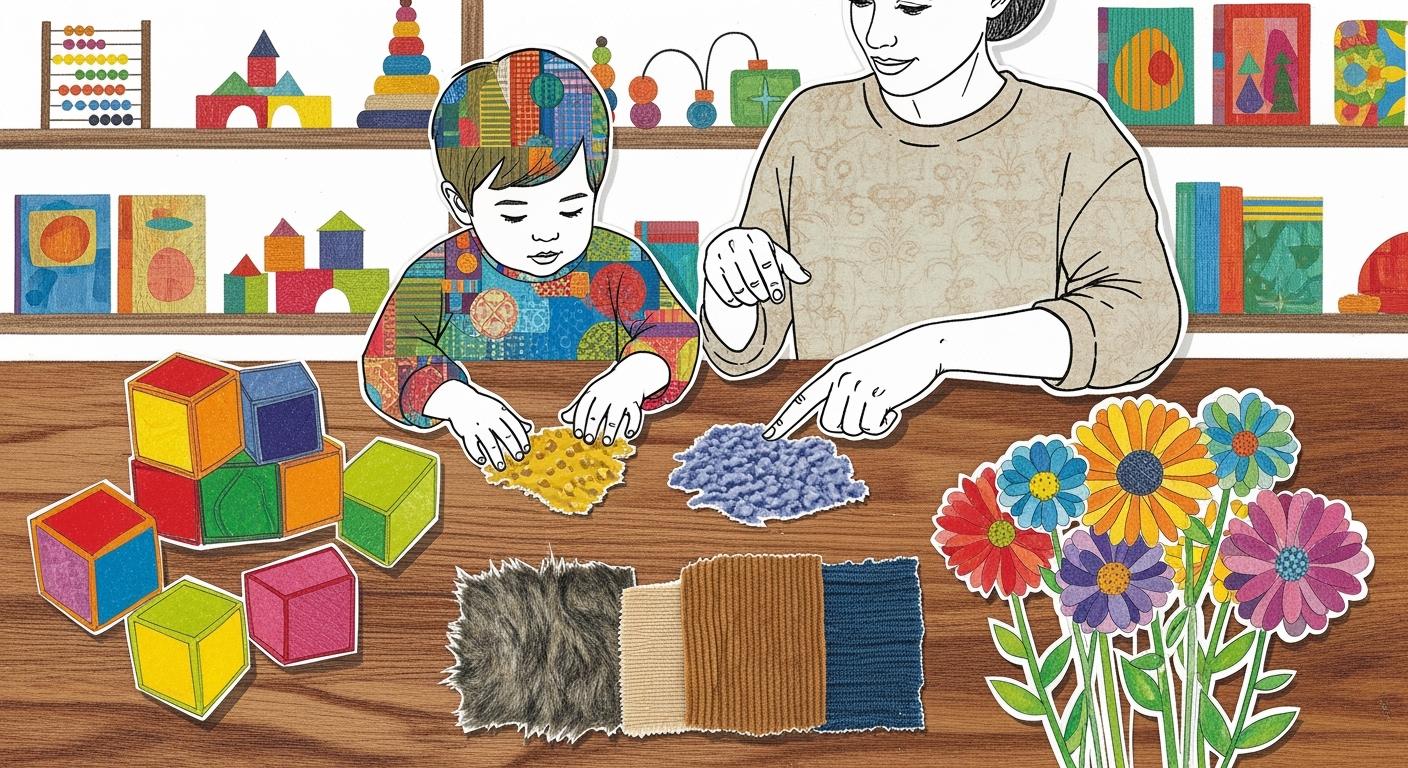
You help your child grow when you support sensory education early. Sensory experiences shape the brain. They build skills like focus, handling emotions, and talking to others.
Study Type | Findings | Outcome Measures |
|---|---|---|
Level I Study | PedsQL, Children's Global Assessment Scale | |
Level II Study | Kids did better at daily tasks if they had sensory issues | COPM |
Sensory experiences help kids sort and react to signals. This builds executive function skills.
Rich environments make brain connections stronger. They help kids grow in a healthy way.
You can change sensory education for any child. This makes it easy and useful every day.
Key Takeaways
Help your child grow by supporting sensory education early. It helps them focus, handle emotions, and learn social skills.
Let your child play with sensory activities to build brain connections. Touching, seeing, and moving help memory and problem-solving.
Make a sensory-friendly space at home. Use soft lights and keep noise low so your child feels calm and focused.
Ask your child to try sensory activities. This helps them become independent, confident, and creative.
Praise your child for trying sensory play. Positive feedback makes them feel confident and excited to learn.
Sensory Education and Brain Growth
Building Neural Pathways
A child’s brain grows fast when they are young. Sensory education lets kids touch, see, hear, taste, and move. Each new thing helps the brain make strong links. This helps memory, language, and solving problems.
Sensory education helps kids think better and remember things.
Doing sensory activities again and again makes brain links stronger. Experts say, “What fires together, wires together.”
Multi-sensory teaching is used in many schools. It helps kids learn to read and do math. It also helps kids with learning differences.
You can see how sensory experiences change the brain every day. For example, playing with blocks, listening to music, or feeling textures builds new brain links. These activities help kids grow and learn later.
Mechanism | Description |
|---|---|
Sensory Stimulation | Changes brain circuits as kids play with objects, people, and sounds. |
Affectionate Touch | Activates nerves that make kids feel happy and less stressed. |
Skin-to-Skin Contact | Helps brains grow faster and make stronger links, especially for babies born early. |
Sensory Processing and Learning
You help your child learn by watching how they react to sights, sounds, and touch. Sensory processing affects focus, behavior, and school skills. Some kids process sensory information in different ways. This can make learning harder, even if they are smart.
Kids with sensory processing challenges may have trouble focusing or following directions.
Visual processing issues can make reading hard. Kids may lose their place or get distracted by things on the page.
Auditory processing problems can make it hard to tell sounds apart. This affects learning phonics and language.
A sensory-friendly space helps kids stay calm and focused. It helps them control their feelings and makes learning safe. You can help your child grow by making spaces that fit their sensory needs. This helps all kids, especially those with sensory differences, reach their best.
Sensory Education in Early Childhood Development
Achieving Milestones
When you encourage sensory play, your child grows. Sensory play helps your child reach big steps in early childhood. Exploring textures, sounds, and movement builds skills for life.
Sensory play helps motor skills, thinking, social behavior, and emotions.
Jumping, spinning, or balancing use proprioception and vestibular input. These senses help with balance, feeding, toileting, and emotions.
Research shows sensory play links to milestone achievement. Kids who practice complex motor skills think better. They solve puzzles, remember details, and process sights and sounds more easily.
Evidence Type | Findings |
|---|---|
Correlational Studies | Kids with better motor skills often have higher thinking abilities, like visual processing and fluid intelligence. |
Cultural Practices | Different cultures shape motor development, which changes how kids learn and interact with their world. |
Clinical Populations | Kids with ASD and ADHD may show delays in motor and thinking skills, showing the importance of sensory-motor input. |
Offering many sensory play experiences helps your child’s brain grow. The brain uses the same areas for thinking and moving. Climbing, stacking, or sorting boosts both motor and thinking skills. Sensory play builds a strong base for learning.
Tip: Try activities like pouring water, playing with sand, or dancing. These activities support sensory play and help your child reach new milestones.
Fostering Independence and Confidence
Encouraging sensory play gives your child tools for independence. Sensory play lets your child explore without fear. There is no right or wrong way to play. This freedom builds autonomy and curiosity.
Sensory play helps your child make choices and solve problems.
As your child’s thinking grows, so does their creativity and willingness to try new things.
Sensory play supports language and fine motor skills, which help your child act independently.
Your child’s confidence grows when they try and learn from their actions. The Montessori approach shows sensory education builds fine motor skills, focus, and reasoning. These skills help your child feel sure of themselves. Exploring their environment helps your child trust their abilities.
Sensory play teaches your child to observe, experiment, and analyze. They discover what they enjoy and what they can do. This process builds self-awareness and emotional insight. Supporting sensory play helps your child prepare for school and life.
Note: Celebrate your child’s efforts during sensory play. Encouragement helps them feel proud and eager to try again.
Benefits of Sensory Play for Toddlers

Emotional Regulation and Self-Control
You can help your child handle feelings with sensory play. When your child squeezes clay or pours water, they learn to calm down. Running hands through sand also helps them relax. These activities give a safe way to explore emotions. Sensory play often means fewer meltdowns at home. Kids feel more peaceful.
A 2023 report in Trends in Cognitive Science says sensory experiences connect to emotions. You can use sensory play to help your child understand feelings. This helps your child control their emotions and actions.
Benefit | Description |
|---|---|
Promotes Emotional Regulation | Activities like playing with water, sand, or soft fabrics can calm children and reduce anxiety. |
Sensory play also helps social-emotional growth. When your child explores textures and sounds, they notice their own reactions. This helps them calm themselves and handle stress better.
Sensory play helps kids control emotions and grow socially.
Exploring textures and colors teaches about feelings.
Safe sensory activities support emotional control.
Tip: Make a calming corner with pillows or soft mats. This gives your child a place to relax and practice calming down.
Problem-Solving and Memory
Sensory play builds strong thinking skills for toddlers. When your child sorts by color or texture, they practice memory. They also learn to see patterns. Open-ended sensory play helps your child solve problems.
Aspect of Development | Description |
|---|---|
Encourages Exploration & Curiosity | Hands-on activities promote curiosity and investigative thinking. |
Improves Memory & Retention | Sensory-rich experiences enhance learning and recall by engaging multiple parts of the brain. |
Enhances Problem-Solving Skills | Experimenting with different textures and objects builds logical thinking and adaptability. |
Promotes Creativity | Open-ended sensory activities allow children to express themselves and imagine new ideas. |
You can see how sensory play makes memory stronger. When your child touches, smells, and sees new things, their brain builds strong links. Sorting, stacking, or matching objects helps them remember and solve problems.
Sensory play helps toddlers remember things better.
Multi-sensory activities support language and emotions.
Caregivers can help by offering many sensory play choices.
Note: Ask open-ended questions during sensory play. This helps your child think, reflect, and remember.
Practical Sensory Activities at Home
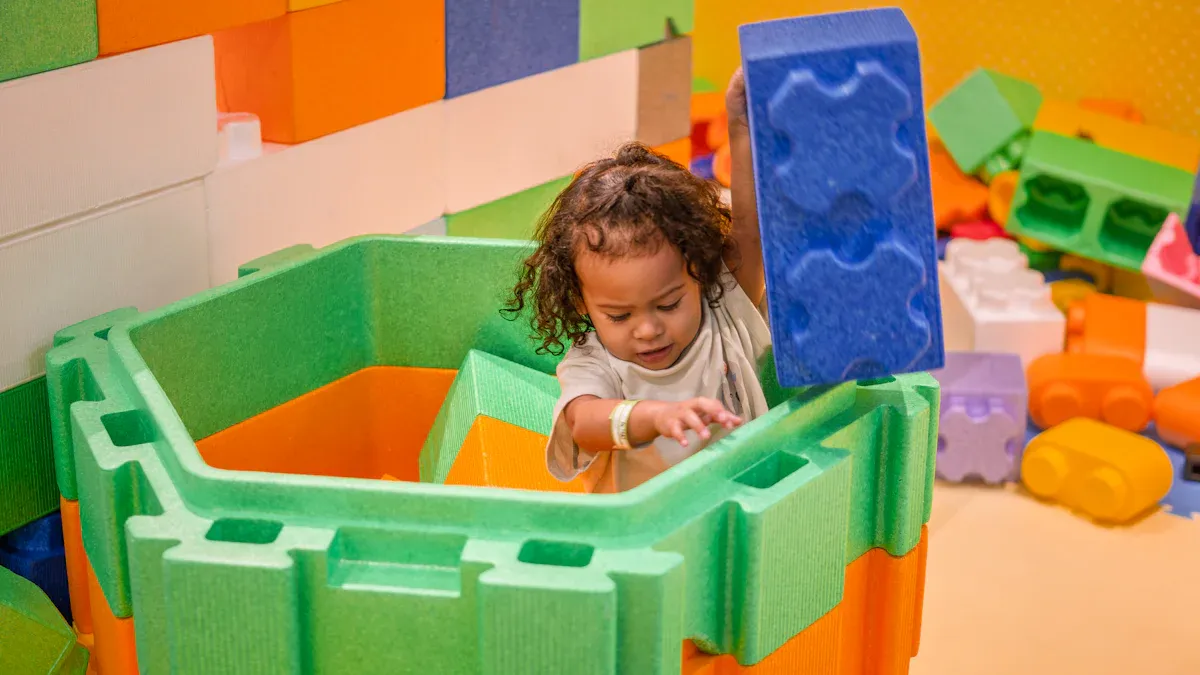
Everyday Sensory Play Ideas
You can do sensory play at home with easy activities. These activities help your child grow and learn. Occupational therapists suggest some simple ideas:
Rice Rainbow Bin: Color rice with food coloring and vinegar. Your child can scoop, pour, and grab the rice. This activity helps fine motor skills. It also uses sight and touch.
Homemade Scented Playdough: Mix flour, water, salt, cream of tartar, oil, and food coloring. Add a few drops of essential oils for smell. Kneading the dough makes hand muscles stronger. It helps your child notice different scents.
Nature Exploration Box: Gather leaves, stones, and other items in a box. Ask your child to touch, sort, and talk about what they find. This activity makes your child curious. It helps them use language.
Mess-free sensory play is also possible. Use sealed bags or a shallow bin to keep spills inside. Let your child help clean up after playing. If you worry about mess, use dry materials or a baking sheet to keep things neat.
Tip: Pick activities your child likes. Some kids enjoy water play. Others like sand, fabric, or gentle movement like rolling or stretching.
Creating a Sensory-Friendly Space
A sensory-friendly space helps your child feel calm and focused. You can make a special area at home with a few changes. Use soft lights or lamps with dimmers to avoid bright lights. Add materials that absorb sound or use headphones to lower loud noises. Keep the room comfortable and remove clutter to stop distractions.
Key Element | Description | Support for Sensory Development |
|---|---|---|
Cut down distractions for a calm space. | Helps focus and supports each child’s sensory needs. | |
Controlling Lighting | Use dim lights or natural sunlight. | Makes the space peaceful and comfortable. |
Noise Management | Add quiet areas and materials that absorb sound. | Helps your child stay calm and avoid too much noise. |
Flexible Seating Arrangements | Give different seating choices. | Supports learning and includes everyone. |
Weighted blankets or fidget toys can make the space cozy. Talk to your child about what they need. Change the space together to fit their needs. Making a welcoming area helps sensory play and makes your child feel safe.
Note: Start with small changes and build your routine slowly. Every child is different, so watch what works and change things as needed.
Sensory Education for Special Needs
Adapting Activities for All Abilities
You can make sensory play work for every child. Kids with sensory sensitivities or developmental differences need special changes. Watch how your child reacts to sensory play. Change the space to avoid too much noise or light. Use soft lights and keep the area tidy for calm. Simple routines help your child feel safe. Visual schedules show what will happen next and build confidence.
Try new sensory play activities slowly. Let your child get used to them at their own speed. Give emotional support during sensory play. Encourage your child to share feelings and take breaks. Soft textures and nice smells help your child feel calm. Set up quiet spots with cozy items for your child to use when they feel overwhelmed.
Modification Type | Description |
|---|---|
Changes like softer lighting and less clutter to lower sensory load. | |
Predictable Routines | Visual schedules make routines clear and help kids feel safe. |
Gradual Exposure | Slowly adding new sensory activities helps kids build tolerance. |
Co-regulation and Emotional Support | Emotional support helps kids handle sensory input better. |
Calming Textures and Scents | Soft materials and pleasant scents help kids relax. |
Designated Quiet Areas | Quiet spaces with comforting items give kids a place to calm down. |
Studies show sensory play can be changed for many abilities. Programs like CUESORY help kids with sensory processing disorders or delays. Sensory-based teaching makes brain connections stronger and helps kids remember things, especially those with ADHD. Regular sensory play builds a strong base for learning later.
Supporting Inclusion and Security
You help all kids feel included by making sensory-friendly spaces. Check noise levels and offer quiet places for sensory play. Use soft lights and keep spaces neat so kids can focus. Clear routines and rules lower stress, especially for kids with autism. Flexible seating lets kids move as needed. Movement breaks and physical activity help kids stay engaged.
Sensory play helps kids handle their sensory needs and adjust to new places.
It builds strength and helps kids face challenges.
Structured sensory play helps kids grow and develop.
Sensory play boosts emotional awareness and control in kids with autism.
It supports social skills and creates calm spaces that build confidence.
Sensory play helps kids control themselves as they get older.
It helps kids do better in school and grow socially and emotionally.
Early sensory play can improve thinking skills.
Knowing each child’s sensory likes helps them do better. Custom sensory play plans help kids manage their reactions and learn. Calm spaces and sensory tools help kids focus and feel comfortable. You help your child join in and make routines easier.
Tip: Ask your child which sensory play activities they like. Change the space and routines to fit their needs and stage of growth.
You help your child grow by using sensory education. Studies show sensory play helps motor skills and social skills. It also helps kids control emotions and adapt to changes. Sensory play improves attention span and motor abilities.
Strategy | Description |
|---|---|
Create sensory-friendly environments | Calm spaces and soft lights help your child focus. |
Build a sensory toolkit | Pick things like weighted blankets or headphones for comfort. |
You can change sensory activities to fit your child’s needs. All kids can benefit from sensory play. Celebrate your child’s journey and help them do their best.
FAQ
What if my child dislikes certain sensory activities?
You can try new activities or change the environment. Start with what your child enjoys. Slowly add new textures, sounds, or movements. Respect your child’s comfort level.
How much sensory play does my child need each day?
You can start with 10–15 minutes daily. Watch your child’s reactions. Increase time if your child enjoys the activity. Short, frequent sessions work best.
Is sensory play safe for all children?
Most sensory play is safe. You should supervise your child. Avoid small objects for children under three. Check for allergies before using new materials.
Can sensory education help with picky eating?
Yes, sensory play can help.
You can let your child touch, smell, and play with food.
This lowers stress around new foods and builds comfort with eating.
See Also
Essential Elements for Effective Sensory Rooms in Schools
A Comprehensive Resource for Sensory Play Activities in Preschool
Understanding Sensory Interactive Tools for Supporting Special Education
