Sensory Ear Muffs vs Earplugs A Parent’s Guide
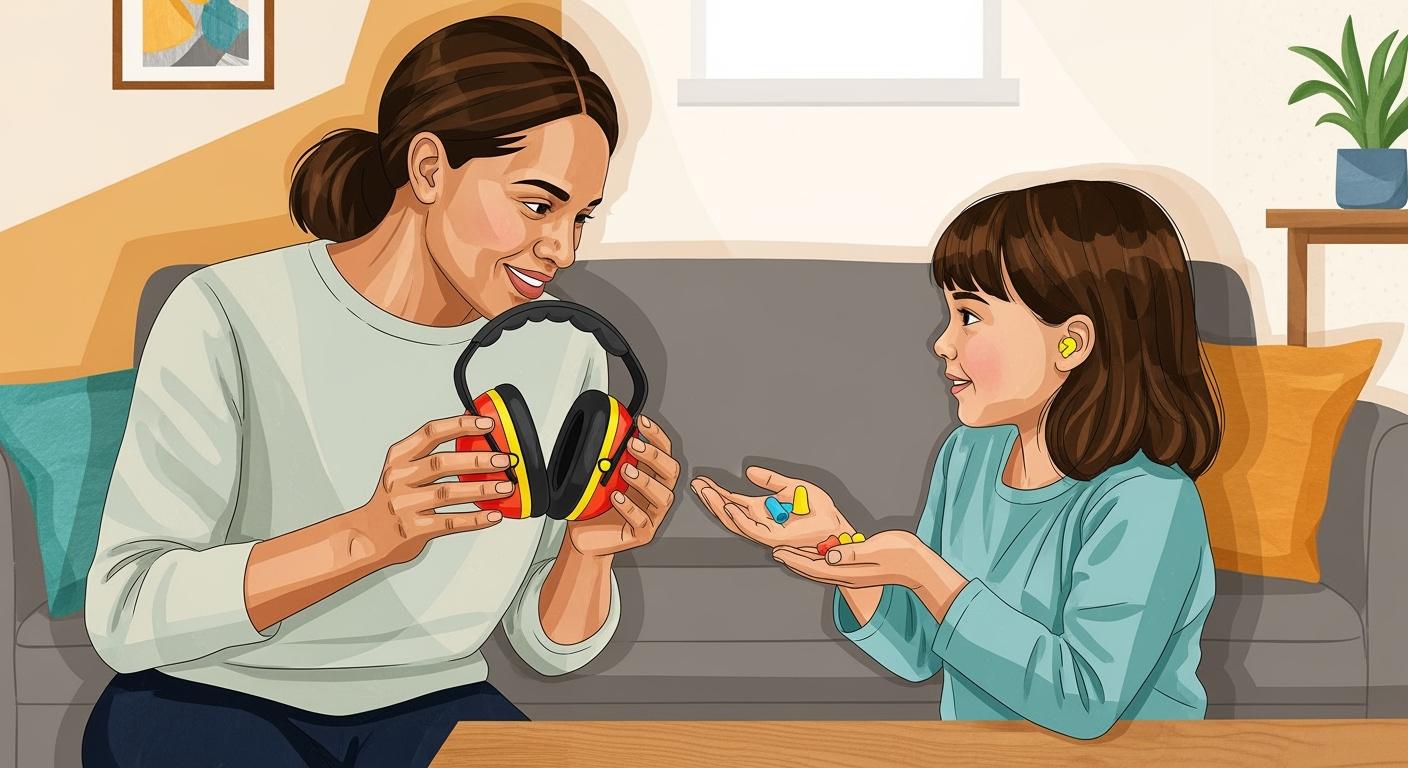
When you help kids with asd handle too much noise, you may ask which is better: sensory ear muffs or earplugs. Most doctors and occupational therapists say both sensory ear muffs and earplugs help kids with asd. If your child does not like loud sounds, you can try Noise Reduction Kids Ear Muffs or earplugs. Kids with asd often feel better when you warn them about loud noises. Some kids with asd like to get to noisy places early. Others with asd look for quiet areas. You know kids with asd have special needs, so always think about comfort, age, and where they are. Kids with asd do better when you support and understand them.
Key Takeaways
Sensory ear muffs and earplugs both help kids with ASD manage noise. Choose based on your child's comfort and the environment.
Sensory ear muffs are great for babies and toddlers. They provide strong sound protection and help create a calm space.
Earplugs are better for older kids who want something discreet. They are easy to carry and can be used in everyday situations.
Always check the fit and comfort of ear protection. Let your child try both options at home to see which they prefer.
Encourage your child to use ear protection in loud places. Start with quiet activities at home to build their comfort.
Understanding Sensory Overload
What Is Sensory Overload
Kids with asd sometimes react more to things than others do. Sensory overload happens when their brains get too much at once. This can make them feel upset, worried, or even scared. Many kids with asd do not like loud or sudden noises. These sounds can hurt or feel too strong. You might see them cover their ears, cry, or want to leave loud places.
There are many things that can cause sensory overload for kids with asd. Some common triggers are:
Loud or annoying noises, even background sounds.
Rooms that are messy or have bright lights or colors.
Foods or clothes that feel strange.
Tastes or smells that are strong or bad.
Changes in plans or surprises.
Feeling tired or worn out.
Kids with asd can also be sensitive to noise. Some want to stay away from sounds. Others might like more noise. Sensory processing disorders are common in kids with asd, autism spectrum disorder, and ADHD. About 5% of all kids have these problems. The number is higher for kids with asd. If your child has these issues, you are not alone.
Sound Management
It is important to help kids with asd manage sound. Not liking loud sounds can make places like school, stores, or home hard. You can help by using sensory ear muffs or earplugs. These tools block loud noises and help kids feel safe. When you help kids with asd, they can feel calm and sure of themselves.
Leemoland cares about kids with asd and their families. The brand has sensory toys and other things to help with sensory overload. You can trust Leemoland to give good products for kids with asd in many places. Every child should feel safe and happy. You can help by understanding what they need.
Sensory Ear Muffs Features

How Sensory Ear Muffs Work
You might wonder how sensory ear muffs help your child in noisy places. Sensory ear muffs cover your child’s ears and lower the volume of sounds around them. They do not block all noise, so your child can still hear what’s important. These ear muffs work well for kids who feel stressed by loud sounds at school, in stores, or at events. Many parents use sensory ear muffs for children with autism, ADHD, or other sensory challenges.
Here’s what sensory ear muffs do for your child:
Help manage overwhelming noise for children with sensory sensitivities.
Lower sound levels without making your child feel left out.
Let your child join in activities while feeling safe.
Support children who feel anxious about sudden loud sounds.
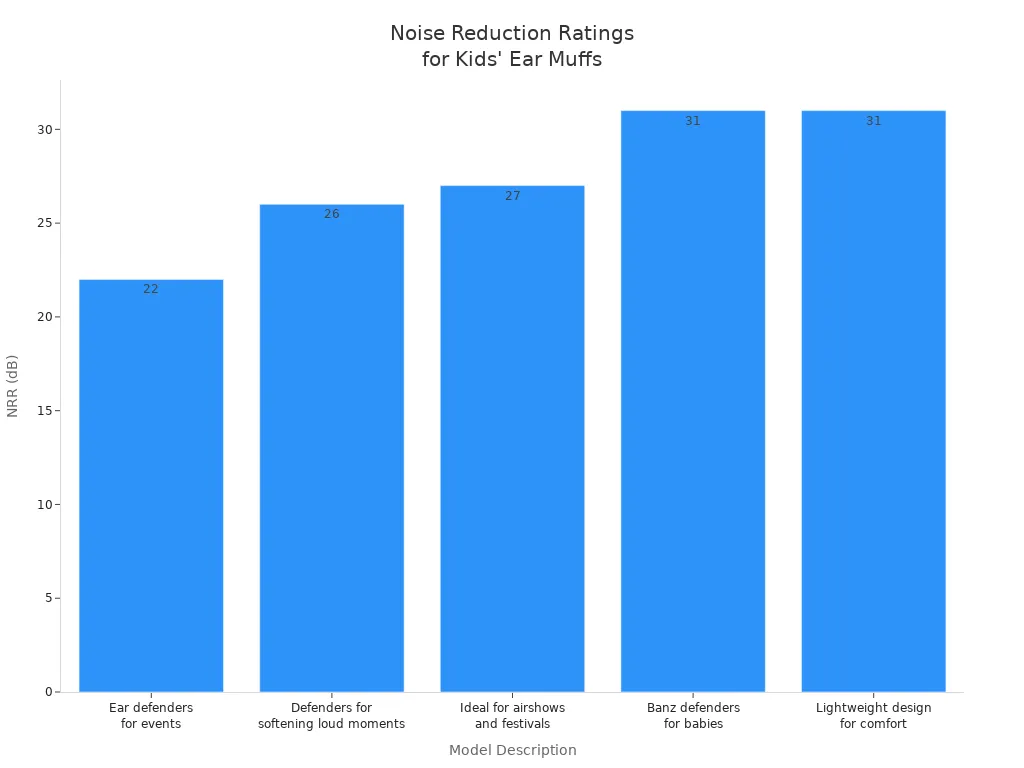
You can find sensory ear muffs with different levels of noise reduction. Some models block about 22 dB, while others go up to 31 dB. Take a look at this chart to see how different ear muffs compare:
Pros and Cons
When you pick sensory ear muffs, you want to know what makes them a good choice. Let’s look at some key points:
Concern | Findings |
|---|---|
Social Acceptance | 40% of people think these devices help kids join social situations. |
Visibility | Some teachers worry kids may not hear instructions with headphones on. |
Overall Benefits | Almost half believe headphones help with listening and vocabulary skills. |
Pros:
Comfortable for most kids to wear for long periods.
Easy to put on and take off, even for young children.
Many styles look like regular noise-cancelling headphones, so your child may feel more confident.
Safe to use in busy places, since your child can still hear important sounds.
Cons:
Some kids may feel self-conscious because sensory ear muffs are easy to see.
Teachers or adults might need to remind kids to listen for instructions.
Leemoland offers a wide range of sensory toys and solutions, including sensory ear muffs and noise-cancelling headphones. You can find options that fit your child’s needs and style. With the right tools, you help your child feel calm and ready for any environment.
Earplugs for Kids
How Earplugs Work
You may wonder how earplugs help with loud sounds. Earplugs go inside the ear and make noises softer. Audiologists often suggest earplugs for kids with sensory needs, like ASD or ADHD. These earplugs lower loud sounds but let your child hear voices and signals. Some parents say Bollsen Kids Earplugs work well. They lower noise but do not make kids feel alone. Your child can use earplugs at school, in stores, or while traveling. Earplugs help stop sensory overload and make loud places easier.
Pros and Cons
When you think about earplugs, you want to know if they fit your child. Here are the main points:
Aspect | Benefits | Drawbacks |
|---|---|---|
Discreetness | Kidz+ earplugs are small and hard to see in the ear. | Some kids may not like how they feel or may not wear them. |
Hygiene | They are made from silicone and are simple to clean. | You must clean and store them often to keep them safe. |
Discreetness: Earplugs are harder to see than headphones. Your child may feel better wearing them in public.
Hygiene: Earplugs are made from easy-to-clean materials. You need to wash them often to keep them safe.
Comfort and Fit: Many earplugs fit well and do not hurt. Some kids like earplugs more than headphones because they are lighter.
Reusability: You can use earplugs many times. This saves money and is good for the planet.
Both earplugs and headphones help with sensory overload. Earplugs are good for trips, school, or busy places. Loop earplugs can make plane rides quieter and help your child rest. If your child does not like headphones, earplugs could be better. You can try both and see which one your child likes.
Tip: Always check that earplugs fit well and are clean before use. This helps your child stay safe and comfortable.
Sensory Ear Muffs vs Earplugs Comparison
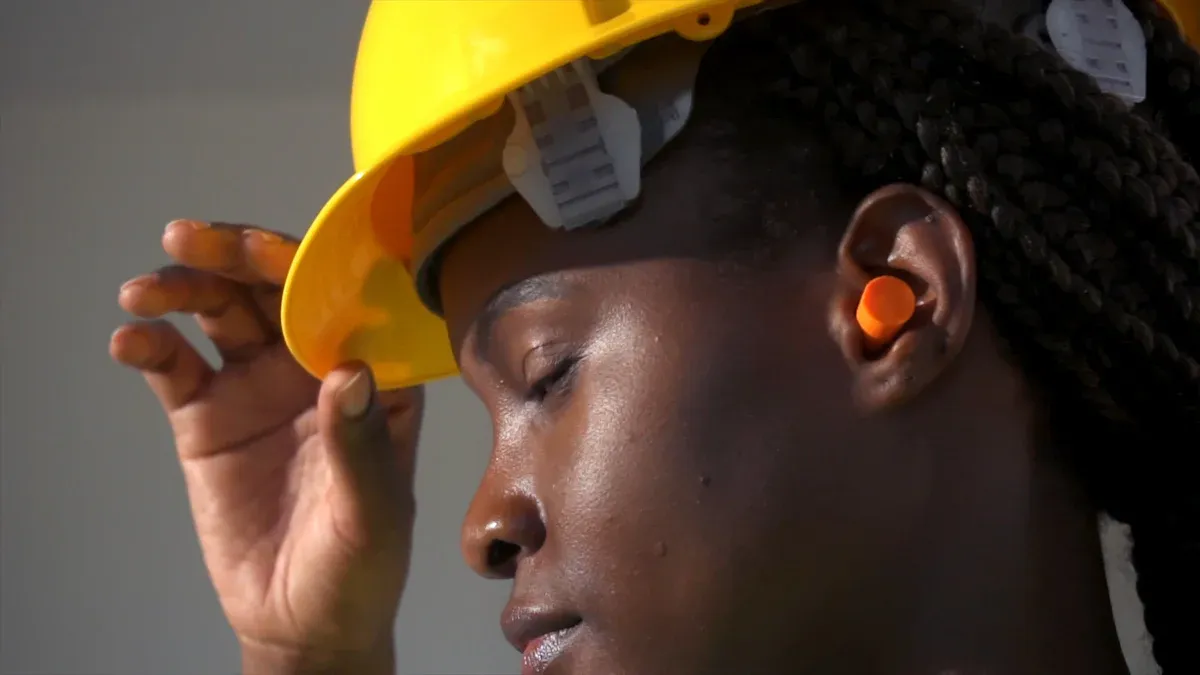
Effectiveness & Comfort
You want your child to feel safe and calm in noisy places. Sensory ear muffs help children with asd by lowering loud sounds. Research shows that earmuffs work well for managing hyper-reactivity in children with asd. They improve how kids react to noise and help them feel less stressed. Noise-cancelling headphones do not always give the same results. Earplugs also help, but earmuffs often block more sound and make children with asd feel more relaxed.
Comfort matters a lot. Sensory ear muffs sit over the ears and feel soft. Many children with asd like the gentle pressure and the way ear muffs cover their ears. Earplugs go inside the ear. Some kids find earplugs comfortable, especially if they fit well and use soft materials. Others may not like the feeling or may not wear them for long. Noise-cancelling headphones look like regular headphones, so your child might feel more confident wearing them in public.
Tip: Try both options at home first. See which one your child prefers before using them in busy places.
Age & Suitability
Choosing the right option depends on your child’s age. Babies and toddlers have delicate ears. Earplugs are not safe for them because they can fall out and cause choking. Ear defenders, like sensory ear muffs, work better for babies. They protect their ears from loud sounds and help create a peaceful space. For older children with asd, both earplugs and noise-cancelling headphones can work well.
Here’s what you should know about age and fit:
Children need earplugs made for their age group. Small ear canals need soft, flexible earplugs.
Comfort is key. Kids will wear earplugs more often if they feel good.
Manufacturers make special earplugs for infants, toddlers, and older kids.
Ear defenders are best for babies and toddlers. Earplugs suit older children and teens.
Safety comes first. Babies should not use earplugs. Sensory ear muffs are safer for young children with asd. Older kids can use earplugs or noise-cancelling headphones, but always check the fit and comfort.
Ease of Use & Maintenance
You want something easy for your child to use. Sensory ear muffs are simple. Children with asd can put them on and take them off by themselves. They can decide when they need them. Noise-cancelling headphones work the same way. Earplugs need a bit more help. Younger kids may need you to put earplugs in their ears. Older children can learn to do it, but it takes practice.
Keeping these tools clean is important. Sensory ear muffs need regular checks for wear and tear. Clean the ear cups and cushions with mild soap and a soft cloth. Replace them every two years or as the manufacturer suggests. Earplugs need frequent cleaning. Wash them often and check for damage. Always follow the cleaning guide from the maker.
Inspect sensory ear muffs often for damage.
Clean ear cups and cushions with mild soap.
Replace ear muffs every two years.
Wash earplugs regularly.
Report any damage right away.
Cost & Value
You want good value for your money. Sensory ear muffs and earplugs come in different price ranges. Earplugs cost less if you buy more at once. Sensory ear muffs and noise-cancelling headphones cost about the same for babies and kids. Both options last a long time if you care for them.
Here’s a quick look at the prices:
Product Type | Price |
|---|---|
Earplugs (1x) | £26.95 |
Earplugs (2x) | £19.98 |
Earplugs (3x) | £16.65 |
Earplugs (4x) | £14.99 |
Rooth Baby Earmuffs | £24.95 |
Rooth Kids Earmuffs | £24.95 |
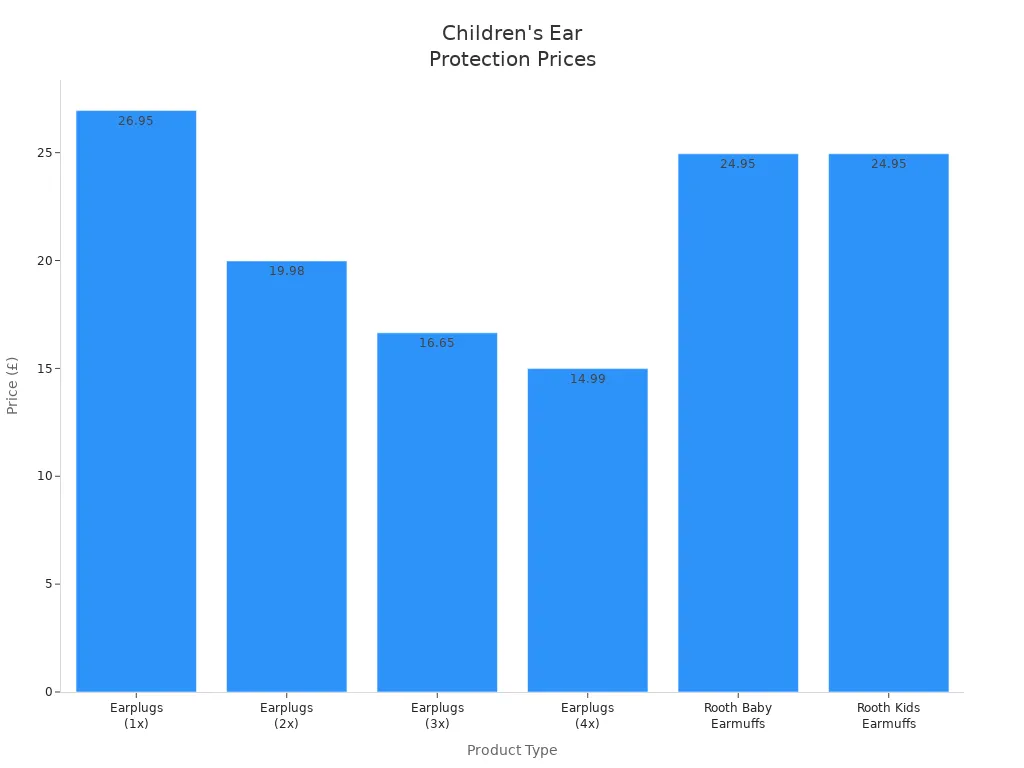
You get great value from both choices. Sensory ear muffs last longer and are easy to clean. Earplugs cost less if you buy more at once. Noise-cancelling headphones offer style and comfort for children with asd.
Which Is Best for Your Child?
Sensory ear muffs work best for babies, toddlers, and children with asd who need strong sound protection.
Earplugs suit older children and teens who want something small and easy to carry.
Noise-cancelling headphones help children with asd join social activities and feel confident.
Choose the option your child likes and feels comfortable with.
Leemoland supports families and children with asd. You can find sensory ear muffs, earplugs, and noise-cancelling headphones that fit your child’s needs. Leemoland offers high-quality sensory solutions for every age and situation.
Choosing the Best Option for Your Child
Factors to Consider
You want your child to feel comfortable and safe. Start by thinking about your child’s age. Babies and toddlers do best with sensory ear muffs. Older kids and teens might like earplugs or headphones. Look at where your child spends time. Busy places like malls or concerts can feel overwhelming. Sensory ear muffs block more noise in these spots. Earplugs work well for school, bus rides, or places where your child needs to hear some sounds.
Think about your child’s sensory needs. Some kids want to block out as much noise as possible. Others just need things a little quieter. Comfort matters, too. If your child does not like how something feels, they will not wear it. Try both options at home first. See which one your child likes best.
Tip: Always check the fit and make sure your child can put on and take off their ear protection by themselves.
Personal Preferences
Every child is unique. You know your child’s style and what makes them happy. Some kids love bright colors or fun designs. Others want something that looks like regular headphones. Many children and teens pick ear protection that matches their favorite color or outfit. Companies now offer lots of choices, so you can find something your child will enjoy wearing.
Lightweight and secure ear defenders help active kids.
Cushioned and adjustable designs make ear muffs and earplugs more comfortable.
Kids often choose ear protection that fits their personal style.
Let your child help pick their ear muffs or earplugs. When they like how it looks and feels, they will use it more often.
When to Choose Each
You might wonder when to use ear muffs or earplugs. Sensory ear muffs work best in very loud places, like shops or concerts. They give strong sound protection and help prevent sensory overload. Earplugs are great for everyday noise, like riding the bus or being in class. Some families use both, depending on the situation. You can switch between them as needed.
Use ear muffs for full noise blocking in overwhelming places.
Try earplugs for mild noise reduction when your child still needs to hear voices.
Mix and match for different environments.
Leemoland supports you with a wide range of sensory solutions. You can find ear muffs, earplugs, and more to fit your child’s needs. Families and educators trust Leemoland for quality and comfort.
Tips for Successful Use
Introducing Ear Muffs or Earplugs
Starting with new sensory tools can feel tricky for your child. You can make it easier by preparing them ahead of time. Talk about loud noises and let your child know when they might happen. Ask your child what sounds bother them most. This helps you pick the right ear muffs or earplugs.
Here’s a quick guide to help you introduce these tools:
Best Practice | Description |
|---|---|
Preparation | Let your child know about loud events before they happen. |
Communication | Talk with your child about which sounds upset them. |
Gradual Exposure | Let your child try ear muffs or earplugs for short times at first. |
Try different types of ear protection to see what feels best. Some kids like the feel of ear muffs, while others prefer earplugs. Keep ear protection nearby for sudden loud noises. Always make sure the ear muffs or earplugs feel comfortable.
Encouraging Consistent Use
You want your child to use their ear muffs or earplugs when they need them. Start by letting them wear these tools during quiet activities at home. Move to louder places once they feel comfortable. If your child works better in a quiet space, let them use ear protection during homework or reading.
Work with your child’s teachers and therapists to build good habits.
Watch how your child reacts in different places.
Give your child choices and let them decide when to use ear protection.
Change the environment if possible, like moving to a quieter spot.
Every child is different. Try new things and see what works best for your family.
Maintenance & Safety
Keeping ear muffs and earplugs clean and safe is important. Wash earplugs often and check for damage. Wipe ear muffs with a soft cloth and mild soap. Replace them if they look worn out.
Guideline | Description |
|---|---|
Use Earplugs or Earmuffs | Wear in loud places to protect your child’s ears. |
Limit Exposure Time | Take breaks from loud sounds to let ears rest. |
Choose Noise-Canceling | Pick headphones that lower noise without blocking all sounds. |
Tip: Always check the fit before each use. If you need more help, Leemoland offers guides and support for families. You can find more sensory solutions and tips at Leemoland’s website.
You know your child best. The right choice—sensory ear muffs or earplugs—depends on your child’s comfort and needs. Both options can help manage sensory overload. Try each one at home and watch how your child responds. You might find that one works better in certain places. Remember, you support your child every step of the way.
Tip: Trust your instincts and celebrate every small success. You’re doing a great job!
FAQ
How do I know if my child needs sensory ear muffs or earplugs?
Watch how your child reacts to loud sounds. If they cover their ears or seem upset, they may need sound protection. Try both options at home. See which one your child likes best.
Can my child wear sensory ear muffs or earplugs all day?
You should let your child take breaks. Long use can make ears feel tired. Use ear muffs or earplugs during loud times. Give your child time without them so their ears can rest.
Are sensory ear muffs safe for babies and toddlers?
Yes, sensory ear muffs are safe for young children. Choose a pair made for babies or toddlers. Make sure they fit well and feel comfortable. Never use earplugs for babies because they can be a choking risk.
How do I clean and care for ear muffs and earplugs?
Item | Cleaning Tip |
|---|---|
Ear Muffs | Wipe with mild soap and soft cloth. |
Earplugs | Wash with warm water. Air dry. |
Tip: Always check for damage before each use. Replace if worn out.
Can my child use both ear muffs and earplugs?
Yes! Some families use both. Your child might like ear muffs in very loud places and earplugs for everyday noise. Let your child choose what feels best for them.
See Also
Understanding When Adults Benefit From Sensory Toys
Choosing the Best Sensory Wall for Your Child
Popular Sensory Toys That Parents Choose for Children
