Sensory deprivation unlocks brain secrets and calm
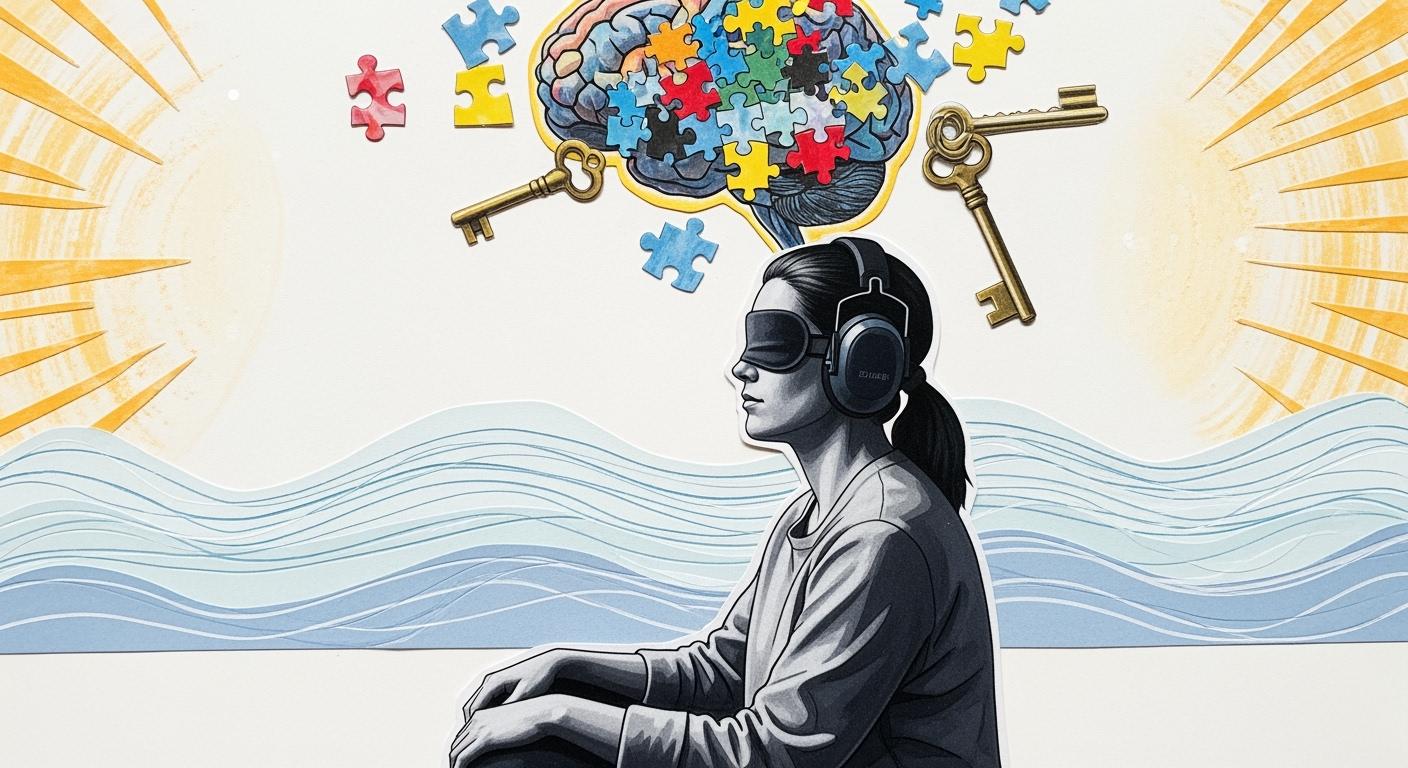
When you go through sensory deprivation, your brain starts to change in interesting ways. You might see your awareness get stronger as outside sounds go away. This lets your mind show new thoughts and feelings. Studies show that even short times in sensory deprivation can help you relax deeply and lower stress chemicals. Many people say they feel calm, and their awareness grows as their brain gets quieter. But if you stay in sensory deprivation too long, your brain might make strong hallucinations and changes. These can mess with your awareness.
Key Takeaways
Sensory deprivation helps people relax and feel less stressed. Short sessions make your mind calm and lower anxiety.
Some ways to do this are float tanks, blindfolds, and quiet rooms. These methods block outside things so you can focus better.
If you stay too long, you might see things that are not real or feel confused. You should watch how you feel and keep sessions short.
Sensory deprivation can help your mental health by lowering cortisol and making it easier to control emotions. It can also help with pain.
Safety is very important. Talk to a doctor if you have mental health issues or other health problems before you try sensory deprivation.
Sensory deprivation basics
What is sensory deprivation?
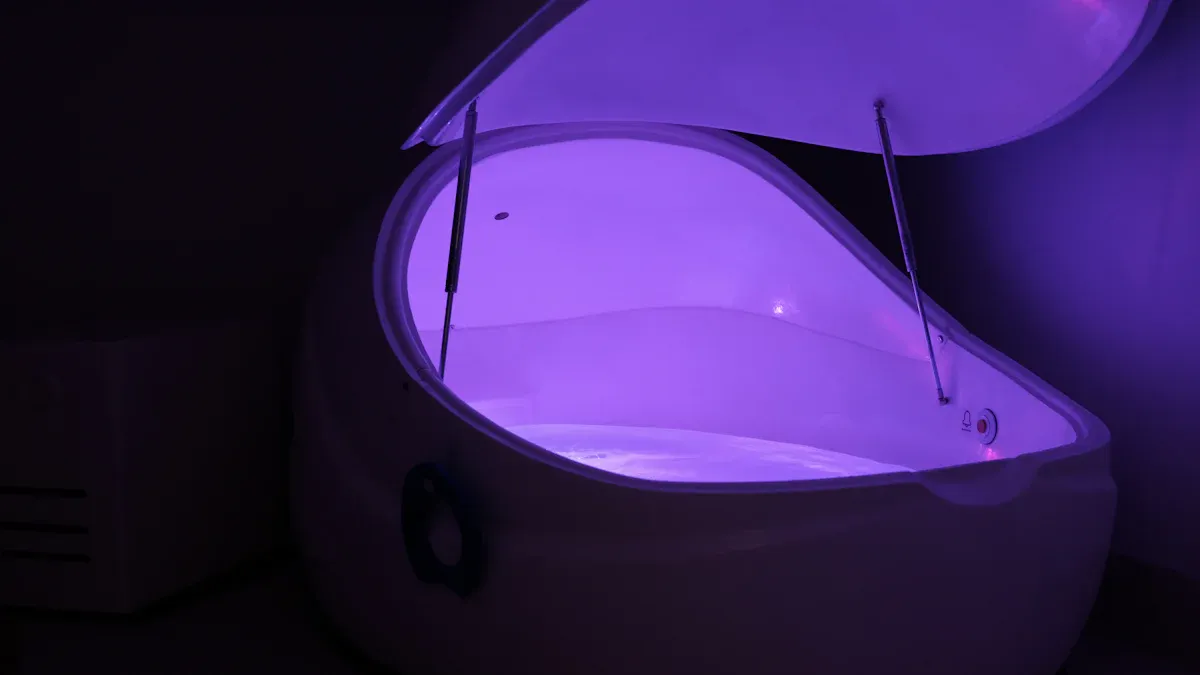
You might wonder what sensory deprivation means. Sensory deprivation happens when you block out most or all outside sights, sounds, and other feelings. You can do this by using special tools or spaces that limit what you see and hear. People often use float tanks, which are filled with warm, salty water. You float in the dark and hear almost nothing. Some people use blindfolds or earplugs to cut off sight or sound. Others might try quiet, dark rooms. These methods all help you remove outside input from your senses.
Common methods and experiences
You can try sensory deprivation in different ways. Here are some of the most common:
Float tanks (also called isolation tanks)
Blindfolds or sleep masks
Earplugs or noise-canceling headphones
Quiet, dark rooms
When you use sensory deprivation, you may notice some changes in how you feel and think. Many people say they feel deep relaxation. You might find your mind becomes clearer and your thoughts slow down. Some people report emotional calm. Others notice their senses become sharper after the session ends. You may feel more aware of your body and your thoughts.
Note: Sensory deprivation can help you discover new things about your mind. You might feel calm and focused, but your experience can change based on how long you try it and what method you use.
Sensory deprivation gives you a break from the busy world. You can use it to relax, clear your mind, or just take time for yourself. Many people find that sensory deprivation helps them feel better both in body and mind.
Sensory deprivation effects on the brain
Brainwave changes and relaxation
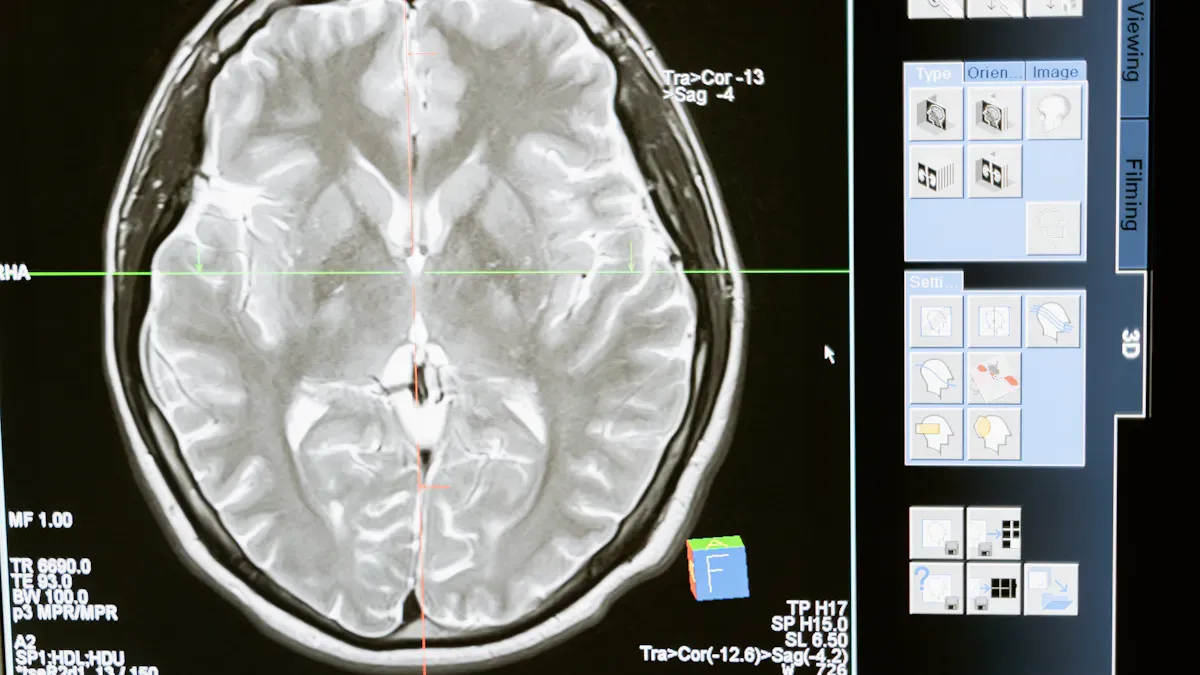
When you try sensory deprivation, your brain slows down. Your thoughts get quieter and calmer. This happens because your brainwaves change from fast to slow. Many people enter the theta state. This state is linked to deep relaxation and creativity. You may feel like you are almost dreaming, but you stay awake. This helps your body relax and your mind let go of stress.
Your brain’s default mode network gets less active. This network usually makes you worry or think the same thoughts. Sensory deprivation gives your neural circuits a break. You may find it easier to focus on your breath or your body. Some people feel more present and aware of their inner world. This change in awareness can help you feel calm and refreshed.
Tip: If you want to be more creative or less stressed, short sensory deprivation sessions can help your brain relax.
Hallucinations and altered perception
Sensory deprivation can cause strong hallucinations, especially if you stay in it for a long time. Your brain does not like having no input. When you block out sights and sounds, your neural systems make their own signals. You may see shapes, colors, or faces. Some people hear sounds or voices that are not real. These happen because your brain’s sensory areas become very active. They try to fill in the gaps when outside information is missing.
You might wonder why these hallucinations happen. Here are some reasons:
Dopamine and serotonin levels in your brain can change, like in psychedelic states. This can cause vivid hallucinations.
Your brain’s cortex becomes more active and makes its own images and sounds.
The thalamus sends out random signals. Your brain thinks these are real sensations.
The amygdala can react in different ways. Some people feel calm, others feel anxious.
Hallucinations are not a sign of mental illness. Your brain just wants to make sense of the silence and darkness.
You may notice these changes in 15 minutes if you are sensitive. For others, it takes longer. Anxiety or mental health history can make hallucinations more likely. The brain goes through different phases during sensory deprivation. At first, you may feel relaxed. Over time, you might have altered perception or feel distressed.
Sensory processing shifts
Sensory deprivation changes how your brain handles information. You stop focusing on the outside world and pay attention to yourself. Your awareness grows stronger. You may notice your heartbeat, your breath, or small feelings in your body. This is called interoceptive awareness. Your brain’s neural mechanisms shift from outside signals to internal ones.
Here is a table showing how sensory processing changes over time:
Time Interval | Effects on Sensory Processing |
|---|---|
15 to 60 minutes | Move into theta state; deep muscle relaxation; mild changes in perception; less stress hormones. |
1 to 4 hours | Perceptual distortions; trouble guessing time; possible anxiety for people with pre-existing conditions. |
4 to 8 hours | Hallucinations in senses; trouble with emotions; mood swings. |
8 to 24 hours | Trouble thinking; less problem-solving; strong psychological distress. |
24 to 72+ hours | Severe psychological effects; psychotic-like experiences; possible lasting psychological harm. |
Short sessions can make you feel relaxed and creative. Your brain’s neural circuits work better, which helps with problem-solving. Athletes use sensory deprivation to find tension in their bodies. People who meditate use it to reach deep focus. People with pain use it to tell the difference between real pain and learned tension.
If you stay in sensory deprivation too long, your brain can start to struggle. You may have trouble thinking, remembering, or feeling good. Some people get anxiety, depression, or signs of PTSD. Your awareness may get confused, and you may find it hard to know what is real.
Note: Sensory deprivation effects depend on how long you use it and your own brain’s response. Short sessions can help you relax and learn about your mind. Long sessions can lead to hallucinations and other risks.
Prolonged sensory deprivation risks
Anxiety and disorientation
If you stay in sensory deprivation for a long time, your brain can act in strange ways. You might feel scared or weird. Your thoughts may get mixed up. You could feel lost or not know where you are. Your brain needs signals from your senses to feel normal. When these signals stop, your mind tries to fill the empty space. This can make you feel anxious or like you are not connected to yourself or the world.
Here are some risks you might face if you stay in sensory deprivation too long:
You might have episodes that seem like psychosis. These usually stop when you go back to normal life, but they can feel very strong.
If you have schizophrenia or similar problems, you could get more hallucinations or feel more paranoid.
People with dissociative disorders may feel like they are outside their body or that things are not real.
If you have had trauma before, silence can bring back bad memories or strong feelings.
Some medicines can change how your brain reacts to sensory deprivation, so your experience may be different.
You might find it hard to think, pay attention, or trust your own thoughts.
Your brain needs signals from your senses to help you feel safe and aware. Without them, you may feel nervous or confused.
Tip: If you have a mental health problem, talk to a doctor before trying long sensory deprivation.
Hallucinations and time distortion
If you spend many hours in sensory deprivation, your brain starts to make its own signals. You might see shapes, colors, or people who are not really there. Some people hear voices or sounds that do not exist. These hallucinations happen because your brain wants to understand the silence and darkness.
You can also lose track of time. Your brain uses signals from the world to know what time it is. Without these signals, minutes can feel like hours, or time can seem to stop. The longer you stay in sensory deprivation, the more your sense of time can change.
Here is a table showing how your sense of time and your mind can change during long sensory deprivation:
Duration | Effects on Time Perception and Psychological State |
|---|---|
15 to 60 minutes | You may feel like time is gone and notice small changes in how you see things. |
1 to 4 hours | You might have trouble knowing the time and feel more anxious or notice odd feelings. |
4 to 8 hours | Hallucinations can start, and you may have trouble with your emotions. |
8 to 24 hours | Your thinking can slow down, and you may feel very upset. |
24 to 72+ hours | You could have very serious mental effects and lasting changes in how your brain works. |
If you try long sensory deprivation, your brain will make its own signals to fill the quiet. This can cause strong hallucinations and make you confused about time. Always be careful and pay attention to how you feel.
Sensory deprivation and mental health
Stress and anxiety reduction
Sensory deprivation can help your mental health. When you block sights and sounds, your brain gets a rest. This break helps lower stress. Many studies show sensory deprivation lowers anxiety and makes you calm. For example, a study in 2018 showed people with anxiety, PTSD, and panic disorder felt better after one float session. Their anxiety scores went down. They felt more relaxed and happy. Your brain also makes less cortisol, which is a stress hormone. This means your body feels less stress, and your mind can relax.
Here is a table that shows how sensory deprivation helps with stress and anxiety:
Mechanism | Description |
|---|---|
Measurable Cortisol Drop | Your brain lowers stress hormones by 20-30% after floating. |
Theta Brainwave States | You enter a relaxed state that helps with emotional control. |
Amygdala Deactivation | Your brain’s fear center becomes less active, so you feel less anxious. |
You might notice your awareness gets stronger. You become more aware of your thoughts and feelings. This helps you handle stress and anxiety in daily life.
Float tank therapy benefits
Float therapy uses sensory deprivation to help your mental health. You float in warm, salty water in a dark, quiet tank. This helps your brain relax and your body heal. Research shows float tank therapy can help you sleep better, feel less pain, and improve your mood. One study found people with depression and anxiety slept better and had less pain after a few sessions. The good effects lasted for months. The magnesium in the water also helps your brain by calming nerves and helping you relax.
Here is a table with results from clinical trials:
Evidence Type | Findings |
|---|---|
Strong Evidence | Lower anxiety and stress, similar to other treatments. |
Moderate Evidence | Better pain control and more creativity. |
Cortisol Reduction | 20-30% less stress hormone after a session. |
You may find your awareness gets better. You notice your body and mind more clearly. This can help you feel better and more in control.
Considerations and safe use
You should always think about safety before trying sensory deprivation. Tell the float center if you have skin problems, new tattoos, or open cuts. If you have epilepsy, very low blood pressure, or a history of psychosis, talk to your doctor first. Pregnant women in the first trimester should ask their doctor too. Do not drink caffeine before your session. Eat a small meal about an hour before floating. Do not shave or wax the same day because the salt water can sting.
Tip: Book your session when you have time to relax. Make sure the float center keeps everything clean and safe.
If you use sensory deprivation the right way, you can help your mental health, lower stress, and boost your awareness. Your brain will be glad for the break.
You can use sensory deprivation to unlock hidden functions in your brain and find calm. Studies show it helps with anxiety, pain, and stress, but risks exist if you stay too long. Your brain may reveal new patterns and even change how you feel or think.
Benefit or Risk | What You May Experience |
|---|---|
Strong improvement in calm and focus | |
Pain Management | Less pain in muscles and back |
Acute Stress Relief | Fast drop in stress, like medicine |
Hallucinations/Distress | Possible if you stay too long |
Learn about the effects of sensory deprivation before you try it.
Watch for signs of distress and talk to someone if you feel off.
Ease back into daily life with soft sounds and gentle light.
Tip: Start with short sessions and use safe, evidence-based methods to help your brain and mental health.
FAQ
What does sensory deprivation feel like?
You may feel calm and relaxed. Your mind can become quiet. Some people notice sharper senses after the session. You might experience new thoughts or feelings. The experience depends on how long you try it and which method you use.
Can sensory deprivation cause hallucinations?
You can see shapes, colors, or hear sounds that are not real. Your brain creates these when it lacks outside signals. Short sessions rarely cause strong hallucinations. Longer sessions increase the chance.
Is sensory deprivation safe for everyone?
Most people can use it safely. If you have epilepsy, psychosis, or severe anxiety, you should talk to your doctor first. Pregnant women and people with skin issues need extra care.
How long should a session last?
You can start with 30 to 60 minutes. This length helps you relax and keeps risks low. Longer sessions may cause confusion or distress. Always listen to your body.
What are the main benefits?
You can lower stress and anxiety. Many people report better sleep and less pain. Sensory deprivation helps you focus and feel more aware of your body and mind.
See Also
Peaceful Playtime: Sensory Toys for Autism
Weighted Blankets: A Comfort for Autism Anxiety
Inspiring Sensory Bedroom Ideas for Calming Kids

