Helping your child with autism or ADHD thrive using sensory chew toys
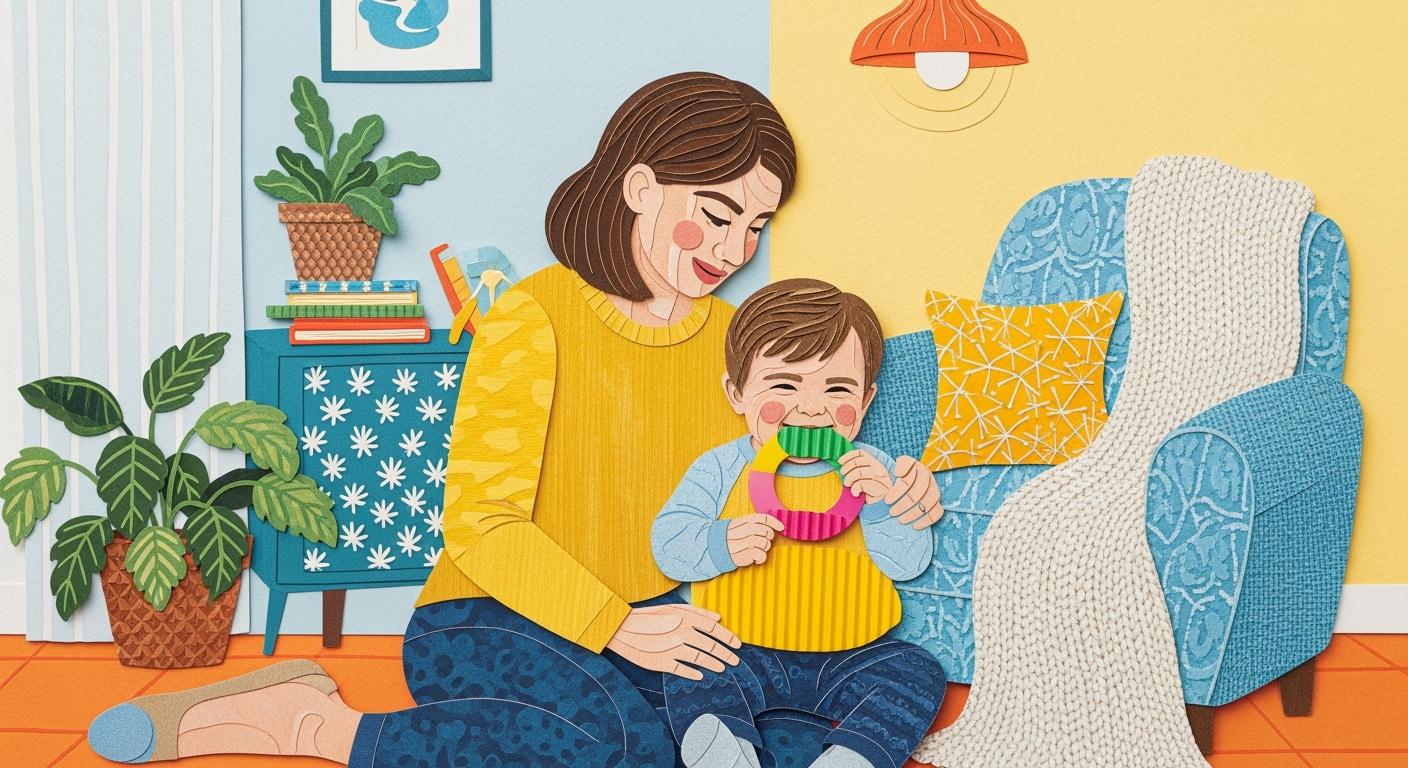
You want your child to feel calm and safe. Daily life can be hard when there are sensory challenges. Many children with autism or ADHD look for ways to handle their feelings. They also want to stay focused. Studies show that sensory processing problems are very common. For example, research in the United States found that up to 95% of children with autism have these problems. A sensory chew toy can give safe and helpful support.
Study | Location | Percentage | Population |
|---|---|---|---|
Cermak et al. (2015) | USA | 95% | ASD |
Gonçalves et al. (2022) | Portugal | 43% | Autism spectrum disorder |
Nair et al. (2023) | Finland | 8.3% | ASD, ADHD, Fragile X syndrome |
You can find good tips for picking and using these tools. These tips can help make daily routines easier.
Key Takeaways
Sensory chew toys help kids with autism or ADHD handle big feelings. They can also lower stress when things feel too much. Chewing gives calming mouth input. This can help kids focus better and control themselves during things like homework. Picking the right chew toy means thinking about how your child chews. You should also look at what textures they like and if the toy is safe. Cleaning chew toys often and watching your child use them keeps them safe and healthy. Teaching good chewing habits can help your child feel better and more sure of themselves every day.
Benefits of sensory chew toys
Emotional regulation and calming
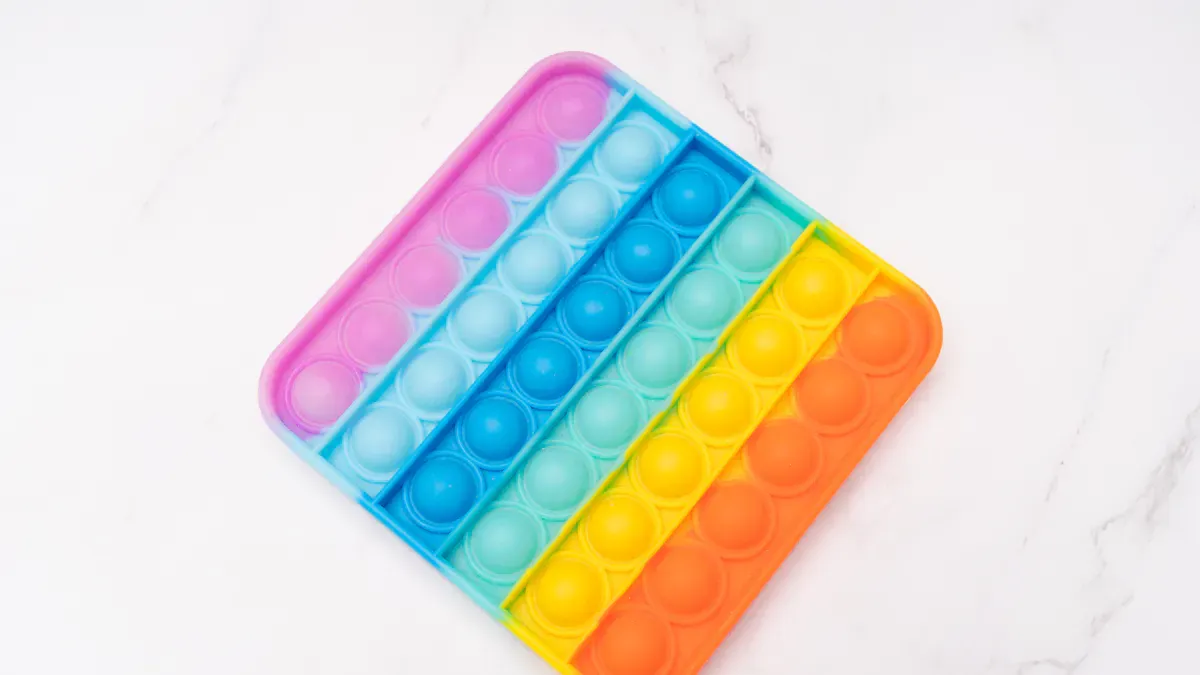
Sometimes your child feels worried or upset in loud places. A sensory chew toy can help your child deal with these strong feelings. Chewing puts pressure on the mouth and jaw. This pressure helps calm the body and mind. Many parents say chew tools help their kids feel less stressed. They give a safe way for your child to calm down, especially when feelings are strong.
Note: Some studies say fidget tools might distract kids with ADHD. But many families and therapists think sensory chew toys lower anxiety. These toys help children handle too much noise or activity. They give oral sensory input, which can help kids feel calm and use their energy in a better way.
Self-regulation and focus
You want your child to pay attention at school or while doing homework. Chewing can help your child think clearly and focus. When your child uses a sensory chew toy, they make the same movement over and over. This helps them stay grounded and concentrate. Chewing also helps your child control their actions and feelings.
Chewing helps children with autism or ADHD calm themselves.
It gives deep pressure to the jaw, which helps the body feel organized.
Doing the same chewing motion can help kids focus and pay attention.
Many parents say chew tools help their kids stay on task.
Occupational therapists say chewing is a normal way for kids to get the sensory input they need. It can stop unsafe habits, like chewing on clothes or pencils, by giving a safe choice for sensory needs.
Positive sensory input
A sensory chew toy gives your child good sensory experiences. These toys have different textures, so your child can pick what feels best. Some kids like smooth toys, and others like bumpy or rough ones. The right toy can give calming pressure or gentle feelings, depending on what your child wants.
Sensory chew toys help with oral motor skills, which are important for talking and eating.
They help kids who are sensitive in their mouths and can help them get used to new textures.
These toys can really help children with autism or ADHD, making daily life easier and more fun.
You might see that the right sensory chew toy helps your child feel better and more sure of themselves. It can make a big difference in how your child deals with daily problems.
Why children chew
Sensory processing differences
Many kids with autism or ADHD have sensory processing differences. You might see your child react strongly to sounds or lights. They may also react to textures. Their brains handle sensory information in special ways.
Chewing is often connected to sensory processing differences in kids with autism and ADHD. It helps them control their feelings and shows they need sensory input.
Some kids chew to feel calm or awake. This happens when they are stressed or overwhelmed. Chewing gives the brain important feedback. It helps your child deal with daily challenges.
Oral sensory seeking
Kids look for oral input for different reasons. You may notice your child chew on pencils or shirt collars. They might chew on toys too. This is called oral sensory seeking. Here are some common reasons:
Developmental exploration: Kids chew to make up for missed sensory experiences when younger.
Sensory regulation: Chewing helps kids feel calm and focused. It supports the nervous system.
Emotional coping: Oral input can help with anxiety and stress.
Airway or structural concerns: Some kids chew to ease discomfort in their mouths or throats.
Nutritional needs: Chewing non-food items may mean they need nutrients like iron.
Oral sensory seeking lets your child show their needs. Chewing and sucking give calming input, especially when stressed. These actions help kids control their emotions and nervous systems.
Evidence Type | Description |
|---|---|
Oral Stimming | Chewing and sucking help manage strong feelings and deal with demands. |
Sensory Processing | Kids with autism often have more oral sensory processing differences. |
Self-Regulation | Oral sensory seeking helps calm or wake up the nervous system, depending on the situation. |
Signs your child may need a chew toy
You may wonder if your child needs a sensory chew toy. Look for these signs:
Signs Indicating Need for Sensory Chew Toy | Description |
|---|---|
Overwhelmed by Environment | Chewing happens when your child feels overwhelmed by noise or activity. |
Anxious about Situations | Chewing increases during transitions or stressful events. |
Under-stimulated | Your child chews more when bored or under-stimulated. |
Focused on Challenging Tasks | Chewing helps your child concentrate on difficult tasks. |
Age Considerations | Chewing after age five may show a sensory processing need. |
Impact on Daily Life | Chewing damages teeth or interferes with eating. |
Sudden Changes | Chewing increases after a stressful event or big change. |
If you notice these signs, a sensory chew toy can give your child a safe and helpful way to meet their sensory needs.
Choosing a sensory chew toy
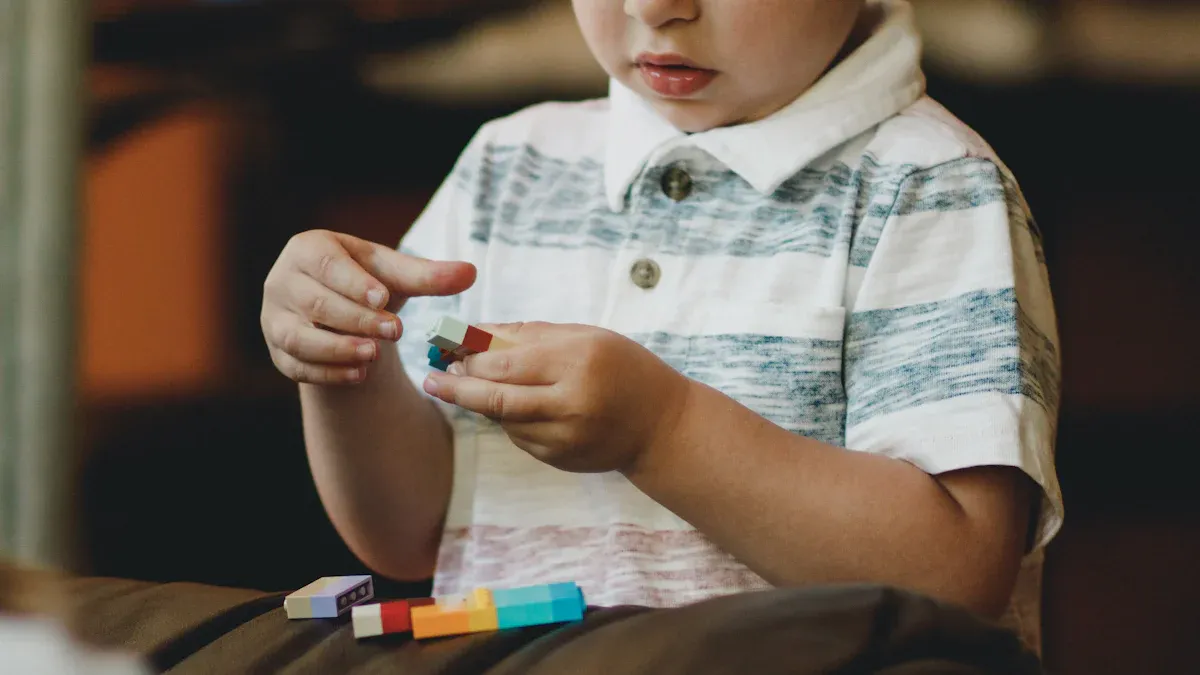
Selecting the right sensory chew toy for your child can feel overwhelming. You want a tool that matches your child’s needs and keeps them safe. Occupational therapists recommend looking at several important factors before you decide.
Chewing style and strength
Children chew in different ways. Some bite hard, while others prefer gentle chewing. Start by watching how your child chews. If your child bites down with a lot of force, choose a chew toy with a higher resistance level. For lighter chewers, a softer toy works best. Always check the toy for signs of wear and replace it if you see damage. This keeps your child safe and prevents choking.
Tip: Begin with a softer chew toy and move to a firmer one if your child needs more resistance.
Texture and material
Texture matters for many children. Some kids like smooth surfaces, while others enjoy bumpy or ridged textures. Try different options to see what your child prefers. The material should be safe and durable. Look for toys made from FDA-compliant, food-grade, or medical-grade silicone. Make sure the toy is BPA-free, phthalate-free, PVC-free, and lead-free. Avoid cheap alternatives, as they may contain harmful chemicals or break easily.
Criteria | Description |
|---|---|
Safety | Choose FDA-compliant, food-grade, or medical-grade silicone. |
Material Quality | Ensure the toy is BPA-free, phthalate-free, PVC-free, and lead-free. |
Resistance Level | Match the toy’s firmness to your child’s chewing strength. |
Regular Inspection | |
Texture | Pick a texture your child enjoys—smooth or varied. |
Appearance and context
Think about where your child will use the chew toy. Some toys look like jewelry or pencil toppers, which can blend in at school or in public. This helps your child feel comfortable and confident. Choose a style that fits your child’s age and personality. For necklaces, look for breakaway clasps for extra safety. Always consider the setting and pick a chew toy that feels right for your child and your family.
Note: A chew toy that matches your child’s needs and daily life can make a big difference in their comfort and confidence.
Safe use of chew toys
Supervision and safety
You want your child to be safe with sensory chew toys. Always watch young kids, especially under age three or strong chewers. Check the chew toy every day for cracks or tears. If you see damage, get a new toy right away. Pick chew toys made from safe, food-grade, or medical-grade materials. Make sure they do not have bad chemicals like BPA, phthalates, or lead. Choose a toy that is too big to fit all the way in your child’s mouth. This helps stop choking. Many chew toys have breakaway clasps to lower choking or strangling risks.
Tip: If your child breaks toys fast, ask an occupational therapist or speech-language pathologist for help. They can help you find safer toys and new ideas.
Watch your child, especially if they are young or chew hard.
Look at toys every day for damage.
Pick the right toughness for your child’s chewing.
Choose toys that last and are easy to clean.
Cleaning and maintenance
Clean chew toys to keep your child healthy. Wash toys with soap and water every day. Many chew toys can go in the dishwasher, which makes cleaning simple. Dry toys all the way before giving them back to your child. Keep clean toys in a safe, dry spot. Cleaning often stops germs and keeps the toy working well.
Wash chew toys every day with soap and water.
Use the dishwasher if the toy can handle it.
Dry and store toys in a clean place.
Encouraging healthy habits
You can help your child learn good chewing habits. Use pictures or timers to make routines easy to follow. Show your child how to chew and eat the right way. Try new foods or textures slowly so your child can get used to them. Offer both favorite and new foods to help your child explore. Keep eating routines steady in a shared space to help your child pay attention.
Strategy | Description |
|---|---|
Visual supports | Use pictures or timers to make routines easy to follow. |
Modeling appropriate behaviors | Show your child healthy chewing and eating habits. |
Gradual desensitization | Try new foods or textures slowly and gently. |
You can also make a daily sensory routine. Give your child regular sensory activities, like animal walks or drinking smoothies with a straw. Talk about oral behaviors and let your child make choices. Work with teachers so your child can use sensory tools at school.
Remember: Good chewing habits help your child feel safe, comfortable, and confident every day.
Sensory chew toys can help your child in many ways. They help your child feel calm and relaxed. Chewing can also help with speech and movement skills. These toys can make playtime more fun and creative.
Benefit | Description |
|---|---|
Oral sensory input | Gives calming relief to kids who need to chew. |
Motor development | Helps with talking and moving when used the right way. |
Imaginative play | Lets kids learn by pretending while using chew toys. |
You can help your child by learning about their sensory needs. Make a space at home that feels good for them. Work with experts if you need more ideas. Sensory toys help your child learn, try new things, and feel good about themselves. You can help your child do their best every day.
FAQ
How do I know if my child needs a sensory chew toy?
You may notice your child chewing on clothes, pencils, or other objects. This often means they seek oral sensory input. If chewing helps them feel calm or focused, a sensory chew toy can help.
Are sensory chew toys safe for daily use?
Most sensory chew toys use food-grade silicone and meet safety standards. You should check the toy for damage each day. Replace it if you see cracks or tears. Always supervise young children.
How often should I clean my child’s chew toy?
You should wash the chew toy every day with soap and water. Many chew toys are dishwasher safe. Clean toys help prevent germs and keep your child healthy.
Can my child use a chew toy at school?
Many schools allow sensory tools if they help students focus. Choose a chew toy that looks like jewelry or a pencil topper for school. Talk with teachers about your child’s needs.
See Also
Key Considerations for Sensory Toys in ADHD Treatment
Benefits of Weighted Toys for Sensory Processing Issues
Enhancing Motor Skills in Autistic Children with Sensory Toys

