Sensory calming toys that make kids smile
Are you searching for ways to help your kids feel calm? Here are some top sensory calming toys that experts and therapists suggest for 2026:
Toy Name | Description |
|---|---|
Hedgehog Spikey Fidget Rings | Great for calming and fun to touch and play with. |
Colorations Play Dough Putty | Safe dough that helps kids be creative and calm their hands. |
Expanding Ball Fidget Toy | Opens and closes to give calming sights and steady movement. |
Playhut Expanding Tunnel Toy | Makes a cozy spot for kids to relax and feel calm. |
Fidget Cube | Small toy you can touch and move to help you focus and feel calm. |
You want toys that help your child relax, control feelings, and feel good. These sensory calming toys assist kids with sensory needs, autism, or ADHD by providing gentle comfort. Always look for safety labels like ASTM F963, EN71, or CPSIA. These show the toys are safe, work well, and fit your child’s age.
Key Takeaways
Sensory calming toys help kids feel calm and control feelings. These toys are very helpful for kids with autism or ADHD.
Pick toys that fit your child's sensory likes. Find textures, colors, and sounds your child enjoys.
Safety is very important. Always look for safety labels on toys. Make sure toys are safe for your child's age. Toys should be made from safe materials.
Use sensory toys to support pretend play. These toys can help kids be creative and feel calm.
Clean sensory toys often and watch kids as they play. This helps keep play safe and healthy.
What makes sensory calming toys work well?
Important parts of calming toys
When picking a sensory toy, you want it to feel good in your child’s hands. The best toys have features that make them special:
Sensory elements: These toys let your child touch and feel different things. Tactile fidget toys and textured sensory balls are good examples.
Imaginative play: Toys like action figures or building blocks help your child use their imagination.
Calming textures: Soft or squishy toys feel nice when squeezed or held.
Tools for emotional expression: Stuffed animals and dolls help your child show their feelings.
You may see your child relax when they squeeze a squishy ball or touch a textured board. These sensory moments help your child focus and feel safe.
How sensory calming toys help kids
Sensory calming toys do more than keep kids busy. They help your child’s feelings in many ways. Studies show sensory toys can help children handle stress and anxiety. For example, a 2023 survey found that 82% of parents saw their autistic children concentrate better with sensory fidgets. Another study in 2024 showed that 76% of parents noticed their child stayed focused longer with a fidget cube.
Here are ways sensory calming toys help your child:
Sensory grounding techniques, like touching things, lower anxiety and help kids focus.
Stress relief toys use touch and repeating actions to calm the body.
Sensory toys help kids stop thinking about worries.
Tactile sensory toys can slow breathing and lower anxiety.
Weighted toys give deep pressure, which lowers stress hormones and helps kids feel calm.
These toys turn on the body’s calming system, making your child feel safe and relaxed.
When you give your child the right sensory calming toy, you help them control their feelings. This support can make their daily life happier and healthier.
Top sensory calming toys for kids 2026
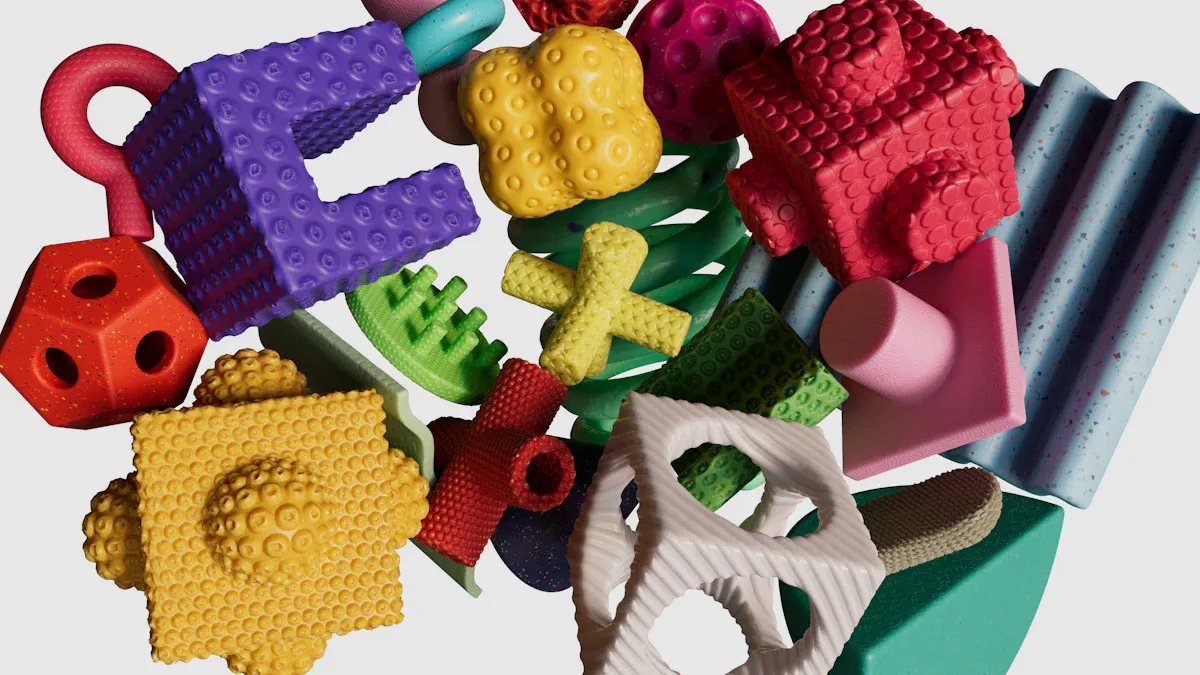
Many families and teachers use sensory calming toys. You see these toys a lot on social media. They are popular because they help kids slow down and feel calm. These toys help kids control their feelings. Let’s look at the best sensory toys for 2026. Each one can make your child’s day happier and calmer.
KLT Fidget Sensory Toys
KLT Fidget Sensory Toys are loved by many kids who need to relax. You can twist, squeeze, or spin these toys. They use sensory grounding techniques like tactile stimulation. This helps you focus and feel less worried. Keeping your hands busy helps your brain relax. It also helps you stop thinking about worries. These toys give gentle movement. That helps quiet your mind and brings calm. Many therapists say these toys help kids feel better and control emotions.
Squishy gel stress balls
Squishy gel stress balls are soft and easy to squeeze. These sensory toys help you let go of stress and feel calm. They also make your hands stronger and help you focus. You can use them at home, in class, or anywhere you go. These toys come in many shapes and colors. That makes them fun to use.
Age Range | Safety Features |
|---|---|
Below 3 years | Not recommended due to choking hazards. |
Under 5 years | Constant supervision advised. |
All ages | Made from 100% food-grade silicone, non-toxic, and easy to clean. |
If your child is young, always watch them play. Some reports say broken toys can cause skin problems. Always check for safe and strong materials. When used right, these sensory calming toys help all kids explore, create, and relax.
Tactile boards and poppers
Tactile boards and poppers are toys you can touch and press. You can pop bubbles, slide beads, or feel different textures. These toys help you calm down and focus on now.
“Fidgets give the user an opportunity to give their hands or bodies something to do, and allows their brain to then focus on the task at hand, such as listening to a teacher or reading.”
Many teachers and therapists use these sensory calming toys with kids who have autism or ADHD. They help you pay attention, feel less worried, and use energy in a safe way.
Weighted lap pads and stuffed animals
Weighted lap pads and stuffed animals are sensory toys that feel like a hug. When you put them on your lap or hold them, you feel deep pressure. This helps your body relax. The pressure helps your nervous system and makes you feel safe. Many kids with autism or sensory problems use these toys to calm down and feel secure.
Playdough and kinetic sand
Playdough and kinetic sand are classic sensory toys. You can squish, shape, and build with them. Use your hands to make animals, castles, or just enjoy the soft feel. These toys let you play in your own way. They help you be creative and independent. They also help you relax and enjoy the soft texture.
Therapy putty and textured balls
Therapy putty and textured balls are sensory calming toys. They help you make your hands stronger and focus better. You can stretch, squeeze, or roll them in your hands. The different textures are fun for your fingers. This can help you feel calm and safe. These toys are good for kids who need to relax after a busy day or before homework.
Sensory bins with water beads or rice
Sensory bins with water beads or rice are fun to touch and explore. You can scoop, pour, or dig with your hands or tools. These toys help you get better at using your hands. They also help you calm down when you feel too much. Playing with sensory bins helps you understand your feelings and gives you a safe place to show them.
Yoga balls, hopper balls, and peanut balls
Yoga balls, hopper balls, and peanut balls are big sensory toys. You can bounce, roll, or balance on them. These toys help you calm your body and use extra energy. They are great for active kids who need to move to feel calm. You also get better at balance and coordination while having fun.
Noise-canceling headphones
Noise-canceling headphones are sensory calming toys. They help you block out loud or annoying sounds. You can use them in noisy places like school lunchrooms or stores. They make a quiet space for you.
Technology Type | Description |
|---|---|
Passive Cancellation | Uses cushioned ear cups to physically block sound waves. |
Active Cancellation | Uses microphones to detect ambient sounds and generates inverse sound waves to cancel noise. |
Overall Benefit | Creates a quieter environment, reducing overwhelming background noises that can trigger sensory overload for children. |
These headphones help you stay calm and focus, especially if you are sensitive to sounds.
Soft music players and calming light projectors
Soft music players and calming light projectors make a peaceful space for sleep or rest. You can listen to soft sounds like waves or rain. You can also watch calming lights move on the ceiling. Some kids find these sensory toys relaxing. Others may not notice a big change in sleep. Still, many families like to use them for a calm bedtime routine.
Tip: Try different sensory calming toys to see which ones help your child feel calm and happy. Every child is different, so you may need to try a few to find the best one.
Choosing calming sensory toys
Matching toys to sensory needs
You need to pick calming sensory toys that fit your child. Every child reacts to sensory things in their own way. Some kids like squishy toys. Others like toys that light up or make sounds. You can use a few easy rules to help you choose. Look at this table for ideas:
Criteria | Description |
|---|---|
Safety and Quality Standards | Make sure toys are safe, non-toxic, and right for your child’s age. |
Therapeutic Value Indicators | Choose toys made by experts that use more than one sense for better calming. |
Individual Preferences | Watch what your child likes or avoids to pick toys that help them relax. |
If your child likes to touch things, try squishy balls or textured boards. If your child does not like loud sounds, noise-canceling headphones can help. You can also pick toys that help with stress and feelings.
Age and developmental considerations
Kids change as they grow. Their needs for calming toys change too. You should pick toys that fit their age and how they are growing. Here is a quick chart:
Age Group | Developmental Focus | Examples of Sensory Toys |
|---|---|---|
Babies & Toddlers (0-2) | Touch, early movement, seeing and hearing new things | Textured balls, teething toys, soft rattles, play gyms |
Preschoolers (3-5) | Using small muscles, being creative, solving simple problems | Kinetic sand, finger paints, water tables, building blocks |
School-Aged Kids (6+) | Solving problems, using imagination, making things with their hands | DIY slime kits, coding and STEM toys, weighted lap pads |
Pick toys that help your child learn and feel calm. Always check the age and safety labels.
Personal preferences and sensory profiles
Each child has their own sensory likes and dislikes. You can help your child feel calm by knowing what they enjoy. Here are some ideas:
Ask occupational therapists for help picking calming sensory toys.
Watch how your child reacts to things they see, touch, or hear.
Some kids need more things to look at to feel calm. Others need less.
Pick toys that match what your child needs to feel calm.
Try different toys to see which ones help your child relax.
Tip: You know your child best. Trust yourself and let your child try different calming sensory toys. The right toy can help your child feel happy and calm.
Safety and care for calming toys
Safe materials and construction
When you pick out sensory calming toys, you want to know they are safe for your child. Look for toys made from non-toxic materials. Many parents choose items that are easy to clean and gentle on skin. You can find great options that are both fun and safe:
Cooked or dyed rice works well for sensory bins. It feels nice, adds color, and breaks down naturally.
Kinetic sand is mess-free and perfect for squeezing or shaping. Kids love the texture.
Chia gel or gelatin gives a slippery feel like water beads but is safe if your child tastes it.
Pom-poms or foam beads are soft and light. They work well for group play and are easy to clean up.
Cloud dough or paper pulp offers rich sensory feedback and lets your child build and imagine.
Always check for safety labels. These show the toy meets standards for calming play.
Cleaning and maintenance tips
You want your sensory calming toys to last and stay clean. Wash toys often, especially if your child shares them with others. Use mild soap and warm water for most items. Let everything dry before you put it away. For calming bins with rice or sand, toss out old materials and refill with fresh ones. Wipe down surfaces and storage bins every week. If a toy breaks or gets sticky, fix it or replace it right away. Clean toys help your child stay healthy and enjoy their calming play.
Supervision and safe use
Supervision keeps sensory calming play safe and fun. Always watch young children when they use these toys. Avoid small parts if you worry about choking. Follow the age and weight guidelines from the maker. If your child has special needs, stay close during calming activities. Teachers and parents should keep an eye on the room at all times. Accidents can happen, but you can help manage them with good supervision. When you stay involved, you help your child feel calm and secure during sensory play.
You have so many great sensory calming toys to choose from in 2026. These toys do more than just help your child relax. They support growth in many ways:
Strengthen hands and coordination
Help manage stress and big feelings
Encourage sharing and teamwork
Spark creativity and imagination
When you pick a toy, think about what your child likes and needs. Try different options and see what works best. You can help your child feel happy, calm, and ready to take on the day!
FAQ
What age is best for sensory calming toys?
You can start using sensory calming toys with babies as young as six months. Always check the age label on each toy. Pick toys that match your child’s stage and needs.
How do I know which sensory toy my child will like?
Watch how your child reacts to different textures, sounds, and lights. Try a few types. Notice what makes them smile or relax. You know your child best!
Are sensory calming toys safe for kids with autism or ADHD?
Yes! Most sensory toys help kids with autism or ADHD feel calm and focused.
Always check for safety labels and supervise play, especially with small parts.
Can I make sensory calming toys at home?
Absolutely! You can use items like rice, beans, or fabric scraps.
Fill a bin with rice for scooping.
Use soft socks as stress balls.
Homemade toys work well and save money.
How often should I clean sensory toys?
Clean sensory toys once a week or after heavy use. Use mild soap and warm water. Dry them well before storing. Clean toys keep your child healthy and happy.
See Also
Top Strategies for Utilizing Sensory Toys to Soothe Kids
Essential Sensory Toys to Alleviate Anxiety and Stress
Sensory Toys for Autism Create a Tranquil Play Experience
Benefits of Weighted Sensory Toys for Sensory-Sensitive Children

