How to Use Sensory Building Blocks for Fun Educational Activities
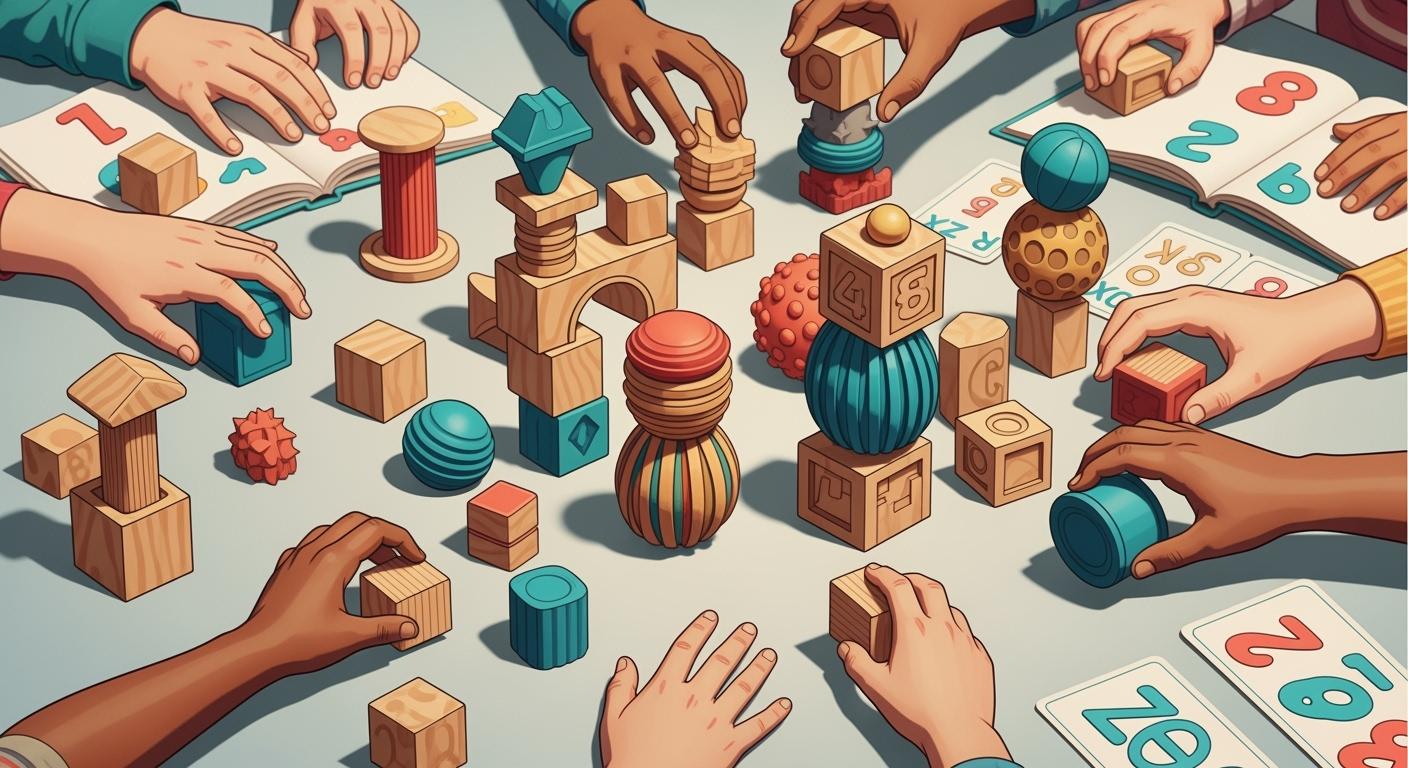
You can use sensory building blocks for fun learning at home or school. When you play with a Block Set With Sand, you start to wonder and learn. Exploring an Acrylic Block from a Montessori Color Palette helps kids get curious and talk more. Kids enjoy finding new textures and sounds, especially with Sound Cylinders Peekaboo. Doing sensory activities together helps kids work as a team and make friends. Sensory play helps the brain grow, which is important for learning and thinking.
Key Takeaways
Sensory building blocks help kids be creative. They let kids try new shapes and build things. Kids can make many different structures.
Playing with blocks helps kids solve problems. Kids learn to fix problems by using their hands.
Sensory play helps kids know where things are in space. It teaches kids how shapes go together. This helps them get ready for math.
Kids talk and work together when they play with blocks. They learn to share and help each other. Kids also practice talking with friends.
Doing sensory activities like sorting and digging helps small hand muscles. These activities also help kids get better at using their senses.
Benefits of Sensory Building Blocks
Boosting Creativity
When you play with sensory building blocks, you get creative. You touch and move the blocks around. You stack them and make different shapes. Your mind starts to think of new ideas.
Blocks let kids solve problems in new ways. You can move blocks without talking. This hands-on play helps you be creative. It also helps you talk more when you play with others.
You might build a castle or a bridge. You could make something no one has made before. Playing with blocks lets you follow your curiosity. You can try out ideas and change them if needed. You see what works and what does not. This is how you become more creative.
Playing helps you come up with new ideas.
Creative play makes you feel more confident.
Problem-Solving Skills
Sensory building blocks make playtime a fun challenge. You have to solve small puzzles. You try to make a tower stand up. You figure out how shapes fit together. Block building gives you real challenges, like making strong buildings or turning corners. You learn by moving the blocks with your hands. You solve problems by trying things out and learning from mistakes.
You learn to keep trying even if you fail. This helps you get better at solving problems in school and life.
Spatial Awareness
Playing with sensory blocks helps you understand space better. You see how pieces fit together. You notice how much room you have.
Using building blocks helps you plan ahead. You might try to build the tallest tower or a long bridge.
Block play helps you get better at seeing patterns and shapes. This skill is important for math later on.
You learn to spot shapes and patterns. This makes math and science easier for you.
Social Interaction
Playing with sensory blocks is more fun with friends. You talk and share with each other. You work together as a team. Here’s how sensory building blocks help you make friends:
Evidence Type | Description |
|---|---|
Tactile and Visual Play | Sensory building blocks like colored rice let you touch and see new things. This helps you play and talk with other kids. |
Cooperative Activities | Playing with sensory rice helps you work together. You learn to share and talk while you explore. |
You learn to listen to others and take turns. You solve problems together as a group.
Math and Science Concepts
You learn about math and science when you play with sensory blocks. You compare how big or small things are. You count the blocks and measure how tall your tower is.
Kids use tape measures and rulers to see how tall or long their buildings are.
Kids use 20 blocks to learn about multiplication. They split blocks into equal groups.
Block play helps you compare sizes and shapes. You learn about sorting and measuring.
You start to think like a scientist. You ask questions and test your ideas. Sensory building blocks make learning fun and interesting.
Sensory Activities with Biggo Blocks and Green-n-Learn
Sensory Bin Exploration
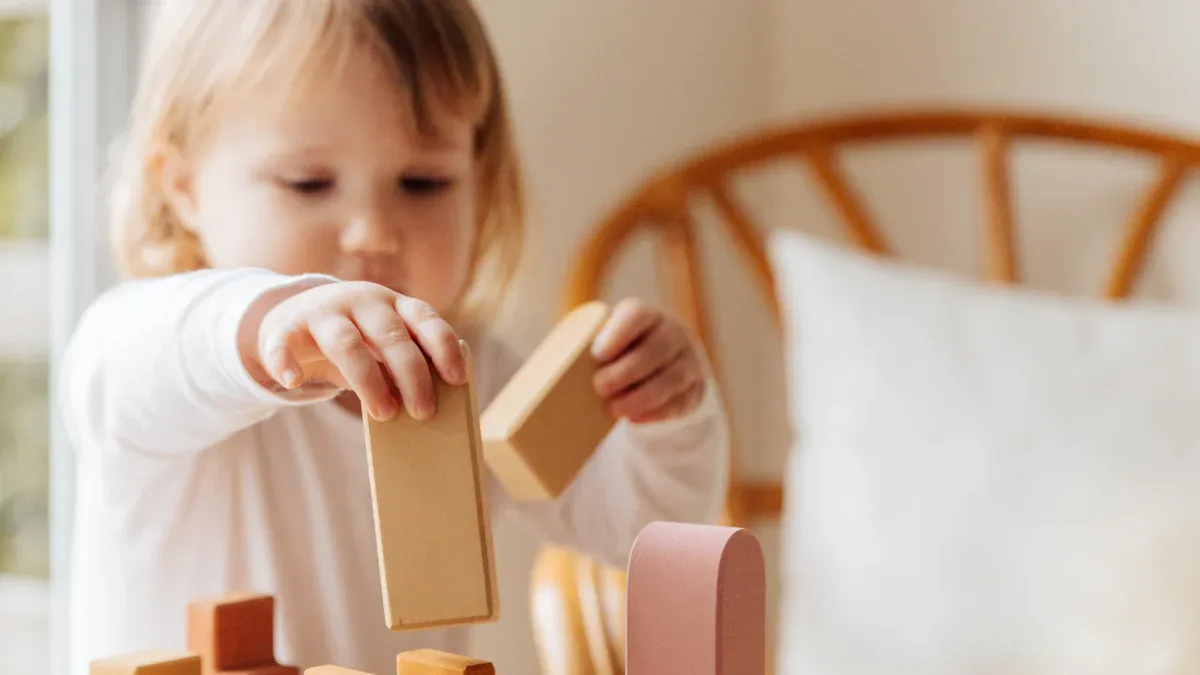
You can use a table or tray to make a sensory bin. Put rice, sand, or beans in the bin. Add Biggo Blocks and Green-n-Learn Sensory Pattern Blocks. Ask kids to dig, scoop, and look for shapes. This hands-on play makes kids curious and keeps them busy.
Sensory bins do more than just entertain. They help kids build fine motor skills and support sensory processing. When kids dig and grab blocks, they make their hands stronger. They also get better at moving their fingers. These skills help with writing and drawing later.
Evidence Type | Description |
|---|---|
Hand-eye Coordination | Kids get better at using their eyes and hands together. This is important for writing and drawing. |
Tactile Discrimination | Kids learn to feel and control their hands better. This helps them move their fingers with care. |
Manipulative Activities | Squeezing and pinching blocks makes hands stronger. This helps with writing. |
Finger Isolation | Kids practice moving one finger at a time. This helps with typing and small tasks. |
Bilateral Coordination | Kids use both hands together. This is needed for writing and cutting. |
Grasp Patterns | Different materials help kids use their hands in many ways. This helps with many tasks. |
Sensory bins help kids with sensory processing disorders too. The different textures and shapes give gentle feedback to their hands. This makes sensory play safe and fun for trying new things.
Tip: Use scoops, cups, or small shovels to make digging more fun!
Sorting by Color and Shape
Sorting is a simple activity that kids always enjoy. Give kids a pile of sensory building blocks. Ask them to sort by color, shape, or size. You can use trays, muffin tins, or colored paper to help sort.
Shape sorter toys help kids learn shapes and colors. This helps their thinking skills.
Hands-on sorting helps kids learn color words and get better at sorting.
Knowing colors is important for learning and creativity. Sorting colors helps with future STEM learning.
Sorting helps kids with sensory processing disorders too. The clear rules and pictures make sorting calm and easy. Sorting also helps kids talk and work together.
Digging and Discovering Shapes
Kids love to dig and find things. Hide blocks under sand or rice and let kids search for them. When they find a block, ask them to name the shape or trace it with a finger. This gives kids a rich sensory experience and helps them learn by touch.
Digging for shapes and sorting makes sensory play better.
Tactile blocks help fine motor skills and thinking.
Tracing and matching shapes helps memory and touch skills.
Digging and finding shapes is great for kids who need extra sensory play. It helps kids with sensory processing disorders feel safe with new textures. Every child can join in and play in their own way.
Sound and Texture Play
Sound and texture play makes sensory activities more fun. Use blocks with different textures or add sound cylinders. Let kids shake, tap, or rub blocks together. Ask them to talk about what they hear and feel.
Evidence Type | Findings |
|---|---|
Helps kids think, feel calm, and move better. | |
Sensory-rich experiences | Build strong brain connections for problem-solving and making friends. |
Mechanosensory stimulation | Important for normal growth in many living things. |
Sensory stimulation | Changes how the brain grows and works. |
Auditory discrimination | Needed for learning sounds and reading. |
Sensory play experiences | Help kids get better at listening and understanding words. |
Sound and texture play helps kids think and solve problems. It also helps kids with sensory processing disorders try new sounds and feelings safely. This kind of play builds strong brain connections and helps with language.
Note: Multi-sensory toys use many senses, which helps all kids learn. Open-ended play lets every child join and learn at their own speed.
Setup Tips for Sensory Play
Using Tables and Platforms
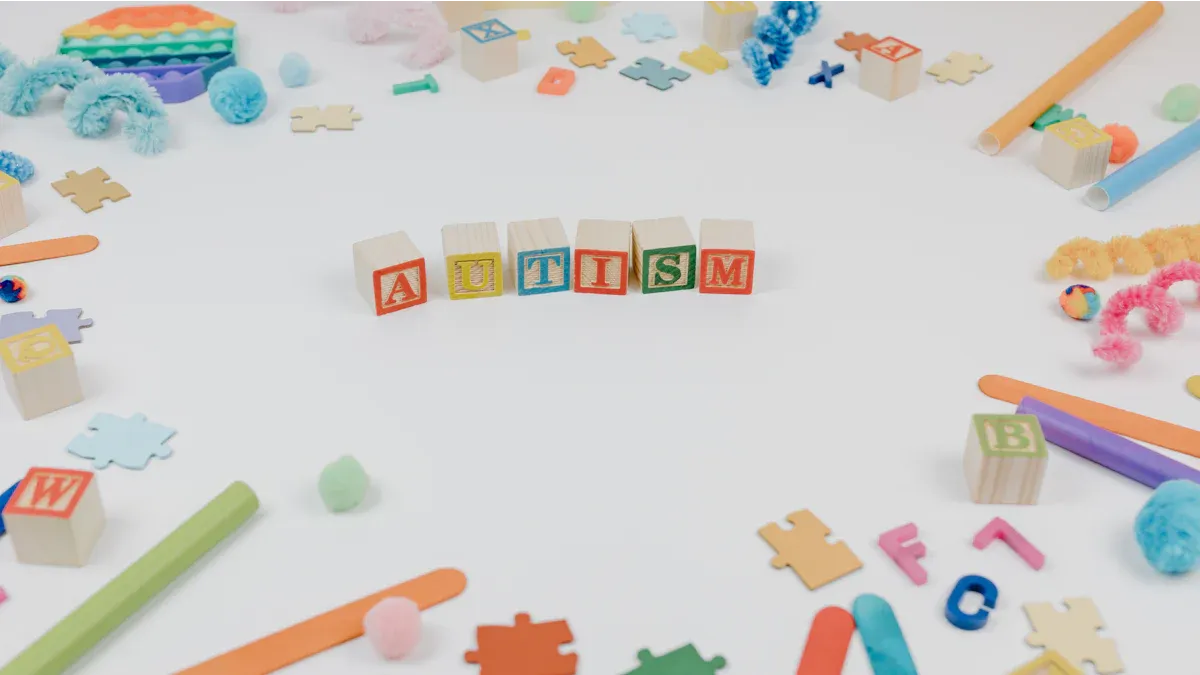
Sensory tables can be the main spot for play. Put sensory building blocks on strong tables or platforms. These tables help keep things neat and easy to grab. Try putting sensory tables in a quiet part of the room. Use low cabinets to make the area safe for kids. Sensory tables let you watch what everyone is making. You can make simple rules, like no throwing blocks and being kind to others’ work. Sensory tables also give kids with sensory processing disorders a calm place to play.
Tools for Digging and Filling
Sensory tables are better with digging and filling tools. You can use scoops, cups, shovels, or small buckets. These tools make sensory play more fun. Kids like to dig in sand, rice, or beans to find blocks. Mixing different things in sensory tables helps kids feel new textures and solve problems. You can change the materials to keep things new and fun. Sensory tables with tools help fine motor skills and let kids with sensory processing disorders try new things safely.
Scoops
Cups
Shovels
Buckets
Sifters
Adapting for Age Groups
Sensory tables work for all ages. For toddlers, pick big, light blocks and safe materials. Older kids like harder tasks, like making patterns or using cross-pieces. You can use pattern cards to give them a challenge. Praise kids for trying new things and solving problems. If you have neurodiverse kids, use bigger blocks so they are easier to hold. Add lots of textures to help with sensory growth. Sensory tables help every child learn at their own speed.
Pick block size and weight for each age.
Use safe, non-toxic materials.
Change tasks as kids get older.
Give praise for trying.
Change sensory tables for neurodiverse kids.
Extending Play with Props
Props make sensory tables even more exciting. You can add water, sand, or things from nature. Try using props like animals, cars, or people to start stories and help kids talk to each other. Props help kids share, take turns, and work together. Sensory tables with props help big movements and control. You can add routines, like cleaning up, to sensory tables. Sensory tables help with sensory skills, language, and thinking. Kids learn by playing and talking with others.
Strategy Type | Description |
|---|---|
Sensory tables let kids move and focus again. | |
Calm Spaces | Sensory tables give a spot to relax and feel calm. |
Sensory-Rich Activities | Sensory tables use many senses and help learning. |
Tip: Open-ended toys and sensory tables help kids be creative and use their imagination. Make a special spot for sensory play so kids feel safe and can explore by themselves.
You can help kids grow by using sensory building blocks. These activities let kids with sensory processing disorders try new things safely. Every time you play, you help with learning, feelings, and moving skills.
Helps small and big muscle skills
Supports handling feelings
Builds understanding of space
Benefit Type | Practical Example |
|---|---|
Social | In a sandpit, kids learn to share tools and build a sandcastle together. |
Emotional | Squeezing a stress ball can help a child feel calm when they are upset. |
Sensory-rich tools help kids pay attention, focus, and join in learning.
Try these ideas, mix them up, and see what works for your group. When you add sensory play to your day, you help every kid do their best!
FAQ
What age group can use sensory building blocks?
You can use sensory building blocks with toddlers, preschoolers, and even older kids. Just pick the right size and type for your child’s age. Always watch young children during play to keep things safe.
How do I clean sensory building blocks?
Most blocks clean up easily. You can wipe plastic or acrylic blocks with a damp cloth. For wooden blocks, use a dry or slightly damp cloth. Let everything dry before you put them away.
Can sensory building blocks help with special needs?
Yes! Sensory building blocks support kids with sensory processing disorders or autism. You can offer different textures and shapes. This helps your child explore safely and build new skills at their own pace.
What materials work best in a sensory bin?
Try rice, beans, sand, or water beads. You can also use pasta or small stones. Pick materials that feel interesting and are safe for your child’s age.
How do I keep sensory play from getting too messy?
You can set up play on a table or tray. Use a mat or towel underneath. Remind kids to keep materials in the bin. Quick clean-up tools like small brooms help, too!
See Also
10 Engaging Sensory Experiences for Preschool Learning
Innovative Ideas to Enhance Learning Using Sensory Mats
A Comprehensive Resource for Sensory Play Strategies in Early Education
