Rubber sensory toys make stress melt away fast
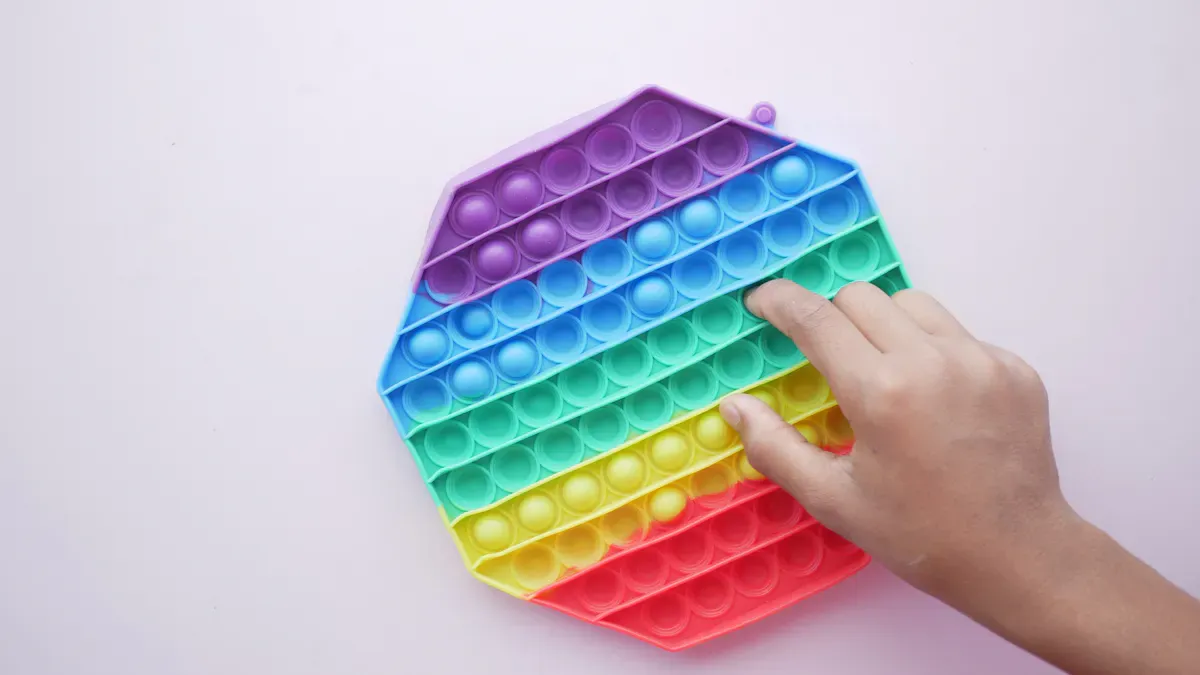
You can squeeze, stretch, or roll rubber sensory toys when you feel stressed. These rubber sensory toys help you relax fast and help you pay attention. Many teens and adults like them, especially people with ADHD, ADD, OCD, or autism. They enjoy how calming these toys are. See how rubber sensory toys help:
Benefit | Description |
|---|---|
Rubber sensory toys help you focus and finish your work. | |
Decrease anxiety | They help you feel calm if you have sensory or anxiety problems. |
Keep them busy | Rubber sensory toys keep your hands and mind busy. This helps you control your senses. |
Rubber sensory toys make normal moments feel like a break for your senses.
Key Takeaways
Rubber sensory toys, like stress balls and fidget toys, help lower stress and worry fast. When you squeeze these toys, your brain gets signals to relax.
Using sensory toys can help you focus and pay attention better. This is helpful for people with ADHD or anxiety. They give you a way to handle your sensory needs while you work or study.
Add rubber sensory toys to your daily habits for good stress control. Use them when you do homework, go to meetings, or want to relax. They help you feel calm and think clearly.
Benefits of Rubber Sensory Toys
Stress Relief and Calming Effects
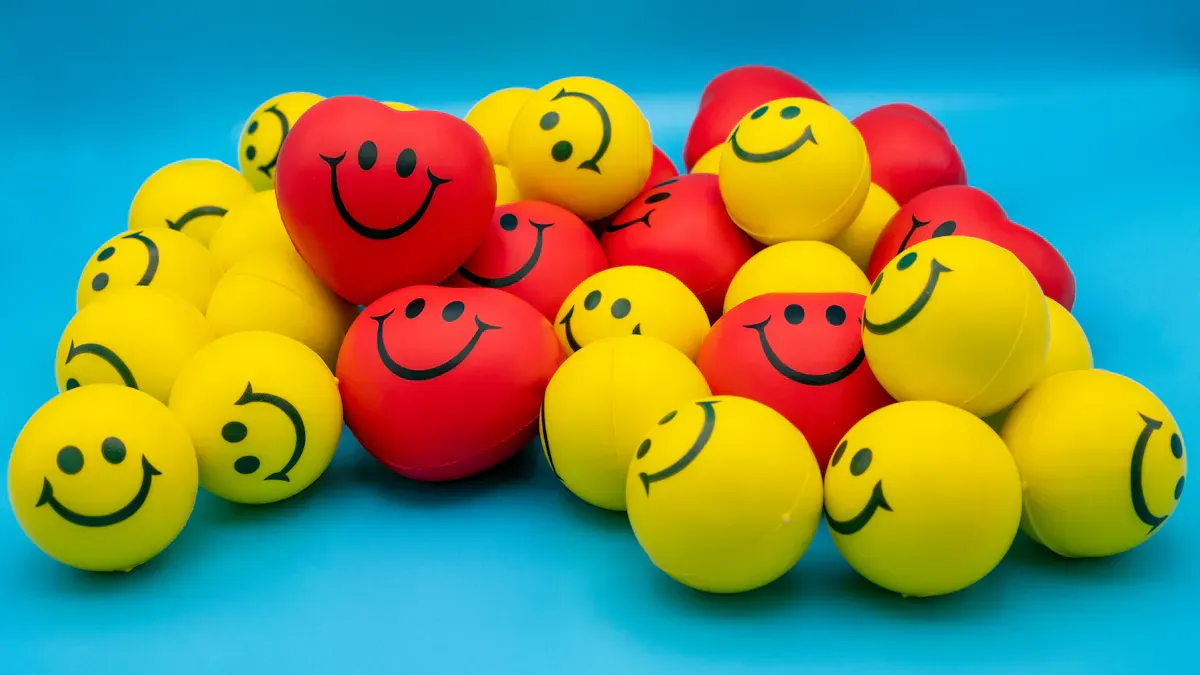
You might notice your stress melt away when you grab stress balls or fidget toys. Squeezing a stress ball feels good in your hand. It gives your mind a break. Many people use stress balls for fast stress relief. You can use them at home, in class, or at work. The simple act of squeezing helps your body relax. Your brain gets a signal that it is safe to slow down.
Researchers have found that sensory toys, like stress balls and fidget toys, lower cortisol. Cortisol is the hormone your body makes when you feel stress. When you squeeze a stress ball, your anxiety drops. You feel calm and ready to handle your day. Sensory toys also help with emotional regulation. You can use them as a relaxation strategy when you feel overwhelmed.
Here are some ways rubber sensory toys help with stress relief:
They lower cortisol levels in your body.
They reduce anxiety and help you feel calm.
They promote relaxation and make you feel safe.
They boost your self-confidence and help you talk about your feelings.
You do not need to sit still to relax. You can use stress balls and fidget toys while you walk, read, or watch TV. Repetitive squeezing gives your hands something to do. This helps your mind focus on the present moment. You can use these toys for stress reduction every day.
Many children love stress balls and fidget toys. They use them to calm down after a busy day. You can see the benefits in children who need help with sensory processing. Squeezing a stress ball helps them relax and feel safe. You can use these toys to support children who feel anxious or overwhelmed.
Sensory Regulation and Focus
Rubber sensory toys do more than help with stress. They help you manage your sensory needs and improve focus. If you have ADHD, ADD, OCD, or autism, you might find it hard to sit still or pay attention. Fidget toys and stress balls give your hands something to do. This helps your brain stay on track.
“Small, repetitive movements can help regulate the nervous system by providing just enough sensory input to prevent mental overload. This is especially beneficial for individuals with ADHD, anxiety, or autism spectrum disorder.” — Dr. Sarah Mire, Clinical Neuropsychologist
You can use fidget toys for sensory regulation. They help you control your senses and stay calm. Many children use these toys in class. Teachers notice that children focus better and finish their work. One teacher said that a fidget station in her classroom led to a 40% drop in off-task behavior. That means more children paid attention and learned new things.
Here are some popular rubber sensory toys for different sensory needs:
Squish and Squeeze Goo Mats keep your fingers busy and help you focus.
Colored Wire Fidget Rings are silent and give you gentle tactile input.
Spiky Roly Poly Oodles Fidget Ball calms your mind with its bumpy texture.
Animals Hide Inside Thinking Putty is fun to stretch and squeeze.
Twin Bubble Poppers let you pop and fidget quietly anywhere.
You can choose the best toy for your sensory needs. Some toys are soft and squishy. Others are bumpy or stretchy. You can try different textures to see what helps you most.
Let’s compare a few favorites:
Toy Name | Noise Level | Portability | Best For | Durability |
|---|---|---|---|---|
Pop It | Low (soft pop) | High (flat, light) | Anxiety & sensory regulation | Medium (silicone can tear) |
Silicone Tangle Jr. | Silent | High (flexible) | Quiet fidgeting | High (tear-resistant) |
You can use stress balls and fidget toys to build self-regulation skills. Children learn to use these tools when they feel upset or distracted. You can support children by letting them pick their favorite toy. This helps them feel in control and ready to learn.
Rubber sensory toys are not just for children. Teens and adults use them for stress relief, improved focus, and sensory processing. You can keep a stress ball in your pocket or backpack. When you feel stress or anxiety, just start squeezing. You will notice your mind feels clearer and your body feels calm.
You can use stress balls and fidget toys every day. Try them during homework, meetings, or when you need a break. You will see the benefits in your mood, focus, and stress levels.
How Stress Balls and Fidget Toys Work
Science Behind Rubber Sensory Toys
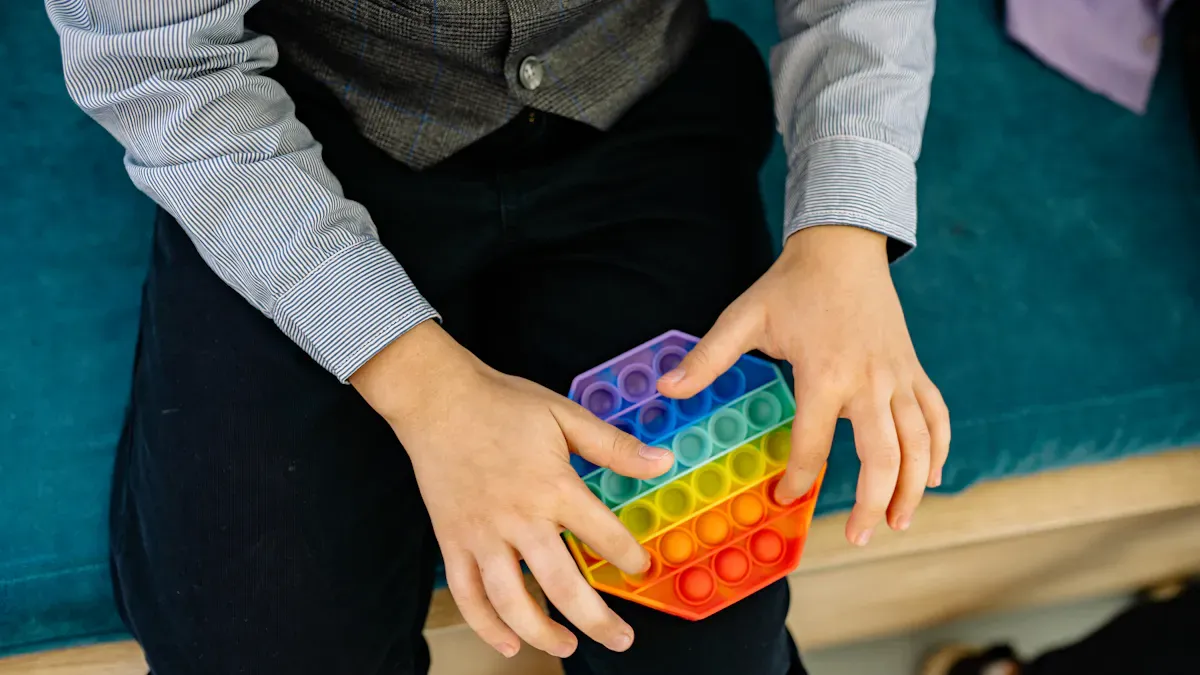
Have you ever wondered why stress balls and fidget toys help you feel better so quickly? When you use these tools, your brain and body work together in amazing ways. You might squeeze a stress ball during a tough moment or play with fidget toys when you feel restless. These simple actions do more than keep your hands busy—they actually change what happens in your brain.
Physical activity, even small movements like squeezing or rolling stress balls, increases important chemicals in your brain. These chemicals, called neurotransmitters, help you focus and pay attention. You block out distractions and feel less bored. Your brain stays alert, and you can get more done. Fidget toys give you an outlet for extra energy. This means you can stay calm and keep your mind on track, even when you feel anxious or overwhelmed.
You might notice that when you use stress balls, your anxiety drops. That’s because fidgeting activates special pathways in your brain. These pathways help you pay attention and process sensory information. The predictable feeling of squeezing or touching a toy helps you feel safe. It gives your brain a break from stress and helps you manage your emotions.
Here’s what happens when you use stress balls and fidget toys:
You activate your senses—touch, sight, and sometimes sound.
Your brain releases dopamine and norepinephrine. These chemicals help you stay alert and focused.
You feel calmer and more in control, even in stressful situations.
Tip: Try using fidget toys during homework or meetings. You might find it easier to listen and remember important details.
Stress balls and fidget toys also help people with ADHD, ADD, or autism. These tools give your hands something to do, so your brain can focus on learning or working. You might find that you finish tasks faster and feel less anxious.
Let’s look at how different toys help:
Toy Type | Best For | How It Helps |
|---|---|---|
Stress balls | Anxiety, stress relief | Squeezing calms your nerves |
Pop-its | Sensory regulation | Repetitive popping soothes you |
Fidget cubes | Focus, restless energy | Keeps hands busy, mind clear |
You can choose the toy that fits your needs. Some people like the soft feel of stress balls. Others enjoy the popping sound of a pop-it. Try different textures and shapes to see what works best for you.
Tactile Input and the Nervous System
Tactile input means anything you feel with your skin, like squeezing a squishy toy or rolling a bumpy ball. When you use stress balls, you send signals to your nervous system. These signals tell your body to relax. The deep pressure from squeezing a stress ball activates the part of your nervous system that helps you calm down. This is called the parasympathetic nervous system.
You might notice your muscles relax after using stress balls. That’s because squeezing and releasing the ball works like a special exercise called progressive muscle relaxation. This technique helps your body let go of tension and stress. The act of squeezing also distracts you from worries. Your sense of touch takes over, and your mind gets a break from anxious thoughts.
Here’s what happens inside your body:
Squeezing stress balls calms your nerves and helps you breathe easier.
Tactile input triggers the release of endorphins. These are “feel-good” chemicals that boost your mood.
You feel more in control, which lowers your anxiety.
Note: Many people use stress balls before a big test or doctor’s visit. They feel less anxious and more confident after just a few minutes of squeezing.
Studies show that patients who used stress balls before surgery felt less anxiety. They reported feeling more relaxed and in control. The simple act of squeezing gave them a sense of power over their feelings.
Fidget toys and stress balls both help you manage stress, but they work in slightly different ways. Fidget toys, like pop-its or textured balls, give you calming sensory input. This helps you feel less overwhelmed. Stress balls offer deep pressure and tactile feedback, which can improve your focus and help you relax.
Here’s a quick list of benefits you get from tactile sensory toys:
Muscle relaxation
Distraction from stress
Better mood
More focus
Less anxiety
You can use stress balls and fidget toys every day. Keep one in your backpack, at your desk, or by your bed. Whenever you feel stress or anxiety, just start squeezing or fidgeting. You’ll notice your body and mind feel calmer in just a few minutes.
Sensory Mindfulness Practices
Staying Present with Rubber Sensory Toys
Rubber sensory toys are an easy way to stay calm. When you feel stress or worry, grab a squishy toy. The feeling in your hand helps your mind focus. You pay attention to the toy, not your worries. This keeps your thoughts from running wild.
Using sensory toys mindfully can lower stress and help you feel calm.
Doing mindfulness with these toys can help you focus and feel less anxious.
In one classroom, students who used squishy toys saw 35% less off-task behavior and finished 22% more work.
Students with ADHD said busy hands helped their brains focus better.
Occupational therapists use sensory toys to help with emotions and fine motor skills, especially when kids cannot move around much.
Tip: Make clear rules for using sensory toys. This helps them stay useful and not become a distraction.
Simple Mindfulness Exercises
Try this easy exercise: Hold a rubber sensory toy in your hand. Squeeze it slowly and feel its texture and shape. Take a deep breath and notice the pressure in your hand. Let your stress fade away with each squeeze. This helps you relax and stay calm.
You can also use sensory toys to let out frustration in a safe way. Instead of acting out, squeeze or stretch your toy. This helps you handle anxiety and stress. If you practice often, you will feel more relaxed and focused when things get tough.
Practical Tips for Using Rubber Sensory Toys
Choosing the Right Stress Ball or Toy
You want a stress ball or fidget toy that fits your needs. Not all toys work the same for everyone. Some people like soft and squishy toys. Others want something bumpy or firm. You can use this table to help you pick the best one for you or your children:
Criteria | Description |
|---|---|
Material Safety | Choose non-toxic, BPA-free, and phthalate-free toys. Medical-grade silicone is safest for children. |
Durability and Resilience | Pick toys that last. High-density foam or strong rubber works well for repeated stress relief. |
Ergonomic Design | Make sure the toy fits your hand. It should feel good and not cause strain. |
Texture and Sensory Feedback | Try different textures. Some people like smooth, others like bumpy or stretchy for relaxation. |
Size and Portability | Toys between 2–4 inches are easy to carry. You can keep them in your pocket or bag. |
People say things like, “Helped me stop biting my nails,” or “The texture really calms my hands during panic attacks.” You might hear, “Perfect size for my pocket,” or “My child uses it every day at school.” These comments show how important it is to find the right fit for stress management and relaxation.
Adding Sensory Toys to Daily Routines
You can use a stress ball or fidget toy almost anywhere. Try using a stress ball during homework, chores, or even mealtime. Children feel calm when they squeeze or roll a toy. You can add tactile play to bath time with squishy rubber toys. Snack time can include textured foods for extra sensory input.
Here are some easy ways to add sensory toys to your day:
Use a stress ball for relaxation before bed.
Play games with a weighted knot ball or roll it back and forth.
Create a sensory bin with rice or water beads for children to explore.
Try deep pressure by rolling a ball over your back or legs.
Add movement activities like jumping or bouncing during play.
You can make stress management part of your family routine. Regular use helps children self-regulate and feel secure. Using a stress ball or fidget toy gives you a quick way to handle stress and find relaxation. You turn everyday moments into chances for connection and effective stress management.
You can let stress melt away with rubber sensory toys. These toys help you:
squeeze away stress fast
calm your mind and body
focus better in class or at home
manage stress if you have ADHD or anxiety
use stress relief every day
keep stress from building up
enjoy simple stress management
Try different stress balls and fidget toys. Make them part of your daily routine. You will feel more relaxed and ready for anything!
FAQ
How do I clean rubber sensory toys?
You can wash most rubber toys with warm water and mild soap. Let them air dry. Check the label for special care instructions.
Can I use rubber sensory toys at school or work?
Yes! You can keep a small toy in your pocket or bag. Many teachers and bosses allow quiet fidget toys.
Are rubber sensory toys safe for kids?
Most rubber sensory toys are safe for kids over three years old. Always check for small parts and supervise young children during play.
See Also
Essential Sensory Toys for Managing Anxiety and Stress
Sensory Toys for Autism Create a Calm Play Environment
Smart Strategies for Using Sensory Toys to Soothe Kids
