Portable sensory room creates happy spaces everywhere
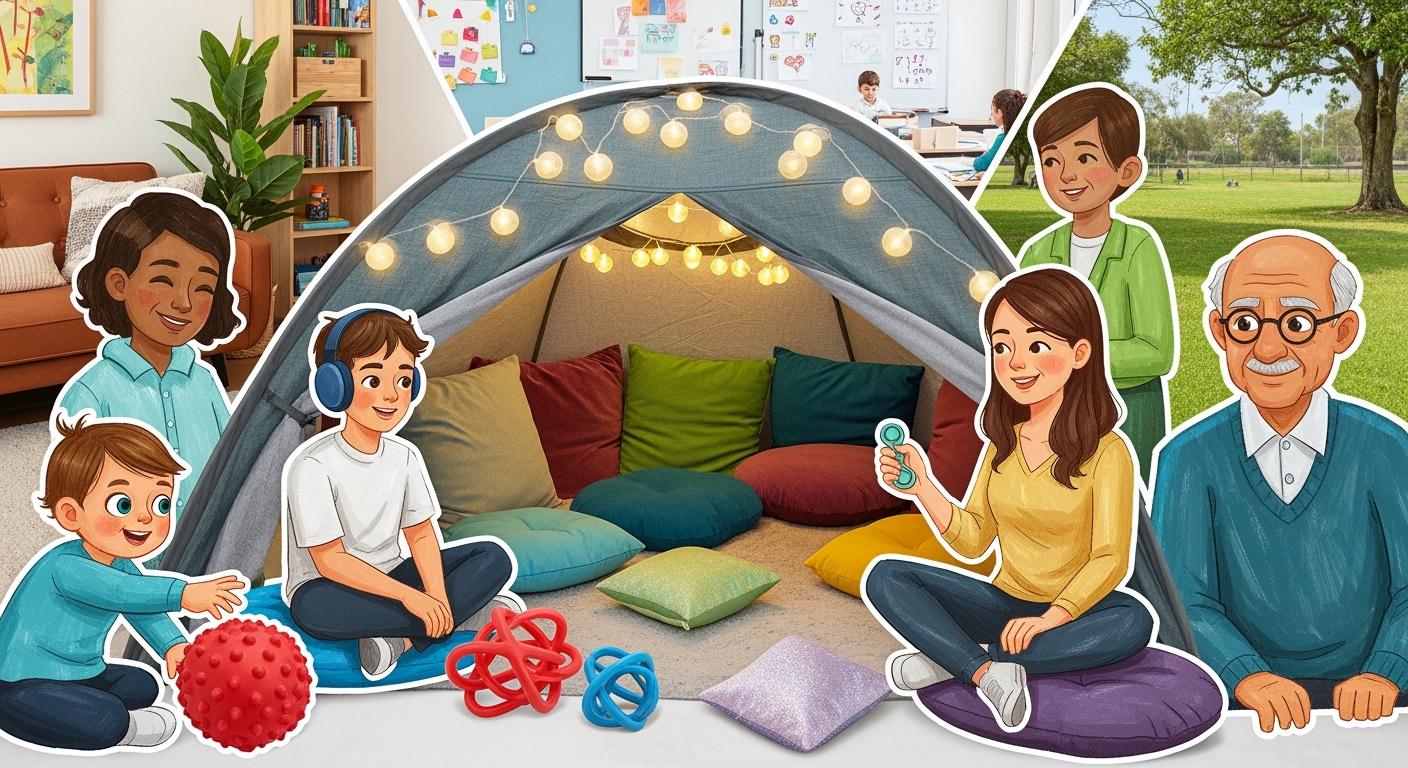
You can make any room calm with a portable sensory room. Parents, teachers, and caregivers like how flexible it is. Modular sensory carts and kits help you set up fast. You can use them in a classroom or a waiting area. More people want portable sensory solutions every year. Look at the table below to see how trends have changed:
Yearly Trend | Key Points |
|---|---|
Demand keeps rising | Mobility and adaptability make them popular in many places |
Portable carts and pods | Easy to use in classrooms, airports, and event spaces |
You can pick sensory options that work for you. With many choices, you can make a calm spot anywhere.
Key Takeaways
Portable sensory rooms can go almost anywhere. They work in classrooms, homes, and public places. This makes them very flexible.
These rooms have calming tools. They use soft lights and gentle sounds. These things help lower anxiety. They also help people relax.
Customization is important. Pick sensory items that match what each person likes and needs. This gives the best experience.
It is quick and easy to set up a sensory room. It usually takes less than an hour. You do not need special tools.
Using a portable sensory room can help people focus better. It can also help with social skills. It improves well-being for people of all ages.
What is a portable sensory room?

Sensory room definition
A sensory room is a space with tools and activities that help you feel calm. You might see soft lights or hear gentle sounds. There are things you can touch and squeeze. These rooms help people who need a break from loud places. You do not need a big room to use these tools. A portable sensory room brings calming items to you anywhere. You can set it up in a classroom, bedroom, or library corner. This makes it easy to create a happy space almost anywhere.
You may wonder how a portable sensory room fits in small spaces. You can use a mobile sensory solution to make any spot calm. Parents and teachers like this because they do not need to build a new room. You just roll out a cart or open a kit, and you are ready.
Key features
Portable sensory room kits have some common features. These features help you set up and use the room in different places. Here is a table that shows what you can expect:
Feature | Description |
|---|---|
Modular & Customizable Systems | You can mix and match items to fit your space. |
Tech-Integrated Solutions | Interactive LED panels and fiber optic lights add fun and calm. |
Focus on Portability | Lightweight, foldable, and easy to put together. |
Multi-Sensory Integration | Tools for touch, sight, sound, and movement all in one kit. |
Home-Use Expansion | Compact designs work well for families at home. |
You can use these features in many ways. For example, you can use wall-mounted sensory panels to save space. You can make a cozy corner with cushions and weighted blankets. Foldable or inflatable equipment helps you save floor space. If you want something simple, you can make a kit with fidget toys and headphones.
Many brands sell portable sensory room kits. Each brand has its own style and focus. Here are some popular options:
Brand/Supplier | Key Features |
|---|---|
eSpecial Needs | Large setups, many products, easy to create your own space. |
Rompa | Relaxing Snoezelen rooms, new ideas, ships worldwide. |
Abilitations | Durable, affordable tools for therapy and play. |
FlagHouse | Sensory tools for therapy and PE, fits many spaces. |
National Autism Resources | Custom kits for autism and ADHD, tactile and sound tools. |
Southpaw Enterprises | Therapist-approved, strong products for classrooms and therapy. |
Fun and Function | Lightweight carts, tools for many needs, easy to customize. |
TFH Special Needs Toys | Cool lighting, interactive panels, good for home or school. |
School Specialty | Full-room options, helps with IEPs, affordable solutions. |
A portable sensory room gives you choices. You can pick what works best for your needs and space. You do not have to stick with one setup. You can change things as you need. This helps you support everyone, no matter where you are.
How portable sensory rooms work
Sensory elements
You may wonder why a sensory room is special. The answer is the sensory elements inside it. These tools help you have a balanced sensory experience. Each item helps your senses in its own way. You can see, touch, and hear calming things. Many sensory rooms use lights, textures, and movement together. This helps meet different needs.
Here’s a table that shows some common sensory elements and their intended effects:
Element | Intended Effect |
|---|---|
Calming Bubble Tube | Engages senses with visual changes and soothing vibrations. Helps you relax. |
Soft Padded Platform | Gives comfort and safety while you explore sensory items. |
Mirror Pair | Multiplies visual effects for a more immersive, calming experience. |
Color Changing Bubble Tube | Offers visual stimulation. Reduces anxiety and promotes relaxation. |
Black UV Light | Makes colors glow, boosting visual interest. |
Kaleidoscope Lamp | Projects moving colored lights for dynamic visuals. |
Hand-held Sensory Lights | Portable and easy to use for visual stimulation anywhere. |
You can also find deep pressure rollers, weighted blankets, and fidget tools. These items help with movement and self-soothing. They support people with autism, adhd, and sensory processing challenges. You can use these tools at home, in school, or outside.
Sensory integration therapy uses these elements often. The goal is to help you handle sensations in a safe way. You get to choose what feels best for you. This helps you stay calm and focused.
Creating calm spaces
You can set up a portable sensory room almost anywhere. You do not need a large space. You can use a corner in your classroom or living room. You can even use a quiet spot outside. Portable sensory kits come with everything you need. You just open the kit, set up the items, and start.
A sensory room gives you a safe place to relax. You can get away from loud noises and bright lights. This is important for neurodivergent people who need quiet. You can use soft lighting, gentle sounds, and movement tools to make a calm space. These things help lower anxiety and support your feelings.
Here are some ways sensory rooms help you feel better:
You get controlled sensory input. This helps you handle sensations safely.
You can use calming lights and sounds to lower stress.
Weighted blankets and deep pressure rollers help you relax and feel better.
You can move and explore, which keeps you focused.
Many schools, airports, and offices use portable sensory rooms. The ZenDen is a good example. It works in schools, healthcare places, and public spaces. You can change the setup to fit your needs. This flexibility helps your mental health and feelings.
Sensory integration therapy says a controlled space is important. You get a room that matches your sensory needs. Staff and caregivers learn how to use the room safely. This keeps the experience good and helpful.
You can use a portable sensory room to help different people. You can help children, teens, and adults find calm. You can make happy, safe spaces everywhere.
Benefits of portable sensory rooms
Emotional support
A sensory room can help change how you feel. When you walk in, you see soft lights and hear calm sounds. These things help you relax and feel steady. You might have fewer meltdowns and can move around more easily. If you feel nervous, the quiet space helps you get away from loud noises or bright lights. This makes it easier to calm down and think again.
You can take a break in a sensory room when you need to. You can touch, squeeze, or move with different things. This helps you handle your feelings and talk to others better. Many students use these rooms to rest and get ready to learn. You may notice your social skills get better because you feel more in control.
If you are neurodivergent, comfort and safety matter a lot. A portable sensory room gives you a place to meet your sensory needs. You can use weighted blankets, swings, or soft mats. These things help you feel safe and calm.
Portable sensory rooms give children with special needs a safe place to handle their senses. They have activities that help kids calm down or wake up their senses. This helps them focus, be creative, and join in more.
Practical advantages
You can set up a portable sensory room almost anywhere. You do not need a big space or special tools. You can move the items from one room to another or even outside. This helps more people in many places.
Here is a table that shows some practical advantages:
Advantage | Description |
|---|---|
Fast Assembly | Can be set up in under 30 minutes without the need for construction or special tools. |
Space-Efficient | Requires only 2x2m of space, making it suitable for various environments like classrooms or homes. |
Portable and Adaptable | Can be easily moved and adjusted according to seasonal needs or changes in classroom layouts. |
You can use a sensory room in schools, therapy centers, or homes. Teachers and therapists like how easy it is to share the items. You can help many people and move the tools to other rooms. This means everyone gets what they need, when they need it.
You also get more chances to move and explore. Things like floor scooters, crash pads, and swings keep you active and focused. These tools help your senses and make each time in the room fun and useful.
Portable sensory room setup

Step-by-step guide
You can set up a portable sensory room in just a few steps. Most kits let you finish the setup in about one hour. You do not need special tools or a contractor. Here’s how you can get started:
Pick a spot that feels safe and quiet. A corner of a classroom or a small room at home works well.
Lay out soft mats or cushions to make the area cozy.
Create a visual stimulation area. Add things like kaleidoscopes, fiber optic lights, or a color-changing lamp.
Set up a quiet retreat space. Use dim lighting and soft, enclosed spaces for extra comfort.
Check for safety and comfort. Remove sharp objects and use non-toxic materials.
Add budget-friendly sensory items. Try homemade weighted blankets or sensory bottles if you want a home-friendly sensory solution.
Make the sensory room part of your daily routine. Use it for breaks, calming time, or focused activities.
Tip: Mobile sensory stations and flexible sensory setups help you move your room to different spots when you need a change.
Customization tips
You can make your sensory room fit your needs. Everyone likes different things, so try new ideas until you find what works best. Here are some ways to customize your space:
Choose sensory activities and equipment that match your favorite sights, sounds, and textures.
Work with an occupational therapist to create a sensory diet. This helps you pick the right tools for your body and mind.
Change the design for different moods. Add swings, crash pads, or fidget toys for movement. Use soft lights and music for calm.
Make sure the room helps you during tough moments. A good sensory room lets you relax and feel safe when you need it most.
Many families and teachers share stories about how a portable sensory room changed their lives. One parent said their child started using the room every day after school. The child felt calmer and happier. Teachers say students focus better and join group activities more often. You can create your own success story with a little creativity and care.
You can make any place feel happy and helpful with a portable sensory room. Families, teachers, and caregivers notice big changes. Research shows some important results:
Study Focus | Findings |
|---|---|
Children with autism | Kids talk more, move better, and behave better |
Elderly individuals | Older people feel more comfortable and enjoy life more |
Student engagement | Students pay attention more and act out less |
Social skills | People get better at talking and making friends |
Psychiatric care | People feel less worried and control feelings better |
Overall well-being | People feel less anxious and happier overall |
Sensory activities help keep your brain working well.
You get comfort and help for what you need.
Try a portable sensory room and see how it can make you feel better!
FAQ
What is a portable sensory room?
A portable sensory room is a kit or cart with calming tools. You can set it up anywhere. It helps you relax and feel safe.
Who can use a portable sensory room?
You can use it if you need a break or want to feel calm. Kids, teens, and adults all benefit. Teachers and parents love it, too.
How do I clean and store the equipment?
Wipe items with a damp cloth. Store soft items in bins or bags. Keep everything together so you can set up fast next time.
Can I use a portable sensory room outside?
Yes! You can set up in a backyard, park, or playground. Just pick a safe, quiet spot. Some kits even include weather-friendly items. 🌳
See Also
Recommended Sensory Room Concepts for Children with Special Needs
Essential Elements of Effective ASD Sensory Rooms in Schools
Effective Sensory Room Concepts for Schools That Deliver Results
Creating a Calming Environment Using Sensory Room Lighting
Latest Trends in Sensory Room Furniture for Comfort and Wellness
