Outdoor Sensory Activities Trending in 2026
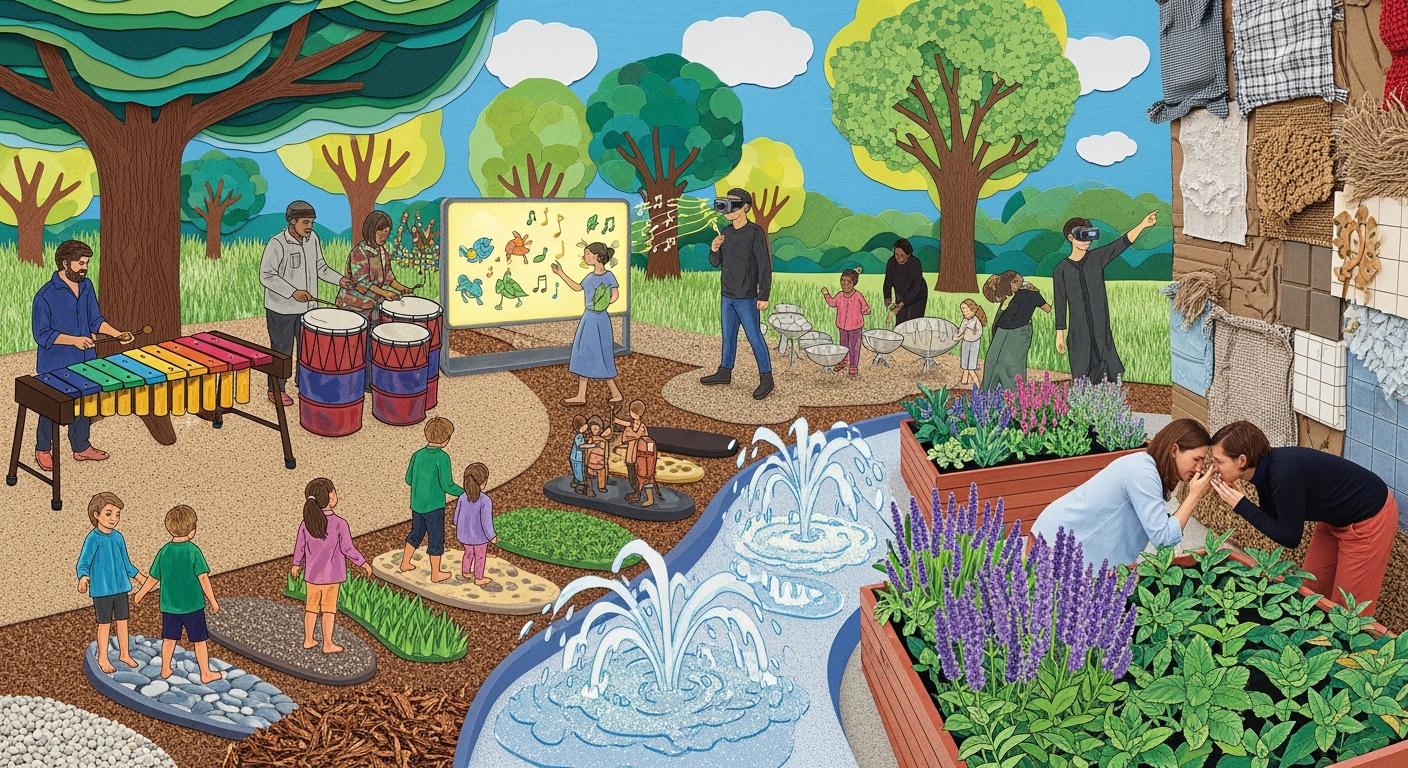
In 2026, Sensory Toys will be found everywhere, but outdoor sensory activities remain the best option for children with developmental disabilities. Kids love these outdoor sensory activities because they get to run, touch, and explore in ways that feel enjoyable and engaging. Outdoor play not only supports the development of motor skills but also helps children relax and build friendships. You can easily adapt outdoor sensory activities to meet any child’s needs, ensuring that every child can have fun with Sensory Toys in 2026.
Key Takeaways
Outdoor sensory activities help kids build motor skills and creativity. Climbing and water play make kids stronger and let them have fun.
Sensory gardens and scavenger hunts use all five senses. These activities help kids relax and notice things around them.
Adaptive playgrounds let all kids play together. Ramps and soft surfaces keep play safe for kids with different abilities.
Outdoor art stations help kids be creative and work as a team. Kids can show their feelings with art and learn to share and work together.
Always put safety first in outdoor activities. Check play areas for dangers and watch kids to keep them safe and happy.
Top Outdoor Sensory Activities
Sensory Gardens
When you walk into a sensory garden, you see bright colors and smell different scents. You can touch leaves and flowers with many textures. Some plants, like mint and lavender, smell nice and help you feel calm. You might hear wind chimes or water flowing nearby. These sounds make the garden peaceful. Sensory gardens let you use all your senses. You can walk around, touch things, smell flowers, and listen to gentle sounds. This helps you relax and pay attention. You can explore at your own speed and feel safe while you discover new things.
Nature Scavenger Hunts
Nature scavenger hunts make a walk outside more fun. You get a list of things to find, like a smooth rock or a colorful flower. You look for these items while you walk in nature. This activity helps you notice small details. You use your senses to find different shapes, textures, and sounds. You might hear birds or feel rough tree bark. Scavenger hunts help you learn to observe and make outdoor time exciting. You can do them alone or with friends. Working together helps you practice teamwork and talking with others.
Water Play Zones
Many kids love water play zones. You can splash, pour, and watch water move. Fountains, sprinklers, and shallow pools make water play fun. You feel cool water on your skin and hear splashes. You see light reflections in the water. Water play zones help you use your sense of touch, hearing, and sight. Playing with water helps your brain grow and makes you more creative. You can think and solve problems while you play. Water play zones are for everyone. You can dip your hands, jump in, or just watch the water.
Tip: Always make sure the water is clean and the ground is safe. This keeps everyone healthy and happy.
Adaptive Playgrounds
Adaptive playgrounds are made for all kids. You see ramps, wide paths, and swings with extra support. The ground is soft and smooth, so it is easy to move around. Even if you use a wheelchair or walker, you can play safely. Smooth surfaces help prevent falls and injuries. Parents say these playgrounds help every child, not just those with mobility needs. You can climb, slide, and swing. There are textured panels and musical parts to enjoy.
Study | Findings |
|---|---|
Crawford et al. 2014 | Changing play activities helps kids with disabilities join in. |
Kuhaneck et al. 2020 | Making changes helps kids with autism play better. |
Brown et al. 2021 | Sensory playgrounds make kids want to play more. |
Hospodar et al. 2023 | Adapted playgrounds help all kids play together. |
Adaptive playgrounds make outdoor sensory activities easy and fun for everyone.
Outdoor Art Stations
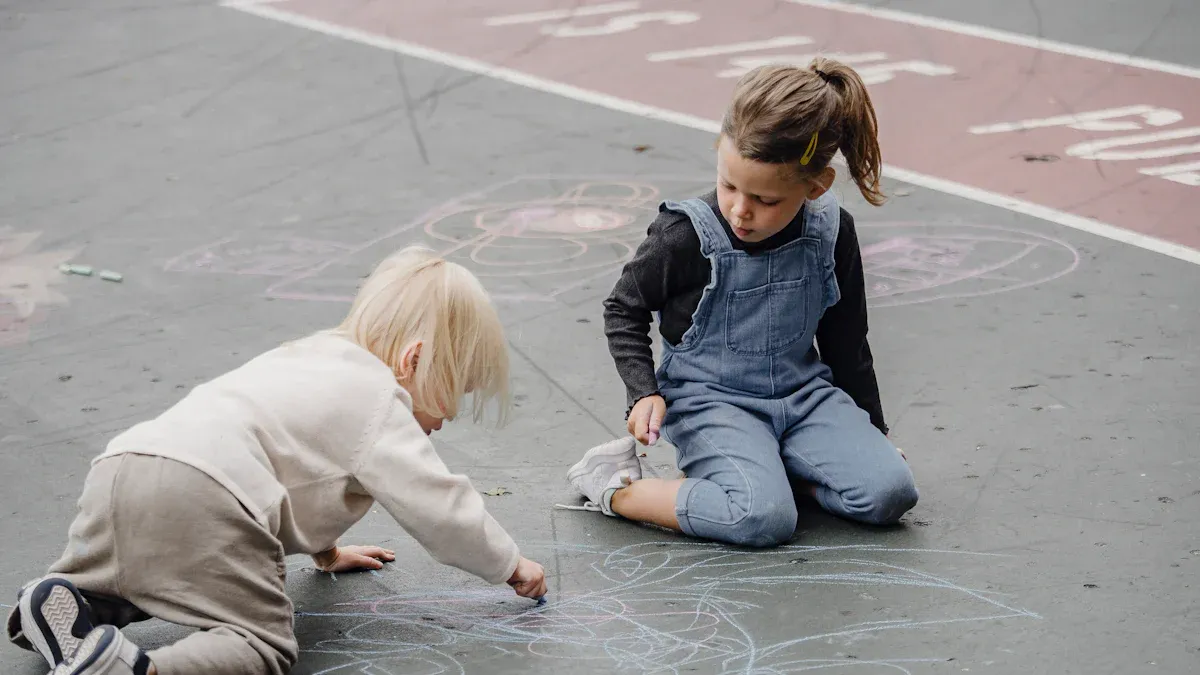
Outdoor art stations let you make art outside. You can paint, draw, or build with leaves, grass, or stones. Artistic gardens are places where people come together to enjoy art and nature. These stations let you use your hands and senses. You feel leaves, see bright colors, and hear sounds while you create. Outdoor art stations help you be creative and use your senses. You can work with others on art projects. This helps you learn to share and understand others. Making art outside helps you show your feelings and stay calm.
Note: Outdoor art stations can get messy, but that makes it fun! Bring wipes or aprons to help keep things clean.
If you want more adventure, try an outdoor obstacle course. You climb, crawl, and balance through different challenges. You use your senses to help you move. This activity makes you stronger and helps you focus.
Implementing Activities
Sensory Gardens – Setup & Safety
Making a sensory garden is easy. Pick plants with different smells and feels, like mint or lavender. Always use safe, non-toxic things. Watch kids closely and make clear safety rules. Walk around the garden to look for dangers. Keep the garden clean to stop accidents. Risk checks help you find problems early. When you set up your garden, you make it safe for everyone.
Watch kids all the time to keep them safe.
Choose only safe plants and materials.
Clean up leaves and trash often.
Make clear rules for playing in the garden.
Look for sharp things or slippery places.
Scavenger Hunts – Planning & Tools
Planning a scavenger hunt makes being outside more fun. Use baskets or boxes to collect things. Try a texture scavenger hunt to help kids feel different things. Add clues like “find something soft” or “listen for a bird.” This table shows good ideas and tools:
Strategy/Tool | Description |
|---|---|
Texture Scavenger Hunts | Kids feel textures, which helps their senses and thinking. |
Containers for Collection | Baskets help keep finds together and kids searching. |
Sensory Descriptions | Sensory clues help kids with sensory needs and make it more fun. |
Water Play – Equipment & Hygiene
Water play needs safe tools and clean water. Use sprinkler pads, water tables, spray bottles, or toy sinks. These help kids move, scoop, and pour water. Always check that the water is clean. Wipe toys and surfaces after playing. Watch kids to stop slips.
Equipment Type | Benefits |
|---|---|
Sprinkler splash pad | Lets kids control water and move around. |
Water table | Scooping and pouring helps kids use their senses. |
Spray bottles | Less mess and fun water shapes. |
Toy sink with running water | Helps kids learn to do things by themselves. |
Adaptive Playgrounds – Inclusion Tips
You can make playgrounds good for everyone. Use wide, smooth paths and safe rubber ground. Add ramps and transfer spots for easy use. Put in panels you can touch and musical things to play. Give quiet places and spots to talk. Kids in wheelchairs can play with others. Sensory walls and water help kids with autism or cerebral palsy feel calm. Ask families and helpers for ideas to meet all needs.
Art Stations – Supplies & Mess Management
Outdoor art stations need simple things. Watercolors are great outside. Old sheets or cardboard work as painting spaces. Try using leaves or grass as brushes. Smooth rocks and shells are fun to paint. Clear contact paper lets kids make sticky leaf art. Keep wipes and aprons close for easy cleaning. Set up art stations in shady places to keep kids cool.
Watercolors for bright art outside
Old sheets or cardboard for painting
Leaves or grass as brushes
Smooth rocks or shells for painting
Clear contact paper for leaf art
Tip: Put art stations on washable spots and keep cleaning things nearby. Getting messy is part of the fun!
Benefits for Development
Motor Skills
Outdoor sensory activities help kids get stronger. Running and climbing in adaptive playgrounds build muscles. Jumping makes legs and arms work hard. Water play zones let kids scoop and pour water. This helps hands and fingers move better. Picking leaves or painting at art stations helps fingers too. These activities are fun and keep kids moving. Kids exercise while they play, so they do not get bored.
Social Interaction
Playing outside helps kids make new friends. Nature scavenger hunts and group art projects need teamwork. Kids learn to share and take turns with others. They practice talking and listening during play. Adaptive playgrounds let everyone join in together. Kids with developmental disabilities play with all kids. Smiles and laughter show that everyone feels welcome.
Tip: Ask other families to join your outdoor sensory fun. You make a group and help kids learn from each other.
Sensory Integration
You can see how kids react to sights, sounds, and textures. Sensory gardens and water play zones give many ways to explore. Kids touch soft leaves and hear water splash. They smell flowers and learn new things. Kids who have trouble with sensory processing can practice here. They get used to new things in a safe place.
Activity | Sensory Experience |
|---|---|
Sensory Garden | Touch, smell, sound |
Water Play Zone | Touch, sight, hearing |
Art Station | Touch, sight |
Emotional Well-being
Kids feel better after playing outside. They are calm and happy when outdoors. Outdoor sensory activities help kids handle feelings and stress. You may notice these good changes:
Better control of emotions
Less stress and worry
More self-awareness
Stronger mood and resilience
Kids have a safe place to show feelings and grow confidence. Outdoor play helps everyone feel good inside and out.
Adapting for All Needs
Physical Disabilities
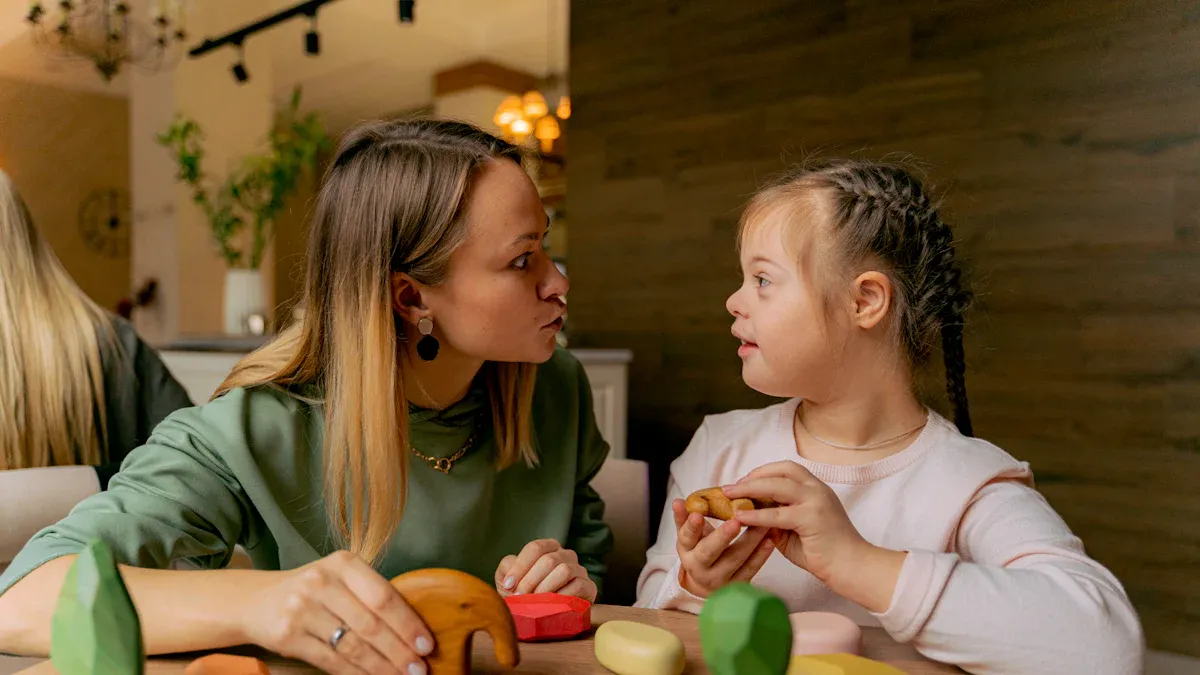
You can make outdoor spaces better for kids with physical disabilities. Use potted plants and raised beds in your sensory garden. These help kids in wheelchairs or walkers reach plants. Add a sprinkler fountain for water play. Put wooden logs for climbing or walking. These changes let kids play by themselves. Watch how each child moves and what they like. Give choices and use pictures or signs to show what will happen. Safety, independence, and fun are important when you plan.
Raised beds and potted plants help kids reach things.
Ramps and smooth paths make moving easier for wheelchairs.
Choices and pictures help kids know what to expect.
Watch each child’s comfort and energy.
Sensory Sensitivities
Some kids get upset by loud sounds, bright lights, or strong smells. You can help by making quiet areas or using headphones that block noise. Let kids take breaks when they need to. Sensory integration therapy uses fun activities to help kids get used to sights, sounds, and touches. These activities help the brain learn about different senses. When you pick activities for each child, you help them feel safe and ready to play.
Sensory integration therapy helps kids respond better to sensory information. It uses playful activities made for different senses. These activities help the brain organize touch, sight, sound, and movement. By using many senses at once, therapy helps kids change how they react to things.
Inclusive Participation
You want every child to join outdoor activities. Mix different games and tools so everyone can play. Here is a table with ideas you can use:
Activity | Description | Benefits |
|---|---|---|
DIY Nature Obstacle Course | Use cones, logs, ropes for balance and movement | Helps kids plan and move better |
Sand and Water Play | Dig, pour, and explore textures | Makes hands stronger and teaches math |
Chalk Body Trace Game | Trace outlines with chalk | Supports art and body awareness |
Swinging or Hammock Calm Zone | Swings or hammocks for calming breaks | Teaches kids to calm themselves |
Bubble Chasing | Chase bubbles for fun movement | Helps kids move and control breathing |
Let kids help plan what to do. Give sensory-friendly choices like quiet spots or headphones. When you listen to each child, you help them feel confident and make playtime better.
Working with Therapists
You can work with occupational therapists to make outdoor play more helpful. Therapists know how to use outdoor spaces for sensory and motor skills. They help you set up activities that build focus and mental health. Playing outside with a therapist helps kids be creative and solve problems. Kids learn to handle feelings and become more independent. When you work with therapists, you help your child grow and enjoy being outside.
Therapists help you pick the best activities.
They show you how to change games for each child.
You learn new ways to help your child grow.
You can add outdoor sensory activities to your family’s day. These activities help kids get stronger, relax, and make friends. You do not need special tools to start. Use easy ideas and see how your child explores. Look at the table below to find ways all families can join in:
Study | Findings |
|---|---|
Crawford et al. (2014) | |
Kuhaneck et al. (2020) | Changes help kids with autism play more. |
Brown et al. (2021) | Sensory parts make kids want to play. |
Hospodar et al. (2023) | Changes make it easier for all kids to play. |
Try one new activity first. Let your child choose what to do. Add quiet spots so kids can rest. Taking small steps helps a lot!
FAQ
What if my child doesn’t like outdoor activities?
You can start with short play sessions. Try different activities until you find one your child enjoys. Let your child choose what to do. Small steps help build confidence.
How do I keep outdoor sensory activities safe?
You should check the area for sharp objects or slippery spots. Always supervise your child. Use safe, non-toxic materials. Clean up after play to prevent accidents.
Can I do these activities with limited space?
Yes! You can use a small yard, patio, or even a balcony. Potted plants, water tables, and art stations fit in tight spaces. Creativity matters more than size.
What supplies do I need for outdoor sensory play?
You can use simple items like buckets, leaves, water, chalk, and paint. Everyday objects work well. You don’t need expensive toys. Look around your home for ideas.
How do I include children with different abilities?
You can offer choices and adapt activities. Use ramps, raised beds, or sensory-friendly tools. Ask your child what feels comfortable. Listen and adjust as needed.
See Also
Essential Sensory Strategies for Kids' Heavy Work Activities
Best Non-Messy Sensory Activities for Nurseries This Year
Unique Sensory Garden Concepts That Schools Can Implement
