Find the Best Oral Fidget Toys for ADHD and Sensory Needs
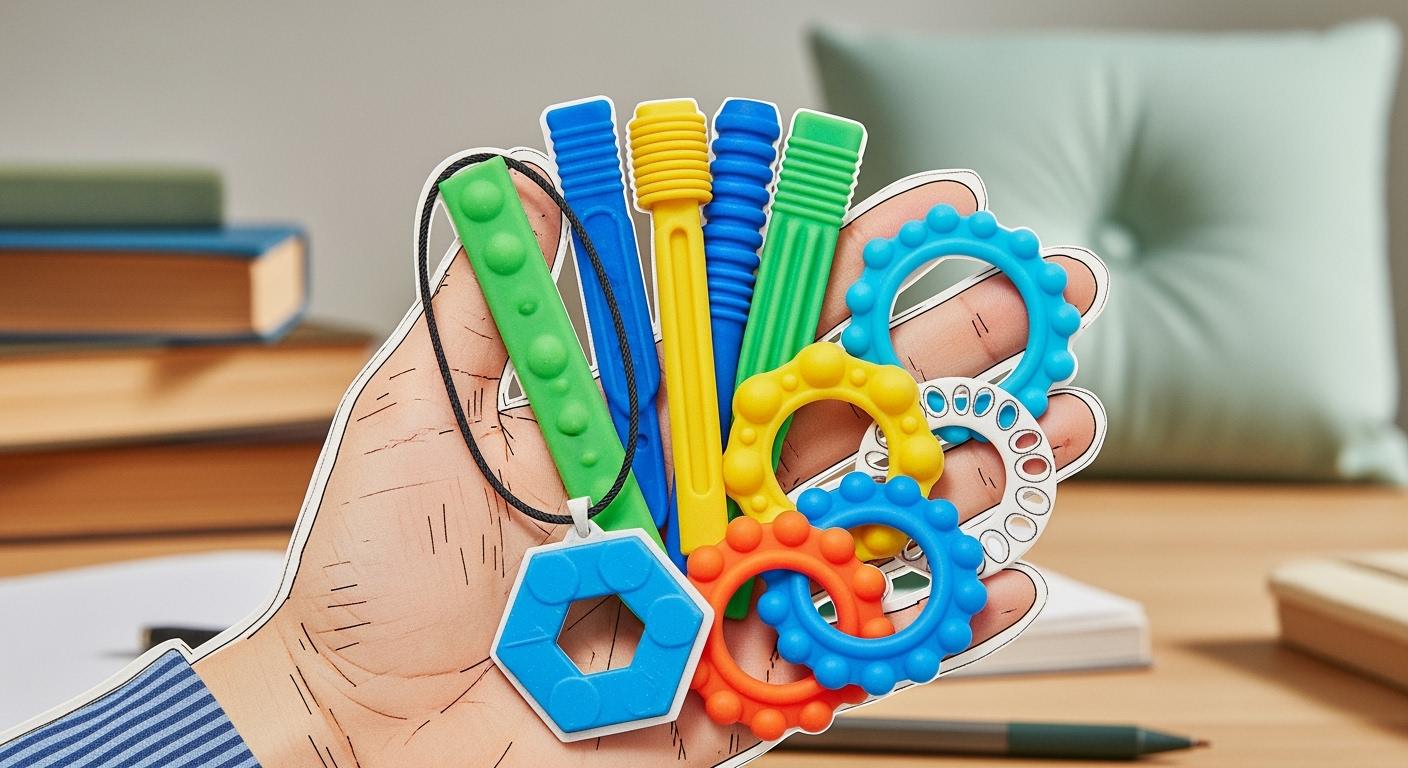
You want the best oral fidget toys for ADHD and sensory needs. Many students say oral fidgets help them focus. They also help students feel calm. Some popular choices are X-Shape Grabber Chewy, Squish and Squeeze Goo Mats, and Twin Bubble Poppers. Oral fidget toys are a calming choice for people who like oral sensory input.
Key Takeaways
Oral fidget toys help kids with ADHD pay attention. They also help them feel calm. These toys give sensory input to the brain. This keeps the brain busy and focused.
Pick the right oral fidget toy for your needs. Think about how you like to chew and what texture you like. This helps you feel comfortable and makes the toy work better.
Safety is very important when picking a toy. Choose toys made from safe materials. Check the toys often for damage or wear.
Why Oral Fidget Toys Benefit ADHD and Sensory Needs
Oral Fidgeting for Focus and Calm
When you chew or fidget, your brain wakes up. Oral fidget toys keep your mouth busy. This can help you focus and feel calm. Kids with ADHD often need to fidget. Fidgeting gives their brains the stimulation they want. This sensory input helps you stay alert. It also helps you pay attention. Scientists say fidgeting raises dopamine and norepinephrine. These chemicals help you focus and control yourself. Some studies show fidgets can make some kids more distracted. Other kids finish tasks and feel less stressed when they use fidgets.
Sensory Input and Self-Regulation
Oral fidget toys give safe sensory input. If you have ADHD or sensory needs, you might chew pencils or shirts. Chewable toys and textured chew tools are made for kids who need sensory input. These toys help you meet your needs safely. They stop you from hurting yourself or your things. Sensory input from oral fidgets can calm you. It helps you manage your energy. Many teachers use fidgets in class. They help kids with ADHD focus and learn.
A child finished a worksheet after using a fidget toy. This shows movement can stop overstimulation. It also helps with feelings.
Who Needs Oral Fidget Toys
Oral fidget toys help many kids. You might need them if you have ADHD, autism, or sensory processing disorder. Kids with sensory needs often need extra input to feel good. Oral fidgets are great for kids who need calming and focus. These toys help kids with ADHD and sensory needs manage stimulation. They also help kids self-regulate.
How to Choose Oral Fidget Toys Safely
Picking the right oral fidget toy can seem hard. But you can make it easy if you follow some steps. Let’s look at how you can find the best toy for you or your students.
Chewing Style and Strength
People chew in different ways. Some chew softly, and some bite down hard. Use this table to help match your chewing style with a good toy:
Chewing Style | Description | Recommended Toy Type |
|---|---|---|
Front Teeth Chewer | Nibbles with front teeth | Many shapes of chewable aids |
Back Teeth Chewer | Needs longer toys for back teeth | Long, slender chewable aids |
Light Chewer | Chews softly or sometimes | Soft, flexible silicone aids |
Moderate Chewer | Likes medium resistance | Medium-firm chewable aids |
Aggressive Chewer | Bites hard and often | Extra tough (XXT) chewable aids |
Texture and Sensory Preferences
Texture is important for many people. Some kids like smooth toys. Others want toys with bumps or ridges. Here are some favorite textures:
Product Description | Textures |
|---|---|
Chewberz | Closed rounded top |
Mega texturey chews | Tiny bristles, zig zags, bumps |
XT chewy tube | Corkscrew ridges, sensory bars |
Brick chewies | Tactile bumps, raised squares |
Durability and Material Safety
You want a toy that is strong and safe. Always check for these things:
100% food-grade or medical-grade silicone
No BPA, phthalates, or lead
No small parts or sharp edges
Tip: Stay away from toys with unknown gels or chemicals. Some gels can hurt your skin or cause burns.
Appearance and Discreetness
Lots of students with adhd like chew tools that look nice or do not stand out. Necklaces and bracelets can look cool and help you feel good. If you feel shy about chewing, pick a toy that looks like jewelry or a pencil topper.
Cleaning and Maintenance
Choose toys made from materials that do not soak up germs. You can wash these with soap and water or use wipes. Some toys have special coatings to keep germs away. Clean your oral fidget toy often so you stay healthy.
Always read labels for age and safety marks.
Make sure the toy fits you and feels good.
Remember, one toy may not work for everyone.
Recommended Oral Fidget Toys for ADHD
Chewy Sensory Pretzel
The Chewy Sensory Pretzel is fun and safe to chew. It is made from 100% silicone. You can bend and squeeze it easily. This gives your hands extra sensory input. The pretzel shape feels nice in your mouth and hands. You can wear it on a necklace and take it anywhere. Many students with ADHD use this tool to help focus. It helps them calm down and feel better. It is great for stressful moments. If you need fidget tools for ADHD, this one is safe and comfortable.
Tip: The Chewy Sensory Pretzel is good for gentle chewers. It also works for kids who like to fidget with their hands.
Xtra Tough Sensory Chew Stick Toys
If you chew hard, try Xtra Tough Sensory Chew Stick Toys. These are made for aggressive chewers. They use medical-grade materials. They do not have BPA, phthalates, or latex. The special design makes them last longer than other fidgets. Look at the table below to see how they compare:
Feature | Description |
|---|---|
Durability | Made for heavy use by aggressive chewers |
Materials | Uses medical-grade, FDA compliant materials |
Safety | No BPA, Phthalates, or Latex |
Design | Patented design with advanced biting technology |
You can trust these chew sticks for daily chewing. They help you stay focused and calm. They are good for ADHD and strong sensory needs.
Chewelry Necklaces and Bracelets
Chewelry necklaces and bracelets are popular with kids. You can wear them anywhere. They look like regular jewelry. These fidget tools for ADHD are safe to chew. They help you calm down and manage stress. Here’s what makes chewelry special:
Benefit | Description |
|---|---|
Chewable jewelry gives your mouth more input if you have low oral tone. | |
Decrease Sensitivities | Chewable jewelry can make your mouth less sensitive and help you try new textures. |
Calm and Soothe | Chewable jewelry gives gentle feedback that can stop self-biting and help you relax. |
Chewelry gives you a soothing feeling when you chew. It helps you focus and keeps your hands busy. Teachers and therapists often recommend chewelry for ADHD or sensory processing disorder.
Chewelry is a safe and discreet sensory outlet.
It helps you calm down during stressful times.
Chewelry acts as a fidget toy and helps you focus.
Chewable Pencil Toppers
Do you chew on pencils in class? Chewable pencil toppers are a smart choice. You can put them on your pencil and chew safely. These fidgets give you oral sensory input. They do not distract others. They help you focus and stay calm during lessons. Many students with ADHD, autism, or sensory processing disorder use them every day. You can use them quietly. They do not bother classmates. Chewable pencil toppers are small and easy to clean. They are perfect for school.
Chewable pencil toppers help you focus and stay calm.
They are discreet and meet your sensory needs.
You can use them if you feel stress or anxiety.
Sponges as Oral Fidget Tools
Some students use sponges as oral fidget tools. You can cut a clean sponge into small pieces. Sponges are soft and gentle. They give a soothing feeling for kids who need to chew. They are not as strong as silicone toys. But they work if you need something quick. Always make sure the sponge is safe and clean. Sponges can help you manage sensory needs at home or in class.
Note: Sponges are best for light chewers. You should replace them often.
Soft and Safe Alternatives
You have many choices for soft and safe fidget toys. Here are some options:
Alternative | Description |
|---|---|
Made from food-grade silicone, these provide discreet oral sensory input in various textures. | |
Chewy tubes | Designed for heavy chewing, they are safe and durable, satisfying oral motor needs. |
Bite bands | Can be attached to pencils or worn as bracelets, offering sensory input without drawing attention. |
Straw whistles | Fun tools that aid in oral motor development and speech, enhancing breath control and lip strength. |
You can try different fidgets to see what you like best. Some kids with ADHD like chewy tubes for strong chewing. Others like bite bands or straw whistles for variety. All these options help you stay focused and calm. They give you a soothing feeling.
Chewable jewelry, stretchy fidget bracelets, and stress balls are also top-rated by occupational therapists.
Fidgeting can help you remember lessons and lower anxiety.
You can find the right oral fidget toy for your ADHD and sensory needs. Try different textures and shapes. Find what works for you. The best fidget tools for ADHD help you feel calm, focused, and comfortable.
Safety Tips for Oral Fidget Toys
Age-Appropriate Choices
You want to pick oral fidget toys that match your age and needs. Kids and teens show different signs when they seek sensory input. For example, toddlers often chew or mouth objects, while school-age children might chew on pencils or rock in their chairs. Here’s a quick guide to help you spot these signs:
Age Group | |
|---|---|
Toddlers (1–3 years) | Excessive climbing, frequent chewing or mouthing, strong need for physical play |
Preschoolers (3–5 years) | Touches everything, loves messy play, struggles to sit still |
School-Age Children (6–12 years) | Chews on pencils, rocks in chair, enjoys noisy environments, seeks hugs or rough play |
Choose toys that fit your age group. This helps you stay safe and get the right sensory input to manage adhd symptoms.
Supervision and Usage Guidelines
Always use oral fidget toys with care. If you are younger, ask an adult to watch you while you use your toy. Adults can help you use the toy safely and make sure you do not choke or bite off small pieces. You should never share your oral fidget toys with others. This keeps germs away and helps you avoid extra stress or anxiety about getting sick.
Tip: Set a routine for using your fidget toy. This can help you relieve stress and anxiety during tough moments.
Signs of Wear and Replacement
Check your oral fidget toys often. Look for cracks, tears, or missing pieces. If you see any damage, stop using the toy right away. Broken toys can cause choking or hurt your mouth. Replace your toy as soon as you notice signs of wear. Keeping your toys in good shape helps you stay safe and lowers your stress.
There are lots of oral fidget toys you can pick for ADHD and sensory needs.
Chewable jewelry is made from safe silicone and has different textures.
Oral fidgets help you pay attention and control your feelings.
Each child is different, so see which toy helps you most.
Remember: Being safe and comfortable is very important. Try out a few toys and choose the one you like best!
FAQ
What if I chew through my fidget toy quickly?
You might need a tougher toy. Try an "Xtra Tough" or "XXT" chew. These last longer for strong chewers.
Can I use oral fidget toys at school?
Yes, you can! Many schools allow them. Ask your teacher first. Choose a quiet, discreet toy like a pencil topper or chewelry.
How do I clean my oral fidget toy?
Wash your toy with warm water and soap. Some toys are dishwasher safe. Check the label for cleaning tips.
See Also
Key Features Medical Experts Seek in ADHD Sensory Toys
Essential Sensory Toys to Alleviate Anxiety and Stress
Sensory Toys with Weight Designed for Children’s Challenges
