Occupational Therapy Putty Makes Hand Rehab Easy
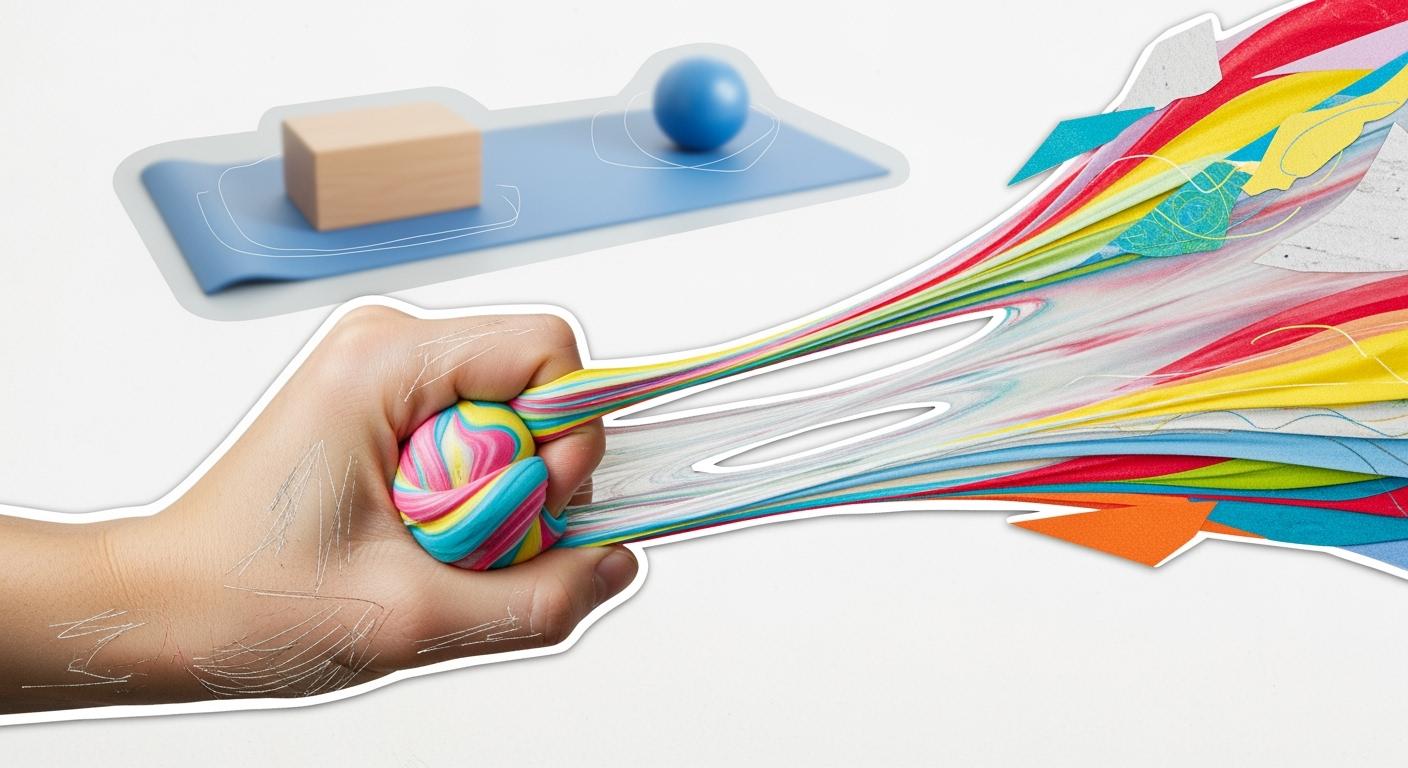
You can use occupational therapy putty to make hand rehab easier. Just grab the therapy putty, squeeze, stretch, and mold it with your fingers. This tool helps you build strength and improve movement. You do not need special skills to start. Stay consistent with your practice. Keep safety in mind every time you work out with the putty.
Key Takeaways
Occupational therapy putty makes hands stronger and helps them move better. Use it often to get the best results.
Pick the right resistance level for your hand strength. Begin with soft putty and use harder putty as you get stronger.
Warm up your hands before using therapy putty. Easy exercises can stop injuries and make your workout better.
Write down your exercises and how your hands feel. This helps you stay motivated and see how you improve.
Be careful when using therapy putty. Pay attention to your body, take breaks, and ask a professional if you feel pain.
What Is Occupational Therapy Putty?
Purpose and Benefits
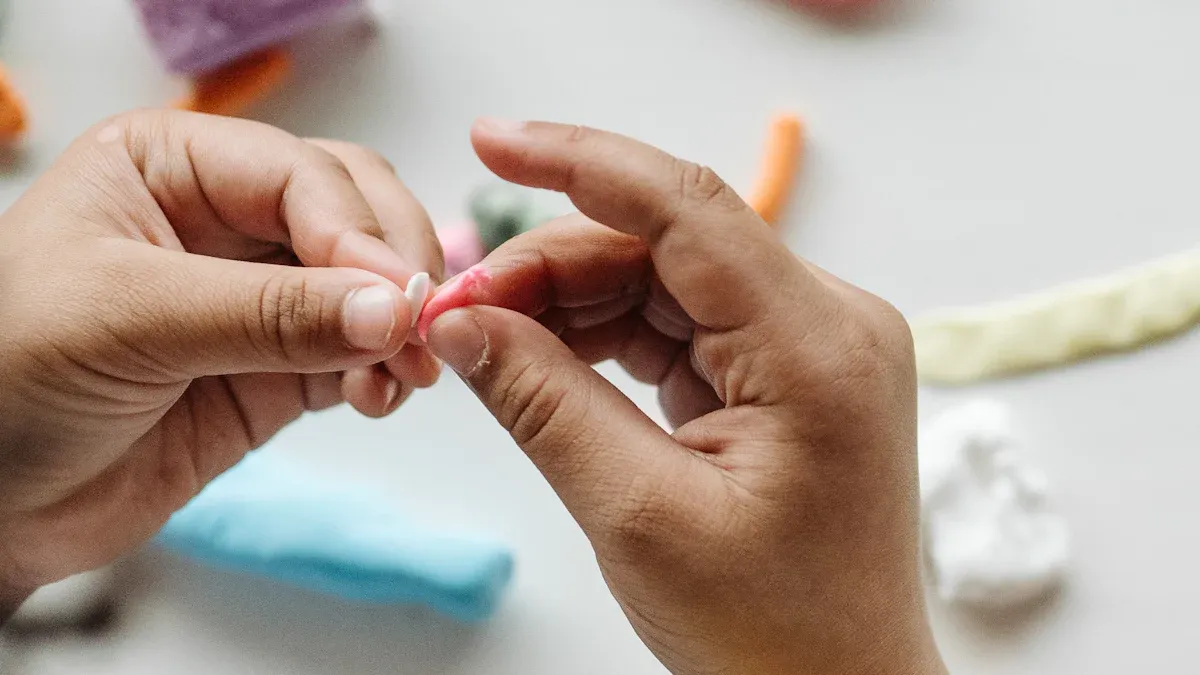
You may ask why occupational therapy putty is important. This soft and squishy stuff helps make your fingers and hands stronger. Experts say occupational therapy putty is easy to bend and shape. You can squeeze it, stretch it, or mold it to work your muscles. It also helps you get better at small hand movements. The putty comes in different colors. Each color shows how hard it is to use. You can choose the color that fits your recovery needs.
Let’s see how occupational therapy putty helps with different problems:
Condition | Benefit |
|---|---|
Arthritis (osteoarthritis, rheumatoid arthritis) | Makes joints less stiff and helps them move. |
Post-surgical rehabilitation | Helps you get stronger after surgery on your hand. |
Neurological conditions (stroke, Parkinson’s disease, multiple sclerosis) | Helps you move your fingers better and control them. |
Sports injuries | Makes your grip stronger and helps athletes heal. |
Carpal tunnel syndrome and repetitive strain injuries (RSI) | Lets your hand move gently and eases pain. |
Stress relief and anxiety management | Feels calming when you touch and play with it. |
Fine motor skill development | Helps people get better at moving their fingers after nerve injuries. |
Tip: Occupational therapy putty is not just for rehab. Many people use it to help with stress, too!
How It Supports Hand Rehab
Occupational therapy putty is easy to use at home or in a clinic. It helps with many hand problems like arthritis, carpal tunnel syndrome, sports injuries, and after surgery. Here are some ways it helps you:
You get better at small hand tasks if you use it often.
The putty helps your hand feel less tight and brings more blood to your fingers.
It can help with pain and stiffness from arthritis or carpal tunnel syndrome.
Therapy putty also helps your joints move more and makes your hands and fingers stronger. You may see less swelling and better blood flow after using it. Occupational therapy putty helps you see your progress and keeps you wanting to get better.
Choosing Therapy Putty
Resistance Levels Explained
When you use therapy putty, you will see it comes in many colors. Each color tells you how hard or soft the putty is. You should pick a resistance that matches your hand strength. If you are new to hand exercises, start with soft putty. When your fingers get stronger, you can try firmer putty.
Here is a simple chart for the color codes and resistance levels:
Color Code | Resistance Level |
|---|---|
Peach | XSoft |
Orange | Soft |
Lime Green | Medium |
Blueberry | Firm |
Plum | XFirm |
Gray | XX Firm |
Some brands, like TheraPutty®, have six color-coded choices. Rolyan Therapy Putty uses a system that lets you move up as you get stronger. You can use a hand dynamometer to check your grip strength. It measures in pounds or kilograms. This tool helps you pick the best putty for your hand exercises.
Tip: If your fingers feel weak or stiff, start with soft putty. Use firmer putty when your hands get stronger.
Picking the Right Putty
Choosing the right therapy putty keeps your exercises safe and helpful. You want putty that fits your needs and feels good to use. Look for these things:
The putty should match your strength and let you get stronger.
Make sure the putty is safe. It should not have latex, phthalates, BPA, or lead.
Good putty does not break, dry out, or leave sticky stuff on your hands.
The texture should always feel smooth and even.
Resealable containers keep your putty clean and fresh.
If you share putty at school or a clinic, check for allergy warnings.
Here is a table to help you compare what is important:
Factor | Description |
|---|---|
Resistance Range | Matches your strength and lets you get better. |
Material Safety | No harmful chemicals. Look for FDA-registered places. |
Durability | Should not break, dry out, or leave sticky stuff. |
Texture Consistency | Always smooth—no rough or lumpy pieces. |
Packaging | Resealable containers keep dust away and last longer. |
Allergen Disclosure | Important if you share putty at school or clinics. |
Therapy putty brands like TheraPutty® and Rolyan Therapy Putty have different strengths and sizes. Both are good for hand rehab and making your fingers stronger. You can use them at home or in a clinic.
Using Therapy Putty
Hand Warm-Up
Before you start any therapy putty exercises, you should always warm up your hands. A good warm-up gets your blood flowing and helps prevent injury. You can do this in just a few minutes.
Try these simple steps:
Shake it out: Hold your hands in front of you and shake them gently for 10 seconds.
Wrist circles: Make a fist and slowly move your wrists in circles, five times in each direction.
Finger taps: Tap each finger to your thumb, one at a time, for about 30 seconds.
Open and close: Spread your fingers wide, then make a fist. Repeat this 10 times.
Tip: If your hands feel stiff, soak them in warm water for a few minutes before you begin. This can make your hand exercises easier and more comfortable.
Therapy Putty Exercises
Now you are ready to start using therapy putty. These putty exercises help with finger and hand strengthening, grip strength, and range of motion. You can do them at home or in a clinic. Here are some of the most effective therapy putty exercises:
Finger Spread
Roll the putty into a long snake shape. Wrap it around two fingers. Try to spread your fingers apart against the putty. This exercise helps you build finger extension and grip strength.Fingertip Pinch
Take a small ball of putty. Pinch it between your thumb and fingertips. You can also press with each finger one at a time. This move improves dexterity and grip strength.Flat Pinch
Flatten a piece of putty. Pinch it between your straight fingers and thumb. This targets different muscles and helps with finger and hand strengthening.Full Finger Spread
Wrap the putty around all your fingers. Spread them apart as far as you can. This exercise boosts joint extension and range of motion.Finger Extension
Roll the putty into a snake. Wrap it around a bent finger. Hold the putty with your other hand and try to straighten your finger against the resistance. Repeat with each finger.Mini Doughnut Stretch
Shape the putty into a small sausage. Place it between your fingers and stretch them outward. This helps with flexibility and strength.Duck Bill
Place a ball of putty between your bent fingers. Press down toward your thumb. This move makes your grip stronger.Finger Scissors
Put a ball of putty between two fingers. Squeeze them together like you are cutting with scissors. This exercise works on finger control.Power Grip
Hold a large piece of putty in your palm. Squeeze it using all your fingers and thumb. This is great for overall hand strength.
Note: Start with 8-10 repetitions for each exercise. If you feel pain, stop and rest. You should feel a gentle stretch, not sharp pain.
Progression Tips
You want to keep making progress with your rehabilitation. Here are some ways to make your therapy putty exercises more challenging as you get stronger:
Use a firmer putty. Therapy putty comes in different strengths, from extra soft to firm. Move up to the next level when the exercises feel too easy.
Change the size of the putty. Use a bigger piece to make the exercise harder, or a smaller piece for less resistance.
Try new exercises. Switch up your routine to target different muscles and movements.
Increase your repetitions or hold each stretch a little longer.
Track your progress. Write down how many repetitions you do and which resistance you use. This helps you see your improvement over time.
You should always listen to your body. If you notice swelling, pain, or discomfort, take a break. Stay consistent with your routine, and remember that small steps lead to big changes in hand strength and movement.
Keep a notebook or use your phone to track your exercises. This helps you stay motivated and lets you share your progress with your therapist.
Safe and Effective Use
Common Mistakes
You might feel excited to start with therapy putty, but some mistakes can slow your progress. Many people squeeze the putty too hard or skip warm-ups. Sometimes, you may use the wrong resistance level. If you push yourself too much, you risk hurting your hand. You might also forget to rest between exercises. Not tracking your progress can make it hard to see improvement. Always pay attention to how your hand feels during each session.
Tip: If you notice pain or swelling, stop and rest. Your body needs time to heal.
Safety Tips
Staying safe helps you get the most from therapy putty. Here are some tips to keep in mind:
Start slow and don’t push it. Build strength and flexibility step by step, especially if you are recovering from an injury or surgery.
Consult a healthcare professional before you begin therapy putty exercises if you have any hand or wrist conditions. They can help you choose the right routine.
Use the correct resistance level for your needs. If the putty feels too hard, switch to a softer one.
Warm up your hands before each session.
Clean your putty and hands before and after use to prevent germs.
Take breaks and listen to your body.
Tracking Progress
You can track your progress in many ways. Write down your exercises and note how your hand feels after each session. Try using simple tools to measure improvement. Here’s a table with some helpful tools and what they do:
Tool Name | Function Description |
|---|---|
Knob Turn Tool | Simulates opening a door or tightening a jar. |
Standard Grip | Strengthens finger flexors and improves coordination. |
Intrinsic Turn | Builds up small muscles in your hand using fingertips. |
C Grip | Teaches joint protection and helps with finger bending. |
Key Turn Tool | Simulates turning a key and other gripping tasks. |
You can also squeeze therapy putty, stretch resistance bands, play games for finger control, or do pinch grip exercises. These activities help you see how much stronger and more flexible your hand becomes over time.
Note: Small changes add up. Celebrate every bit of progress, no matter how tiny.
Daily Rehab Routine

Building a Routine
You want your rehab routine to fit your life and help you get stronger every day. Start by talking with an occupational therapist if you can. They will check your grip strength and help you pick the right therapy putty. If you do not have a therapist, you can still build a safe routine at home.
Here’s a simple plan to follow:
Check how your hand feels before you start. Notice if you have pain, stiffness, or weakness.
Use a grip strength test or squeeze a soft object. This helps you choose the right putty.
Begin with softer putty. Move to firmer putty as you get stronger.
Do your exercises 1-3 times a day. Keep each session short—about 5-10 minutes.
Try to exercise 5-7 days a week for the best results.
Tip: Write down your exercises and how your hand feels after each session. This helps you see your progress and stay motivated.
Here’s a quick look at how often and how long you should practice:
Frequency | Duration |
|---|---|
1-3 times a day | 5-10 minutes each |
5-7 times a week | Varies by exercise |
Combining with Other Therapies
Therapy putty works well with other rehab tools. You can use it to warm up your fingers before stretching or other exercises. Many people find that therapy putty helps strengthen arthritic hands when used every day.
Try mixing therapy putty with these techniques:
Use therapy putty before finger stretches or grip exercises.
Pair it with resistance bands for extra strength training.
Add simple hand massage after your putty session to relax muscles.
Here’s a table showing how therapy putty fits with other rehab methods:
Exercise Type | Benefits | Notes |
|---|---|---|
Therapy Putty | Versatile tool with different resistance | |
Combined Techniques | Improves rehab outcomes | Use with other hand rehab tools |
Note: You can use therapy putty for stroke recovery, arthritis, or sports injuries. It helps you build strength and control in your fingers.
Stay consistent with your routine. Mix up your exercises to keep things interesting. If you ever feel pain or swelling, take a break and ask your therapist for advice.
You can make big progress with therapy putty if you use it often and follow safe steps. Start with a warm-up, pick the right putty, and try simple exercises every day. Studies show that people who stick with hand therapy see lasting results, even years later. If you ever feel stuck or notice pain, reach out for help.
Talk to a certified hand therapist if you have tendon injuries
Ask for advice if pain or stiffness does not go away
Get help if your hand feels weak or hard to move
Stay patient. Your hands will thank you!
FAQ
How often should you use therapy putty?
You can use therapy putty every day. Most people see results with 5-10 minutes, 1-3 times daily. If your hand feels tired or sore, take a break. Consistency helps you get stronger.
Can kids use therapy putty for hand exercises?
Yes! Kids can safely use therapy putty. Choose a softer putty for small hands. Supervise young children to make sure they do not put it in their mouth. Therapy putty helps kids improve fine motor skills.
How do you clean therapy putty?
Wipe therapy putty with a damp cloth if it gets dirty. Do not use soap or soak it in water. Always wash your hands before and after using the putty to keep it clean.
What if you feel pain during exercises?
Stop right away if you feel pain. You should only feel a gentle stretch or mild resistance. Rest your hand and try again later. If pain continues, talk to your therapist or doctor.
Can you use therapy putty for stress relief?
Absolutely! Therapy putty feels calming when you squeeze or stretch it. Many people use it to relax during work or school. Keep a small piece at your desk for quick stress relief. 😊
See Also
Comparing Tactile Sensory Toys For Daily Playtime Fun
Ten Engaging Sensory Activities For Preschool Learning
Autism-Friendly Sensory Toys Create Calm Play Experiences
